

 Dirty Bird Bakersfield
Rifle
Best Deer Rifles for California Hunters (and the Lead-Free Ammo Rule)
Nov
Table of Contents
Finding the best deer rifle for California hunting requires more than choosing a popular caliber. California hunters encounter everything from thick coastal brush to open mountain terrain. Blacktail deer often occupy wooded hillsides, while mule deer range across higher elevations and more exposed landscapes. These conditions influence rifle weight, handling, recoil, and ammunition selection. A dependable hunting rifle must suit the terrain while remaining comfortable and accurate in the hunter’s hands.
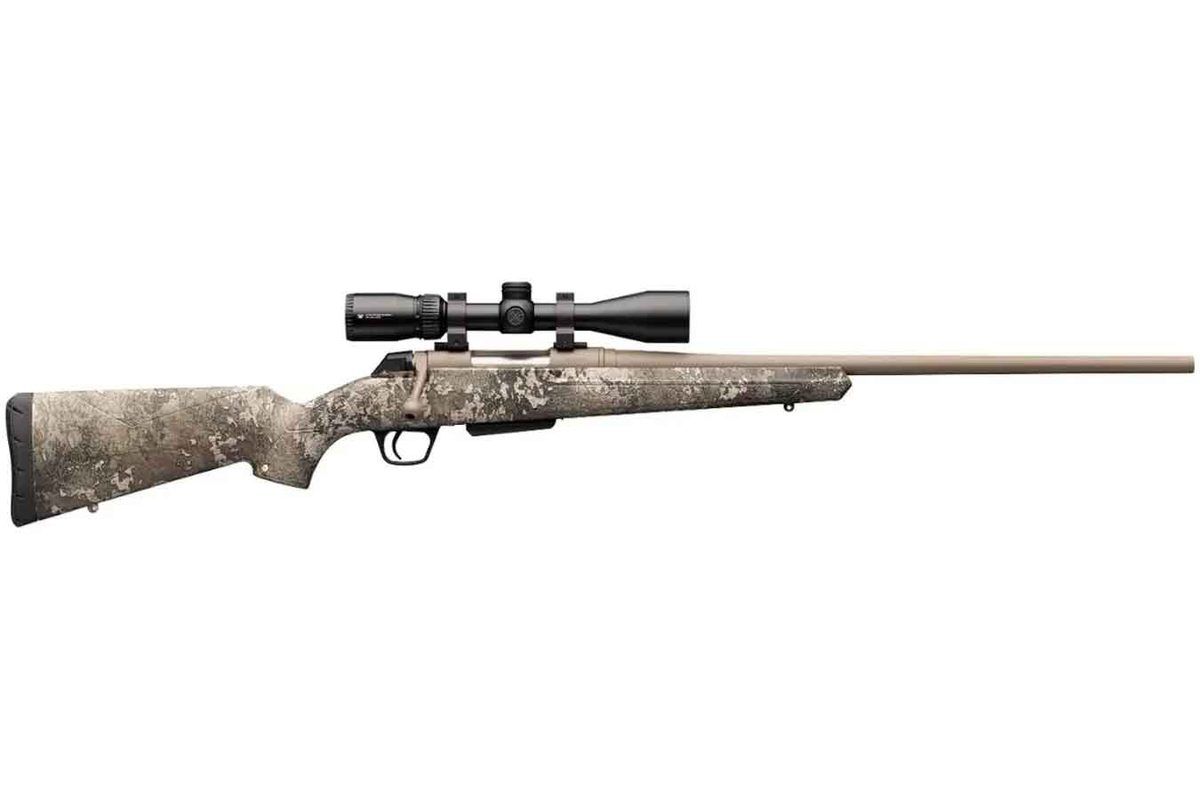
California also has specific firearm and ammunition requirements that hunters cannot overlook. Since July 1, 2019, the state has required certified nonlead ammunition when taking wildlife with a firearm. Hunters must also consider California’s firearm restrictions when evaluating semiautomatic rifles. Bolt-action and lever-action rifles remain familiar choices for their straightforward operation and traditional hunting designs. This guide examines popular deer rifles, cartridge differences, lead-free ammunition, and the regulations California hunters need to understand.
Quick Picks: Best Deer Rifles for California
The best deer hunting rifle depends on experience, terrain, physical fit, and intended use. Some hunters prioritize lightweight equipment, while others prefer traditional actions or reduced recoil. The following comparison highlights established rifle platforms and their primary characteristics.
| Category | Rifle | Caliber | Why It Stands Out |
|---|---|---|---|
| Best overall | Tikka T3x Lite | .308 Winchester | Lightweight hunting design and versatile chambering |
| Best bolt action | Ruger American Gen II | 6.5 Creedmoor | Modern hunting platform with manageable recoil |
| Best budget | Savage Axis 2 | .243 Winchester | Accessible bolt-action design |
| Best lever action | Henry Big Boy | .44 Magnum | Traditional handling for shorter-range terrain |
| Best for youth/new hunters | Savage Axis II Compact | .243 Winchester | Shorter stock dimensions and reduced recoil |
| Best CA-legal semi-auto category | Compliant .308 semiautomatic rifle | .308 Winchester | Alternative action type, subject to California restrictions |
Editorial note: We have not verified prices, current model availability, California compliance for individual configurations, or live inventory. These comparisons are not live stock listings.
Best Deer Rifles for California Hunters
A quality deer rifle should balance reliability, manageable recoil, practical accuracy, and handling. California’s varied landscapes make these characteristics especially important. A rifle comfortable in dense brush might feel different during a long mountain hike. Understanding each platform’s advantages and limitations gives you a better starting point than choosing based on looks alone.
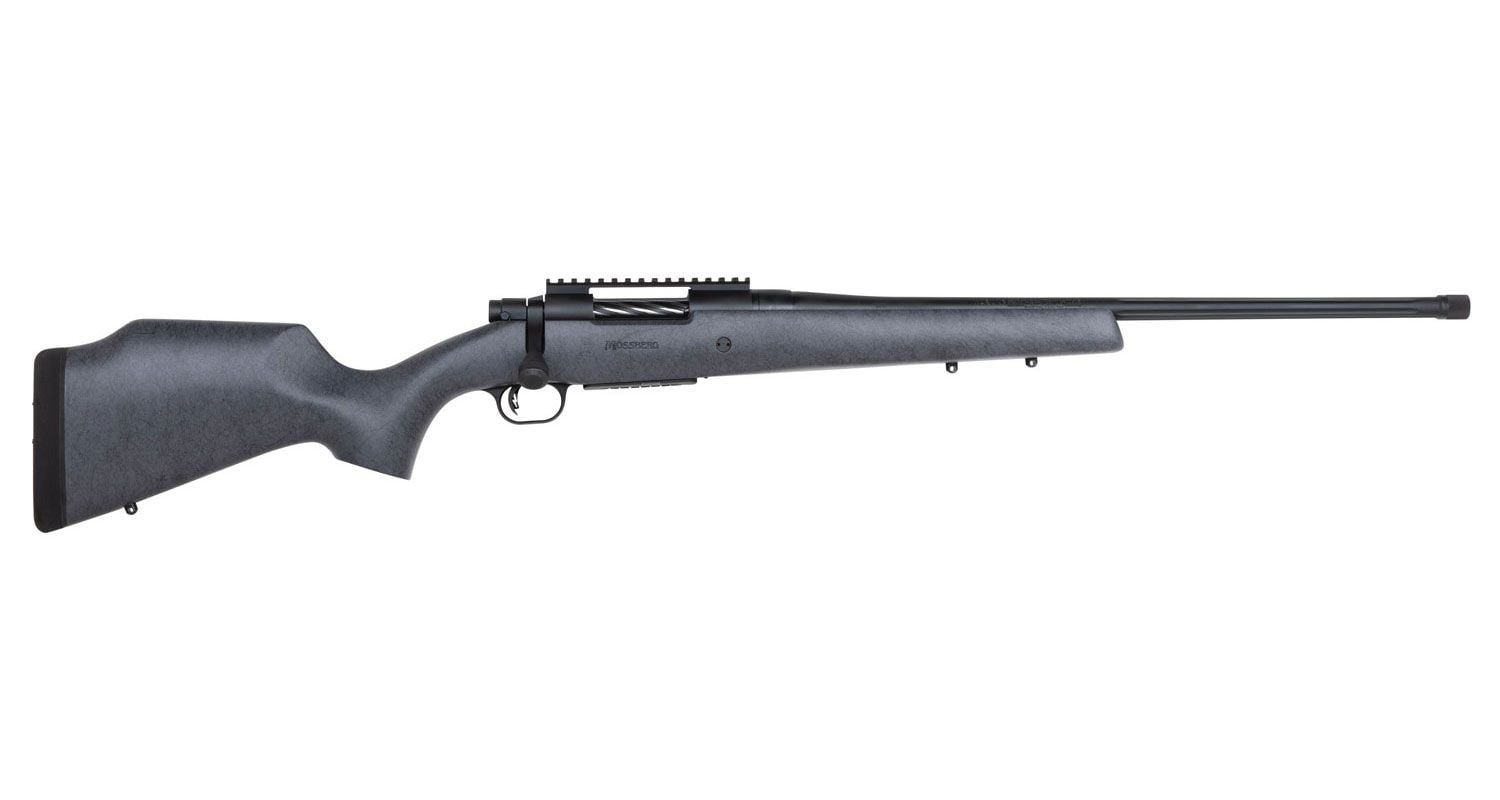
1. Tikka T3x Lite — Best Overall Deer Rifle
The Tikka T3x Lite is a recognizable option among hunters who prefer traditional bolt-action rifles. Its lightweight hunting configuration suits long days in the field and changing elevations. The platform has a reputation for smooth bolt operation and practical accuracy. Its straightforward design also appeals to hunters who prefer fewer external controls. In .308 Winchester, the T3x Lite represents a versatile combination for California deer hunting.
The main advantage is its balance between portability and full-size rifle handling. A lightweight rifle can also transmit more felt recoil than a heavier equivalent. Proper stock fit and shooting technique remain important, particularly during extended range sessions. For nonlead ammunition, cartridges featuring certified expanding copper bullets are relevant examples to research. Barnes TTSX and Hornady CX are established projectile families, although exact factory loads require separate verification.
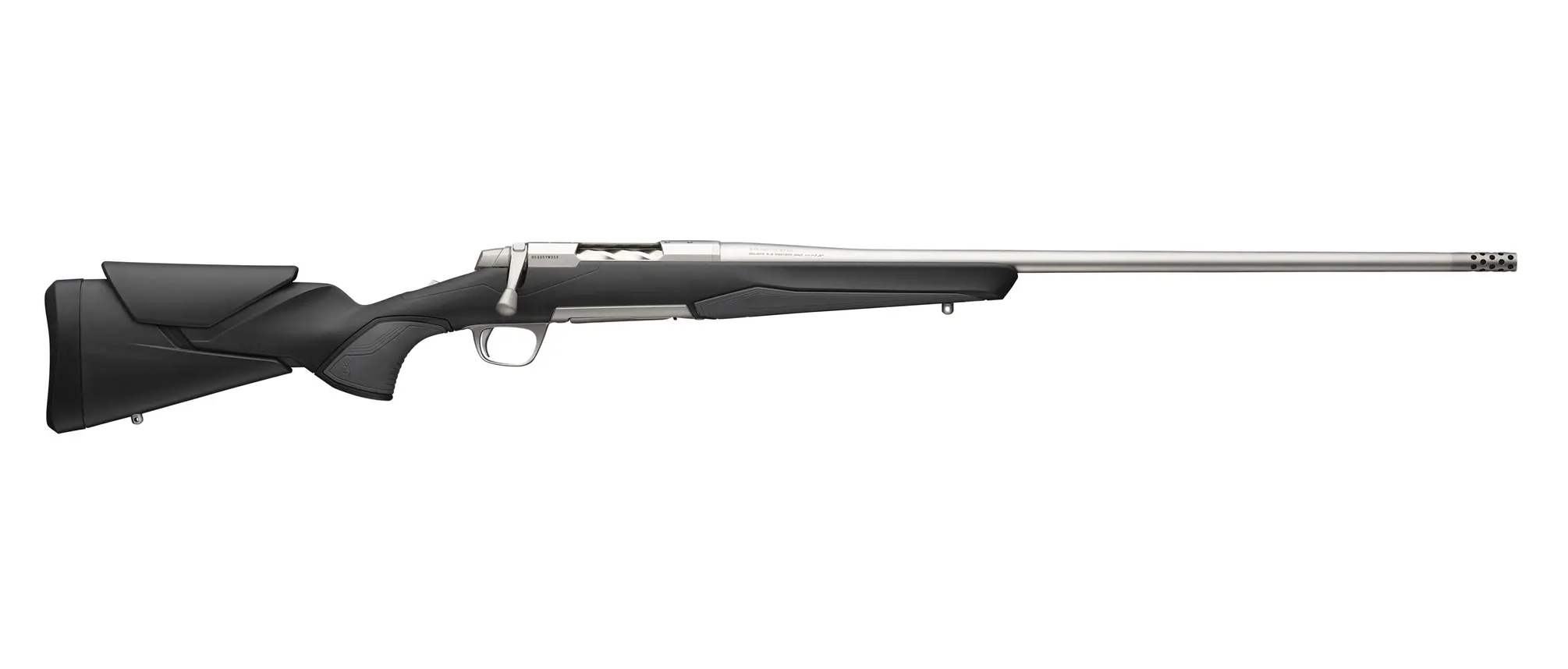
2. Ruger American Gen II — Best Bolt-Action Choice
The Ruger American Gen II offers a modern take on the traditional hunting rifle. Its synthetic-stock design emphasizes practical field use rather than decorative finishes. Hunters encounter different conditions across California, including dust, moisture, brush, and changing temperatures. Modern bolt-action platforms provide familiar controls without the additional configuration questions associated with some semiautomatic rifles. The 6.5 Creedmoor chambering is widely recognized among hunters interested in manageable recoil.
One advantage of this platform is its combination of modern features and conventional operation. The 6.5 Creedmoor also has a broad range of established hunting ammunition options. However, comfort depends on the exact rifle configuration and how well the stock fits the shooter. Hunters should evaluate overall weight, scope mounting, and recoil before selecting a rifle. Certified copper projectiles such as Hornady CX and Barnes TTSX are good examples to consider when researching nonlead hunting loads.
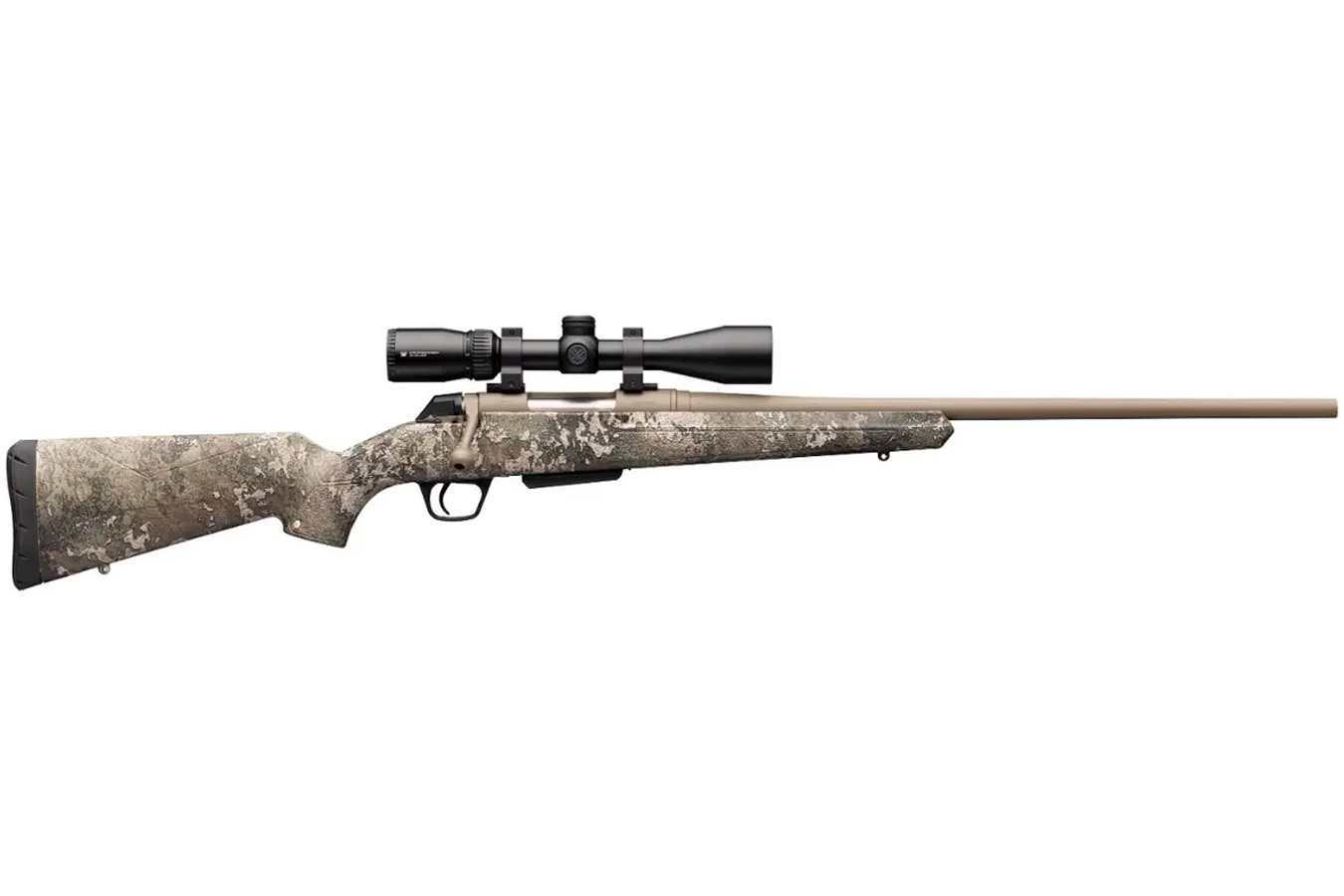
3. Savage Axis 2 — Best Budget Bolt-Action Rifle
The Savage Axis series has long occupied the value-oriented segment of the hunting rifle market. The Axis 2 continues that emphasis with a practical bolt-action platform. Its appeal comes from straightforward operation and a design focused on essential hunting functions. For California hunters, affordability should never come at the expense of fit, safety, or ammunition compatibility. A suitable rifle also needs to accommodate the hunter’s experience and physical requirements.
The .243 Winchester is a familiar chambering within this category. Its relatively mild recoil makes it a good option when comparing rifles for developing shooters. However, stock dimensions, overall weight, and trigger familiarity still matter. Budget-oriented rifles can also differ in included optics, finish, and individual configuration. Copper-based hunting ammunition exists for .243 Winchester, but check the exact projectile and California certification before use.
4. Henry Big Boy — Best Traditional Lever-Action Rifle
Lever-action rifles remain closely associated with American deer hunting. The Henry Big Boy continues that tradition with familiar handling and classic styling. Chamberings include .357 Magnum and .44 Magnum, depending on the specific model. These cartridges differ considerably from conventional bottleneck rifle cartridges. Their characteristics make the platform a distinct alternative, not a direct substitute for every bolt-action hunting rifle.
The Big Boy’s traditional action and familiar controls are central to its appeal. It also offers a different hunting experience from modern synthetic-stock rifles. However, pistol-caliber lever actions have more limited ballistic capabilities than many conventional deer-rifle cartridges. Nonlead ammunition availability deserves particular attention because certified expanding options can be less common. Hunters should also confirm that their chosen projectile meets California’s big-game requirements, not merely its nonlead standard.
5. Savage Axis II Compact — Best Youth and Beginner Rifle Category
A properly fitted rifle is especially important for new and younger hunters. The Savage Axis II Compact is an established example of a shorter-stock hunting configuration. Its dimensions differ from standard adult-size rifles, which can improve fit for smaller-framed shooters. However, a compact label does not guarantee the correct fit for every individual. Evaluate length of pull, reach, weight, and recoil together.
The .243 Winchester is frequently discussed in this category because of its relatively mild recoil. A smaller rifle is not automatically easier to shoot, especially when its lighter weight increases felt recoil. Supervised instruction and consistent safety habits should come before hunting applications. Youth hunters must also follow applicable California licensing, hunter education, and adult-supervision requirements. The availability of certified nonlead expanding ammunition is another essential consideration when comparing chamberings.
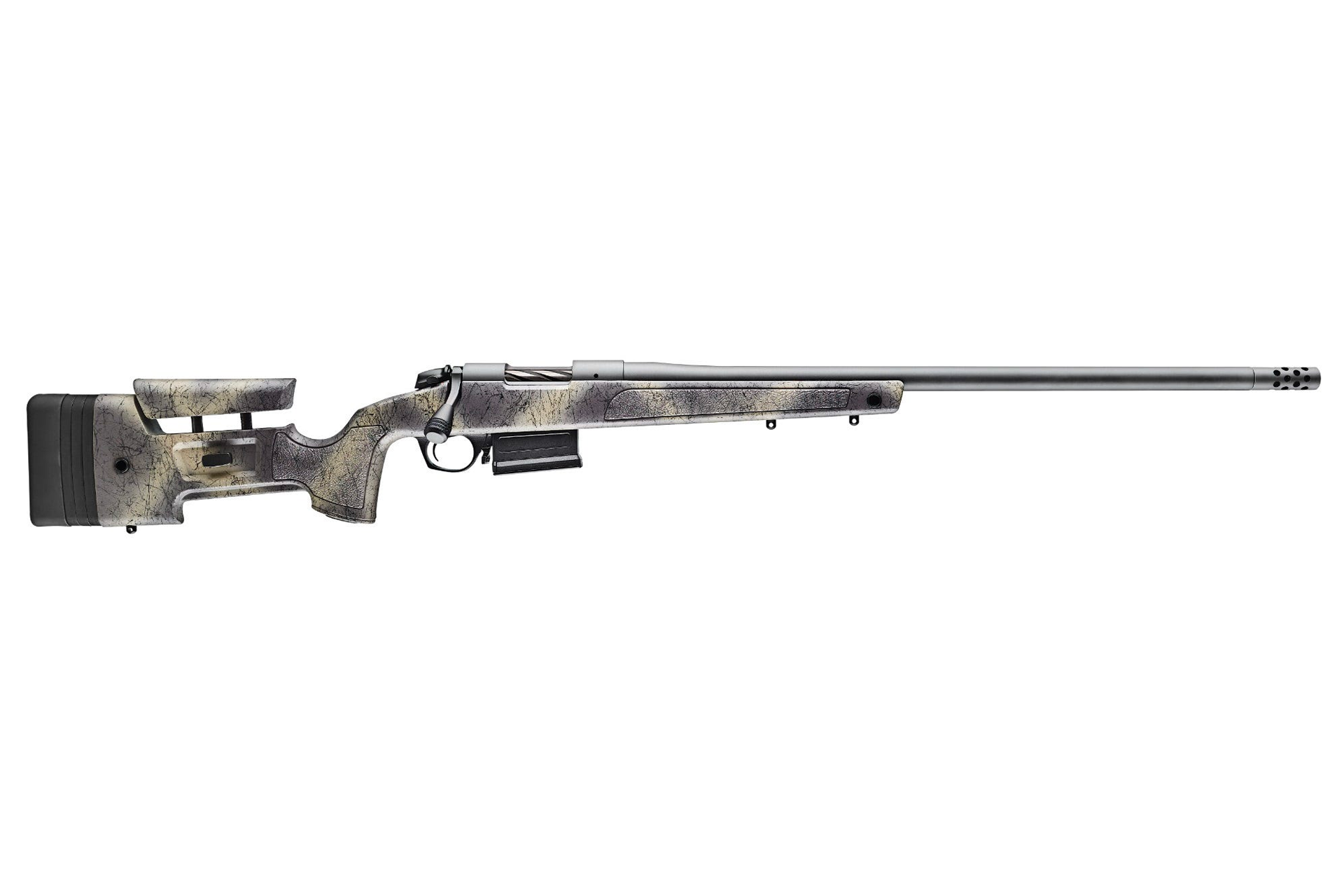
6. Bergara B-14 Hunter — An Alternative for Open-Terrain Hunting
The Bergara B-14 Hunter is another established bolt-action platform associated with traditional hunting applications. Its conventional hunting profile provides an alternative to ultralight rifles and more tactical-looking designs. Hunters comparing rifles for mountain environments should consider overall equipment weight and personal comfort. Stock fit and dependable optics are also important parts of the complete hunting setup. No single rifle design suits every California landscape.
The B-14 platform has been offered in established hunting chamberings, including .308 Winchester and other conventional cartridges. Exact chambering availability depends on the model and production configuration. A full-size hunting rifle also requires attention to transport and handling during extended outdoor activities. Copper-projectile ammunition is available across many conventional centerfire chamberings. The final choice must account for the specific rifle’s markings, manufacturer guidance, and California ammunition certification.
7. California-Compliant .308 Semiautomatic Rifles — Alternative Action Type
Semiautomatic centerfire rifles are another category encountered in California’s hunting market. However, their legal status depends on the firearm’s exact model and configuration. California regulates certain named firearms and semiautomatic rifles with specified features. A rifle described as California-compliant must still be evaluated against current law. Compliance also does not establish that a particular rifle or cartridge is suitable for every hunting situation.
The .308 Winchester is a longstanding centerfire hunting cartridge available in semiautomatic platforms. Its widespread use makes it relevant to comparisons involving conventional hunting rifles. However, semiautomatic rifles can differ substantially in weight, handling, and mechanical complexity. Hunters must distinguish general firearm legality from the separate regulations governing methods of taking big game. Those requirements apply regardless of the firearm’s action type.
Best Calibers for Deer Hunting in California
Selecting the best caliber for deer hunting involves understanding recoil, bullet construction, and the hunting environment. California black-tailed and mule deer inhabit substantially different terrain. Cartridge comparisons should therefore account for practical limitations rather than advertised ballistic performance alone. The availability of certified expanding nonlead ammunition adds another important consideration.
The following table summarizes common deer rifle calibers without assigning universal maximum shooting distances. Actual effective range depends on the specific ammunition, projectile expansion requirements, environmental conditions, and hunter proficiency.
| Caliber | Relative Recoil | General Range Category | Nonlead Options | Common Considerations |
|---|---|---|---|---|
| .243 Winchester | Low | Moderate | Available | Smaller-framed shooters, reduced recoil |
| 6.5 Creedmoor | Moderate-low | Moderate to extended | Broad selection | Mule deer, mixed terrain |
| .270 Winchester | Moderate | Moderate to extended | Broad selection | Traditional open-country hunting |
| 7mm-08 Remington | Moderate | Moderate to extended | Available | Balanced recoil and cartridge performance |
| .308 Winchester | Moderate | Moderate to extended | Broad selection | Versatile hunting applications |
| .30-06 Springfield | Moderate-high | Moderate to extended | Broad selection | Traditional multi-species chambering |
| .300 AAC Blackout | Varies by loading | Primarily shorter-range considerations | Specialized | Subsonic and expansion limitations |
| .357 Magnum / .44 Magnum | Varies by rifle and load | Shorter-range | More limited | Traditional lever-action applications |
Range categories are qualitative comparisons, not guaranteed effective distances. Recoil also changes with rifle weight, ammunition, and stock configuration.
Understanding the Differences Between Deer Rifle Calibers
Recoil also changes with rifle weight, ammunition, and stock configuration. Each differs in projectile diameter, typical ammunition construction, and ballistic characteristics. The .243 Winchester has a reputation for relatively mild recoil, while 6.5 Creedmoor offers another widely discussed hunting option. The 7mm-08 occupies an established place among traditional deer cartridges. Certified expanding nonlead ammunition is necessary for all three when hunting deer in California.
The .270 Winchester, .308 Winchester, and .30-06 Springfield remain familiar names in deer hunting discussions. Their histories extend well beyond California, including regions where whitetail deer are more common. However, advice about the best rifle for whitetail deer does not automatically address California’s terrain and nonlead rules. The .30-06 also appears frequently in comparisons involving deer and elk hunting. Cartridge suitability still depends on the individual rifle and the specific hunting ammunition.
The .300 Blackout, .357 Magnum, and .44 Magnum require additional attention to ammunition limitations. Their performance characteristics differ from conventional deer-rifle cartridges, especially in specialized or subsonic loadings. Subsonic ammunition is not automatically suitable for deer simply because it is centerfire. Some projectiles aren’t designed to expand reliably at lower velocities, while others contain prohibited lead cores. For an additional cartridge comparison, read Dirty Bird’s 300 Blackout vs. 350 Legend guide.
California’s Lead-Free Ammo Rule Explained
California’s statewide nonlead ammunition requirement took full effect on July 1, 2019. The regulation applies when taking wildlife with a firearm on both public and private property. Hunters pursuing blacktail or mule deer must therefore use ammunition that satisfies California’s certification requirements. The rule is not limited to particular regions or hunting zones. It also applies independently of the type of legal firearm being used.
California’s certification process allows projectiles containing no more than one percent lead by weight. Manufacturers must obtain certification for qualifying projectiles through the California Department of Fish and Wildlife. Marketing a product as copper, premium, or environmentally friendly does not automatically mean it is certified. Hunters should verify the actual projectile against the state’s approved list. The official CDFW certified nonlead ammunition list is the primary reference.
What Is Lead-Free Ammo?
Lead-free ammunition uses projectiles manufactured without conventional lead cores. For centerfire hunting applications, common examples include monolithic copper and copper-alloy expanding bullets. These designs differ from traditional copper-jacketed bullets with an internal lead core. A copper exterior does not make a conventional lead-core projectile compliant. The projectile’s actual composition and California certification determine its eligibility.
Monolithic copper bullets also behave differently from many conventional jacketed hunting bullets. They commonly retain a high percentage of their original weight rather than fragmenting extensively. However, expansion performance varies by bullet design and impact velocity. Copper’s lower density also affects projectile dimensions and the relationship between bullet weight and length. Hunters should not automatically select a heavier projectile when switching to copper ammunition.
Why Bullet Construction Matters
California’s rules for taking big game include another requirement beyond nonlead composition. Centerfire rifle ammunition must use soft-nose or expanding projectiles. Projectiles designed primarily to disintegrate do not qualify as expanding big-game bullets under the regulation. This distinction matters when comparing hunting ammunition with target or varmint products. A certified nonlead projectile must still satisfy the applicable big-game method-of-take rules.
Switching ammunition can also change a rifle’s point of impact. Two loads of the same caliber can behave differently because of their construction, weight, and manufacturing specifications. California’s Department of Fish and Wildlife recommends confirming the rifle’s zero after changing ammunition. Hunters should use the exact certified hunting load during their final range verification. Retaining the original ammunition packaging can also help wildlife officers confirm compliance.
Best Lead-Free Deer Ammo: Understanding the Major Options
Several manufacturers offer established nonlead projectile families for hunting applications. Barnes, Hornady, Federal, and Winchester each offer copper-based hunting ammunition. However, manufacturer names alone do not guarantee that every cartridge or product line is California-compliant. Certification applies to the relevant projectile, while actual factory-load availability varies by caliber. Hunters should confirm both before relying on any ammunition for a hunt.
| Ammunition Family | Bullet Construction | Important Distinction |
|---|---|---|
| Barnes VOR-TX with TTSX | Expanding copper | Verify exact projectile and certification |
| Hornady Outfitter with CX | Monolithic copper alloy | Confirm the specific chambering and load |
| Federal Trophy Copper | Non-lead expanding projectile | Do not confuse with Trophy Bonded |
| Winchester Copper Impact | Monolithic copper | Confirm the factory load and approved projectile |
| Federal Fusion Tipped | Bonded lead core | Not compliant with California’s nonlead hunting requirement |
| Hornady Subsonic with Sub-X | Lead-core projectile | Not compliant with California’s nonlead hunting requirement |
How to Confirm California-Compliant Ammunition
Begin with the manufacturer’s actual projectile designation rather than the box’s general marketing language. Confirm the cartridge matches the rifle’s chamber markings and manufacturer’s instructions. Next, verify that the projectile appears on California’s certified nonlead list. Finally, confirm that the ammunition uses a qualifying expanding bullet for big-game hunting. These checks prevent confusion between similarly named hunting ammunition lines.
A box labeled bonded, tipped, or premium does not necessarily contain a lead-free projectile. Federal Fusion Tipped, for example, uses a bonded lead-core design despite its copper jacket. Hornady’s Sub-X projectile also contains a lead core, even though the ammunition is designed around subsonic performance. These distinctions matter most when comparing specialized deer hunting cartridges. Correct product identification matters more than broad assumptions about a manufacturer.
California-Legal Deer Rifle Configurations
California law distinguishes between different firearm actions, models, and mechanical configurations. Conventional bolt-action and lever-action rifles are not subject to the same assault-weapon feature restrictions applied to qualifying semiautomatic centerfire rifles. However, they remain subject to applicable firearm ownership, transport, and hunting laws. Certain firearms can also be restricted by specific statutory classifications. Hunters should never assume legality solely from a seller’s description.
Semiautomatic centerfire rifles require additional attention under California Penal Code section 30515. Certain combinations of detachable magazines and specified features can classify a rifle as an assault weapon. The law also addresses fixed-magazine capacity and minimum overall length. Rifles commonly described as featureless or fixed-magazine configurations must comply with the actual statutory requirements. A compliant appearance alone is not sufficient proof.
California generally prohibits selling, importing, or transferring magazines capable of holding more than ten rounds, subject to legal exceptions. Fixed-magazine semiautomatic centerfire rifles also face a specific ten-round capacity restriction under assault-weapon law. Firearm transfers ordinarily involve a licensed California dealer, the applicable background-check process, and a mandatory ten-day waiting period. Legal exemptions and eligibility requirements can affect individual transactions. The California Department of Justice firearm laws overview provides additional information.
Can You Use an AR-15 for Deer Hunting in California?
An AR-15 is not automatically prohibited for deer hunting simply because it is semiautomatic. California’s Department of Fish and Wildlife has specifically addressed the use of California-compliant .223/5.56 rifles for deer. The agency explains that centerfire ammunition must use lawful soft-nose or expanding projectiles. Certified nonlead ammunition is also required, and the rifle itself must comply with California firearm law. A conventional full-metal-jacket target load does not meet the expanding-projectile requirement.
The distinction between a legally permitted cartridge and a suitable hunting application remains important. Cartridge performance, bullet design, and the hunter’s limitations all affect responsible hunting decisions. Larger AR-platform cartridges have different characteristics, but platform compatibility does not establish legal compliance. Dirty Bird covers related equipment considerations in its AR-15 complete uppers for hunting guide.
Other Equipment Considerations for California Deer Hunters
A deer rifle is only one part of a complete hunting setup. Optics, safe carrying equipment, and weather-appropriate clothing also deserve attention. California’s terrain can change quickly between valleys, wooded slopes, and higher elevations. Equipment should remain manageable throughout the outing, not just feel comfortable at the range. A dependable scope should be correctly mounted and checked before entering the field.
Hunters also need to understand how terrain and environmental conditions affect safe firearm use. Clear target identification, background awareness, and disciplined firearm handling remain essential. A hunter should never treat an advertised cartridge capability as a substitute for personal proficiency. Training and range practice help establish limitations before hunting conditions become demanding. California’s approved methods of take must also be followed throughout the hunt.
Before You Go: California Hunting Regulations and Resources
Choosing a deer rifle does not replace the need to review current hunting regulations. California has separate requirements covering licenses, tags, hunt areas, and legal methods of take. The state also maintains wildlife health requirements, including chronic wasting disease surveillance in designated areas. Hunters should review current Department of Fish and Wildlife information before heading into the field. Regulations and reporting obligations can change between seasons.
Dirty Bird maintains several related guides that cover these subjects in greater detail. Review the California Hunting Season 2026 guide for seasonal preparation. The California hunting zones and game species guide explains regional considerations. The new deer hunting regulations article includes additional information. New hunters can also explore Dirty Bird’s How to Hunt Deer guide for broader preparation.
Conclusion: Understanding the Best Deer Rifles for California Hunting
The best deer rifle for California is one that meets legal requirements and suits the individual hunter. Traditional bolt-action rifles, lever actions, and compliant semiautomatic platforms each have distinct characteristics. Cartridge selection also matters, especially when considering recoil, terrain, and certified nonlead ammunition. No firearm or caliber eliminates the importance of proper training, safe handling, and responsible hunting practices.
California’s lead-free ammunition requirement makes product identification especially important. Hunters should verify certified projectiles, understand bullet construction, and confirm their rifle’s point of impact with the chosen hunting load. Dirty Bird Industries provides hunting-related information and resources to help California hunters better understand their equipment and responsibilities before entering the field.

Best Deer Rifles for California: Frequently Asked Questions
California hunters frequently have questions about cartridge selection, legal rifle configurations, and nonlead ammunition. The following answers address common concerns and do not replace current state regulations.
What Is the Best Caliber for Deer Hunting in California?
The .308 Winchester, 6.5 Creedmoor, .270 Winchester, and .243 Winchester are established deer-hunting cartridges. The best choice depends on rifle fit, recoil tolerance, terrain, and ammunition requirements. Every hunting load must comply with California’s nonlead and expanding-projectile rules.
Do I Have to Use Lead-Free Ammo for Deer in California?
Yes. California has required certified nonlead ammunition for hunting wildlife with firearms statewide since July 1, 2019. The requirement applies to deer hunting on both public and private property.
Are Copper Bullets Good for Deer Hunting?
Expanding copper bullets are established alternatives to conventional lead-core hunting projectiles. Many monolithic designs offer high weight retention and controlled expansion. Performance depends on the particular projectile, impact conditions, and manufacturer specifications.
Can I Hunt Deer With an AR-15 in California?
Yes, as long as the rifle complies with California law and the hunter follows applicable hunting regulations. The ammunition must use a centerfire cartridge with a qualifying expanding nonlead projectile. CDFW has specifically addressed compliant .223/5.56 rifles.
What Is the Best Deer Rifle for a Beginner or Youth Hunter?
A properly fitted bolt-action rifle is a familiar starting point for new hunters. Compact-stock models and relatively mild-recoiling chamberings deserve consideration during supervised instruction. Fit, safe handling, and the hunter’s individual abilities matter more than a rifle’s marketing category.
Can I Use a .223 for Deer Hunting in California?
California does not impose a blanket ban on .223 Remington for deer hunting. However, the ammunition must meet the centerfire, expanding-projectile, and nonlead requirements. Legal permission does not guarantee that every .223 load is suitable for responsible deer hunting.
Is .300 Blackout Legal for Deer Hunting in California?
California’s big-game regulations generally require centerfire rifles using qualifying expanding projectiles. The .300 Blackout is a centerfire cartridge, but each hunting load must meet the nonlead requirement. Hunters should pay close attention to subsonic bullet construction.
Can I Use Regular Copper-Jacketed Ammunition for Deer?
Not when the projectile contains a conventional lead core. A copper jacket does not make ammunition lead-free. Hunters must use qualifying certified nonlead projectiles and follow California’s big-game ammunition rules.
For additional resources, check out our sister site, www.ar15discounts.com.