

 Dirty Bird Bakersfield
California Hunting, Hunting, Lever Action Rifle, Rifle
California Hunting Season 2026: Last-Minute Gear and Ammo Checklist
Sep
Table of Contents
California hunting season is already underway. Dove season opened September 1, Zone A deer season began in July, and several additional deer and upland bird seasons open throughout September and October. Waterfowl follows in October. Hunters still missing a license, tag, validation, firearm, or nonlead ammunition should address it now, especially because a California firearm purchase generally requires a 10-day waiting period.
Dirty Bird Guns & Ammo carries firearms, ammunition, optics, and field gear for a wide range of California hunts. Before making a purchase or heading into the field, confirm the regulations for the exact species, zone, property, and method of take. Dirty Bird’s California Hunting Guide, guide to California hunting zones and game species, and roundup of the best firearms for hunting in California provide additional background.
2026 Hunting Season Dates Require a Final Check
California deer seasons vary significantly by zone and tag. In Zone A, the 2026 archery season ran July 11 through August 2, followed by the general season from August 8 through September 20. Many B-zone general seasons begin September 19. C-zone general seasons also begin September 19, while many D-zone seasons open later in September or October. X-zone hunts are limited-entry hunts with dates tied to the specific tag.
The statewide early season for mourning and white-winged dove runs September 1 through September 15. The late season runs November 14 through December 28. The combined daily bag limit is 15, no more than 10 of which may be white-winged doves.
Quail dates depend on the zone. Mountain quail season in Zone Q1 begins September 12, while the all-quail season opens September 26 in Zone Q2 and October 17 in Zones Q1 and Q3. California’s general statewide chukar season runs October 17 through January 31.
Waterfowl dates also vary by zone. The Northeastern Zone duck season opens October 3. Duck season in the Colorado River Zone opens October 23, while the Balance of State, Southern San Joaquin Valley, and Southern California zones open October 24. Species-specific dates and restrictions still apply within each zone.
The California Department of Fish and Wildlife hunting page, 2026 Big Game Hunting Digest, upland game bird summary, and waterfowl summary remain the best sources for current dates, bag limits, shooting hours, maps, and special restrictions.
Licenses, Tags, and Validations Must Be Ready
A valid California hunting license is the starting point for hunting birds or mammals in the state. First-time license applicants must satisfy California’s hunter-education requirement. Species and hunt-specific requirements may include:
- The appropriate deer, bear, elk, pronghorn, bighorn sheep, or wild pig tag
- A California Duck Validation for waterfowl hunters, except qualifying junior license holders
- A signed Federal Duck Stamp for waterfowl hunters age 16 or older
- An Upland Game Bird Validation, except qualifying junior license holders
- A free Harvest Information Program validation for migratory birds such as ducks, geese, dove, coots, snipe, and band-tailed pigeon
Harvest reporting rules also matter. Deer tag holders must report each tag, whether the hunt was successful, unsuccessful, or never started. Bear tag holders have separate reporting and tooth-submission requirements. The CDFW hunting-license page provides current licensing information.
California Hunting Season Firearm Rules Need Attention
California requires nonlead ammunition when taking wildlife with a firearm anywhere in the state. The projectile or shot must meet the applicable requirements, and rifle ammunition should appear on California’s certified nonlead list. Copper rifle bullets and steel, bismuth, or tungsten-alloy shotgun loads are common options, but packaging alone should not be treated as proof of California certification. CDFW maintains its nonlead ammunition information and certified ammunition list.
California does not establish a general .24-caliber minimum for deer rifles. Under the state’s method-of-take rules, big game may generally be taken with a rifle using a centerfire cartridge and an expanding projectile. Hunters should still select a cartridge and bullet capable of an ethical kill at the expected distance. Local restrictions and hunt-specific rules may further limit the firearm or ammunition that can be used.
Semi-automatic centerfire rifles must not meet California’s definition of an assault weapon. Depending on the rifle, compliance may involve a featureless configuration or a qualifying fixed-magazine setup. California generally prohibits acquiring, importing, manufacturing, giving, or lending magazines that hold more than 10 rounds, although possession questions can depend on individual circumstances and ongoing litigation. Suppressors generally cannot be possessed by California hunters.
Shotguns used for migratory game birds generally cannot hold more than three shells, including the chamber and magazine combined. A removable magazine plug should be installed and checked before leaving for the hunt. Migratory game bird shooting hours generally run from one-half hour before sunrise to sunset, not one-half hour after sunset. Other species can follow different shooting hours.
Most California firearm transfers require a Firearm Safety Certificate, a Dealer Record of Sale, a background check, and a 10-day waiting period, subject to limited exemptions. The California Department of Justice currently states that a person generally may not apply to purchase more than three firearms cumulatively within a 30-day period, again subject to statutory exceptions. A local FFL should confirm eligibility, waiting-period timing, identification requirements, and the legality of the exact firearm before purchase.
California has different transport rules for handguns, registered assault weapons, and ordinary long guns. Keeping every firearm unloaded and secured in a locked case is a prudent baseline, but it does not replace reviewing the rules that apply to the particular firearm and destination. The California DOJ firearms FAQ provides a current starting point.
Shotguns Cover Birds and Small Game
A 12-gauge shotgun with interchangeable chokes can cover dove, quail, pheasant, waterfowl, and other small-game hunts when paired with the proper nonlead load.
The CZ-USA Drake 28-inch 12-gauge over-under offers a straightforward two-shot break-action design. At the time of publication, Dirty Bird showed one remaining in stock.
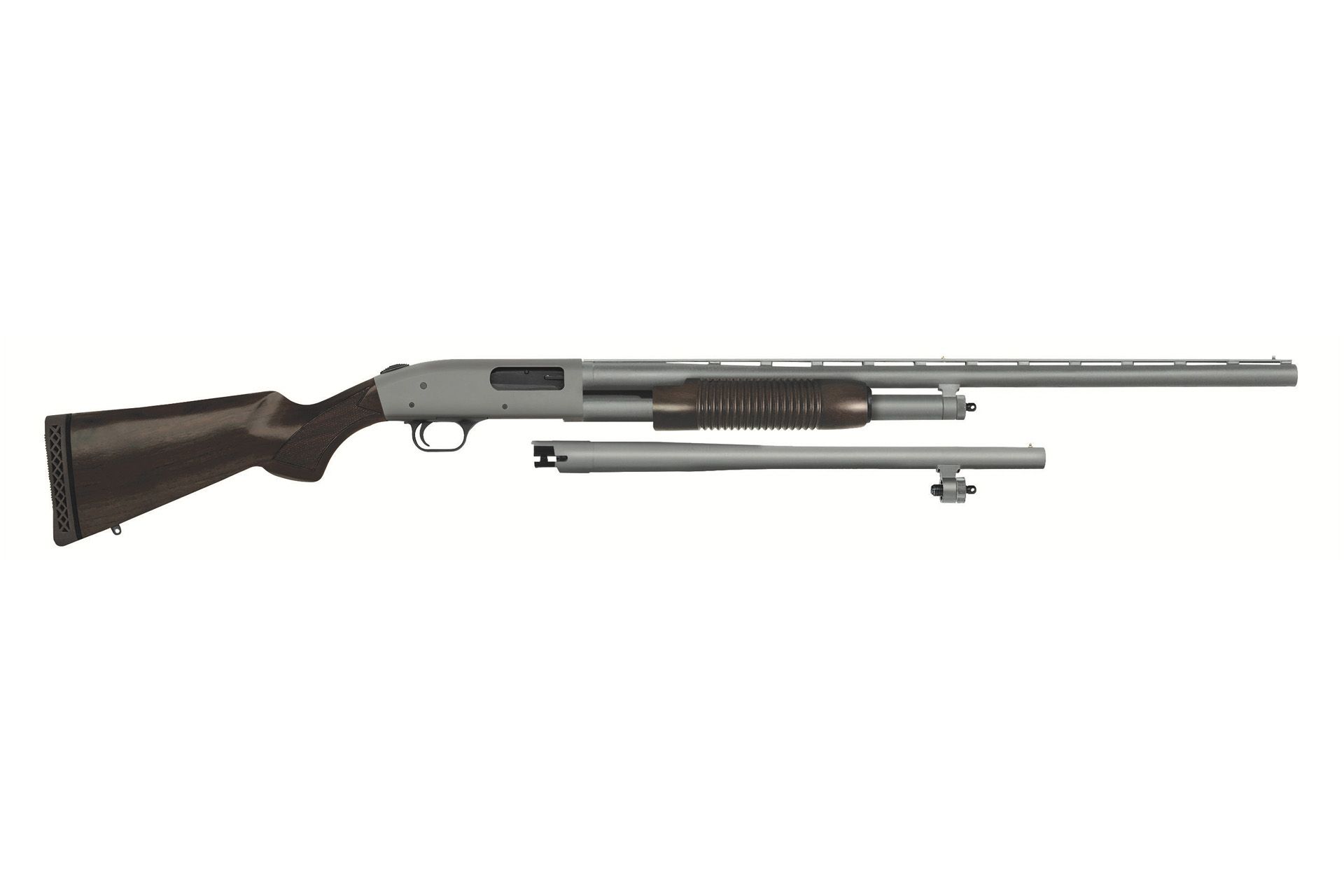
The Mossberg 940 JM Pro-Series 24-inch 12-gauge is a semi-automatic option currently listed by Dirty Bird as California compliant, with one shown in stock at the time of publication. Its standard capacity exceeds the three-shell migratory-bird limit, so a compliant plug is required before using it for dove or waterfowl.
Inventory can change quickly. The full Dirty Bird shotgun collection provides the latest available options.

Hunting Rifles Must Match the Game and Terrain
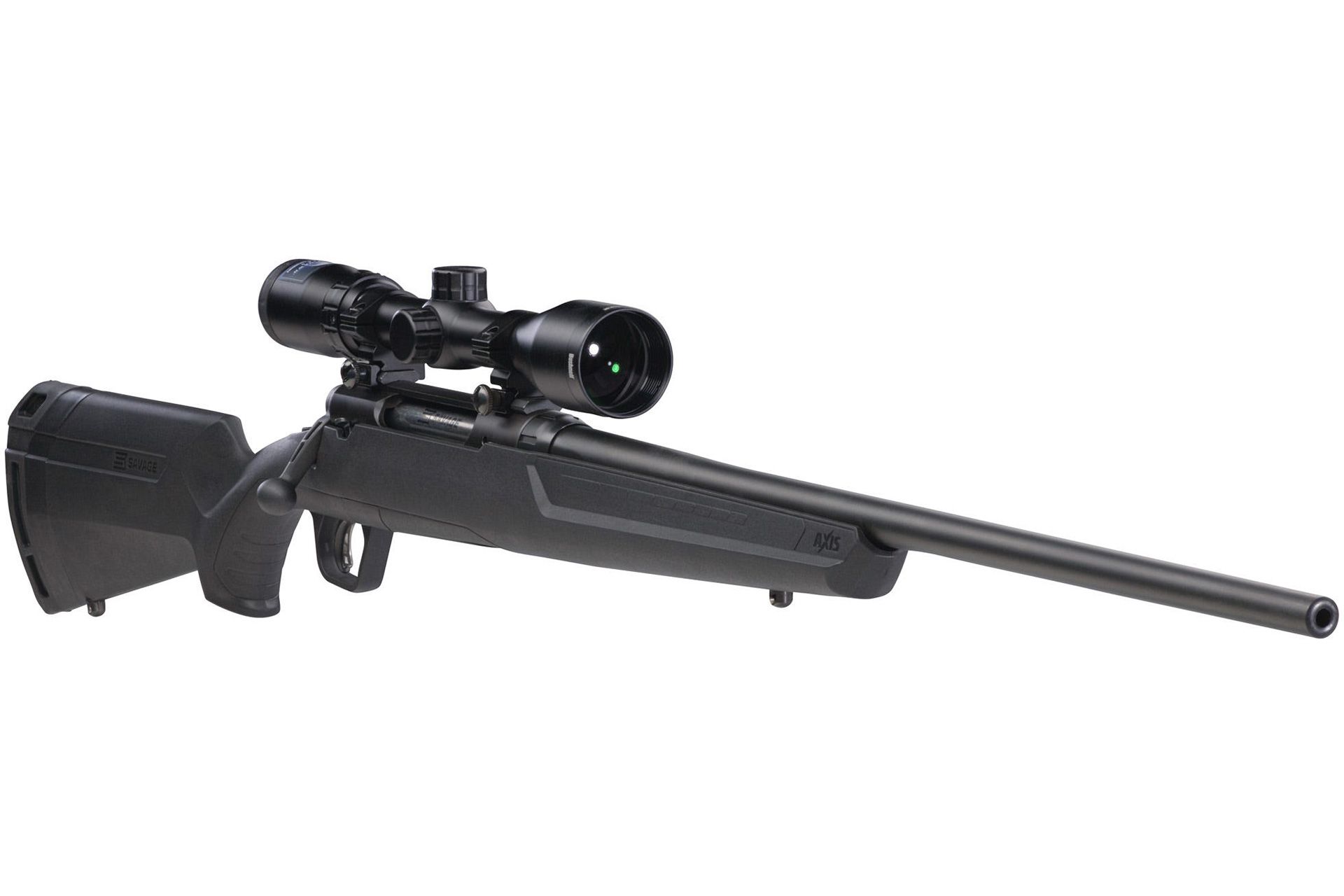
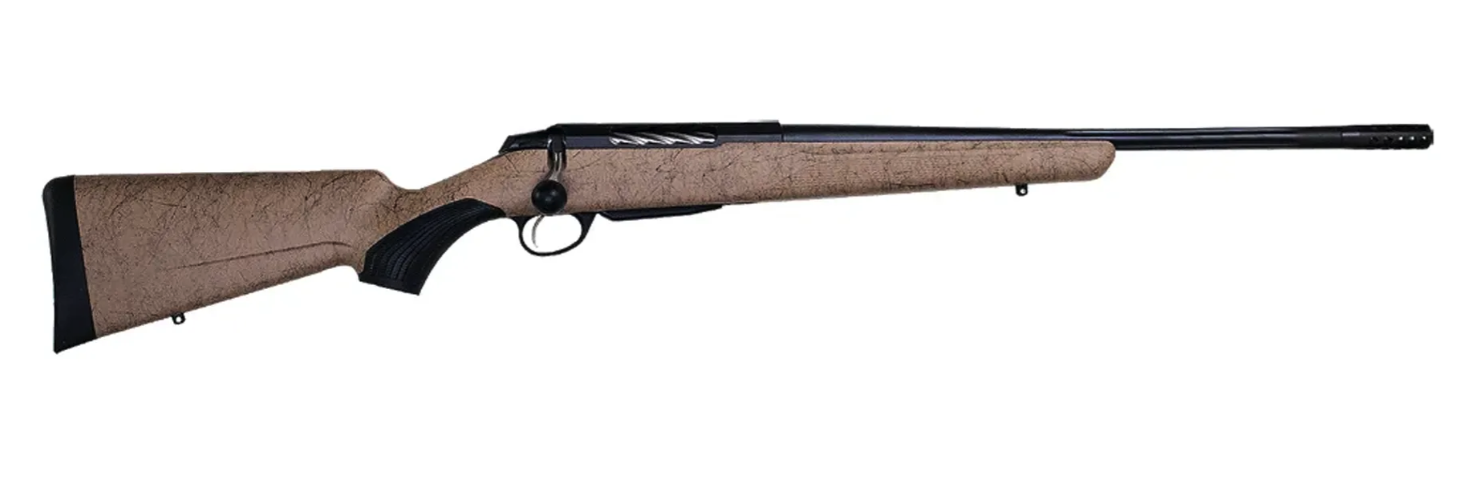
Bolt-action centerfire rifles remain a practical choice for California deer and pig hunting. Common cartridges include .243 Winchester, .270 Winchester, 6.5 Creedmoor, and .308 Winchester. There is no statewide .24-caliber minimum for deer, but a suitable expanding nonlead projectile and sound cartridge selection remain essential.
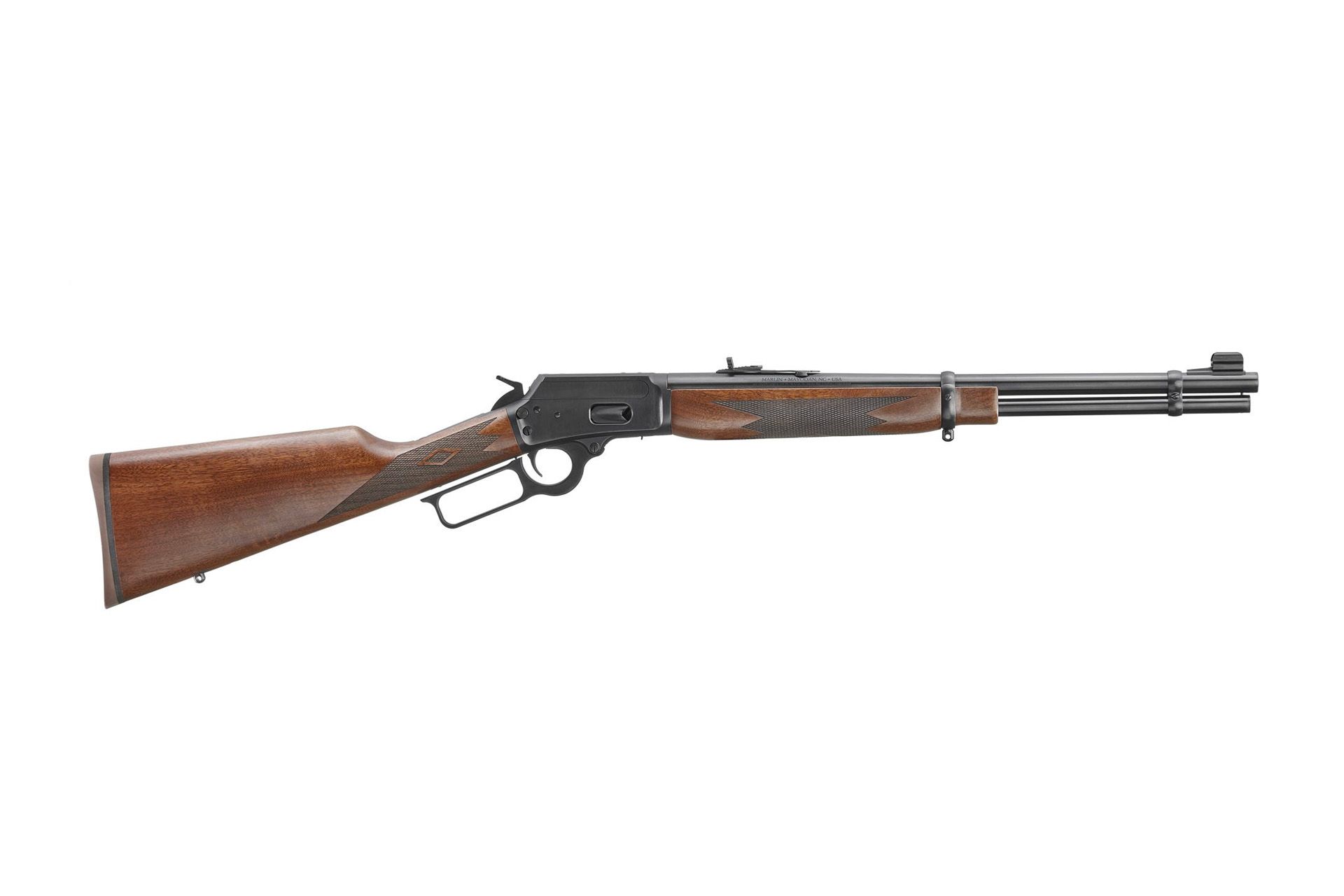
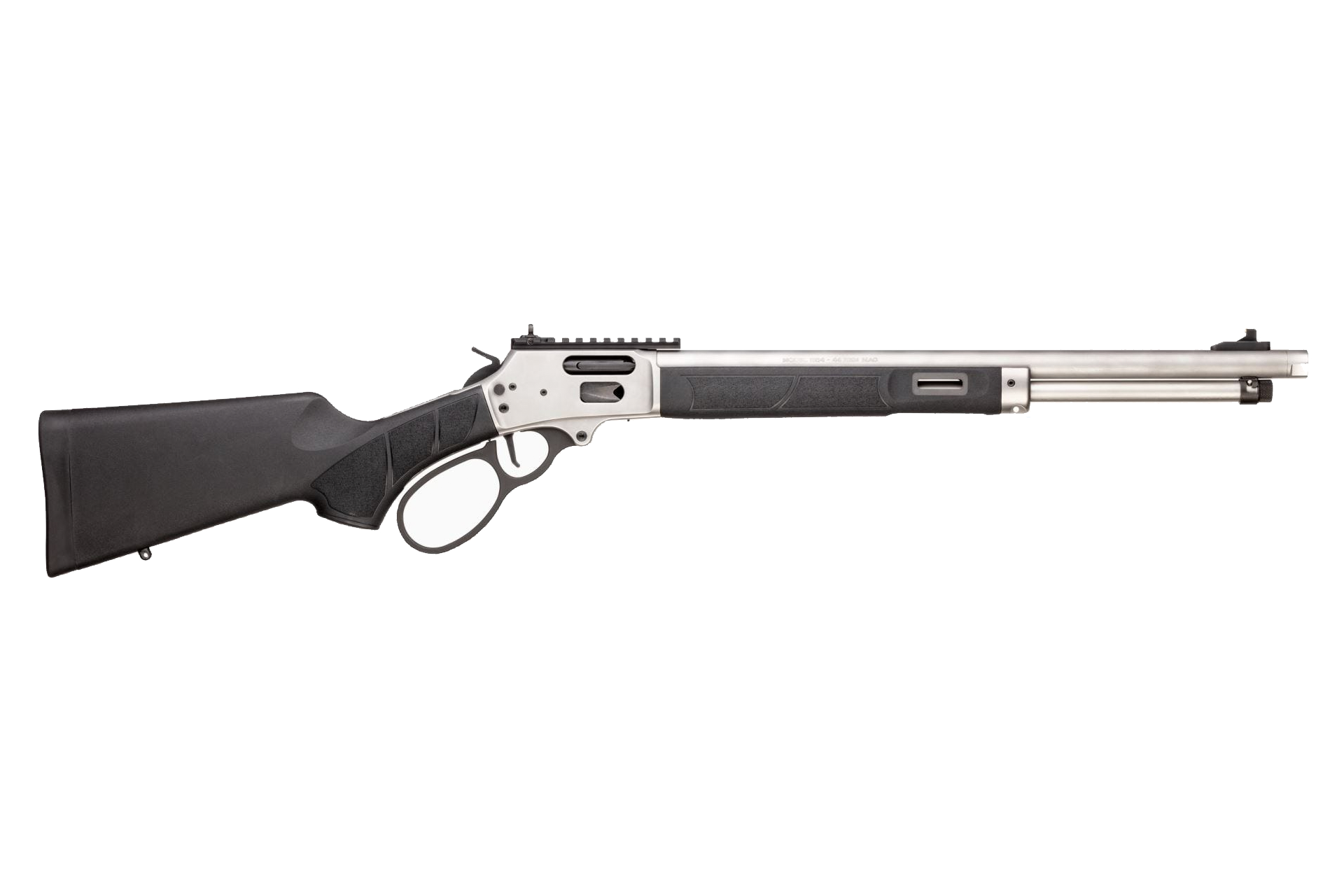
Lever-action rifles can be useful in brushy deer and pig country. Modern sporting rifles can also be used for pigs, predators, and some big-game hunts when the rifle is California legal and the cartridge, projectile, and magazine comply with the applicable rules.
Because firearm inventory and legal configurations can change, the safest last-minute approach is to browse Dirty Bird’s current California-compliant firearms, rifles, and used firearms, then confirm the exact model with the transferring FFL.
Nonlead Ammunition Must Match the Hunt
Waterfowl hunters need approved nontoxic shot. Steel No. 3 or No. 4 is commonly used for many duck hunts, while larger shot such as No. 2 or BB is often selected for geese. Conditions, bird size, range, choke, and the individual shotgun all affect load selection.
Dove hunters often use smaller nontoxic shot such as steel No. 7 or No. 6. Quail and pheasant loads are commonly selected in larger shot sizes based on the bird, cover, and expected distance. Steel is less dense than lead, so familiar lead-shot size comparisons do not always translate directly.
Deer and pig hunters need certified nonlead centerfire ammunition with an expanding projectile. Copper loads from manufacturers such as Barnes, Hornady, Federal, and Winchester are common choices, but the exact load should be verified on CDFW’s certified list. A new hunting load should also be tested for reliable function and point of impact before the hunt.
Current options can be found in Dirty Bird’s shotgun ammunition, rifle ammunition, rimfire ammunition, and main ammunition collection.
Last-Minute Field Gear Prevents Avoidable Problems
The firearm and ammunition receive most of the attention, but smaller items are often what derail an opening-day hunt. A final equipment check should include:
- Hunting license, tags, validations, and identification
- Printed or downloaded regulations and zone maps
- Certified nonlead ammunition
- Shotgun plug and appropriate choke tubes
- Binoculars, rangefinder, and tested optics
- Spare batteries and a dependable light
- Eye and hearing protection
- Weather layers, rain gear, and sturdy boots
- Blaze orange where appropriate, even when not required statewide
- Water, food, first-aid supplies, navigation tools, and emergency communication
- Game bags, field-dressing tools, and required tagging materials
- A compact firearm-cleaning kit and basic tools
Dirty Bird carries rifle scopes, red-dot and holographic sights, scope and optics mounts, and tools and cleaning supplies. The Daily Deals page may also include useful last-minute equipment.
A Final Check Keeps the Hunt Legal and Productive
Before the next California hunting season opener, confirm the zone dates, tag, validations, shooting hours, method-of-take rules, and ammunition requirements directly with CDFW. Make sure the firearm is legal in its exact configuration, the ammunition is certified nonlead, the shotgun is plugged when required, and every optic and load has been tested before entering the field.
Dirty Bird Guns & Ammo can help fill the remaining gaps, but licenses, firearm waiting periods, shipping time, FFL processing, and changing inventory all make early preparation the better approach. Check the CDFW hunting page again immediately before the hunt for emergency closures, regulation updates, and other last-minute changes.
This article is for general informational purposes and is not legal advice. Regulations, court decisions, local ordinances, product availability, and individual eligibility can change. Confirm all requirements with CDFW, California DOJ, the relevant land agency, and the transferring FFL.