

 Dirty Bird Bakersfield
Glock, Handguns, Pistols
The Glock Transition: Model Discontinuations and the Introduction of the V Series
Oct
Table of Contents
At Dirty Bird Guns and Ammo, we have long appreciated the reliability and widespread adoption of Glock firearms among our customers. In 2025, this author’s daily carry is the 19x topped with a 509t and fitted with a TLR-1 weapon light. The fact is that these pistols have become a cornerstone of the modern firearms market, trusted by competitive shooters and civilians alike. Recent developments, however, have introduced significant uncertainty into the Glock ecosystem. Reports of widespread model discontinuations and the impending launch of a new V Series have generated considerable discussion within the industry.
This article provides a detailed examination of these events, their origins, and their implications for firearm owners and retailers. As of today, the situation continues to evolve, but the available information offers clear insights into the factors at play.
The Foundation of Glock’s Success: A Legacy of Innovation
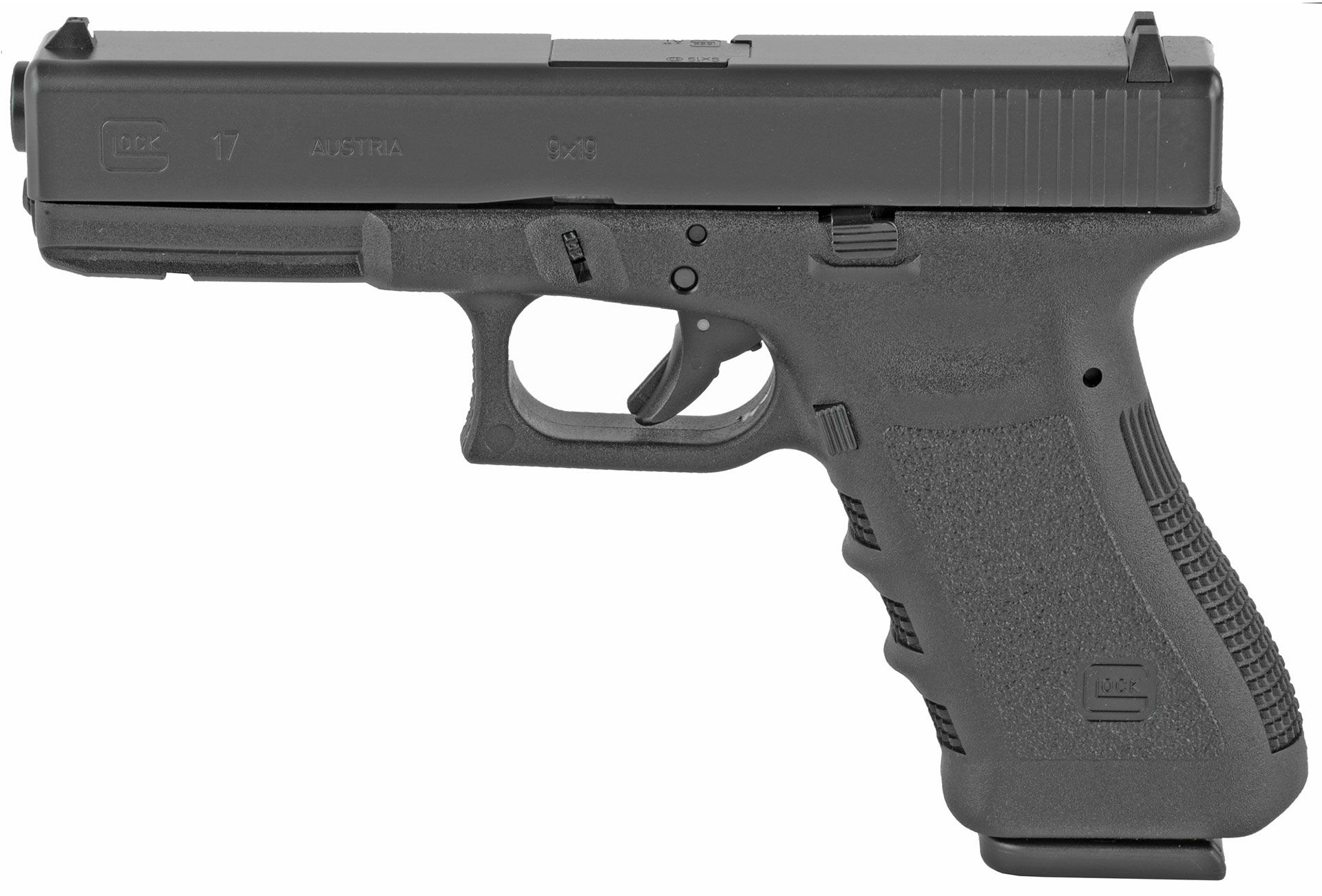
To understand the current challenges, it is essential to review Glock’s historical contributions to handgun design. Founded in 1963 by Gaston Glock in Austria, the company entered the firearms industry with the development of the Glock 17 in the early 1980s. This 9mm semi-automatic pistol, designed for the Austrian military, featured a polymer frame that reduced weight while maintaining durability. The safe-action trigger system emphasized simplicity and reliability, qualities that propelled the 17 to adoption by numerous agencies worldwide.
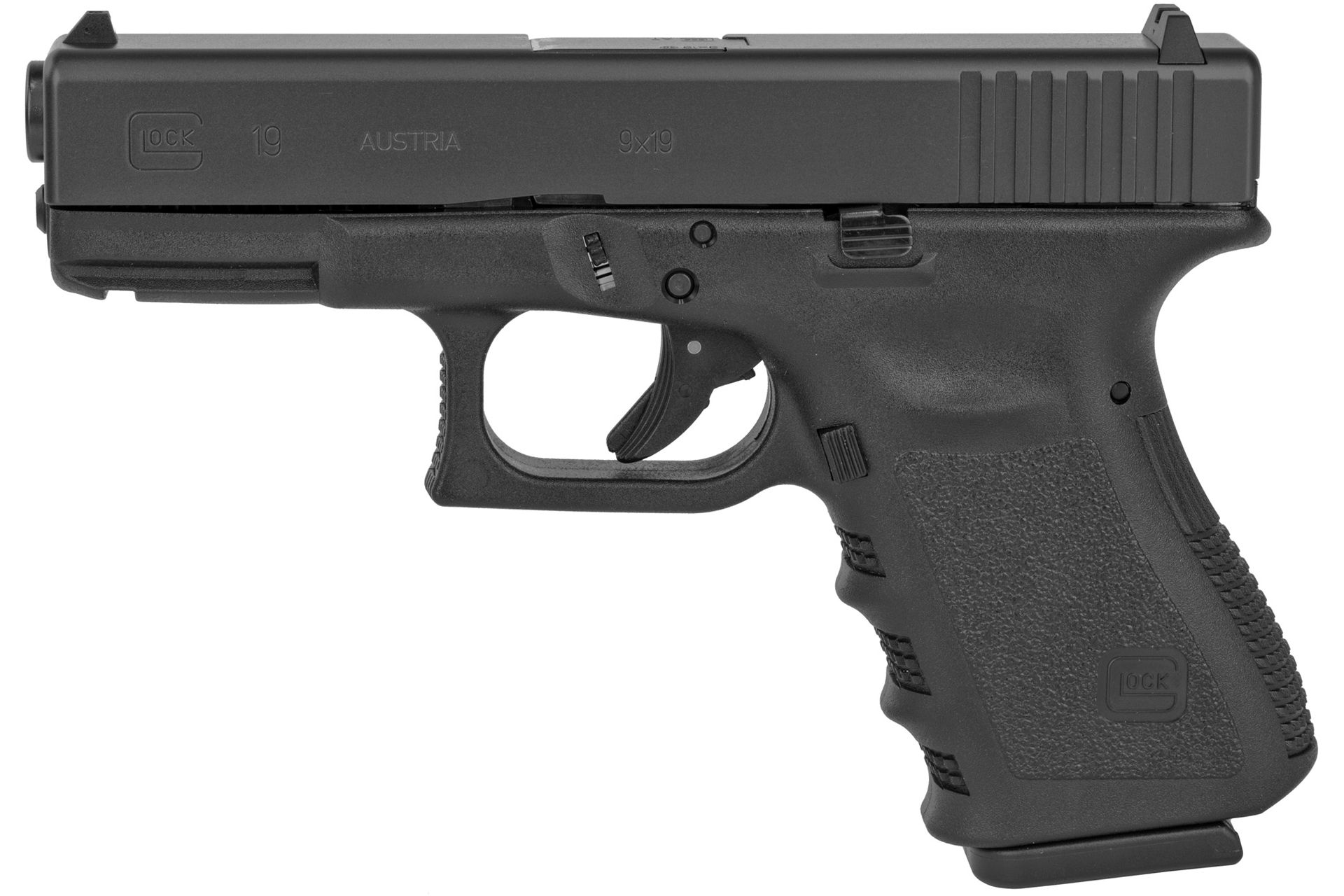
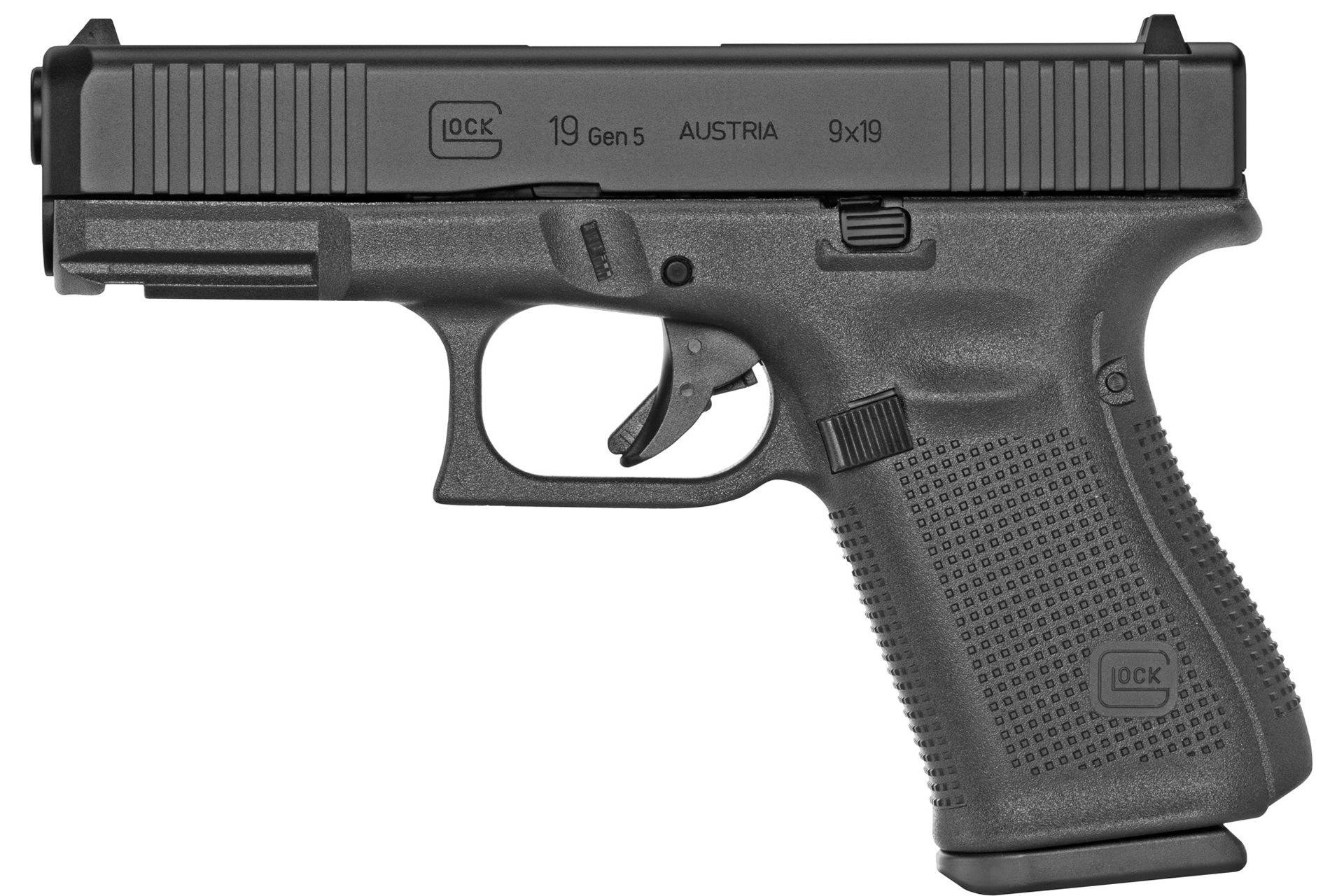
Subsequent generations refined this platform. The third generation, introduced in 1998, added accessory rails and finger grooves for improved ergonomics. The fourth generation, launched in 2010, incorporated a reversible magazine release and dual recoil spring assemblies for enhanced performance. The fifth generation, debuting in 2017, eliminated finger grooves, introduced ambidextrous slide stops, and applied an nDLC finish for corrosion resistance. Models such as the compact Glock 19 and full-size 17 became benchmarks for concealed carry and duty use.
Glock’s Modular Optic System (MOS) variants further expanded compatibility with red-dot optics, aligning the platform with contemporary trends. By 2025, the catalog encompassed over 50 models across calibers from 9mm to .45 ACP, allowing for tailored solutions ranging from deep concealment to competition use.
 CA Compliant
 CA Compliant
 CA Compliant

The Core Issue: Switches and Illegal Full-Auto Conversions
The primary catalyst for the current challenges is the proliferation of so-called “switches” or auto sears. These small devices, often 3D-printed or machined from metal, can be installed on the rear of a Glock slide in seconds, converting a semi-automatic pistol into a fully automatic weapon. Such modifications violate the National Firearms Act of 1934, which prohibits civilian possession of post-1986 machine guns.
The Bureau of Alcohol, Tobacco, Firearms and Explosives (ATF) reported seizing over 25,000 such devices in 2023—an alarming increase from previous years. Because of Glock’s popularity and internal striker-fired design, these devices have disproportionately affected its reputation. Although Glock has made small engineering changes, such as adding frame tabs to obstruct illegal devices, these can be circumvented, and the company maintains that the problem lies entirely with criminal misuse, not design flaws.
Escalating Litigation: A Multifront Legal Battle
Legal pressures intensified through 2024 and 2025. In March 2024, Chicago filed a public-nuisance lawsuit against Glock and several dealers. Baltimore, Seattle, and New Jersey followed, and Minnesota’s Attorney General Keith Ellison advanced a similar case that survived a dismissal motion in August 2025. Maryland joined in February 2025. Collectively, these actions seek injunctions, damages, and design modifications.
Legislation has followed litigation. California’s Assembly Bill 1127, signed October 12, 2025, prohibits sales of semi-automatic pistols using cruciform trigger bars…effectively excluding most Glocks after July 2026. The NRA and Firearms Policy Coalition immediately filed federal challenges, arguing the law violates Second Amendment protections established under NYSRPA v. Bruen (2022).
Glock insists it has met all U.S. compliance requirements and continues to emphasize that illegal modifications—not factory designs—are to blame.

The Discontinuation Announcement: Streamlining Amid Pressure
On October 21, 2025, Glock confirmed a major restructuring of its commercial pistol lineup effective November 30. Shipments of all Generation 3, 4, and 5 models will cease, except the slimline Glock 43, 43X, 43X MOS, 48, and 48 MOS. This affects over 30 models, including staples like the Glock 17, 19, 22, and 23.
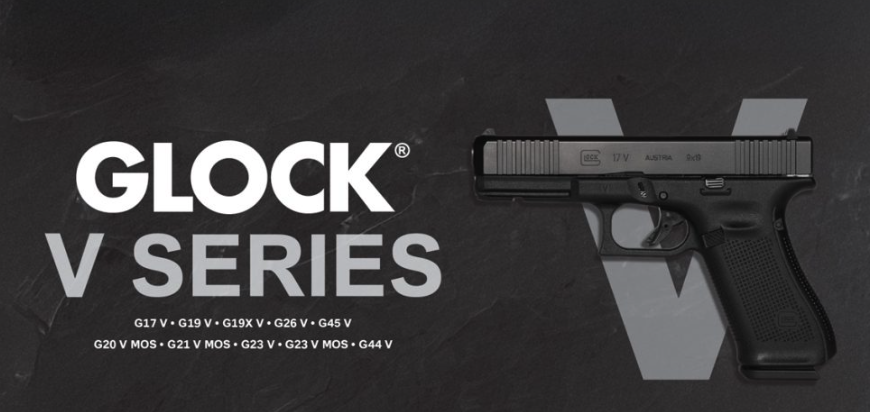
The company states the decision aims to “establish a baseline of products while simplifying processes.” The move coincides with the introduction of the new V Series, scheduled to replace discontinued models in December 2025.
While Glock has not publicly tied the decision to California’s new law, the timing suggests a connection. Early reports indicate the V Series incorporates redesigned frame geometry that prevents auto-sear installation while retaining familiar ergonomics.
The V Series: Evolution or Compromise?
The V Series represents the brand’s next chapter. Distributor previews indicate the pistols will preserve Glock’s polymer frame, safe-action system, and standard capacities while introducing internal refinements. Among the expected upgrades are:
• Redesigned trigger bar geometry to eliminate conversion vulnerabilities
• An improved factory trigger with a cleaner break and crisper reset
• Revised barrels with refined rifling for enhanced accuracy
Initial production will focus on 9mm and .45 ACP, with non-MOS configurations arriving first and optics-ready variants expected in 2026. Pricing will remain consistent with Gen 5 models, approximately $500–$600.
Feedback from early evaluations suggests the pistols maintain hallmark reliability—100,000-round endurance testing reportedly continues to yield positive results. Aftermarket compatibility appears mostly intact, easing the transition for holster and accessory manufacturers.
Implications for Shooters and the Industry
The transition marks a turning point for the handgun market. Retailers anticipate temporary shortages and price surges for Gen 5 models through the end of 2025, while V Series availability stabilizes. Shooters in restrictive states should verify compliance before purchasing remaining inventory.
At Dirty Bird Guns and Ammo, we view the V Series as a practical evolution of Glock’s core strengths, balancing innovation with compliance pressures. Whether securing a legacy model or preparing for the next generation, staying informed will ensure a seamless transition for firearm owners and professionals alike.
Looking Ahead: Rumors of the Glock Gen 6
Although Glock has publicly focused on the V Series, industry chatter increasingly points toward a forthcoming Gen 6 platform. Multiple European distributors and defense-industry contacts have reported prototype testing under the “G46 2.0” designation—a project rumored to merge the V Series’ anti-conversion redesign with military-grade modularity.
Key speculative details include a truly modular fire-control unit similar to SIG’s P320 system, a re-engineered slide-rail interface for improved serviceability, and optics-cut slides standardized across all full-size frames. Some insiders claim that military contracts in Germany and the Middle East are driving the design’s acceleration, with possible unveiling in late 2026 or early 2027.
None of these details have been confirmed by Glock, and the company historically guards new-product information closely. However, given the rapid generational turnover and rising global competition, a Gen 6 debut within the next two years remains plausible.
For now, the Glock V Series stands as the bridge between legacy models and whatever the next true generation may bring.