

 Dirty Bird Bakersfield
California Compliant, California Roster Guns
Ghost Guns vs California Roster Guns – What Are Your Options in 2025?

May
Table of Contents
California’s gun laws are a maze, and if you’re trying to stay compliant while building or buying your next firearm, you’ve probably heard about California gun roster and the growing buzz around ghost guns. At Dirty Bird Guns & Ammo, we’re all about keeping you in the know, especially when it comes to navigating the Golden State’s tricky and very frustrating regulations.
The roster limits which handguns you can buy from dealers, but ghost guns, those homemade firearms built from kits or unfinished parts, have stirred up a whole new conversation. Let’s break it down with answers to the questions we hear most, focusing on what you need to know about ghost guns, how they fit into the roster landscape, and why, in the interest of time and hassle, your current best bet may be seeking out California roster guns instead.

What is a ghost gun, and why is it called that?
A ghost gun is a firearm you build yourself, usually from a kit or partially finished parts like an 80% lower or unfinished receiver. The “ghost” part comes from the fact that these guns often lack serial numbers, making them hard for law enforcement to trace. Unlike a factory-made Glock or Sig Sauer or other California roster guns, which come with a serial number and paperwork, a ghost gun starts as raw materials you assemble at home. They’ve gained traction because they let you customize your build, but that lack of serialization has put them in the crosshairs of regulators. In California, where every firearm transfer is already over-scrutinized, ghost guns are a hot-button issue, especially as the state clamps down on untraceable weapons.
Are ghost guns legal to own or build in California in 2025?
Owning or building a ghost gun in California is heavily restricted but not outright banned, which is why California roster guns are much more common. As of 2025, you can legally build a firearm for personal use, but it must comply with strict state laws. The California DOJ requires any homemade gun to be serialized and registered. This stems from laws like AB 1621, passed in 2022, which cracked down on unserialized firearms. The federal government also stepped in with a 2022 ATF rule, upheld by the Supreme Court in 2024, that classifies kits and unfinished frames as firearms, meaning they need serial numbers and background checks just like a store-bought gun. So, while you can still build a ghost gun, it’s not a free-for-all.
What laws apply to 80% lowers and unfinished receivers in California?
An 80% lower or unfinished receiver is a partially completed frame. You can think of it as a gun’s skeleton that’s not quite a firearm yet. In California, these parts are now treated like finished firearms under state law. AB 1621 and other regulations mean you can’t just buy an 80% lower and start drilling without oversight. If you purchase one, it must go through a licensed dealer with a background check, and any completed firearm needs a serial number and registration with the DOJ. The state tightened these rules to close loopholes, as 80% lowers were a popular way to build untraceable guns. Federal law backs this up, with the ATF’s 2022 rule requiring dealers to serialize kits and parts before sale. Bottom line: you can still work with 80% lowers, but it’s a regulated process from start to finish, unlike what you’ll deal with regarding California roster guns.
Do I need to serialize a ghost gun in California?
Yes, the way things currently stand, serialization is non-negotiable. California law demands that any firearm, including one you build yourself, has a unique serial number. If you’re crafting one, you need to apply for a serial number through the DOJ’s process, which involves submitting details about the firearm and passing a background check. This applies whether you’re starting with an 80% lower or a full kit. The state’s been hammering this point since 2016, when AB 857 first required homemade guns to be serialized. Fail to do this, and you’re unfortunately you’re risking felony charges. We don’t think this is fair, but it’s our duty to report the reality of the situation as it exists in 2025.
How do California’s ghost gun laws differ from federal regulations in 2025?
California’s ghost gun laws are stricter than federal ones, no surprise there. Federally, the focus is on the ATF’s 2022 rule, which says kits and unfinished frames that can be “readily converted” into firearms count as firearms. That means serial numbers, background checks, and dealer oversight. The Supreme Court upheld this in 2024, so it’s locked in for 2025. California goes further. State laws like AB 1621 and AB 857 not only require serialization but also limit how you can acquire parts in the first place. You can’t buy an 80% lower without a dealer’s involvement, and every completed gun must be registered with the DOJ. Plus, California bans certain features, like high-capacity magazines, that federal law might allow. If you’re building in California, you’re playing by the state’s tougher playbook.
Can I legally sell or transfer a ghost gun in California?
Selling or transferring a ghost gun is tough but possible. First, the gun must be serialized and registered with the DOJ. Then, any transfer—whether a sale or a gift—has to go through a licensed dealer, just like a roster-approved handgun. This includes a background check and California’s 10-day waiting period. Private party transfers are capped at five firearms per year, so you can’t turn your garage into a ghost gun dealership. If the gun isn’t serialized, transferring an unserialized firearm is a felony. These rules, rooted in laws like AB 1621, allegedly aim to keep homemade guns from slipping through the cracks. Even law enforcement officers, who can buy off-roster guns, face scrutiny if they try to transfer unserialized firearms to civilians.
Are there legal ways to build your own firearm in California in 2025?
You can absolutely build your own firearm in California, but it’s a tightly controlled process. Start with an 80% lower or kit purchased through a licensed dealer, who’ll run a background check. Once you’ve built the gun, apply for a serial number through the DOJ’s online portal—expect another background check and some waiting. The finished firearm must comply with California’s laws, meaning no high-capacity magazines, no threaded barrels for pistols, and no features that could classify it as an “assault weapon.” “Register the gun with the DOJ, and you’re good to go for personal use. Just don’t plan on selling it without jumping through more hoops. This process, shaped by years of legislation, keeps DIY gun-building legal but under close watch.
How do law enforcement agencies track or regulate ghost guns in the state?
California law enforcement has a multi-pronged approach to ghost guns. The DOJ’s Bureau of Firearms oversees registration and serialization, cross-referencing data from dealers and background checks. Local agencies like the LAPD and sheriff’s departments run sting operations and gun buybacks to catch unserialized weapons. They also lean on federal partners like the ATF, which tracks kits and parts through dealer records. Since ghost guns don’t have serial numbers unless you add them, tracing is tough, but California’s laws force all legal builds into a database. If a ghost gun shows up at a crime scene, forensic teams can sometimes link it to a kit’s purchase records.
What should I do if I already own an unfinished frame or receiver in California?
If you’ve got an unfinished frame or 80% lower sitting in your garage, don’t panic. As of 2025, California law requires you to either serialize and register any completed firearm or get rid of the parts legally. Again, we don’t agree with any of this, but it is what it is. If you want to keep it, take the frame to a licensed dealer, who can guide you through the serialization process. You’ll need to apply for a serial number via the DOJ, pass a background check, and register the finished gun. If you don’t plan to build, you can sell the parts through a dealer or destroy them to stay compliant.
How California Roster Guns Tie In
Ghost guns might seem like a way around the California Handgun Roster, which limits what handguns dealers can sell. The roster, born from the 2001 Unsafe Handgun Act, only approves guns with features like chamber load indicators and magazine disconnects. Newer California roster guns like the latest Glocks often don’t make the cut, leaving buyers frustrated and stuck with older designs.
It’s worth noting however, that the idea of California roster guns itself is under fire. Back in 2022, the California Rifle and Pistol Association filed a lawsuit against the Unsafe Handgun Act, arguing it violates the Second Amendment by blocking access to modern firearms. That case, fueled by the Supreme Court’s Bruen decision, is still grinding through the courts in 2025. A big win came in 2023 when Boland v. Bonta struck down the microstamping requirement, a tech that tried to mark casings with a gun’s ID but was too impractical to work. That ruling let newer California roster guns like the Sig P365 hit the roster, but the list is still a time capsule compared to what’s available nationwide.
Why Go with California Roster Guns Instead?
We love building and tinkering, and we love the freedom of building your own firearm offers. We’re hopeful we will see common sense return to California soon. That said, when it comes to your perhaps first firearm as a California resident, depending on your situation, your best bet might just be to keep it simple, and opt for California roster guns, which provide a compliant and straightforward path to owning a dependable handgun. Yes, there are not as many options as we want, but the roster does expand, albeit at a slow pace.
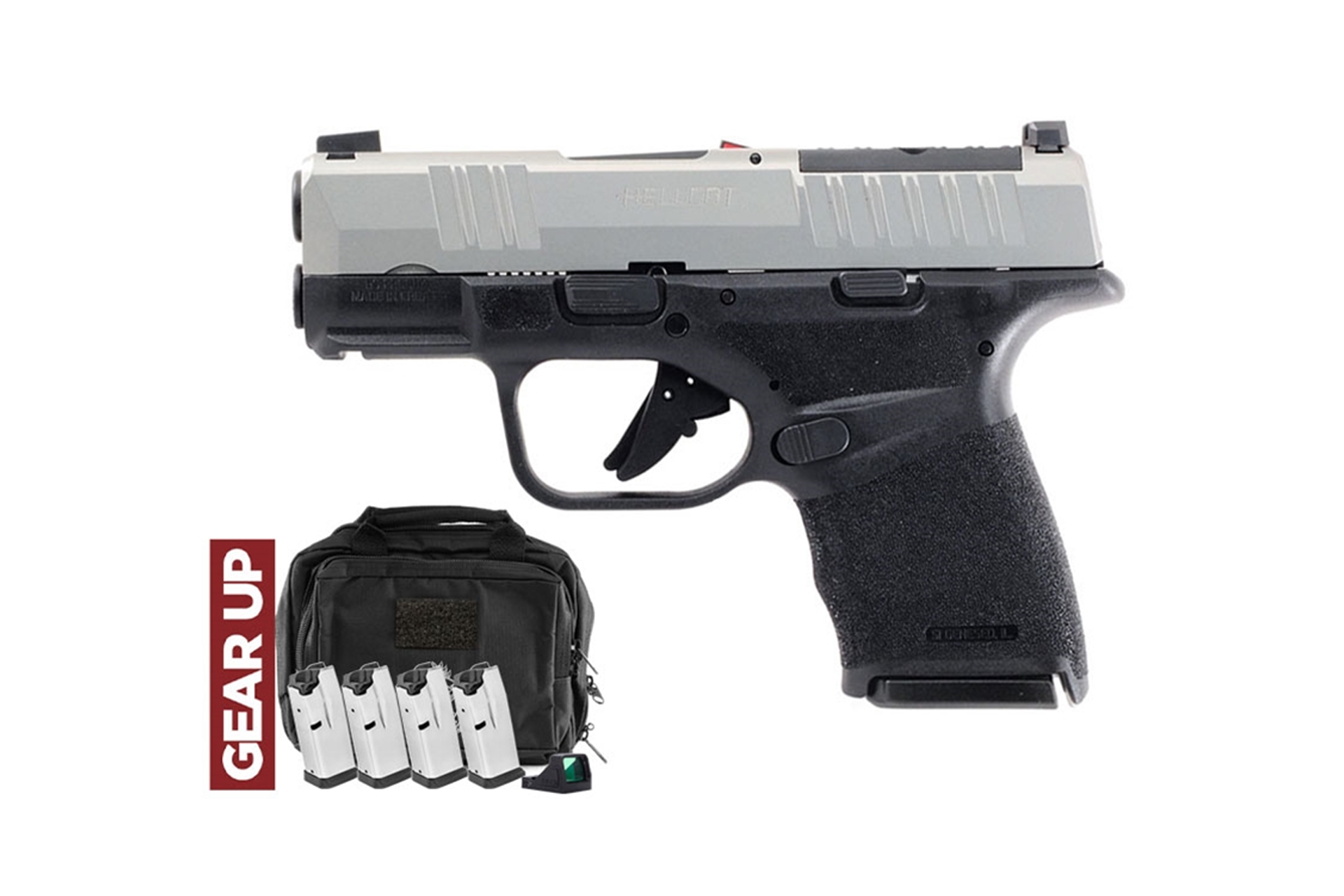
Incredible, reliable, handguns such as the Glock 17, Sig P365, and Springfield Hellcat, available through our dealership, deliver top performance without the awful complexities of unserialized builds. Then, if you want to customize, there are a lot of options to do so with accessories like optics, grips and lights.
Our experienced staff is ready to assist you in exploring roster-approved handguns or constructing a compliant AR, ensuring you sidestep the legal pitfalls of ghost guns. Whether you’re purchasing a roster handgun or assembling a custom rifle, Dirty Bird prioritizes compliance and quality. Visit us to browse california roster guns or begin your AR project, and let us keep you legal, safe, and prepared for the range.
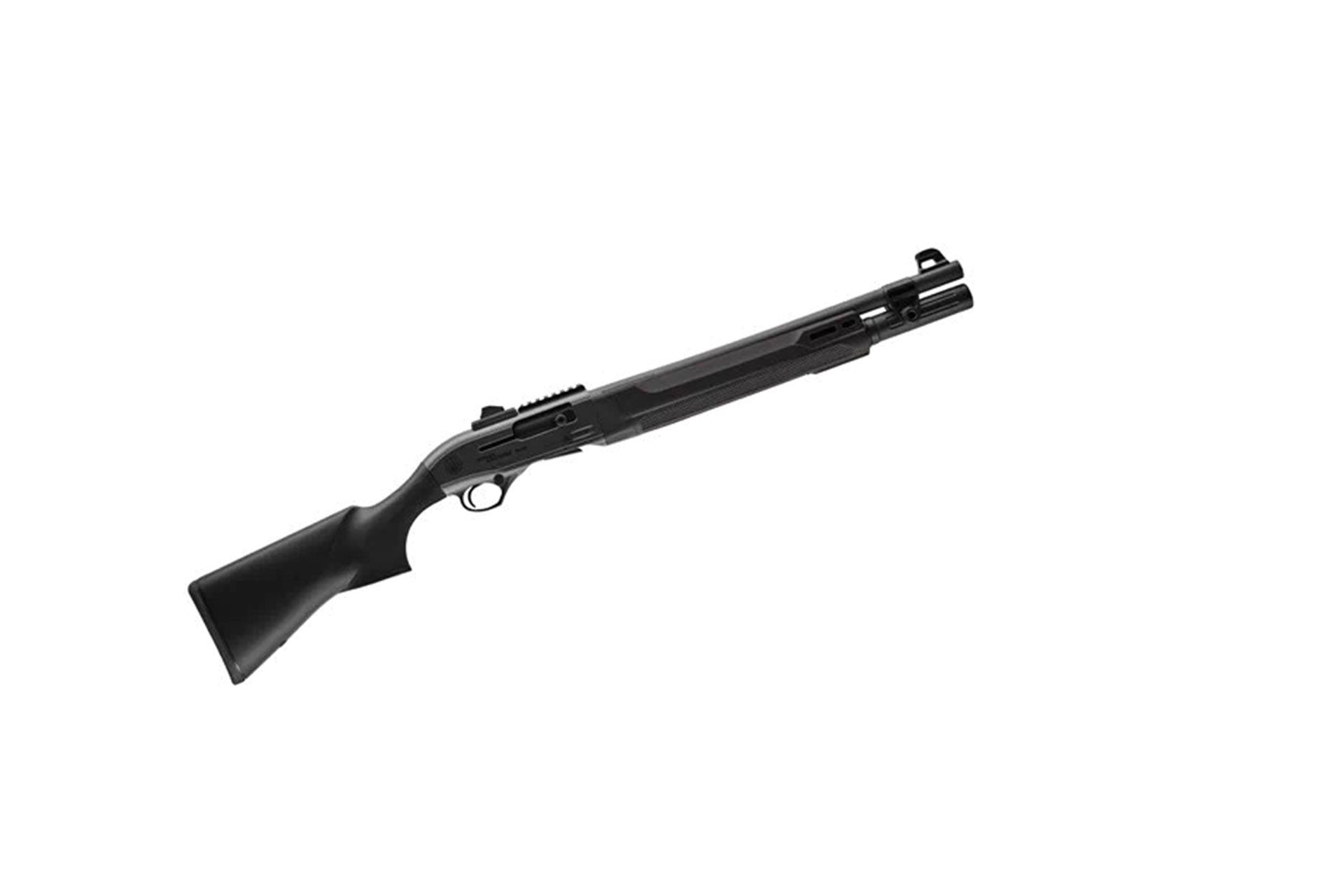
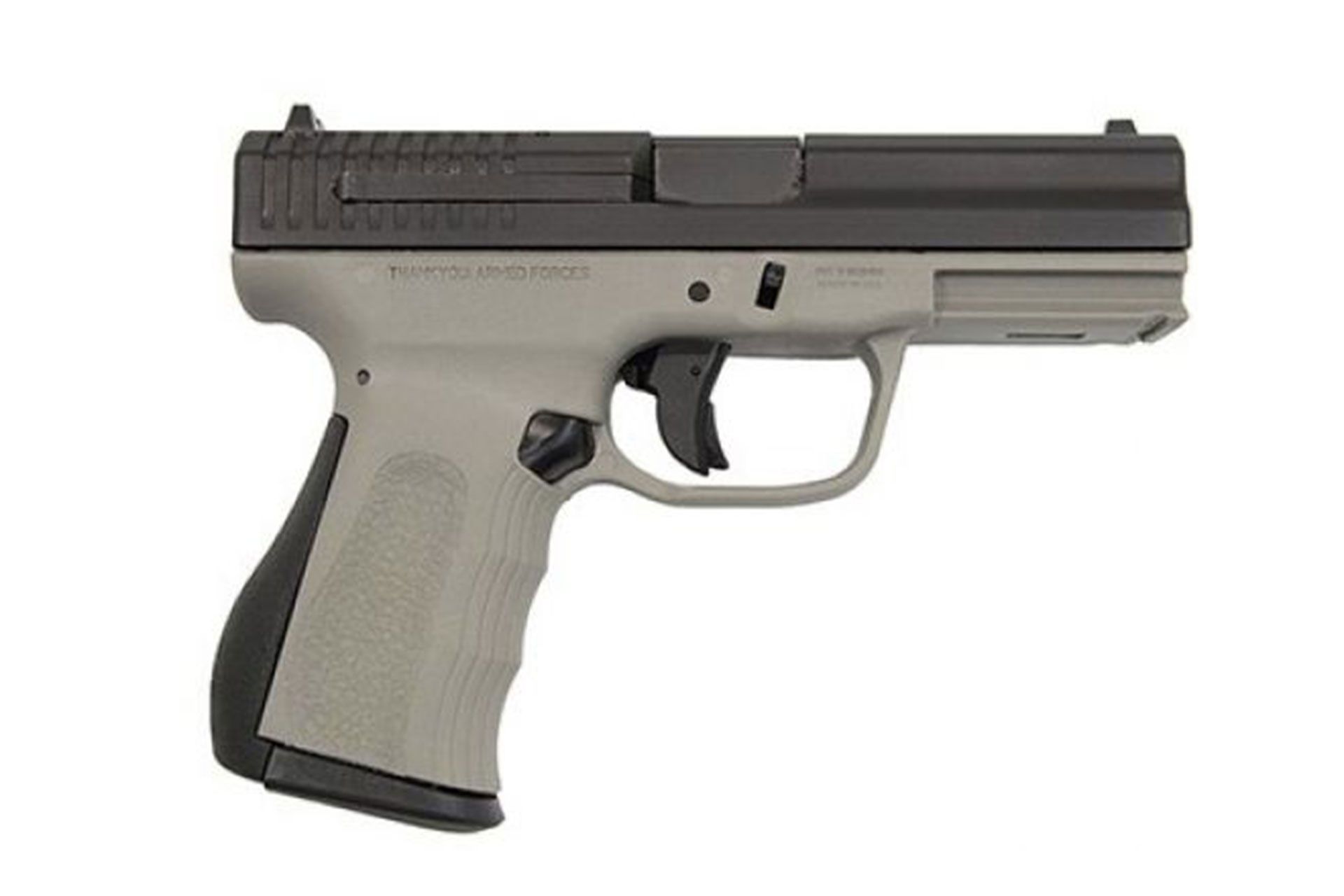
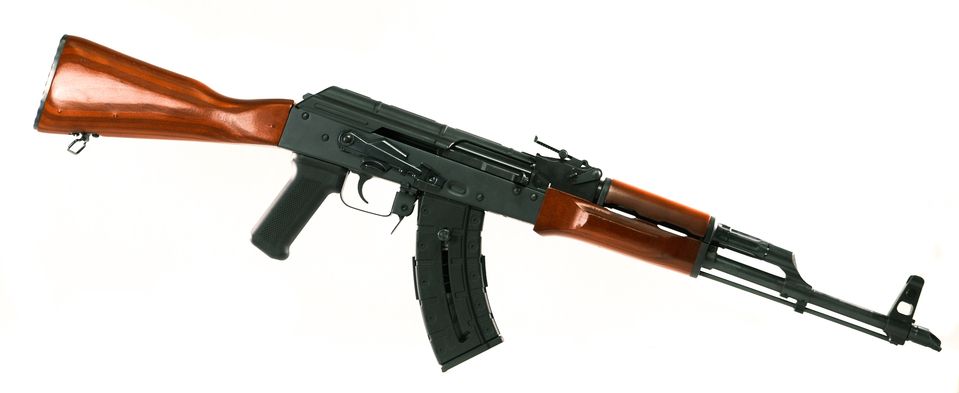
 CA Compliant
 CA Compliant
 CA Compliant
 CA Compliant
Wrapping It Up
California’s gun scene in 2025 is a balancing act. The Handgun Roster keeps your dealer purchases in check, while ghost gun laws make DIY builds a tightly controlled art. Whether you’re buying a roster-approved Sig or drilling out an 80% lower, the rules are strict but navigable. Following the law today means serializing your builds, following the law, and sticking with licensed dealers like Dirty Bird Guns & Ammo. We’ve got your back with compliant gear, California gun roster, and the know-how to keep you shooting straight. Got questions? Swing by or drop us a line.
Frequently Asked Questions (FAQ)
What is a ghost gun, and why is it named that?
A ghost gun is a firearm assembled from kits or partially finished components, such as 80% lowers, without a manufacturer’s serial number. The term “ghost” reflects its untraceable nature, complicating law enforcement efforts. These differ from roster-approved handguns, which require serialization at production.
Are ghost guns legal to own or build in California in 2025?
Owning or building ghost guns is permissible in California for personal use, provided strict compliance with state law. The California DOJ mandates serialization and registration of all homemade firearms under AB 1621 (2022). A 2022 ATF rule, upheld by the Supreme Court in 2024, classifies kits as firearms, requiring background checks and serial numbers.
What laws apply to 80% lowers and unfinished receivers in California?
Unfinished receivers and 80% lowers are regulated as firearms under California’s AB 1621. Purchases must occur through licensed dealers with background checks. Completed firearms require DOJ serialization and registration. Federal ATF regulations align, mandating dealer-serialized kits.
Do I need to serialize a ghost gun in California?
Yes, California law requires all firearms, including ghost guns, to have a unique serial number. Builders must apply for a serial number via the DOJ, involving a background check, as mandated by AB 857 (2016). Non-compliance is a felony.
How do California’s ghost gun laws differ from federal regulations in 2025?
California’s laws exceed federal requirements. The ATF’s 2022 rule, upheld in 2024, treats readily convertible kits as firearms, necessitating serial numbers. California’s AB 1621 adds mandatory dealer purchases for parts and DOJ registration, plus restrictions like 10-round magazine limits, absent federally.
Can I legally sell or transfer a ghost gun in California?
Selling or transferring a ghost gun requires DOJ serialization and registration. Transfers must occur through a licensed dealer with a background check and 10-day waiting period, limited to five private-party transfers annually. Unserialized transfers are felonious under AB 1621.
What are the penalties for possessing an unserialized or unregistered ghost gun?
Possessing an unserialized ghost gun violates Penal Code 29180, a felony punishable by up to seven years imprisonment and fines. Penalties escalate if used criminally. The DOJ and local law enforcement actively enforce these regulations.
Are there legal ways to build your own firearm in California in 2025?
Building a firearm is legal if purchased through a dealer, serialized, and registered with the DOJ. Firearms must comply with state restrictions, such as 10-round magazines and no threaded barrels for pistols, ensuring adherence to California’s stringent standards.
How do law enforcement agencies track or regulate ghost guns in the state?
The DOJ oversees serialization and registration, while local agencies conduct operations to seize unserialized firearms. Federal ATF collaboration aids tracking through dealer records, though unserialized guns remain challenging to trace, prompting rigorous enforcement.
What should I do if I already own an unfinished frame or receiver in California?
Owners of unfinished frames must serialize and register any completed firearm through a licensed dealer and DOJ application, including a background check. Alternatively, parts can be sold via a dealer or destroyed to avoid felony charges.