

 Dirty Bird Bakersfield
Used Guns, Used Guns Online
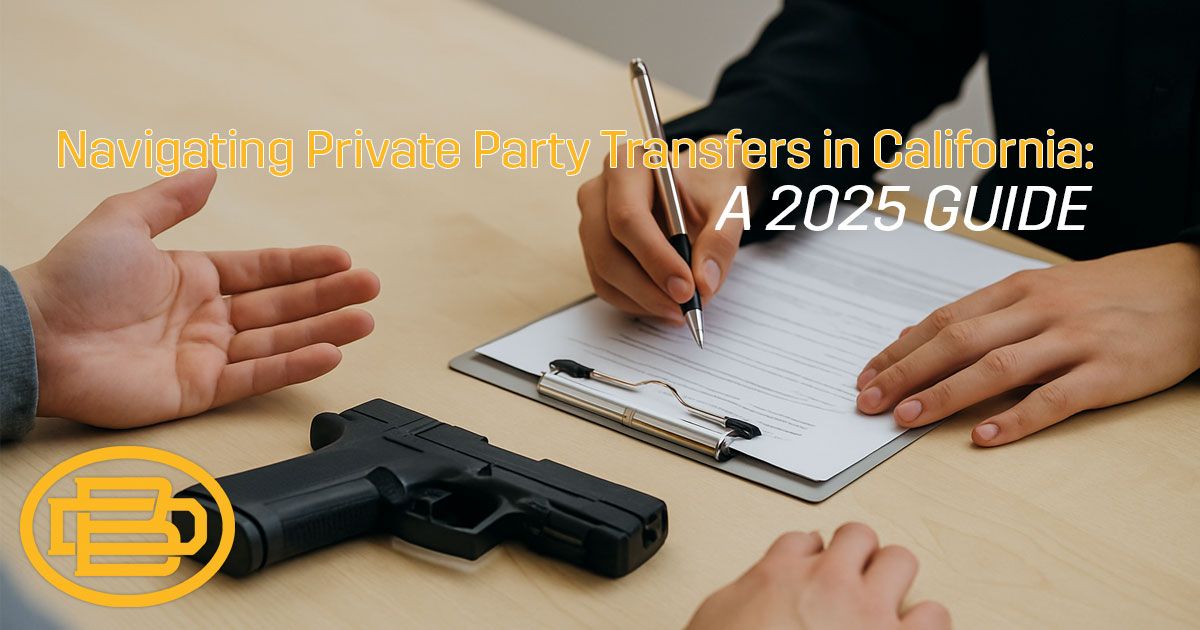
Navigating Private Party Transfers in California: A 2026 Guide
May
Table of Contents
Navigating Private Party Transfers in California: A 2026 Guide
California is one of the most heavily regulated states when it comes to firearms, and private party transfers (PPTs) are no exception. Whether you’re buying a handgun from a fellow gun owner or selling one within the state, understanding how PPTs work in 2025 is essential to avoid legal trouble and ensure a smooth transaction. These laws are complex and constantly evolving, which makes it even more critical for gun owners to stay informed. Failing to comply with even one step can lead to serious consequences, including fines or criminal charges.
In this guide, we’ll walk you through everything you need to know about navigating private firearm transfers legally, efficiently, and confidently.
What Is a Private Party Transfer (PPT)?
A Private Party Transfer (PPT) is the legal process by which one individual sells or transfers a firearm to another private party within California. Unlike purchases from dealers, a PPT involves two individuals who are not dealers. However, the transaction must still go through a licensed firearms dealer (FFL) to be legal. This ensures that background checks, waiting periods, and other state-mandated requirements are adequately followed. Both parties must appear in person at the dealer, and all necessary documentation must be submitted to initiate the process. Skipping these steps can lead to penalties and jeopardize your firearm ownership rights.
Even if you’re selling a firearm to a friend, neighbor, or co-worker, you must complete the transfer through a licensed FFL—no exceptions.
Key Requirements for PPTs in California (2026)
In 2025, California law continues to enforce strict requirements for private party firearm transfers:
- Both the Buyer and Seller Must Be Present: Transfers must occur in person at a licensed gun store or an FFL location.
- Valid California Identification: Both parties must present current, valid state-issued ID.
- Firearm Safety Certificate (FSC): The buyer is required to possess a valid Firearm Safety Certificate (FSC) at the time of purchase.
- Background Check: The buyer must complete a background check before taking possession.
- Mandatory Waiting Period: California enforces a 10-day waiting period for all firearms, even in private transfers.
- Transfer Fees: The state mandates a fee, and dealers may charge a small processing fee on top.
- Dealer Record of Sale (DROS): All PPTs must be logged through the DROS system to create a legal and documented paper trail.
These rules ensure every private transfer is closely monitored, protecting both the buyer and the seller. Missing or skipping any of these steps can delay the transaction or result in legal penalties. Staying informed and compliant helps ensure a safe and lawful transfer process.
No More 30-Day Limit: PPTs in 2026 Are Exempt from the “One Gun a Month” Rule
As of 2025, California no longer enforces the “one gun per 30 days” rule for Private Party Transfers (PPTs). A federal court injunction that took effect on August 15, 2024, struck down the state’s previous restriction, which limited the purchase of handguns and rifles to one per month.
This means individuals can now legally purchase or transfer multiple firearms through PPTs within the same 30-day period, without being restricted by the old limit. Whether you’re expanding your personal collection or conducting legal sales between individuals, this update opens more flexibility for gun owners and collectors across California.
However, other key regulations still apply:
- Background Checks: Every PPT still requires the buyer to pass a DOJ background check.
- 10-Day Waiting Period: The standard waiting period remains in effect for all transfers, even between private parties.
- Valid Identification and FSC: Both the buyer and seller must present valid California identification, and the buyer must also have a valid Firearm Safety Certificate (FSC).
- Use of a Licensed FFL: All PPTs must still be processed through a licensed firearms dealer.
- Federal Reporting Requirements: FFLs are still required to report multiple handgun sales to the ATF and law enforcement, even when processing PPTs.
Although the purchase limit has been lifted, compliance with both state and federal laws remains mandatory. Always double-check transfer procedures with your Federal Firearms Licensee (FFL) to ensure your transaction is conducted legally from start to finish.
This change is a significant win for lawful gun owners in California, giving you greater freedom to buy, sell, and transfer firearms—especially in private party transactions—without unnecessary delays or restrictions.
Step-by-Step: How to Complete a Private Party Transfer
Here’s a breakdown of what a typical PPT looks like from start to finish:
- Locate a Licensed FFL
You’ll need to meet at a gun shop or FFL dealer authorized to facilitate PPTs. Dirty Bird Guns & Ammo is happy to assist you with this process and ensure the book does everything. - Prepare Your Documents
- Seller: Bring a valid California ID and the unloaded firearm in a secure case.
- Buyer: Bring a valid California ID, a current Firearm Safety Certificate (FSC), and proof of California residency if required (such as a utility bill or vehicle registration).
- Fill Out the Paperwork
The dealer will initiate the DROS (Dealer Record of Sale) paperwork and begin the background check. Both parties must be present during this step, and accurate information is essential. - Wait 10 Days
California mandates a strict 10-day waiting period for all firearm transfers, regardless of how familiar or trustworthy both parties may be. - Complete the Pickup
Once the waiting period ends and the background check is cleared, the buyer can return to the dealer and take legal possession of the firearm. A final ID check may be performed at pickup for verification.
What Firearms Are Eligible for PPT?
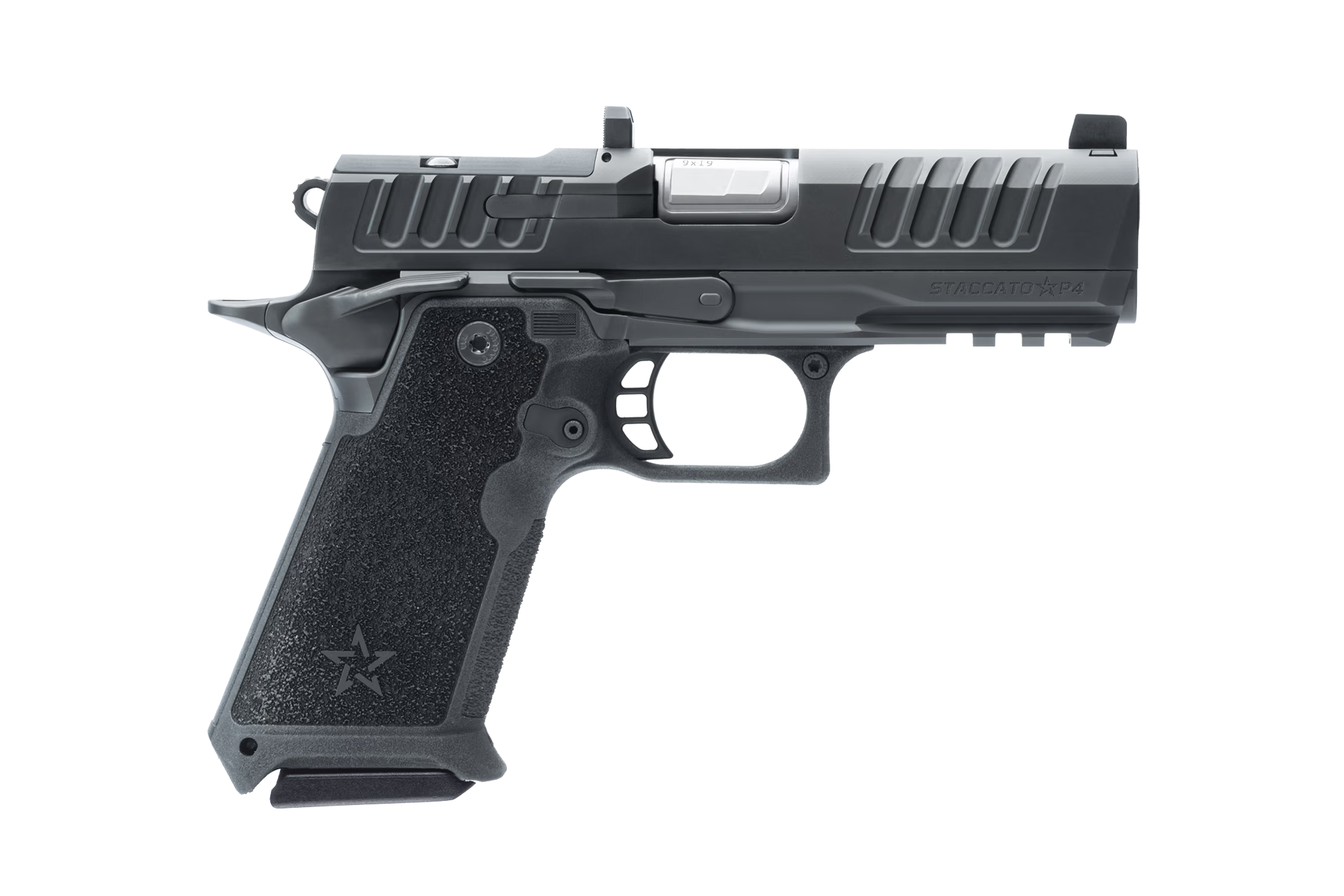
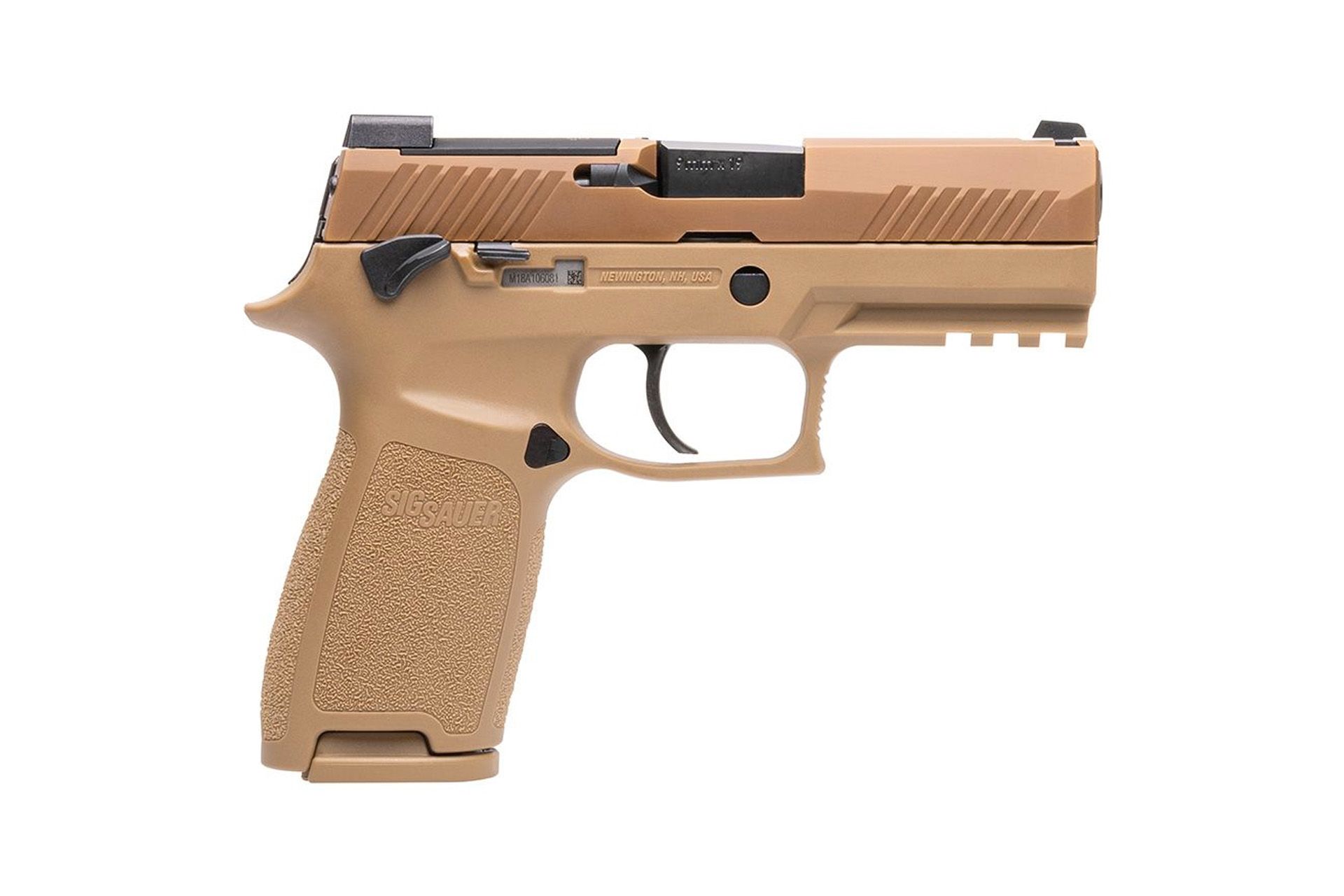
Unlike dealer transactions, PPTs are not restricted to the California handgun roster. This means that buyers can legally acquire off-roster handguns—models that may not be available in retail stores due to roster restrictions—through Private Party Transfers (PPTs).
This includes highly sought-after pistols, such as certain generations of Glocks, compact SIG Sauer models, and newer versions of other popular firearms. These firearms often feature upgraded triggers, optics-ready slides, or enhanced ergonomics, making them highly desirable among enthusiasts. However, both parties must reside in California, and the gun must not be banned by name or category under state assault weapon laws. Always double-check that the firearm complies with all applicable state restrictions before initiating the transfer.

Family Transfers and Exemptions
Not all transfers require a Private Party Transfer (PPT) through a dealer. Certain transfers between immediate family members—such as those from a parent to a child or a grandparent to a grandchild—may qualify for roster and FFL exemptions. These transactions still require an FSC and must be reported to the state, but they do not need to go through an FFL.
This exemption can simplify the process and reduce associated fees; however, it’s essential to follow the correct procedure. The firearm must be legally owned, the recipient must meet all applicable eligibility requirements, and the transfer must be documented appropriately. Always check your eligibility and ensure the relationship qualifies under state law before completing a transfer without dealer involvement.
Penalties for Skipping the PPT Process
Attempting to transfer a firearm without going through a licensed FFL can result in serious consequences:
- Criminal Charges (misdemeanor or felony, depending on circumstances)
- Loss of Gun Ownership Rights
- Heavy Fines
- Jail Time
California does not take shortcuts lightly when it comes to firearm sales. Unauthorized transfers not only violate state law but also pose a risk to public safety. Even if both parties are law-abiding citizens, bypassing the legal process can lead to permanent repercussions. If in doubt, always conduct transfers through an authorized dealer to protect yourself and stay compliant.
Expert Advice: How to Stay Compliant & Smart with PPTs
We asked several California-based firearms trainers and legal consultants for their top tips on completing legal and stress-free PPTs in 2025. Whether you’re a first-time buyer or a seasoned collector, these insights can help you avoid common mistakes and stay fully compliant.
- Use PPTs to Get Off-Roster Handguns
“If you’re trying to get your hands on a handgun that’s not on the roster—like a newer Glock or Sig—your only legal route is to find someone in-state and do a PPT,” says one compliance consultant. “These guns hold value and are legal to own this way.” Private party transfers remain the best way to access these highly desired models within California law. - Plan Your Purchases Around the 30-Day Rule.
“Don’t get caught planning back-to-back gun buys,” advises a firearms instructor. “Once you complete a PPT, the clock starts. You’re locked out from making another purchase—dealer or private—for a full 30 days.” Missing this detail can delay your build or cause unexpected issues. - Know Your Local FFL’s Policies
“Every FFL is a little different,” notes an experienced range officer. “Some charge a flat fee, others require appointments. Always call ahead and ask what they need from both buyer and seller.” Being prepared saves time, avoids surprises, and ensures you meet all requirements. - Keep a Record of Your Transfers
“Even though the state records everything, I always suggest keeping a copy of the DROS and any other paperwork for your records,” says a legal consultant. “It can protect you if questions ever come up.” Maintaining personal documentation provides peace of mind and a helpful reference for future transfers.
Taking these expert recommendations to heart can make a big difference in your transfer experience. Be proactive, stay informed, and always follow the legal process from start to finish.
Frequently Asked Questions (FAQ)
Do I need to go through a dealer for a Private Party Transfer in California?
Yes. All Private Party Transfers (PPTs) in California must be completed through a licensed firearms dealer (FFL), regardless of the relationship between the buyer and seller.
Can I legally transfer a firearm to a friend or coworker?
Yes, but you must complete the transfer at a Federal Firearms License (FFL) dealer. Both parties must appear in person with valid California IDs, and the buyer must have a Firearm Safety Certificate (FSC).
Are off-roster handguns legal to purchase through PPTs?
Yes. PPTs are exempt from the California handgun roster restrictions, meaning off-roster handguns can be legally acquired if both parties are California residents and the firearm is not banned by name or configuration.
Is there a limit to the number of PPTs I can create in a month?
As of 2025, the “one gun every 30 days” rule no longer applies to PPTs due to a federal court injunction. You may legally complete multiple PPTs within the same 30-day period.
What documents are required for a PPT?
Both the buyer and seller must present valid California driver’s licenses or identification. The buyer must also provide a current Firearm Safety Certificate (FSC). Proof of residency (e.g., a utility bill) may be required for handgun ownership.
How long is the waiting period for PPTs?
California enforces a 10-day waiting period for all firearm transfers, including private party transfers (PPTs). The buyer can take possession only after this period has elapsed and the background check is cleared.
How much does a PPT cost?
The state-mandated Dealer Record of Sale (DROS) fee is $47.19, and most dealers charge an additional $10.00 processing fee. Please check with your local FFL for specific pricing information.
Can I transfer a firearm to a family member without a Federal Firearms License (FFL)?
Yes, in some cases. Immediate family transfers (e.g., parent to child or grandparent to grandchild) may be exempt from the FFL requirement. However, they must still be reported to the DOJ and follow legal guidelines, including the FSC requirement.
What happens if I skip the PPT process?
Failing to complete a PPT through an FFL can result in misdemeanor or felony charges, heavy fines, and permanent loss of firearm ownership rights in California.
Where can I complete a legal PPT?
You can complete a PPT at any licensed firearms dealer (FFL) that offers the service. Dirty Bird Guns & Ammo in Bakersfield is an excellent option for a legal, efficient transfer experience.
Final Thoughts: Know the Rules, Enjoy the Rights
Private Party Transfers in California are a legal, powerful tool for buying and selling firearms, especially handguns that aren’t available through traditional retailers. While the process is detailed and subject to change, it’s entirely manageable when done correctly.
If you’re considering a firearm purchase through PPT, always verify that both parties are eligible, follow the correct procedures, and go through a trusted Federal Firearms License (FFL) dealer, such as Dirty Bird Guns & Ammo. Requires diligence and adherence to state laws. By following the outlined steps and staying informed about legislative changes, you can ensure that your firearm transactions are legal and secure.
For additional resources, www.ar15discounts.com