

 Dirty Bird Bakersfield
Dirty Bird Industries, Handguns, Pistols, Rifle, Used Guns
Navigating Firearm Purchases at Your Local Gun Store
Dec
Table of Contents
Congratulations on deciding to purchase a firearm! This is an important step toward responsible ownership, whether for protection, hunting, or sport. We know the process can feel intimidating at first, especially with varying laws across states. At Dirty Bird Guns & Ammo, a trusted gun store serving enthusiasts nationwide, we’re here to provide general guidance to help you make informed, legal choices. This is not a comprehensive guide, nor is it legal advice. Laws change frequently, and it’s your responsibility to verify current rules with official sources, local authorities, or your gun store. Always research independently and comply fully.
At the federal level, all purchases from licensed dealers require you to fill out ATF Form 4473 and pass a NICS background check. This confirms you are not a prohibited person (for example, due to felonies, certain domestic orders, mental health adjudications, or unlawful drug use). The form asks for basic personal information such as your name, address, date of birth, height, weight, race, and citizenship status. It also has yes/no questions about your eligibility. Examples include whether you have been convicted of a felony, are under indictment, use marijuana (even in legal states), or have been dishonorably discharged from the military. One key question asks if you are the actual buyer of the firearm. Answering “yes” when you are buying for someone else (a straw purchase) is a serious federal felony with severe penalties. Always answer truthfully. Lying on Form 4473 is a crime. The background check is usually quick, but delays can occur. Private sales may not require this process federally, though some states mandate it anyway.
General Gun Store Purchasing Advice
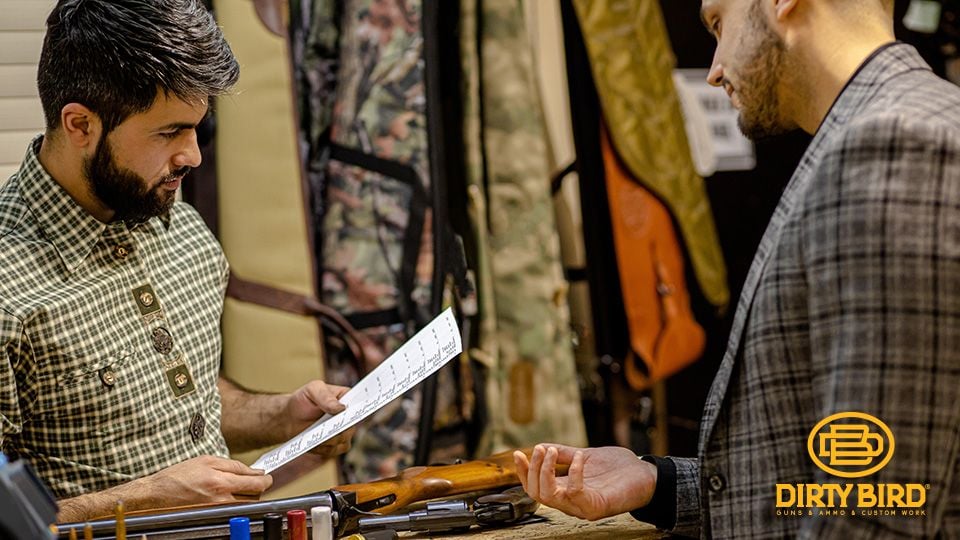
Research what you want ahead of time. Know the exact model and features. If allowed in your state, try the gun before buying; many ranges offer rentals, which is a great way to test fit, feel, and function. Call your gun store to check stock or ordering options, as availability varies.
Buying a Used Gun at a Gun Store: What to Be Aware Of
Used firearms can be excellent value, but they require extra caution, both mechanically and in the moment of purchase. Always inspect thoroughly: Check the exterior for excessive wear, rust, or damage. Examine the bore for pitting or fouling. Cycle the action to ensure smooth operation. If possible, dry-fire (with permission) or function-test at a range. Ask about the gun’s history, including round count and any repairs. Consider having a gunsmith evaluate it.
It is also important to be mindful of in-store pressure when looking at used firearms. It can be easy to be talked into something you did not originally plan to buy simply because it is framed as a good deal or a way to save a few dollars. Before stepping up to the gun store counter, know what you actually want and what you are willing to compromise on. A lower price is rarely worth ending up with a firearm that does not fit your intended use or feels like a concession you will regret later.

Take your time and do not let urgency, comments about other interested buyers, or bundled accessories rush your decision. Be cautious of upgrades or aftermarket parts being used to justify a purchase. Accessories do not always add meaningful value and can sometimes mask hard use or poor modifications. Focus on the condition and function of the firearm itself first. If something does not feel right, it is always acceptable to walk away.
Used buys still require the full background check at a gun store, and in restrictive states, they must comply with all bans or limits.
Waiting periods (mandatory delays after approval) and permits to purchase add time and hurdles in restrictive states. Many also ban or limit “assault weapons” (often semi-automatic rifles like AR-15s) and high-capacity magazines (typically over 10 rounds).
Below, we cover states with major restrictions like permits to purchase, waiting periods, assault weapon bans, or magazine limits. These stand out from more standard processes.
California
California has some of the strictest rules. All firearm purchases require a 10-day waiting period after background check approval, even if it clears instantly. You need to pass a safe handling demonstration at the gun store. Assault weapons are banned (with strict feature definitions), and magazines over 10 rounds are prohibited. No private sales without a dealer transfer and check. Research models carefully, as many common rifles and handguns may not comply. Call ahead for stock; used guns must meet the same rules. Verify everything, as local laws can add more.
New York
New York requires a permit for handguns, with background checks, references, and possible interviews (process can take months). Long guns have fewer hurdles but still need checks. Assault weapons are banned, and magazines over 10 rounds are illegal. Some counties add extra restrictions. No statewide waiting period, though permitting creates delays. Know exactly what fits legal definitions before visiting a gun store. For used firearms, ensure compliance with bans. Always confirm availability by phone.
New Jersey
New Jersey mandates a permit to purchase handguns (one per gun, with fingerprints and approval, often 30+ days), creating an effective waiting period. Rifles and shotguns need ID but no permit. Assault weapons are banned, magazines limited to 10 rounds. Background checks required for all dealer sales. Research thoroughly; many popular models are restricted. Call your gun store to see if they can order compliant options. Inspect used guns for banned features.
Massachusetts
Massachusetts requires a license to purchase any firearm (Firearms Identification Card for long guns/ammo, License to Carry for handguns), involving training, fingerprints, and approval (can take weeks/months). Assault weapons are banned, magazines over 10 rounds prohibited (with pre-ban exceptions). No statewide waiting period beyond licensing delays. Decide on specifics upfront. Used transfers go through dealers with checks. Phone ahead for in-stock items.
Connecticut
Connecticut demands a permit or eligibility certificate to buy handguns or long guns, plus ammo certificates. Process includes training and background checks. Assault weapons are banned (registration for pre-existing), magazines over 10 rounds restricted. Background checks universal. No mandatory waiting period, though permitting can cause delays. Major hurdles common via the process. Research compliant firearms. Call gun stores early; used guns need careful inspection for registration status.
Hawaii
Hawaii requires a permit to acquire any firearm, with registration, fingerprints, and a minimum 14-day waiting period (often longer) for permit approval. Assault pistols are banned, and magazines are limited to 10 rounds for handguns (no statewide limit for rifles or shotguns). All transfers registered with police. Thorough pre-research essential, as options are limited. Confirm stock by calling your gun store.
Illinois
Illinois needs a Firearm Owners Identification (FOID) card for all purchases/ammo, with potential delays up to months for approval. There is a 72-hour waiting period for all firearms. Assault weapons are banned statewide, high-capacity magazines prohibited (over 10 rounds for long guns, 15 for handguns). Universal checks. Know requirements before shopping. Used guns require FOID and transfer checks.
Maryland
Maryland requires a Handgun Qualification License for handguns (training, fingerprints), plus a 7-day wait for handguns. Assault weapons are banned, magazines over 10 rounds prohibited. Long guns simpler but checked. Call ahead; research banned lists.
Washington
Washington has a 10-day waiting period for semi-automatic rifles. Assault weapons are banned (sale/manufacture/import prohibited since 2023), magazines over 10 rounds prohibited. A new permit-to-purchase requirement for all firearms takes effect in 2027 (involving training and background). Verify current status.
Colorado
Colorado has a 3-day waiting period for all firearm purchases. Magazines limited to 15 rounds, and certain semi-automatic firearms with detachable magazines face major restrictions starting in 2026 (requiring training/permit or fixed magazine). Universal checks. Research carefully.
Final Thoughts on Gun Store Purchasing
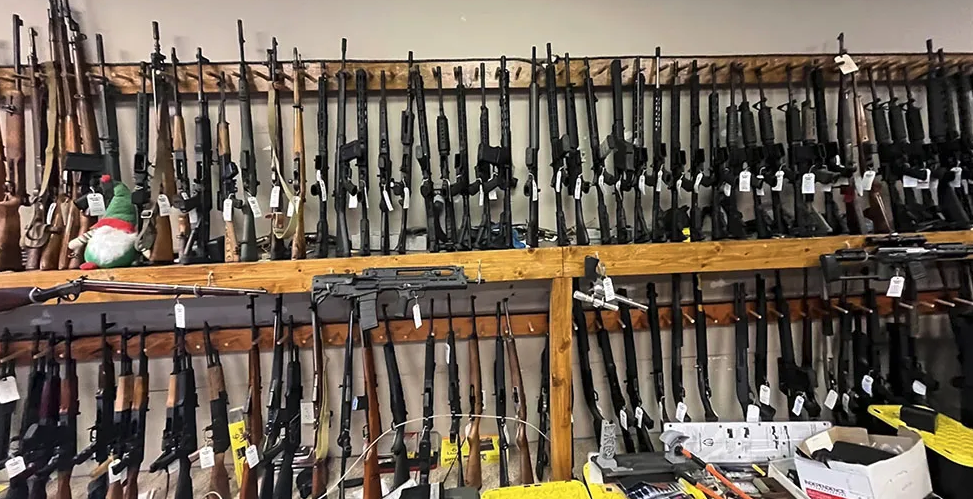
While most states offer a simpler purchasing process with just a background check and same-day pickup possible, the states highlighted here present significant additional steps to ensure compliance and safety. Remember, responsible ownership starts with knowledge: Always prioritize secure storage (use a safe or lock to prevent unauthorized access), and consider taking ongoing training classes beyond the minimum required. Finally, plan for proper maintenance and cleaning of your firearm to keep it reliable and safe.
At Dirty Bird Guns & Ammo, we’re committed to supporting safe, legal gun ownership. Stay informed, stay safe, and enjoy your new firearm responsibly.
Want to shop in person? Our storefront location is listed below.
Hours of Operation
- Monday – Saturday 10:00 AM – 7:00 PM
- Sunday 9:00 AM – 5:00 PM
Address
2420 Mohawk St #700, Bakersfield, CA 93308
Contact Us
Email: [email protected]
Phone: (661) 387-5200