

 Dirty Bird Bakersfield
AR-15, California Compliant, Rifle
Common Mistakes That Make a California Compliant Rifle Non-Compliant
Jul
Table of Contents
California gun owners face some of the toughest firearm regulations in the country. Building or modifying a semi-automatic centerfire rifle like an AR-15 to stay legal requires careful attention to detail. A single overlooked part or modification can turn a California compliant rifle into an illegal “assault weapon.” At Dirty Bird Guns and Ammo, we see these issues come up often with customers who want reliable rifles for range use or home defense. Understanding the common pitfalls helps avoid expensive mistakes and potential legal trouble.

TL;DR- Too Long Didn’t Read
California gun laws present significant challenges for AR-15 builders. Understanding the strict compliance paths is crucial to avoid illegal configurations. Ensuring careful adherence to regulations can help gun owners avoid legal issues.
- Two paths for compliance: featureless builds remove all banned features, while fixed-magazine setups lock the magazine in place.
- Common pitfalls include incorrect grip, stock, and muzzle device modifications.
- California Penal Code Section 30515 heavily regulates AR-15 features.
- Featureless configurations allow standard magazine use; fixed-magazine builds permit traditional grips but limit reload speed.
- Regular training and compliance checks are essential for maintaining legal status.
California law defines assault weapons in part through specific features on semi-automatic centerfire rifles under Penal Code Section 30515. The key statute focuses on combinations that include a detachable magazine paired with any prohibited characteristic. Builders wanting a California compliant rifle generally follow one of two main paths: featureless configurations that remove all banned features while keeping standard magazine changes, or fixed-magazine setups that lock the magazine in place to allow traditional features like a pistol grip and adjustable stock. Both approaches for a California compliant rifle work when done correctly, but errors in execution happen easily.
Misunderstanding the Two California Compliant Rifle Paths
Many owners start with confusion about featureless versus fixed-magazine builds. A featureless California compliant rifle eliminates every prohibited feature listed under Penal Code Section 30515 so it can use a standard detachable magazine with a normal magazine release. The six prohibited features are a pistol grip that protrudes conspicuously beneath the action, a thumbhole stock, a folding or telescoping stock, a flash suppressor, a forward pistol grip, and a grenade or flare launcher. Remove all six and the rifle is featureless. Reloads stay fast and familiar, which many prefer for training or defensive scenarios.
Fixed-magazine California compliant rifles keep standard pistol grips, adjustable stocks, and other traditional ergonomics but require a magazine that cannot come out without disassembling the action, specifically by separating the upper and lower receivers. Devices like certain mag locks achieve this. The trade-off is significantly slower reloads, which demand dedicated practice to manage under stress. Mixing elements from both paths without achieving full compliance in either direction is a frequent error that lands rifles in the illegal category.
Grip Modifications That Fall Short on a California Compliant Rifle
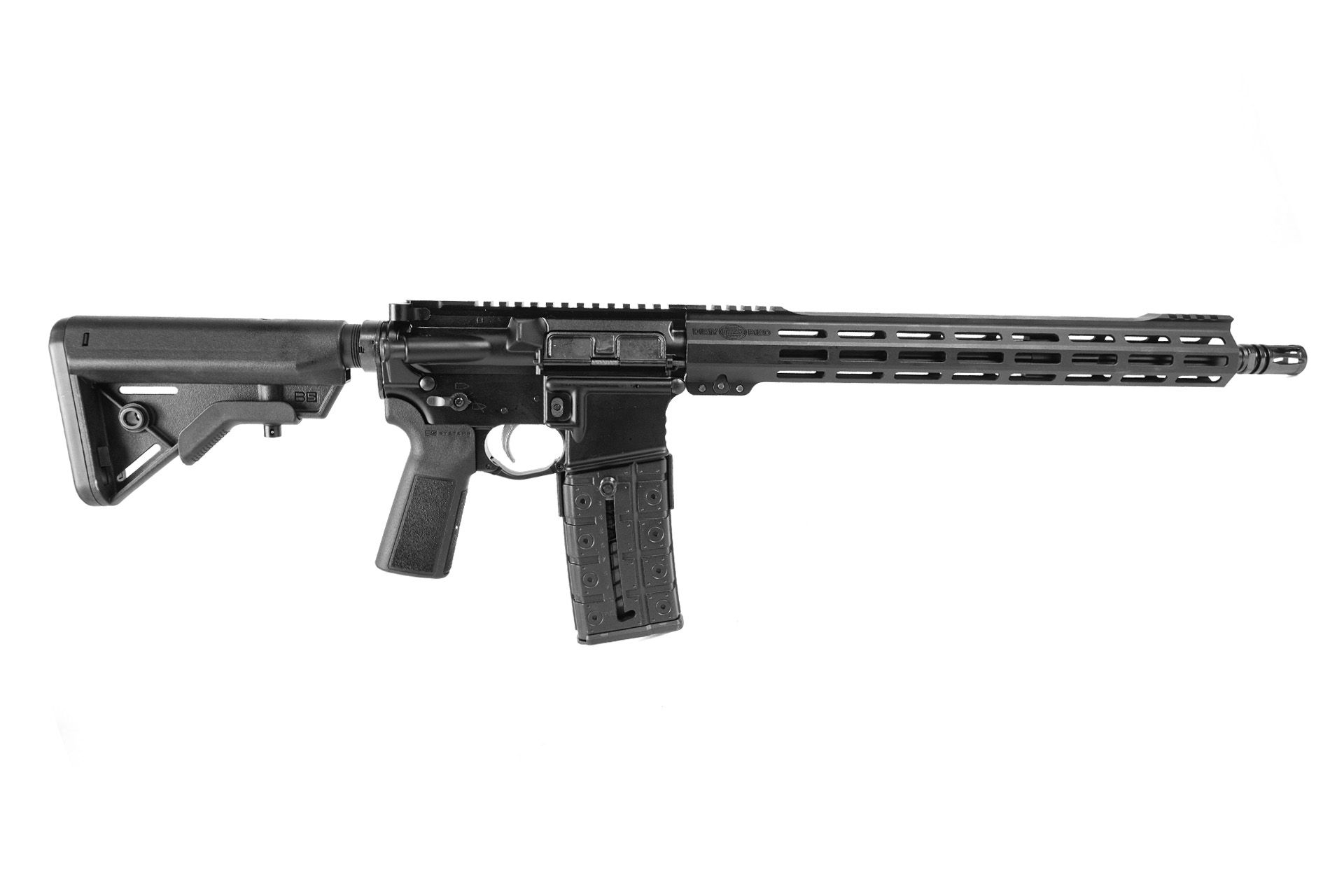
The pistol grip stands out as one of the most common problem areas on a California compliant rifle. California statute defines a prohibited pistol grip as one that protrudes conspicuously beneath the action of the weapon. In practice, DOJ guidance clarifies this means a grip where the web of the trigger hand sits below the top of the exposed trigger during firing, enabling a pistol-style grasp.
Simple fin grips or Kydex wraps aim to prevent thumb wrap, but some designs still allow a full pistol-style grasp on the grip. Purpose-built featureless grips that keep the hand positioned correctly work better, yet owners sometimes choose options that do not fully block the prohibited hold. It is also worth noting that 2026 brought tighter scrutiny of fin grip designs, with some previously popular options facing questions about whether they sufficiently prevent a pistol-style grasp under the current standard. When in doubt, choose a grip for your California compliant rifle with a more pronounced separation and verify against current DOJ guidance rather than relying on older reviews or forum recommendations.
Stock Modifications That Fail Compliance on a California Compliant Rifle
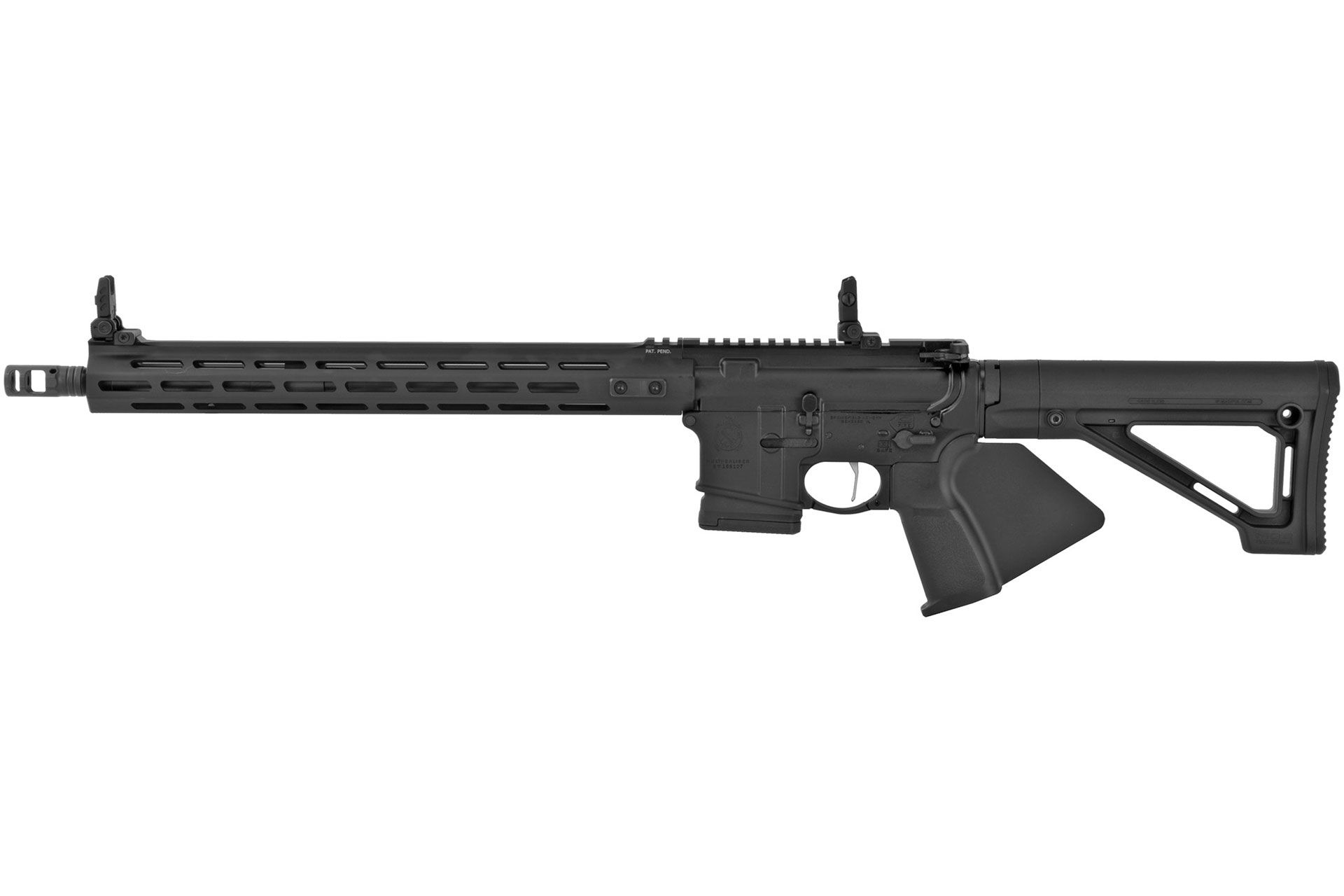
Stocks create similar issues on a California compliant rifle. Telescoping or folding stocks remain banned on featureless builds. Pinning a stock in place or choosing a fixed model is necessary, but weak pins or incomplete modifications can fail inspection. The pin must genuinely prevent adjustment under any circumstances, not simply make it difficult.
Fixed-magazine California compliant rifles allow adjustable stocks because the magazine is locked rather than detachable. Attempting to combine an adjustable stock with a detachable magazine without a proper locking device violates the law regardless of what other features the rifle does or does not have.
Muzzle Device Problems
Flash suppressors disqualify featureless rifles. Many builders correctly swap to muzzle brakes or compensators, but some select devices marketed with any flash-hiding capability or that function in that way. Both the labeling and the actual performance of the device matter under California law. If a manufacturer describes a muzzle device as reducing, hiding, or suppressing flash in any way, treat it as a flash suppressor and avoid it on a featureless build. Muzzle brakes and compensators that make no flash-hiding claim are generally acceptable. When in doubt, check current DOJ guidance rather than relying on product marketing language.
Forward Grips and Accessory Additions
Forward vertical grips count as prohibited features on featureless builds. Angled foregrips or hand stops are generally acceptable alternatives because they do not enable a full pistol-style grasp ahead of the trigger. However, some angled designs sit too vertically and cross into prohibited territory. The practical test is whether the device allows a pistol-style grasp forward of the trigger. Adding accessories without verifying their impact on the overall configuration is a reliable path to non-compliance. Always check current DOJ guidance on any accessory before installing it on a featureless rifle.
Magazine and Capacity Violations
All semi-automatic centerfire rifles in California must use magazines holding no more than 10 rounds. This limit for a California compliant rifle applies regardless of whether the rifle is featureless or fixed-magazine. Using or possessing larger capacity magazines with a compliant rifle setup invalidates the configuration. Fixed-magazine California compliant rifles must also respect the 10-round limit. Older bullet-button systems have not qualified as fixed magazines for years and should not be treated as a compliant path for new builds.
Overall Length and Measurement Errors
Semi-automatic centerfire rifles must measure at least 30 inches in overall length in their shortest firing configuration. Shorter builds, including some bullpups, require permanent extensions like pinned and welded muzzle devices to reach this threshold. Incorrect measurements or failure to account for the shortest possible configuration turn otherwise compliant builds illegal. Always measure with the stock at its shortest position and the muzzle device included as part of the overall length calculation.
Relying on Outdated Information or Poor Installation
Forum advice from years ago or assuming older compliance strategies still work causes ongoing problems. Laws and DOJ interpretations evolve. Current guidance from the California Department of Justice, specifically California Penal Code Section 30515 and the DOJ’s assault weapon identification guide, should be the reference point rather than older build guides or forum posts.
Improper installation of compliance parts creates equal risk. Mag locks that can be defeated without disassembling the action, grips that loosen over time and allow a prohibited hold, or pins that are insufficiently secured can all turn a compliant rifle into a non-compliant one through wear or improper installation. Professional installation and thorough verification before taking a rifle to the range prevent these problems.
Staying Compliant With Confidence
At Dirty Bird Guns and Ammo, we help customers select and build rCalifornia compliant rifles that meet all current requirements. Featureless options offer fast reloads and simplicity for most range and training setups. Fixed-magazine configurations preserve traditional AR ergonomics for those willing to adapt their reload technique. Quality parts, accurate measurements, and thorough compliance checks make the difference between a rifle that is ready to use and one that creates serious legal liability.
Building or owning a California compliant rifle does not have to feel overwhelming. By focusing on accurate, current information, verified parts, and complete configurations, a reliable and legal firearm is well within reach. Visit us in Bakersfield or explore our selection online to find options that fit your needs. Train regularly, maintain your equipment, and stay current with California DOJ guidance to keep your rifle fully legal in the Golden State.
This article is for informational purposes only and does not constitute legal advice. California firearm laws and DOJ interpretations change frequently. Always verify current requirements with the California Department of Justice or a qualified attorney before building, modifying, or purchasing a California compliant rifle.
What is a Featureless AR-15 in California?
A featureless AR is a California-compliant rifle that avoids assault weapon classification by removing or modifying all prohibited features. This design allows a standard detachable magazine while keeping the rifle fully legal for ownership and use in the state.
What Makes an AR-15 “Featureless” Under California Law?
A featureless AR eliminates every banned characteristic listed in Penal Code section 30515. This includes using a fin-style pistol grip that prevents thumb wrap, pinning the stock in a fixed position, replacing any flash hider with a muzzle brake or compensator, and avoiding forward vertical grips. The rifle must also meet the thirty-inch overall length requirement in its shortest firing configuration. Because no prohibited features are present, the featureless AR keeps a normal magazine release.
Is a Featureless AR Better Than a Fixed Magazine AR in California?
It depends on your needs. A featureless AR excels for home defense and fast reloads thanks to its standard magazine release. A fixed-magazine AR offers better ergonomics with a traditional pistol grip and adjustable stock but requires slower reloads that involve opening the action. Many California shooters prefer the featureless AR for defensive use where speed and familiarity matter most.
What Features Are Not Allowed on a Featureless AR-15?
Prohibited features on a featureless AR include a protruding pistol grip, thumbhole stock, folding or telescoping stock, flash suppressor, and forward pistol grip. Builders modify or remove these entirely to maintain compliance while allowing a detachable magazine.
Can a Featureless AR-15 Have a Detachable Magazine?
Yes. The featureless AR design specifically permits a standard detachable magazine because it contains none of the banned features that would trigger assault weapon status when paired with a detachable magazine.
What Is a Fixed Magazine AR-15 in California?
A fixed magazine AR locks the ten-round magazine in place so it cannot be removed without disassembling the action, usually by separating the upper and lower receivers. This configuration allows traditional features like a standard pistol grip and adjustable stock while remaining compliant.
Which Is Easier to Use: Featureless or Fixed Mag AR-15?
Most shooters find the featureless AR easier for quick reloads and intuitive operation, especially under stress. The fixed mag version feels more ergonomic for extended range sessions but requires more training to master the slower reload process. The featureless AR generally wins for defensive scenarios due to its familiar controls.
Are Featureless AR-15s Legal in California in 2026?
Yes. Featureless AR configurations remain fully legal in 2026 as long as they strictly avoid all prohibited features. California’s core assault weapon rules have stayed consistent, making the featureless AR a reliable choice for compliant ownership.
What Are the Pros and Cons of a Featureless AR-15?
Pros include fast magazine changes, compatibility with pre-ban standard-capacity magazines, simpler malfunction clearances, and strong suitability for home defense. Cons involve a modified grip and fixed stock that may feel less comfortable initially, though most owners adapt quickly with practice. Compared to fixed-magazine models, the featureless AR prioritizes speed over traditional ergonomics.
Do Featureless Rifles Affect Accuracy or Performance?
No. A quality featureless rifle delivers the same mechanical accuracy and reliability as any other well-built AR-15. Barrel quality, gas system, bolt carrier group, and trigger determine performance, not the compliance modifications. The featureless AR shoots just as effectively at defensive distances once you train with the grip and stock.