

 Dirty Bird Bakersfield
Rifle
How to Build a Practical Rifle in 2026: The Complete No-Nonsense Guide
Jun
Table of Contents
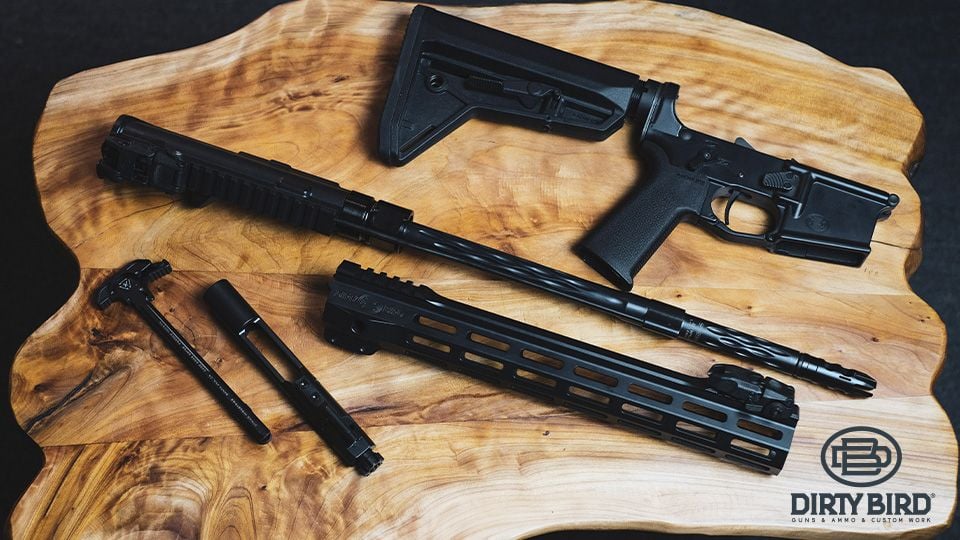
A practical Rifle should do real work without getting weighed down by unnecessary parts. In 2026, many shooters want one setup that can handle range training, home defense, general preparedness, and field use without feeling overbuilt or under-equipped. That is where a practical AR-15 makes sense.
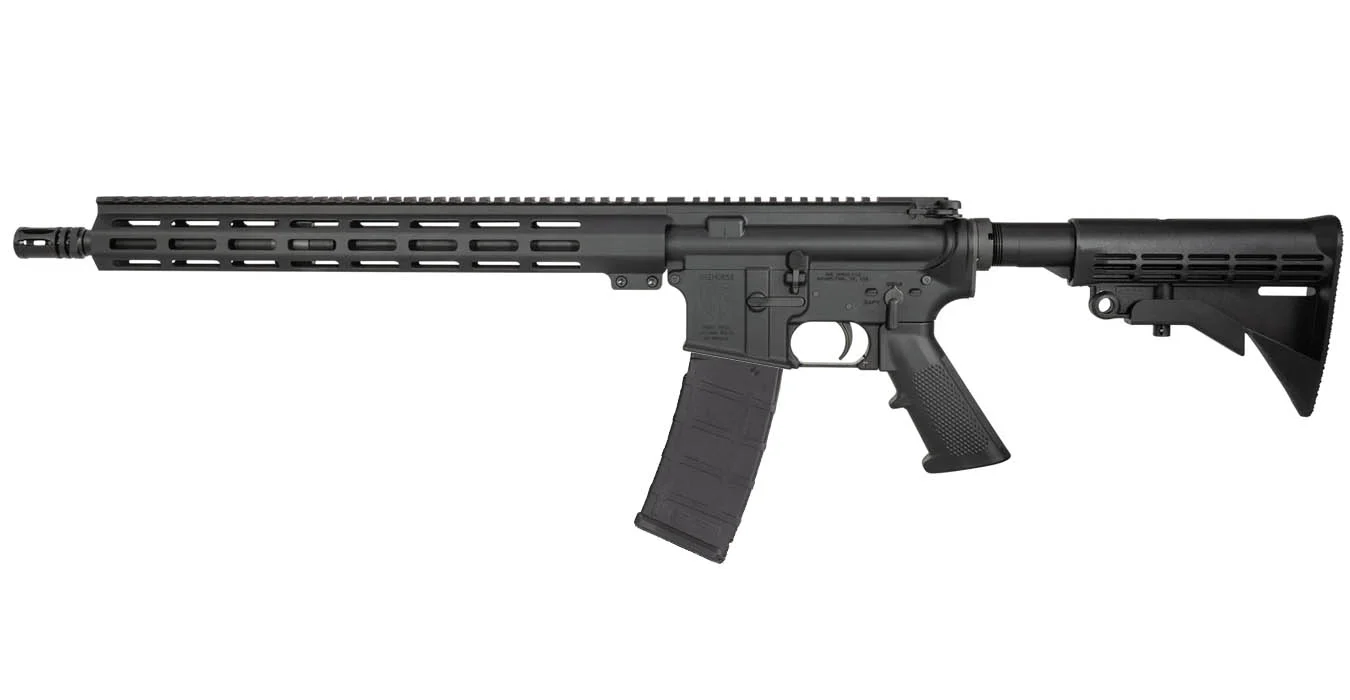
Unlike specialized hunting setups, lever-action options, or long-range precision rigs, a practical build focuses on balance. It should run reliably, carry comfortably, accept useful accessories, and stay simple enough for regular training. Whether you are comparing optics, choosing a sling, or deciding how much weight you want to carry, the goal stays the same: build something that fits your real needs.

TL;DR- Too Long Didn’t Read
Building a practical rifle means focusing on reliability, versatility, and appropriate weight while maintaining simplicity. A practical AR-15 can effectively serve applications ranging from home defense to field use when configured thoughtfully.
- Define the primary purpose of the rifle to avoid unnecessary expenses on incompatible parts.
- Select a reliable core setup prioritizing essential components like the barrel and bolt carrier group.
- Choose optics that match deployment scenarios, such as red dots for close-range or LPVO for versatility.
- Maintain a balanced weight to ensure ease of handling and comfort during use.
- Only incorporate accessories that solve actual issues or enhance performance, avoiding unnecessary add-ons.
- The AR-15 platform offers flexibility in customization, making it an excellent choice for varied needs.
Start With the Purpose
Before choosing parts, decide what the build needs to do most often. A home-defense setup may favor compact handling, simple controls, and a dependable light. Meanwhile, a range setup may prioritize comfort, durability, and repeatable accuracy. For field use, weight savings and sling comfort may matter more. This first step helps prevent wasted money on parts that look good online but do not match the setup’s real purpose.
The same thinking applies across different platforms. For example, a .308 hunting rifle, 6.5 Creedmoor option, or 8.6 Blackout build may make more sense for hunting or extended-range use. However, a practical AR-15 typically suits shooters who want something lighter, more affordable, and more versatile for training and general use. In addition, the AR-15 platform offers broad parts availability, simple optic options, and plenty of room to adjust the setup over time.
Choose a Reliable Core Setup
Reliability matters more than cosmetic upgrades. Start with a quality upper, lower, barrel, bolt carrier group, and trigger because these parts affect how the build runs, feels, and holds up over time.
For most practical AR-15 setups, a 16-inch barrel remains a smart choice. It keeps the platform manageable while still preserving solid velocity and compatibility. Although shorter barrels can handle well, they may increase blast and require more attention to legal configuration. Longer barrels can add velocity, but they may feel less handy indoors or around vehicles.
In many cases, a mid-length gas system gives a 16-inch setup a smoother feel. In addition, a quality bolt carrier group and a properly installed gas system can help keep everything reliable during longer-range sessions.
Pick an Optic That Matches the Job
Your optic should match how you actually use the build. A red dot works well for close-range speed and simple operation. Meanwhile, an LPVO offers greater flexibility because it can run at low magnification up close and higher magnification at distance. A prism sight may also help shooters who want a compact option with an etched reticle.
Traditional scopes still make sense for hunting setups, bolt guns, and longer-range use. Likewise, a thermal optic may fit certain hunting and night-use applications where legal, but it usually adds high cost and weight. For a practical AR-15, most shooters should start with a red dot, prism, or LPVO before moving into heavier glass.
Keep the Rifle Light Enough to Use
Weight can turn a good setup into a burden. A practical rifle should feel stable but not overloaded. In many cases, the sweet spot lands around 6.5 to 8.5 pounds before adding loaded magazines and extra gear. That range makes the build easier to shoulder, transition with, and carry during longer training sessions.
A lightweight handguard, a simple stock, a practical optic, and a well-placed light can keep the setup useful without making it bulky. On the other hand, oversized scopes, heavy mounts, bipods, large muzzle devices, and unnecessary rail accessories can make it less enjoyable to carry and train with. Therefore, every added part should earn its place. If an accessory does not improve control, visibility, reliability, or comfort, it may only add weight without adding real value.
Add Accessories That Earn Their Place
Every accessory should solve a real problem. A quality rifle sling improves carry, stability, and control. A weapon light makes sense for defensive use because target identification matters. Backup sights may add confidence if the optic fails. A good rifle case also helps protect the setup during transport and storage. Together, these additions support practical use without overcomplicating the build.
However, not every accessory improves performance. Some parts add weight, snag points, or complexity without helping the shooter. Before adding anything, ask whether it improves control, visibility, reliability, or comfort. If it does not, skip it. In many cases, a cleaner, lighter setup will perform better than one cluttered with unnecessary add-ons.
Think Beyond the AR-15
A practical setup does not mean the same thing for every shooter. Hunters may prefer bolt-action options in cartridges like .308 Winchester or 6.5 Creedmoor. Some shooters may want a 9mm platform for affordable training or pistol-caliber carbine matches. Others may look at Sako models, lever-action options, or even a .50 caliber firearm for very specific use cases. In other words, the best choice depends on distance, budget, recoil preference, ammo cost, and how the firearm will actually get used.
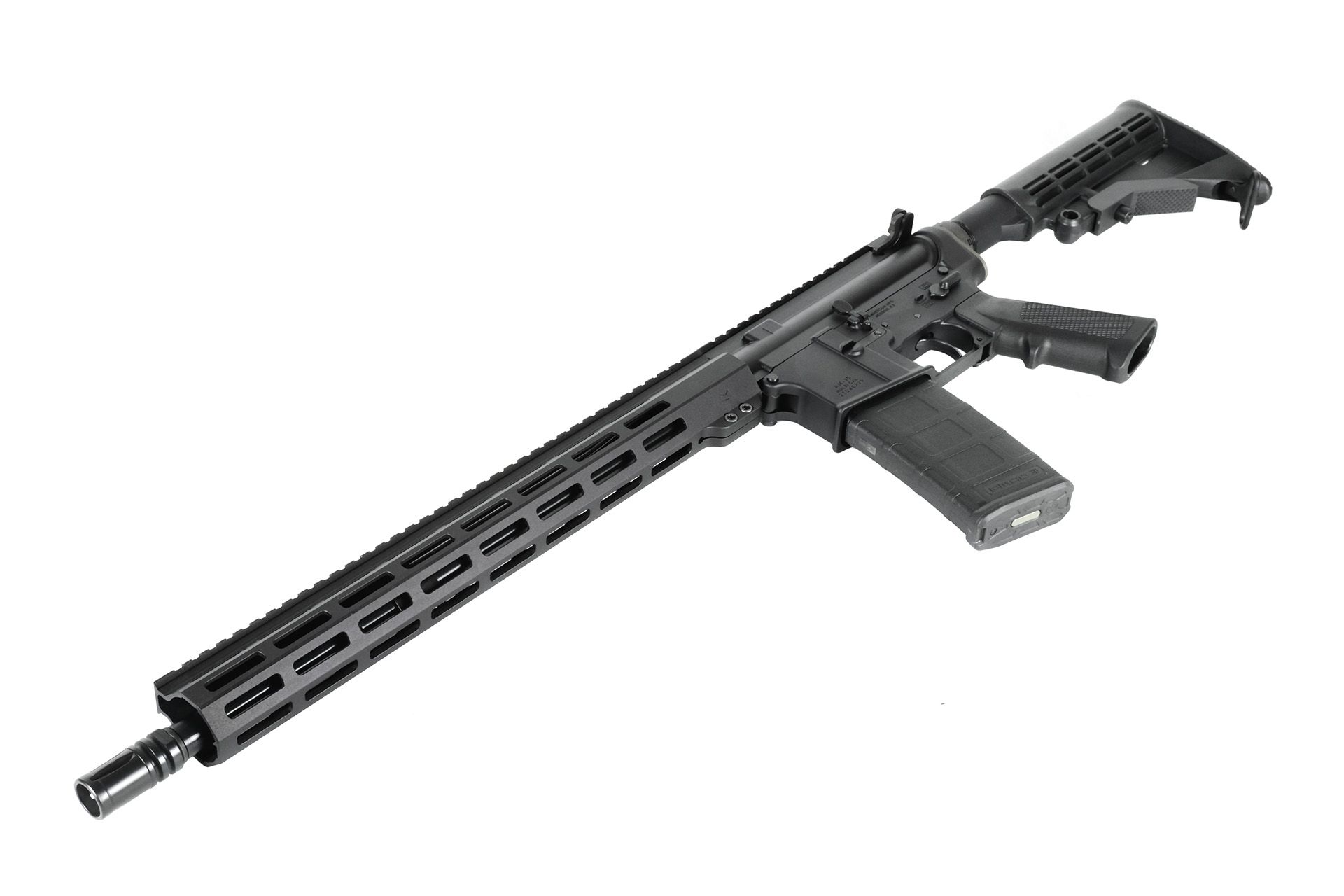
Still, for most general-purpose shooters, the AR-15 remains one of the easiest platforms to configure. Parts availability, optic options, sling choices, and accessory support make it a strong choice for a practical build. In addition, the platform lets shooters start simple and upgrade over time without replacing the entire setup.
Conclusion
A practical rifle does not need every upgrade on the market. Instead, it needs the right mix of reliability, handling, useful accessories, and realistic weight. Start with a clear purpose, choose dependable core parts, keep the setup simple, and add only the accessories that improve real-world use.
Whether you are comparing hunting options, looking at a 6.5 Creedmoor setup, shopping for optics, or planning a practical AR-15, the best choice is the one that fits your needs and budget. Shop hunting firearms, bolt-action options, optics, slings, cases, and accessories at Dirty Bird Industries to find the right setup for your next build, hunt, or range day.
FAQ: Practical Rifle Builds
A practical rifle build should match your budget, skill level, and intended use. These answers cover common questions about rifle setup, barrel length, optics, accessories, and overall build priorities.
What is the difference between a practical, competition, or precision rifle?
A practical rifle focuses on general use, reliability, and balance. A competition rifle may prioritize speed for a specific sport, while a precision rifle usually favors accuracy, magnification, and stability at longer distances.
What barrel length is best for a practical build in 2026?
For most AR-15 builds, a 16-inch barrel offers the best balance of handling, velocity, and simplicity. It keeps the rifle practical without making the setup too short or too long.
Should I choose a red dot, LPVO, or prism optic for a practical rifle?
Choose a red dot for close-range speed, an LPVO for versatility, and a prism optic for a compact etched-reticle option. The best choice depends on your eyesight, range distance, and budget.
What is the ideal weight for a practical AR-15 build?
Most practical AR-15 rifles feel best around 6.5 to 8.5 pounds before loaded magazines. Lighter rifles are easier to carry, while slightly heavier setups may feel steadier during shooting.
Which rifle accessories actually improve performance and which ones add unnecessary weight?
A sling, a weapon light, a quality optic, and a durable rifle case can add real value. Heavy bipods, oversized optics, and extra rail accessories may add unnecessary weight unless your use case requires them.
How do I build a practical rifle for home defense, training, and range use on the same platform?
Start with a reliable 16-inch AR-15, add a simple optic, quality sling, dependable light, and comfortable furniture. Then, avoid extra parts that make the rifle heavy or complicated.
What is the best rifle sling setup for a practical AR-15?
A two-point adjustable rifle sling works best for most practical rifles. It gives good support, secure carry, and quick adjustment without adding much weight.
Should I prioritize reliability, accuracy, or lightweight components when building a practical rifle?
Start with reliability first. After that, balance accuracy and weight based on your needs. A practical rifle should run consistently before it tries to become ultra-light or extremely precise.
What is the best practical rifle configuration for under $1,000 in 2026?
A basic 16-inch AR-15 with a quality red dot, sling, and light is usually the best starting point under $1,000. Keep the build simple and spend money on the parts that improve reliability and usability.
How do I balance durability, versatility, and cost when building a practical rifle?
Spend more on the barrel, bolt carrier group, optic, and light. Then, save money on nonessential cosmetic upgrades. That balance keeps the rifle durable, useful, and cost-effective.
For additional resources, check out our sister site at www.ar15discounts.com.