

 Dirty Bird Bakersfield
California Compliant, California Roster Guns, Glock, Handguns, Pistols, Used Guns
Glock Pistols in California 2026: The Ban, Discontinued Models, and More
Jul
Table of Contents
California’s regulatory landscape for Glock pistols reached a breaking point in 2026. Assembly Bill 1127, signed by Governor Newsom in October 2025 and effective July 1, 2026, restricts licensed dealers from selling pistols with cruciform trigger bar designs to civilian buyers. Combined with Glock’s own decision to discontinue most of its existing lineup in favor of a new V and Gen 6 Series, the result is near-total elimination of new Glock availability through California dealers. Understanding exactly how this happened, and what options remain, requires looking at both the roster system and the new law together.

TL;DR- Too Long Didn’t Read
In 2026, California’s handgun regulatory environment experienced significant changes with Assembly Bill 1127, drastically affecting the availability of Glock pistols. This bill, combined with Glock’s discontinuation of major models, confined California buyers to limited Gen 3 options, leading to a reshaped market landscape.
- Assembly Bill 1127 restricts dealer sales of pistols with cruciform trigger bars, severely limiting Glock availability.
- Glock discontinued popular models transitioning to the V and Gen 6 series, which are not roster-approved in California.
- Remaining Gen 3 models sell quickly as they are no longer available from dealers after July 1, 2026.
- Private party transfers remain a viable option for acquiring discontinued models.
- California buyers have compliant alternative choices for firearms, like the Sig Sauer P365 and Springfield Armory Hellcat.
- Ongoing federal challenges may impact the future availability and legal standing of these restrictions.
The California Roster and Why Gen 3 Was Already the Only Option
The California DOJ Handgun Roster restricts licensed dealers to selling only handguns that have been tested and certified by the state. Due to a microstamping requirement that took effect for new roster submissions in 2013, virtually no new semiautomatic pistol designs have been added to the roster since that year. Every 9mm, .45 ACP, or .40 S&W pistol on the California roster today was certified before January 1, 2013.
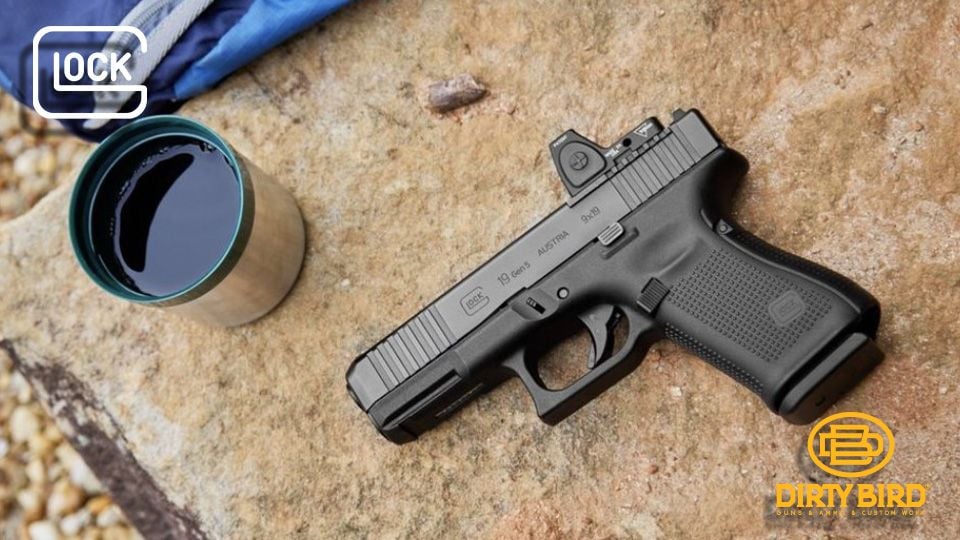
This means Gen 4 and Gen 5 Glocks were never meaningfully available through California dealers. Glock, like virtually every major manufacturer, has not implemented microstamping technology because the process is technically unreliable and economically impractical for a single state market. The models California Glock buyers could legally purchase from a dealer were already limited to a shrinking list of Gen 3 variants, including the G17, G19, G22, G23, G26, G21, G30SF, and G34 among others, all certified before the microstamping wall went up.
The 3-for-1 rule adds further pressure. California requires manufacturers to remove three models from the roster for every new model added. Combined with microstamping, this has caused the roster to shrink steadily for over a decade.
What AB 1127 Does
Assembly Bill 1127 added a new layer of restriction on top of the already-limited roster situation. The law targets what California defines as semiautomatic machinegun-convertible pistols, specifically any semiautomatic pistol with a cruciform trigger bar that can be readily converted by hand or with common household tools into a machine gun by the installation of a pistol converter. The cruciform trigger bar is the internal component found in Glock and Glock-pattern pistols that allows so-called Glock switches to be attached and convert the firearm to automatic fire.
Starting July 1, 2026, licensed dealers may not sell or transfer covered pistols to civilian buyers. Dealers were banned from acquiring new inventory of affected pistols after January 1, 2026. Existing inventory delivered before that date could be sold through the July 1 deadline. After that, covered pistols can no longer be sold or transferred by a licensed dealer to a civilian buyer.
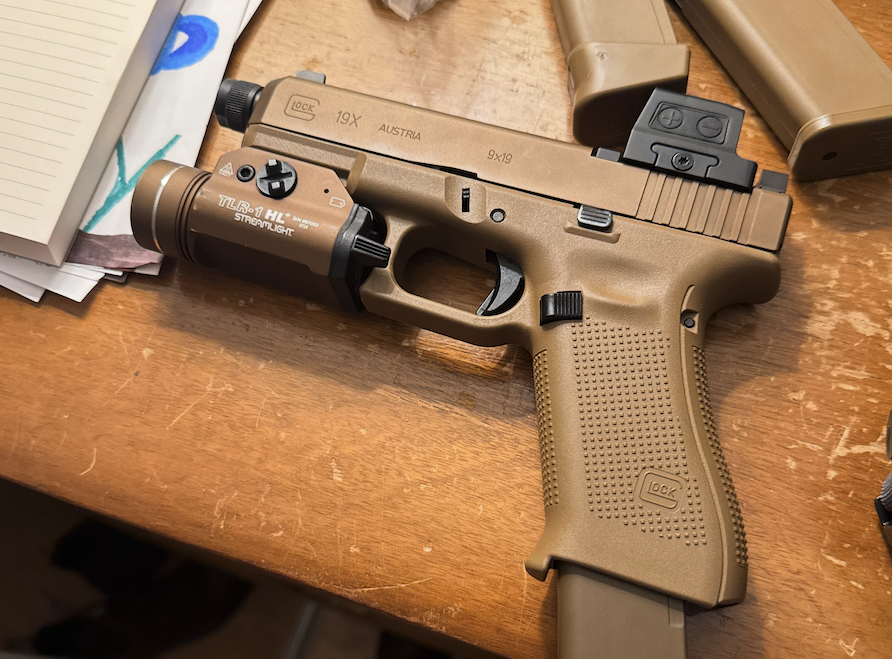
The law is not a ban on possession. Existing owners keep their firearms. Private party transfers conducted through a licensed dealer remain exempt. Law enforcement and military sales are also exempt. What AB 1127 does is close the dealer sales window that previously existed for the Gen 3 Glock models that were on the roster.
The law also captures other brands using cruciform trigger bar designs, including Shadow Systems, FMK, and Derya. Sig Sauer P-series, Walther PDP, Smith and Wesson M&P series, Springfield Armory Hellcat, and HK VP9 all use different internal designs and are not covered.
The Federal Challenge
On July 1, 2026, the same day AB 1127 took effect, the U.S. Department of Justice filed suit against California and Attorney General Rob Bonta, challenging both AB 1127 and California’s broader Handgun Roster as unconstitutional Second Amendment restrictions. Acting Attorney General Todd Blanche stated that California cannot ban the most popular type of handgun in America. The complaint seeks statewide relief and challenges both the Glock ban and the roster system itself. The Firearms Policy Coalition, Second Amendment Foundation, and NRA have also filed a separate challenge in James v. Bonta. The legal situation continues to develop and buyers should monitor it closely.
Glock’s V Series and Why It Does Not Help California Buyers
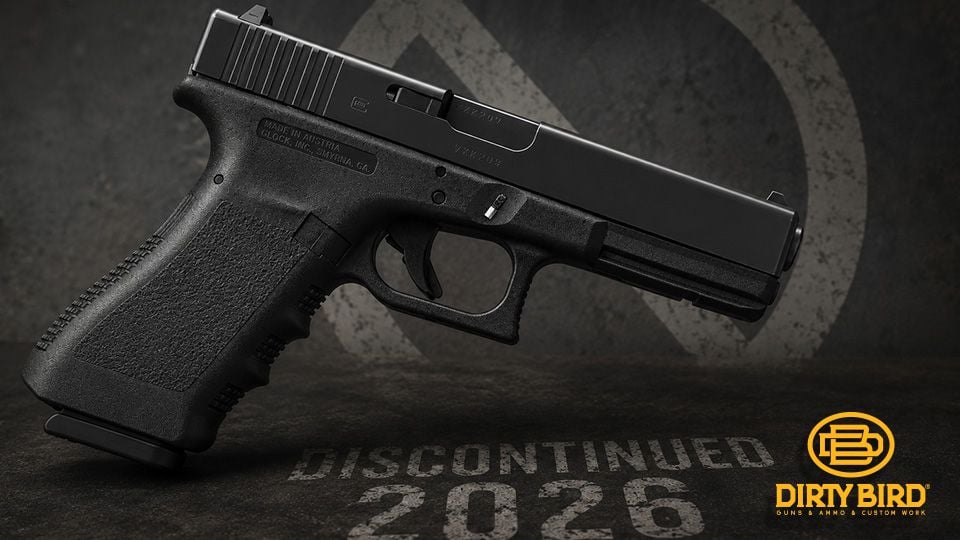
The AB 1127 situation landed simultaneously with Glock’s own major product transition. In October 2025, Glock announced it would discontinue over 34 popular models, with last shipments of Gen 3, Gen 4, and Gen 5 models to dealers by November 30, 2025. The company launched its new V Series in December 2025, with MOS variants following in early 2026.
For California buyers, the V Series, or the later Gen 6, offers no relief. The new lineup is not roster-approved and cannot be sold by California dealers. It has not been submitted for or received roster certification. Even if the V Series or Gen 6 addresses the cruciform trigger bar design that AB 1127 targets, it still cannot be sold in California without first achieving roster certification, which would require navigating the microstamping requirement that has blocked new pistol additions since 2013.
The practical result is that both the Gen 3 Glock models that California buyers relied on and the new V and Gen 6 Series that replaced them are now unavailable through California dealers. Any remaining Gen 3 inventory that dealers acquired before January 1, 2026 has been selling rapidly as buyers moved to secure these pistols before the July 1 deadline.
Models Most Affected
Glock 17 Series
The Gen 3 G17 was one of the roster-approved Glock models California buyers could access through dealers. With Glock discontinuing Gen 3 production by November 2025 and AB 1127 ending dealer sales July 1, 2026, remaining inventory moved quickly. This full-size 9mm platform was a long-standing choice for home defense and duty roles.
Glock 19 Compact
The Gen 3 G19 was among the most frequently purchased roster-approved Glocks in California. Its compact dimensions and versatility made it the go-to choice for carry and general use. Supply dried up rapidly as both the discontinuation and the AB 1127 deadline drove buying surges.
Glock 34
The Gen 3 G34 was on the roster and favored by competition and duty users for its extended sight radius. With production discontinued and dealer sales now prohibited, finding one through a dealer is no longer an option.
Glock 22 and 23
The Gen 3 G22 and G23 in .40 S&W were also on the California roster. These models served duty and law enforcement roles. Both are discontinued and subject to the same sales prohibition as other affected models.
Discontinued Models Still Worth Pursuing Through Private Party Transfer
The private party transfer pathway remains legal for affected Glock pistols. A California resident who legally owns a covered Gen 3 Glock can sell it to another California resident through a licensed dealer-facilitated PPT. This is currently the only civilian pathway to acquiring one of these models after July 1, 2026. Prices on the private market have spiked significantly as dealer inventory has dried up.
Discontinued Gen 3 Glocks remain worth pursuing for buyers who use this pathway. Their reliability, extensive aftermarket support, and Glock’s commitment to continued service on discontinued models make them solid long-term ownership propositions. Parts, magazines, and holsters remain widely available.
California-Compliant Alternatives for Concealed Carry and Self-Defense
For buyers who cannot find available Gen 3 Glock inventory through private party transfer, or who prefer to move to platforms that remain available through dealers, strong compliant alternatives exist across every use case.
Micro-Compact Choices
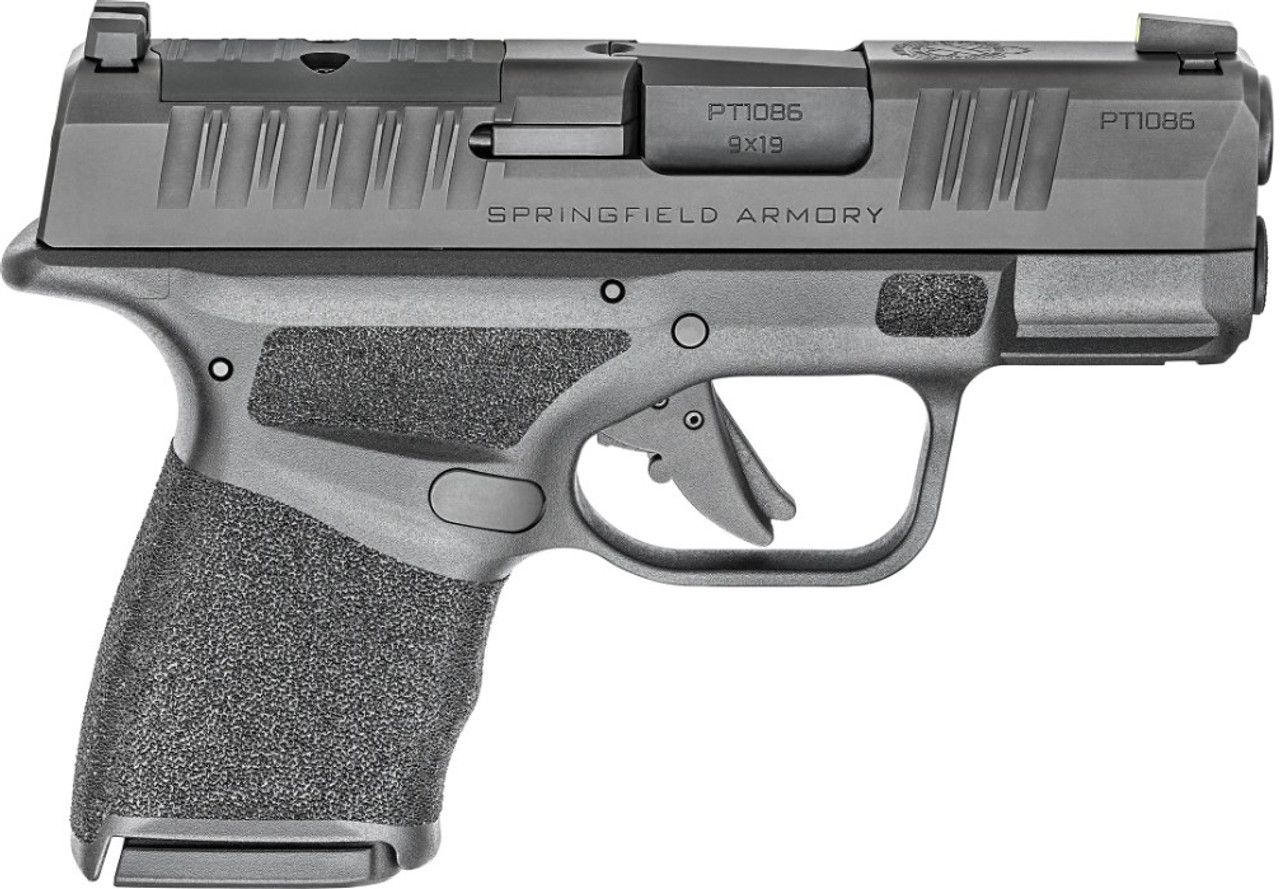
The Sig Sauer P365 stands out as the top overall micro-compact choice for everyday carry. At 5.8 inches long with a 3.1-inch barrel and about 18 ounces unloaded, its slim profile and 10-round capacity make it easy to conceal with reliable 9mm performance and full California compliance. The Springfield Armory Hellcat provides another strong option at around 6 inches long with a 3-inch barrel, Adaptive Grip Texture, and a dual-spring recoil system that handles plus-P loads effectively.

Pocket and Deep Concealment
For deep concealment and pocket carry, the Smith and Wesson 638 Airweight revolver is a strong option. This J-frame .38 Special model weighs roughly 15 ounces with a 1.875-inch barrel and partially shrouded hammer that minimizes snagging, while the simple five-round cylinder provides the kind of mechanical reliability that needs no explanation.
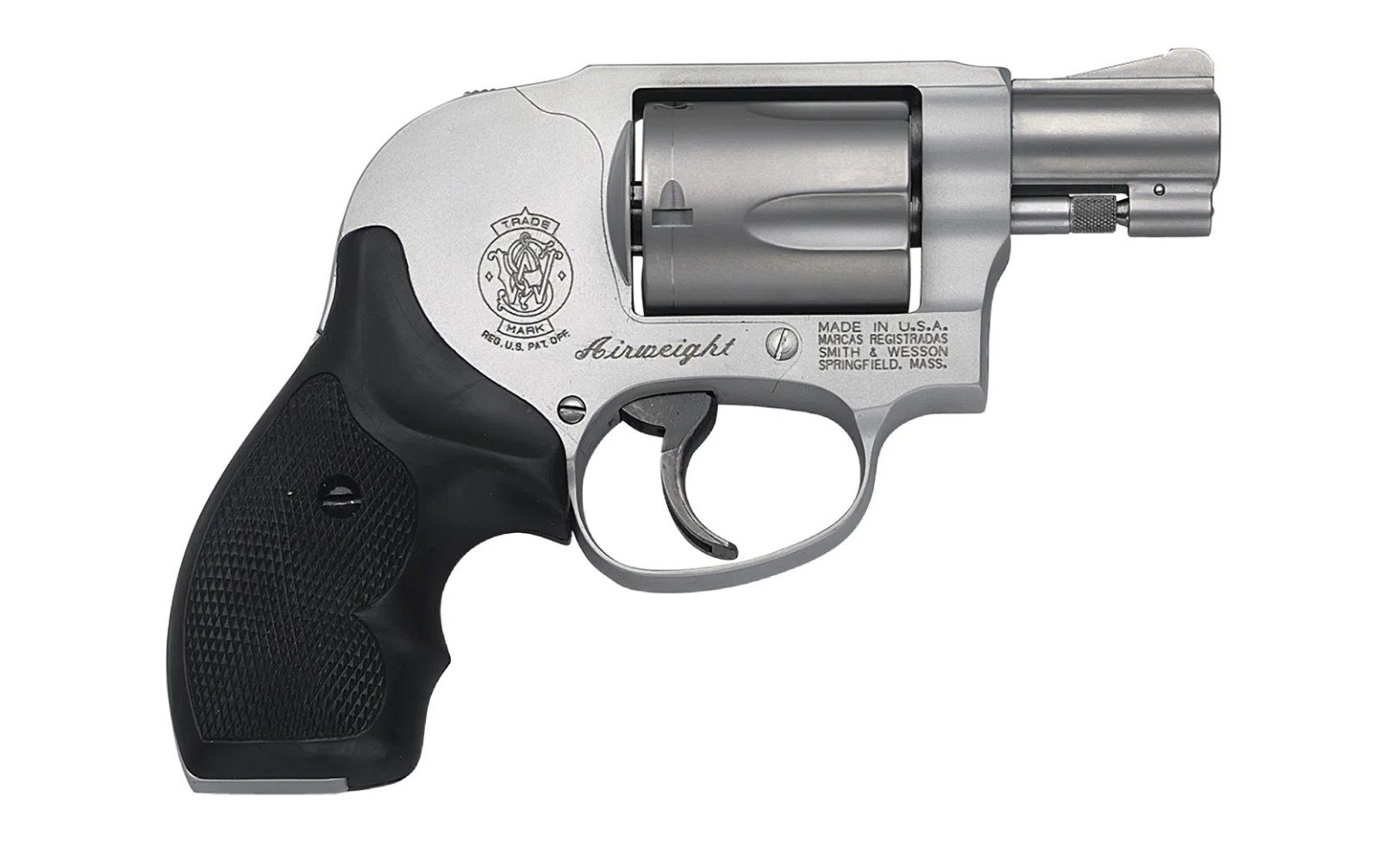
Revolvers still have their place. Super simple, reliable. This is our personal favorite 5-shot .38.
Affordable Subcompacts
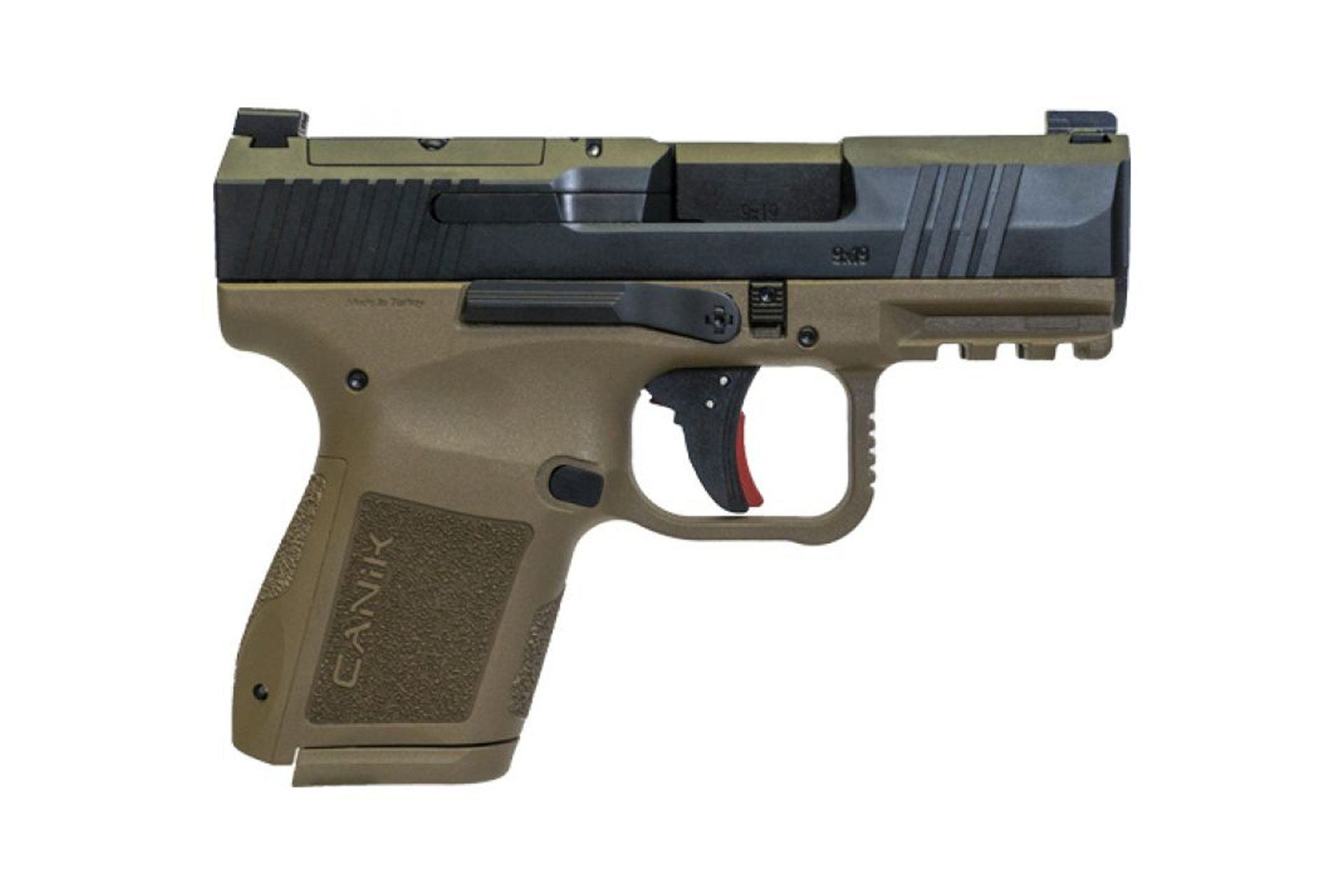
The Canik METE MC9 balances affordability and features as a subcompact choice. Its 3.18-inch barrel, optics-ready slide, ergonomic grip with interchangeable backstraps, and consistent striker-fired trigger deliver strong value at a competitive price. It ships with a holster, spare backstraps, and a magazine loader out of the box.
Premium and Duty-Style Alternatives
The Heckler and Koch VP9SK offers interchangeable backstraps and side panels for a customized fit, along with a crisp trigger and excellent recoil management. The Walther PDP Compact brings a refined Performance Duty Trigger and modular grip system. The Sig Sauer P365 XL extends the grip for better control without sacrificing concealability. The Smith and Wesson M&P Shield delivers a slim profile ideal for daily carry. The Sig Sauer P320 offers modular flexibility with interchangeable grip modules. For those preferring a duty-style option, the Sig Sauer P226 provides proven double-action and single-action reliability, and the Smith and Wesson M&P9 2.0 delivers comfortable ergonomics in compact or full-size formats.
Practical Guidance for California Buyers
The Gen 3 Glocks that were on the California roster before July 1, 2026 can no longer be purchased new from a dealer. They remain available only through private party transfers, which have seen significant price increases as dealer inventory has disappeared. Buyers pursuing this route should work with a licensed FFL dealer to process the transfer properly and verify roster status of the specific model before proceeding.

The Glock V Series or the Gen 6 is not an available option for California dealer purchases at this time. It is not roster-approved and faces the same microstamping barrier that has blocked new pistol additions since 2013. Whether Glock pursues California roster certification for the V and Gen 6 Series, and whether the ongoing federal litigation changes the legal landscape, remain open questions buyers should follow closely.
For most California buyers in 2026, the path forward runs through the compliant alternatives listed above, all of which remain available through licensed dealers at Dirty Bird Guns and Ammo. Our team in Bakersfield helps customers navigate these regulations every day. Stop by or visit dirtybirdusa.com to see current in-stock options.
This article is for informational purposes only and does not constitute legal advice. Firearm laws change frequently. Always verify current California law and consult a qualified attorney before making any purchase decisions.