

 Dirty Bird Bakersfield
California Hunting, Hunting, Hunting 2025, Hunting Guide 2025
California Hunting Guide 2025
Aug
Table of Contents
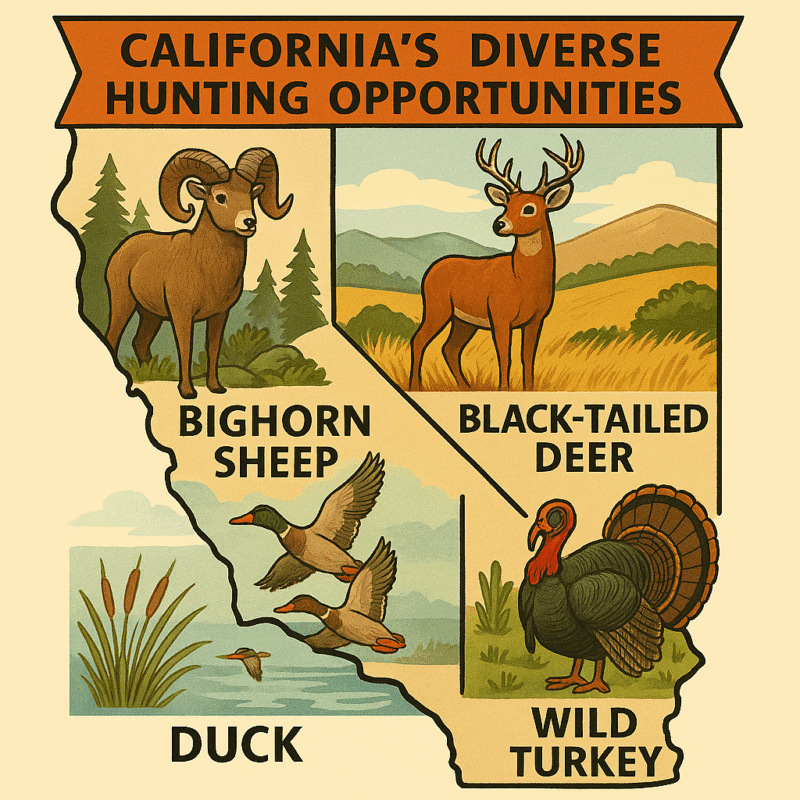
Welcome hunters to the Golden State! California offers incredibly diverse hunting opportunities – from chasing high-country mule deer in the Sierras to calling waterfowl in the Sacramento Valley. This California Hunting Guide 2025 offers a comprehensive, state-specific overview of everything you need to know for a successful California hunting experience.
We’ve organized it into clear sections covering hunting zones & maps, game species and season dates, local laws and regulations, licensing requirements, recent wildlife sightings, and expert tips (with gear recommendations) tailored to California’s unique conditions. Whether you’re a local or a non-resident planning a trip, this community-friendly guide will help you navigate California’s hunting seasons in 2025 with confidence.
Overview of California’s Diverse Hunting Opportunities
California’s geographical expanse presents an extraordinary variety of hunting environments, ranging from the expansive coastal plains and verdant forests to the rugged peaks of the Sierra Nevada and the arid deserts. This rich ecological diversity fosters a wide array of game species, offering distinct challenges and rewarding experiences for hunters. A thorough understanding of these varied habitats is fundamental for developing effective hunting strategies and ensuring strict adherence to localized regulations. The state’s commitment to wildlife conservation, as evidenced by the California Department of Fish and Wildlife (CDFW), underscores the importance of responsible and informed hunting practices.
Hunting Zones and Maps
California’s vast size and ecological variety are divided into specific hunting zones/regions to manage wildlife and seasons. It’s crucial to know your zone, as season dates and regulations often vary by area. Here’s a breakdown of the key hunting zones and where to find official maps:
- Deer Hunting Zones: California is divided into numerous deer zones labeled with letters and numbers (Zones A, B1–B6, C1–C4, D3–D19, and premium zones X1–X12). wildlife.ca.gov. The A zone covers much of the coastal and central regions, the B and C zones span portions of Northern California, the D zones are scattered (including Sierra Nevada west slopes and Southern California mountains), and the coveted X zones are mostly in northeastern and eastern Sierra areas (limited-entry trophy mule deer units). Each zone has its own season dates (for example, Zone A’s general deer season typically opens in mid-August, while some D and X zones open later in September/October). huntinglocator.com. The Bureau of Land Management (BLM) offers a color-coded ownership map overlaid with deer hunting zones, which can be useful for identifying public land access. The emphasis on consulting the exact legal descriptions, rather than relying solely on generalized maps, stems from the highly granular nature of California’s regulations. These boundaries are often defined by specific roads, rivers, or distinct topographical features. A minor misinterpretation could lead to hunting outside designated seasons, in an unauthorized zone, or on restricted private land, potentially resulting in severe penalties. Therefore, hunters are strongly encouraged to utilize detailed topographical maps, whether digital or physical, and GPS units with pre-loaded zone boundaries to ensure absolute accuracy in the field.
For a visual reference, consult the official statewide deer zone map provided by CDFW wildlife.ca.gov – this map outlines all deer hunt zone boundaries. (Tip: When planning a deer hunt, double-check which zone your target area is in and note the specific season dates and tag quotas for that zone.)
- Waterfowl Hunting Zones: California lies in the Pacific Flyway, and waterfowl seasons are divided into five zones with different timing: the Northeastern Zone, Southern San Joaquin Valley Zone, Southern California Zone, Colorado River Zone, and the remainder as the Balance of State Zone. fgc.ca.gov. The Northeastern Zone (NE California, e.g., Klamath Basin area) generally opens earliest (often in early October, about three weeks before the rest of the state), ducks.org. The Balance of State (encompassing most of central and northern California) and the Southern San Joaquin Valley typically open in mid-October and run until late January. Southern California Zone (covering areas in the south like Imperial Valley) usually opens later in October and also runs into late January. The Colorado River Zone (along the CA/AZ border) often has unique dates aligning with Arizona’s season. Always check the zone-specific duck and goose season dates each year. We recommend the California Department of Fish & Wildlife’s waterfowl regulations page, which includes a zone map and schedule at wildlife.ca.gov. Having the correct zone is critical, as waterfowl season dates and late-season extensions differ by zone. As with deer zones, hunters must consult the comprehensive legal descriptions provided in Section 502 of the 2024-2025 Waterfowl, Upland Game Hunting and Land Use Regulations Booklet for precise boundary information.
- Elk, Pronghorn, and Bighorn Sheep Areas: These species are huntable only in certain parts of California. Elk hunts are assigned to specific management units or hunts (for example, “Grizzly Island” tule elk hunt or “Northeastern” Rocky Mountain elk zone). Pronghorn antelope hunts occur in northeastern plateau zones (Modoc County, etc.), and Desert bighorn sheep hunts are in select desert mountain ranges of southeast California. The Big Game Drawing Book (Big Game Hunting Digest) includes maps of each elk, pronghorn, and sheep hunt zone on wildlife.ca.gov. If you’re lucky enough to draw one of these tags, CDFW will specify the exact zone or hunt area on your permit. Always review the provided maps to familiarize yourself with the boundaries of your hunting zone.
- Upland Game Regions: Upland birds (like quail, chukar, and wild turkey) are found statewide, but regulations sometimes reference geographic splits. For example, quail season is split between early-opening and late-opening zones: some far northern counties have an earlier opener for mountain quail, while the rest of the state’s quail season opens later in October, huntwise.com. Similarly, wild turkey regulations apply statewide but have different seasons for fall and spring. Generally, upland game isn’t managed by rigid zones like big game; instead, pay attention to county or regional distinctions in the upland game regulations (such as higher tree squirrel bag limits in certain counties). The CDFW upland game bird page provides specific details and any applicable zone maps at wildlife.ca.gov. Detailed maps and regulatory information for these zones are available within the 2024-2025 Waterfowl, Upland Game Hunting and Land Use Regulations Booklet.
Maps: For convenience, here are some useful map resources:
- The official CDFW Deer Zone Map (PDF) can be obtained from the CDFW website wildlife.ca.gov – it color-codes all deer hunt zones in California and is essential for understanding zone boundaries. (You can also view deer zones on Google Earth via a KML file for California wildlife.ca.gov.)
- The California waterfowl zone map is available in the annual waterfowl regulations booklet fgc.ca.gov, showing boundaries between the Northeastern, SoCal, SJV, etc. zones. Check the California Waterfowl Association site or CDFW for a downloadable map and the latest 2025–2026 season dates.
- If you’re hunting on public lands, consider using BLM or US Forest Service maps. For example, BLM’s California Deer Hunting Zones Map shows land ownership and deer zones overlaid on blm.gov, which can be helpful in scouting public access within a given zone.
By knowing your zone and using these maps, you can plan your hunt locations and dates more effectively. Always carry a map (digital or paper) when in the field to ensure you stay within unit boundaries.
Key Table: California Hunting Zones Overview
The following table provides a high-level overview of California’s primary hunting zones, serving as a quick reference point for hunters. For precise legal descriptions and detailed maps, consulting the official resources of the California Department of Fish and Wildlife (CDFW) and the Fish and Game Commission (FGC) is essential. This approach enables hunters to quickly identify relevant zones while directing them to the definitive legal texts that govern hunting activities, thereby promoting responsible and compliant practices.
| Hunting Category | Primary Zones | General Geographical Description | Official Regulation Link (CDFW/FGC) | Official Map Link (CDFW/BLM) |
| Deer | A, B1-6, C1-4, D3-19, X1-12 | Coastal Ranges, Northern Inland, Northeastern, Central Valley/Sierra Foothills, Eastern Sierra/Northeastern | (https://fgc.ca.gov/Regulations/Current/Mammals) | (https://nrm.dfg.ca.gov/FileHandler.ashx?DocumentID=122314&inline) |
| (https://www.blm.gov/documents/california/public-room/map/california-deer-hunting-zones-map) | ||||
| Waterfowl | Northeastern California, Southern San Joaquin Valley, Southern California, Colorado River, Balance of State | Northeast, Central Valley South, Southern Coast/Inland, Colorado River Border, Rest of State | (https://nrm.dfg.ca.gov/FileHandler.ashx?DocumentID=203137&inline) | (Map on page 31 of PDF booklet) |
| Upland Game Birds | Q1-3 (Quail), Specific Zones for Grouse, Pigeon, Crow, Squirrel | Varies by species and region | (https://fgc.ca.gov/Regulations/Current/Upland-Game-Birds) | (Maps on pages 47-49 of PDF booklet) |
| (https://nrm.dfg.ca.gov/FileHandler.ashx?DocumentID=203137&inline) |
Available Game Species and Seasons
California boasts a wide variety of game animals. In this section, we list the major game species, organized by category (big game, upland birds, waterfowl, small game), and provide an overview of season dates and bag limits for each. Always confirm exact dates in the current CDFW regulations, as they can change from year to year. However, the summary below will provide a solid planning reference for 2025.
Big Game (Deer, Elk, Bear, etc.)
- Mule Deer / Black-tailed Deer: Deer are California’s most popular big game quarry, found in almost every part of the state, huntinglocator.com. Species: California’s deer include mule deer (inland and desert regions) and Columbian black-tailed deer (coastal ranges and lower elevations of the west). For management, they are all hunted under the zone system. Season Dates: Deer seasons vary by zone and method. Generally, archery-only deer seasons open earliest – often in mid-July for A Zone archery, and August or September for other zones huntinglocator.com. The general (rifle) seasons then open as early as mid-August in Zone A, late September in many Sierra Nevada and northeastern zones, and even October for some southern California D zones. Each zone has a specific date range – for example, in 2024, Zone A’s general season ran roughly from August 12 to September 24, while Zone D, such as D14 (San Bernardino Mountains), ran from October 21 to November 19, and X zones typically had short seasons in October. In 2025, expect similar timing (exact dates will be in the CDFW Deer Seasons by Zone tables, wildlife.ca.gov). Bag Limit: One buck per tag (antlered deer only, forked horn or better in most zones). California allows each hunter to obtain up to two deer tags per year (wildlife.ca.gov). For example, you might bag two bucks in different zones if you have two tags. There are a few special hunts that allow antlerless (doe) harvest or late-season opportunities, typically through a lottery drawing. Notable: Zone A and many D zones are available over-the-counter until tag quotas sell out, whereas premium zones (most X zones and some highly demanded D or A subzones) require an application in the June draw. Success rates vary widely – e.g., highly pressured public-land zones can have success rates below 10%, whereas some limited-entry hunts can exceed 50–70% success (huntinglocator.com). The statewide deer harvest in 2023 was 28,637 deer (16.6% success rate), huntinglocator.com, illustrating how challenging deer hunting can be, so scout hard and hunt smart!
- Elk: California is home to three elk subspecies – Rocky Mountain elk (Northeast CA), Roosevelt elk (Northwestern coastal forests), and Tule elk (Central California, endemic to CA). Elk hunting here is strictly controlled through a limited quota system, with tags issued via the Big Game Drawing (deadline: June 2), available at wildlife.ca.gov. Seasons: Elk seasons generally run from late summer into fall. For example, Roosevelt elk hunts in the northwest typically occur from September to October, coinciding with the rut, while some late seasons extend into November (huntinglocator.com). Tule elk hunts (e.g., in Owens Valley, Tejon, etc.) can be in August or September, and Rocky Mountain elk hunts in Northeastern CA usually are in October (often aligning with bugling season), huntinglocator.com. Each hunt has specific dates – if you draw a tag, refer to the Big Game Digest for that unit’s exact season window. Bag Limit: One elk per tag (either bull or antlerless as specified – most are either-sex or bull tags). Drawing Notes: Both residents and non-residents can apply, but tags are extremely limited (non-residents are capped at no more than 10% of tags). It often takes many years of applying (building preference points) to draw an elk tag in CA. If you’re fortunate to get one, it’s a once-in-a-lifetime opportunity in many cases. (Fun fact: California’s tule elk are unique to the state – a conservation success story – and provide a special hunting experience on the grasslands and oak woodlands of the Central Valley and Coast Range.)
- Pronghorn Antelope: Pronghorn are found in the open sagebrush country of northeastern California (Modoc and Lassen counties primarily). Like elk, pronghorn tags are awarded by lottery draw (with preference points). Season Dates: Pronghorn hunts typically take place in August and September. They are timed for late summer when bucks have hardened off and are often in small bachelor groups or rutting. Expect pronghorn season to start mid-August and last about 2-3 weeks, depending on the zone (for example, the Likely Tables or Surprise Valley hunts). Bag Limit: One pronghorn antelope per tag (buck or doe, depending on the permit drawn – most public tags are buck-only). Notes: These tags are in limited supply. If drawn, be prepared for long-range shooting in open terrain – practicing out to 300+ yards is wise, as pronghorn have exceptional eyesight and inhabit flat, open country huntinglocator.com.
- Black Bear: California has a robust black bear population, estimated at 50,000–80,000 bears statewide, according to recent studies (backcountryhunters.org). Season Dates: General bear season opens in early fall (usually mid-September statewide) and runs until late December in all zones. huntinglocator.com. There is a single statewide bear season (no regional split), although note that in a few higher-elevation deer zones the bear season doesn’t open until the start of those deer seasons (e.g. some X zones might have a slightly delayed bear opener in October) nrm.dfg.ca.gov. Bear season will close early if a statewide harvest quota is met. The quota has been 1,700 bears in recent years. However, since the use of dogs for bear hunting was banned, the quota has not been reached in season – for example, only 976 bears were reported taken in 2024 (wildlife.ca.gov), so the season ran its full length. Bag Limit: One bear per hunter per year, wildlife.ca.gov. It’s strictly one tag only (bear tags must be purchased before hunting). No sows with cubs may be taken. If you harvest a bear, you are required to present the skull (or a premolar tooth) to CDFW for age data and have the tag validated. Bear hunting can be excellent in California’s autumn, especially in mast crop areas (oaks with acorns) or berry patches when food is abundant. Keep in mind that bears continue to feed heavily until winter; many are taken opportunistically by deer hunters
. - Wild Pigs (Feral Hogs): Wild pigs are an invasive yet popular game species in California. They are found in many areas, especially the coastal ranges, foothills, and oak woodlands from Humboldt and Mendocino down through the Central Coast (Monterey, San Luis Obispo, Sonoma, Santa Clara, etc.) and parts of the Sierra foothills. Season Dates: Open year-round – there is no closed season for wild pigs in California wildlife.ca.gov. Hunters may pursue pigs 12 months of the year, which is great for off-season hunting opportunities. There are also no bag limits – you can take as many pigs as you have tags for, and now tags are unlimited (see Licensing section for important new changes). Regulations Note: As of July 1, 2024, California revamped its pig hunting regulations. The old system of purchasing individual pig tags for each animal was replaced with a Wild Pig Validation on your license nrm.dfg.ca.gov. This works like a one-time annual pig permit: once you buy the validation, you may harvest an unlimited number of pigs that year (you still must report each take). The validation costs approximately $27 for residents and around $98 for non-residents (nrm.dfg.ca.gov). This change was made to encourage more hunters to help control the growing feral swine population. So, starting in 2025, you no longer need to buy multiple tags – one pig validation covers all your hog hunting. Just ensure that you have it on your license and report your kills as required. Wild pigs in CA are often hunted on private ranches (guides are common), but there are public land opportunities too. Pigs have no seasonal restrictions, but they tend to be more active in cooler months and around dawn/dusk. In hotter weather, focus on wallows and water sources.
- Desert Bighorn Sheep: A handful of desert bighorn sheep tags are available via lottery in a few desert mountain ranges (e.g., zones in eastern San Bernardino, Riverside, and Inyo counties). These are once-in-a-lifetime hunts for most. Season Dates: Generally fall (August through maybe early October) in the open desert. Each unit will have specific dates set, often around August and September, for the successful tag holders (huntinglocator.com). Bag Limit: One mature ram per tag (ewes are not legal game in CA). Again, these tags are extremely rare – only a few are issued, and drawing one can take decades of applying (non-residents can apply but face very long odds). If you do draw, CDFW requires attending an orientation session and using a designated check-in process at huntinglocator.com. The terrain is rugged and remote – truly the pinnacle of big-game hunting in California. Most hunters hire an experienced guide for these sheep hunts due to the difficulty and importance of success.
(Note: In addition to the above, some other huntable species in CA include mountain lions (which are NOT legal to hunt – fully protected by law), bobcats (hunting was closed indefinitely starting 2020), and small fur-bearers like coyotes, which we cover under “Small Game” below. So, for big game, stick to deer, elk, bear, pronghorn, pigs, and sheep.)
Upland Game Birds
California’s upland bird opportunities are diverse – from high-country grouse and mountain quail to lowland pheasant fields and doves. Here are the primary upland species and their seasons:
- Wild Turkey: Turkeys have become a marquee upland hunt in California. The state supports a healthy population of Rio Grande turkeys (and some Merriam’s in northern counties). Seasons: There are two turkey seasons each year – Spring and Fall. The Spring 2025 turkey season is expected to run from late March through early May (in 2024, it was March 30 – May 5; for 2025, roughly March 29 – May 4), according to huntinglocator.com. The spring season is gobbler-only (bearded turkeys) and is the most popular time, coinciding with the breeding season when toms are vocal. The Fall 2025 turkey season typically spans the entire month of November into late December (for example, November 11 – December 24 in 2024; for 2025, it is expected to be November 8 – December 22 statewide), according to huntinglocator.com. The Fall season allows either sex (either hens or toms, though many hunters still target gobblers). Bag Limits: In Spring, the limit is 1 bearded turkey per day, 3 per spring season (so essentially you can take up to three toms in spring, but only one per day), huntinglocator.com. In Fall, the limit is 1 turkey of either sex per day, 2 per season (note: the daily limit in the first two days of fall used to be one per day, then two thereafter – but currently it’s generally one per day in fall with a two total). Always check the regs for any nuanced changes. License/Stamps: You’ll need a Upland Game Bird Validation on your license to hunt turkeys (unless you’re a junior hunter) nrm.dfg.ca.gov. Turkey Tips: Spring hunts involve calling in gobblers – full camouflage and turkey calls are key. In the fall, spot-and-stalk or ambush tactics near food sources can be effective. California’s turkeys are often found on private lands (foothill ranches, oak woodland), but public land populations in places like Los Padres National Forest, Sierra foothills BLM, etc., have been improving.
- California Quail & Mountain Quail: California has two main native quail species. The California (Valley) Quail is the state bird – prolific in foothills, chaparral, and brushy areas statewide. Mountain Quail inhabit higher elevations and thick cover in the Sierra and coastal ranges. Season Dates: Quail season in the general state zones usually opens in mid-October (around the third Saturday) and runs through late January. For 2025, the general quail season is expected to run from approximately October 18, 2025, to January 26, 2026, in most areas (bitterwateroutfitters.com). In a special early zone (primarily the far northern mountain counties), mountain quail season may start earlier (e.g, late September), huntwise.com, but for most hunters the mid-Oct opener is what to plan for. Bag Limit: Typically 10 quail per day (of which no more than 10 of one species; effectively combined limit) and 30 in possession. This is usually split as 10 of each species max, but since most folks hunt one area, it’s generally 10 total. Check regs if in mountain quail early zone, as limits might be lower in some early seasons. California quail are abundant in good rain years – 2023’s heavy rains should lead to a good crop of quail into 2024–2025 as chick survival improves. Expect coveys in desert washes, oak foothills, and chaparral draws. Mountain quail are larger and often found at higher altitudes; they’re prized for their difficulty (lots of climbing!).
- Ring-necked Pheasant: Once very common, wild pheasants in California have declined in many areas, but there are still huntable populations in the Central Valley (in agricultural areas, marsh edges) and parts of Imperial Valley. Many pheasant hunters also utilize commercial pheasant clubs or special hunts on wildlife areas. Season Dates: The general pheasant season usually opens in November (typically the second Saturday of November) and runs for about a month. For example, the 2025 pheasant season is anticipated from November 8 to December 21 (approximately) for most of the state, as per wildlife.ca.gov. Note: The first weekend often has a 2-bird daily limit, which increases thereafter. In recent regulations, the Daily Bag Limit for pheasants is 2 male pheasants per day for the first two days of the season, then 3 male pheasants per day for the remainder; the possession limit is triple the daily bag limit (wildlife.ca.gov). (Only roosters may be taken; hens are protected). Because wild roosters are scarce on public lands, many hunters take advantage of Type-A wildlife areas that release farm-raised pheasants or private clubs that do releases. If you do find a secret spot with wild pheasants on public land – treasure it! The Central Valley and Delta regions are traditional pheasant haunts, but habitat changes have reduced their numbers. Still, hearing that cackling flush of a rooster is an unforgettable upland experience.
- Chukar Partridge: Chukar are an introduced game bird thriving in California’s dry high desert mountains on the east side of the state. They are found in rocky, arid areas from the eastern Sierra slopes (e.g., Owens Valley) down through the Mojave Desert ranges. Season: Generally the same as quail – mid-October to late January (concurrent with quail season). Bag limit is 6 chukar per day, 18 in possession (they are separate from quail limit). Chukar hunting in CA can be physically demanding – expect steep hikes in lava-rock hills. After good winter rains, populations boom, and large coveys can be found near water sources. Many chukar hunters target areas such as the Bodie Hills, the White Mountains, or the Panamint Range. It’s a rewarding but challenging hunt.
- Doves (Mourning and White-winged Dove): Seasons: California has a split dove season. The early dove season opens September 1 every year and runs through Sept 15 statewide (facebook.com). There is also a late dove season that reopens in November (usually the second Saturday of November) and runs from roughly November 8 to December 22 (dates for 2025), according to wildlife.ca.gov. These dates align with federal frameworks. The early season is the clashot-weatherther shoot, especially popular in desert areas and sunflower fields. The late season sees fewer hunters but can be productive where doves migrate back in or reside year-round (coastal valleys, ag areas). Bag Limit: 15 doves per day (combined mourning and white-winged; no more than 10 white-wings) and 45 in possession. Eurasian collared-doves may be taken year-round with no limit (they are an invasive species), but check the regulations – usually, they’re not counted in the limit if identified separately. Notes: If you’re hunting in renowned early-season spots (like Yuma, AZ, border, Imperial Valley, or Central Valley grain fields), expect crowds on September 1. By late season, pressure is lighter. As with other migratory birds, you must be HIP-registered and use non-lead shot. Additionally, shooting hours for doves start 30 minutes before sunrise (unlike upland game, which is usually the same) – check the exact shooting time, as many arrive well before dawn in the early season to set up. Dove hunts are a great way to introduce new hunters and refine your shooting skills for fall.
- Band-tailed Pigeon, Snipe, and Others: California also offers seasons for band-tailed pigeons (a short split season in early fall and again late December in two zones – mostly relevant to central/southern coastal hunters in oak habitats) and for snipe (season generally concurrent with waterfowl, daily bag 8). These are more specialty hunts and are pursued by fewer people, but they are available. We won’t dive deep here, but be aware that band-tailed pigeons require a free permit (due to a harvest survey) and have a very limited season (often just two weeks in fall).
- Tree Squirrels: In some parts of California (mainly northern counties), Western gray squirrels are hunted as upland game. The season typically runs from the second Saturday in September through late January. The bag limit is usually 4 squirrels per day. This is a niche hunt (squirrels are delicious but not commonly pursued), often done in oak woodlands or pine forests. In Southern California and much of the state, tree squirrel hunting is closed, except on certain federal lands. Therefore, check local regulations before hunting squirrels. (Non-native eastern fox squirrels in city areas are often regulated differently as well.)
Waterfowl
Waterfowl hunting in California is a big deal – the state sits in the heart of the Pacific Flyway, wintering millions of ducks and geese in places like the Sacramento Valley, San Joaquin Delta, and Salton Sea. Here’s what to expect:
- Ducks: Season Dates: Duck season typically spans from October to January, with variations by zone. In the Balance of State Zone (which covers most of CA aside from the Northeastern, SoCal, etc.), the 2024–25 duck season ran Oct 21 – Jan 31. For 2025–26, dates will be similar (e.g., October 18, 2025 – January 25, 2026 in the Balance of State) at calwaterfowl.org. The Northeastern Zone opens earlier (around the first Saturday of October) and closes by mid-January (ducks.org). Southern zones usually open later in October and end by late January. There are also special Youth Hunt or Veterans Hunt weekends that occur a week or two after the general season in each zone (usually allowing eligible hunters a bonus hunt in February). Bag Limit: The daily bag limit on ducks is 7 per day statewide (wildlife.ca.gov). However, species restrictions apply within that 7 (for example, a maximum of 2 hen mallards, 1 pintail, 2 canvasbacks, 2 redheads, etc. – check the current regulation breakdown each year). The possession limit is three times the daily limit (63 ducks). Most California duck hunters pursue a mix of mallards, wigeon, teal, pintail, shovelers, and more. The Pacific Flyway traditionally offers liberal limits. Notes: You must use non-toxic shot (steel, bismuth, tungsten, etc.) for waterfowl – lead shot is prohibited for migratory birds nationwide. Shotguns must be plugged to 3 shells max. A California Duck Validation ($39.96) is required on your license (16 and older) nrm.dfg.ca.gov, and every waterfowl hunter 16+ must also carry a Federal Duck Stamp (currently $25) – don’t forget to sign it.
- Geese: California has a remarkable variety of geese – from Canada and cackler geese to snow, Ross’s, and white-fronted (“specklebelly”) geese. Season Dates: Goose season dates generally align with duck season in each zone, although some zones extend goose hunting into February for late-season opportunities on white geese or Canada geese. For instance, the Northeastern Zone often has an earlier end to the dark goose season but a late season for white geese in February. The Balance of State and southern zones usually close with ducks in late January, except that there can be additional late Canada goose days or late snow goose conservation orders (in some areas). Always check the zone-specific regulations – e.g., in 2025, the Balance of State might offer a 2-day late white-fronted goose hunt in early February if federal frameworks allow. Bag Limit: The Pacific Flyway is generous for geese. In many zones, the daily bag is 30 geese per day, composed of up to 20 white geese (snow/Ross’) and 10 dark geese (calwaterfowl.org). Within that, there can be further restrictions (for example, in the BOS zone, only two large Canada geese may be present in some areas). In the Northeastern Zone, limits are slightly different (often 15 or 20 geese with fewer dark geese allowed, due to smaller Canada goose populations, up there), wildlife.ca.gov. Possession is triple the daily. These high limits reflect efforts to manage abundant snow goose populations and the relatively low harvest rates. In practice, shooting a 30-goose limit is a tall order, but it’s nice to know you won’t likely be constrained by the limit. Notes: Regulations require the same license stamp and federal stamp for geese as for ducks. Also, California has special management considerations for Aleutian cackling geese and some local Canada goose populations – occasionally, in certain counties or areas, there is a reduced goose limit (e.g., 10 dark geese of which 1 may be a large Canada goose in the BOS zone, etc.). These nuances are in the fine print of the regs. For most hunters, the main takeaway is that you can shoot a lot of geese if you’re in the right spot, especially snows. The Central Valley refuges and rice fields are famous for huge flocks of wintering snow geese and specks.
- Other Waterfowl: This category includes the American coot (mudhen) and the common moorhen, which are often hunted incidentally – a limit of 25 per day applies to these, concurrent with duck season. Also, Band-tailed geese (not really applicable; CA doesn’t have them separately – Brandt are in coastal bays with their own season in Humboldt Bay, etc.). Migratory upland birds, such as snipe, were already mentioned above in the upland.
Overall, California’s waterfowl seasons are long and the bag limits generous, making it a top destination for duck and goose hunting. Premier public hunting areas include the Sacramento National Wildlife Refuge complex, Gray Lodge Wildlife Area, Suisun Marsh, the San Joaquin Grasslands, and the Salton Sea/Imperial Valley area in the south. Note that many state wildlife areas (Type A refuges) require drawing reservations or lotteries for entry – plan ahead if you want to hunt these popular sites on weekends. And keep an eye on the annual migrations using tools like Ducks Unlimited’s migration reports to time your hunts when fresh birds arrive.
Small Game (Other Animals)
Apart from the big game and birds above, California has additional game species that hunters pursue, often with specialized seasons:
- Small Game Mammals (Rabbits & Hares): Cottontail rabbits and jackrabbits (hares) are open to hunting in California and can be a fun off-season pursuit. Season Dates: The general cottontail rabbit season opens July 1 each year and runs all the way through the last Sunday in January of the following year (wonews.complumassun.org). That’s a lengthy season (almost 7 months) – for example, July 1, 2025, through Jan 25, 2026. (There is also a spring season for jackrabbits in some areas and a falconry-only extension into February/March for rabbits if you’re a falconer plumassun.org) The bag limit for cottontails is typically 5 per day, with a possession limit of 10. Jackrabbits (Black-tailed jackrabbit) are classified as hares and often have no closed season or limit – in fact, jackrabbits are generally open year-round with no bag limit in California (they are considered nongame agricultural pests). Always confirm in regulations, but you can usually hunt jacks at any time. Notes: July might seem an odd time to hunt rabbits – it’s hot and dry. Many hunters actually target cottontails later in fall (October-November) when the weather is cooler and rabbits are more active. Still, the summer opener is a tradition for some. Snowshoe hares exist in high elevation areas and have a small game season too, but they’re rarely targeted. If you’re after rabbits, focus on the edges of brushy cover in the early morning or evening. .22 rifles or shotguns with #6 shot are popular choices. And remember the nonlead ammo rule even applies to small game – use lead-free .22 ammo or shotshells for rabbits.
- Coyotes: The coyote is considered a nongame mammal in California, meaning they can be hunted year-round, with no closed season and no bag limit. Coyotes are plentiful throughout the state, from urban fringes to ranchlands and deserts. No tags required – just a basic hunting license. Many hunters pursue coyotes during the winter and spring months as a means of predatory hunting or to sharpen their skills. Methods include calling (using distress calls or coyote vocalizations) and spot-and-stalk. Be sure to check any local rules (some counties have night shooting restrictions or require permits for spotlighting at night). Additionally, when hunting on public lands, lead-free bullets are also required for your varmint rifle. Coyote hunting is a great way to extend your season and help control predation on game animals, but always identify targets clearly (wolves are recolonizing states to the north, though not in CA yet – still, be sure of your target, especially in areas like the far northern border). And remember, no hunting license is valid for pursuing any animals within the boundaries of national parks or other off-limits areas – coyotes included.
- Other Furbearers/Nongame: Bobcats were formerly a managed furbearer in CA with a season, but as mentioned, bobcat hunting is now closed statewide (since 2020, indefinite moratorium). Foxes: red and gray foxes have various protections (the native gray fox had a trapping season historically, but hunting them for sport is not common and may have restrictions). Raccoons can be hunted or taken as depredators under certain conditions, typically with hounds at night under a special permit. Striped skunks and opossums are nongame animals that can be taken year-round as well. These are highly specialized activities (often used for pest control). If you plan to target any unusual species, check the specific section of the CA regs.
In summary, California’s hunting calendar has something open nearly year-round: Deer and bear in the fall, waterfowl and upland birds in fall and winter, turkeys in spring (and fall), pigs whenever you want, and small game like rabbits or coyotes year-round. Always pick up the latest California Hunting Regulations booklets (big game digest, waterfowl supplement, upland game booklet) each year for exact dates and rules for each species.
Key Table: California Big Game Seasons & Limits (2025-2026)
This table consolidates the critical information for big game hunting in California, including season dates, limits, and tag quotas. The inclusion of tag quotas and, where available, drawing statistics, provides hunters with strategic information. A low tag quota combined with a high number of applicants, as seen with some Bighorn Sheep hunts, indicates extremely competitive draws. Conversely, higher quotas for general deer zones suggest more accessible opportunities. This data helps hunters make informed decisions about where to apply their limited drawing points and resources, moving beyond simply knowing what can be hunted to understanding what can realistically be tagged.
| Species | Hunt Type | Hunt Name/Zone | Season Dates (Approx.) | Daily Bag Limit | Season Limit | Tag Quota (2025) | Special Requirements |
| Deer | General | A Zones | Mid-Aug – Late Sep | 1 Forked-Horn Buck+ | 1 | Varies by Zone | Deer Tag, Nonlead Ammo |
| B Zones | Late Aug – Oct | 1 Forked-Horn Buck+ | 1 | 35,000 (B Zones Combined) | Deer Tag, Nonlead Ammo | ||
| C Zones | Sep – Oct | 1 Forked-Horn Buck+ | 1 | Varies by Zone | Deer Tag, Nonlead Ammo | ||
| D Zones | Sep – Nov | 1 Forked-Horn Buck+ | 1 | e.g., 33,000 (D3-5) | Deer Tag, Nonlead Ammo | ||
| X Zones | Oct | 1 Forked-Horn Buck+ | 1 | Varies by Zone (e.g., X1: 760) | Premium Tag, Nonlead Ammo | ||
| Archery | All Zones | July – Sep (Zone dependent) | 1 Forked-Horn Buck+ | 1 | Varies by Zone | Archery Equipment Only, Nonlead Ammo | |
| Elk | General | Rocky Mountain, Roosevelt, Tule | Aug – Dec (Hunt dependent) | 1 per permit | 1 | Varies by Hunt (e.g., Northeastern Bull: 15) | Elk Tag (Drawing), Preference Points , Nonlead Ammo |
| Archery | Rocky Mountain, Roosevelt, Tule | July – Nov (Hunt dependent) | 1 per permit | 1 | Varies by Hunt (e.g., Siskiyou Bull: 10) | Elk Tag (Drawing), Archery Equipment Only, Nonlead Ammo | |
| Pronghorn Antelope | General | Zones 1-6 | Aug – Sep | 1 Buck | 1 | Varies by Zone (e.g., Lassen P1 Buck: 35) | Pronghorn Tag (Drawing), Preference Points , Nonlead Ammo |
| Archery | Zones 2, 4, 5, 6 | Aug | 1 Buck | 1 | Varies by Zone (e.g., Lassen Archery Buck: 5) | Pronghorn Tag (Drawing), Archery Equipment Only, Nonlead Ammo | |
| Bighorn Sheep | General | Zones 1-10 | Aug – Feb (Hunt dependent) | 1 Ram | 1 (Once-in-lifetime) | Varies by Zone (e.g., Marble/Clipper Mts: 1) | Bighorn Sheep Tag (Drawing), Preference Points , Nonlead Ammo |
| Bear | Archery | All Bear Zones | Aug 16 – Sep 7, 2025 | 1 Adult | 1 | Quota: 1,700 statewide | Bear Tag, Nonlead Ammo |
| General | All Bear Zones | Oct 11 – Dec 28, 2025 (or earlier) | 1 Adult | 1 | Quota: 1,700 statewide | Bear Tag, Nonlead Ammo | |
| Wild Pig | General | Statewide | Year-Round | No Limit | No Limit | N/A | Wild Pig Validation, Nonlead Ammo |
Note: All season dates are subject to change by the California Department of Fish and Wildlife. Hunters should always verify the current regulations before any hunt.
Local Hunting Laws and Regulations
Hunting in California is subject to a variety of state-specific laws and regulations designed for safety, conservation, and fair chase. Here we highlight the key regulations, restrictions, and legal considerations every hunter should know:
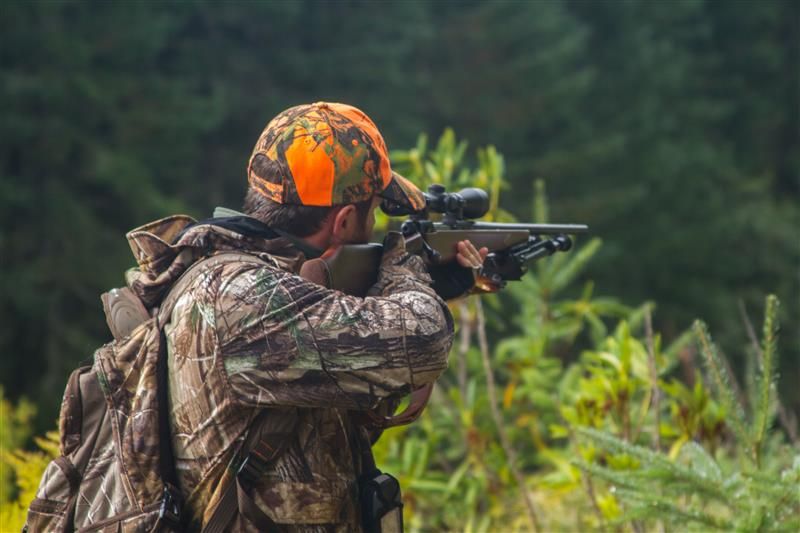
- Non-Lead Ammunition Requirement: California law mandates the use of certified non-lead ammunition for ALL hunting statewide (huntinglocator.com). This has been in effect since July 1, 2019. Whether you’re hunting big game, upland birds, waterfowl, or even shooting a ground squirrel, you cannot use lead bullets or shot. Common non-lead options include copper, copper alloys, steel, tungsten, and bismuth for shot. (Note: Waterfowl hunters were already required by federal law to use non-toxic shot, but CA extended this requirement to rifles and all other ammo.) Ensure that any ammunition you purchase is labeled as CA-certified non-lead. Our store offers a comprehensive selection of lead-free hunting ammunition, ranging from copper rifle bullets to steel shotgun shells, to ensure compliance
. - Firearms and Magazine Restrictions: California has some of the strictest gun laws in the country, and they do impact hunters. Key points: Semi-automatic rifles (like AR-style modern sporting rifles) must be in a California-compliant configuration if you use them for hunting (fixed magazine or “featureless” stock/grip setups per state law). Standard capacity magazines over 10 rounds are banned for civilian use in California, so your hunting firearm’s magazine is limited to 10 rounds maximum (and remember, for migratory bird hunting, federal law limits shotguns to 3 shells anyway). Suppressors (also known as silencers) are illegal to possess or use in California (silencershop.com). There are no legal hunting scenarios in this state where suppressors are permitted. (Currently, possessing a suppressor is a felony in CA, so don’t bring one in from out of state either.) It’s also illegal to have any firearm chambered in .50 BMG caliber. Shotguns used for hunting can’t hold more than 3 shells in the chamber and magazine combined when hunting migratory birds (ducks, geese, doves) – you must have a plug. For upland game (pheasant, quail, etc.), state regs also limit shotguns to 3 rounds. Handguns can be used for hunting certain game (like revolvers for deer), but semi-auto handguns would need to comply with magazine limits (10) and are generally not practical for most hunting situations, except perhaps as a sidearm.
- Archery and Crossbow Regulations: During archery-only seasons, you may not possess a firearm. Broadheads must be a certain size (7/8” min width), and no explosive or chemical tips are allowed. Crossbows can only be used during general seasons, not during archery-only season, by able-bodied hunters (unless you have a disabled hunter exemption permit), because crossbows are treated like firearms in California.
- Baiting and Feeding: It is illegal to bait or feed big game in California (wildlife.ca.gov) (lakeconews.com). You cannot hunt deer, bears, elk, etc., within 400 yards of any baited area. “Bait” is defined as any feed, salt, or other attractant placed for wildlife. Simply put, do not use bait piles or automatic feeders for game. (Feeding wildlife is generally prohibited anyway for disease and dependency reasons.) For migratory birds, the federal baiting law also applies – you can’t hunt waterfowl over bait (e.g., a flooded field deliberately spread with grain), and CA enforces that strictly.
- Use of Dogs: The use of dogs for hunting varies by species. Illegal for big game: You may not use dogs to hunt deer in California (that’s been long banned). Using dogs to hunt bears or bobcats is also illegal, according to huntinfool.com – since 2012, hounding bears/bobcats has been prohibited. For wild pigs, using trained hog dogs is permitted (as pigs are not classified as game mammals in the same way, and the hound ban does not apply to them). Many pig hunters successfully use dogs, especially in dense cover. Upland game birds: You can absolutely use bird dogs for upland hunting – in fact, using flushing dogs or pointing dogs for pheasant, quail, etc., is common and legal. Waterfowl: Retrievers are not only allowed but encouraged for conservation (to retrieve downed birds). Raccoons: Dogs can be used at night with a permit for raccoon hunting. Always keep dogs on leash during closures and be aware of any local leash laws or predator control programs that might put dogs at risk.
- Hunting Hours: In California, legal shooting hours for big game and for upland game birds are typically ½ hour before sunrise to ½ hour after sunset (for big game) and ½ hour before sunrise to sunset (for upland birds) – but NOT for migratory game birds. For **waterfowl, doves, and other migratory birds, shooting hours end at sunset (not 30 min after) and start at ½ hour before sunrise fgc.ca.gov. Always check the official tables for sunrise/sunset for your location and date – the regs usually include a table or reference point. No shooting of game is allowed at night (except authorized night hunting for certain non-game like varmints with spotlight permits).
- Safety Zones: California law forbids shooting within 150 yards (450 feet) of any occupied dwelling or building without the occupant’s permission (huntinglocator.com). This is essentially a “safety zone” around houses, outbuildings, campgrounds, and other similar areas. When hunting near private property or rural homes, be very mindful of this distance. Additionally, many incorporated areas or county ordinances have specific no-shooting zones or discharge laws in place. It’s the hunter’s responsibility to ensure they’re legally discharging a firearm only in areas open to hunting and at safe distances. On public lands, such as National Forests, general hunting is allowed, but not near campsites, trailheads, or other high-use areas – use common sense and maintain a 150-yard (or more) buffer.
- Tagging and Reporting: All big game (deer, elk, bear, pronghorn, bighorn) require tags, and the animal must be tagged immediately upon kill. Carry your tag with you while hunting. Upon harvesting, fill out and attach the tag to the carcass before moving it. California also has a mandatory reporting requirement – for deer tags, you must report your hunt results (whether you took an animal or not) by January 31 online or by mail. Failure to report deer harvest or no-take will result in a penalty fee (currently $21.60) on your next license purchase nrm.dfg.ca.gov. Bear tags and other species have their own reporting or check-in mandates (e.g., bear must be presented to a CDFW office within 10 days of kill for tooth extraction). These rules help biologists gather data. Bottom line: tag it and report it later.
- Transporting Game: When transporting your harvested game, remember that evidence of sex must remain attached for species with sex-specific rules (like buck deer, tom turkey). For waterfowl, you can’t breast out birds in the field and discard the rest – you must transport a fully feathered head or wing attached for identification until you reach home. Also, California has strict laws about importing carcasses from out-of-state due to Chronic Wasting Disease (CWD) – if you hunt out of state and bring meat back, only certain parts are allowed. Within CA, no issues, but be aware of the following if you travel.
- Permission and Posted Lands: Always obtain permission before hunting private property. California law prohibits trespassing on private land for hunting without permission, and many productive hunting areas are privately owned ranches. If land is posted with signs or fenced, assume it’s off-limits unless you have permission. Some public lands, such as military bases (e.g., Vandenberg Air Force Base, Camp Roberts), require special permits or check-in procedures.
- Use of Motor Vehicles and Drones: You may not shoot any animal from a motor vehicle (this includes ATVs) – standard fair chase law. Additionally, using drones/UAVs to assist in hunting (to scout or drive game) is illegal in California. Off-road travel is restricted on public lands – use only established roads/trails with vehicles.
- Hunter Orange: Unlike some states, California does not require blaze orange by law for general hunting. However, it’s strongly recommended for safety when pursuing big game or upland birds. If you’re rifle hunting deer in the D zone public land, wearing orange could save your life. Many local hunter education instructors urge wearing at least an orange hat or vest, even though it’s not mandated. (Exception: Hunters on apprentice pheasant hunts or some refuges might be required to wear orange per hunt regs.)
- Suppressors and Other Prohibited Devices: Suppressors are completely banned. Additionally, there should be no fully automatic firearms for hunting. No tracer or incendiary ammo (fire hazard). No night vision scopes or artificial lights for big game. California also bans the use of thermal imaging scopes for hunting game animals. For non-game species like coyotes, spotlighting with handheld lights is allowed if you have permission in that area (check county rules and ensure it’s not big game season in that area). It’s illegal to use any poison or tranquilizing agents on wildlife. Additionally, airbows are a relatively new technology – not yet legal for big game hunting in CA. Air rifles can be used for small game, such as rabbits or squirrels, but they must be sufficiently powerful, and non-lead pellets must be used.
- Capacity and Ammo Limits: Aside from magazine limits mentioned, note that for shotguns, no larger than #BB shot may be used for waterfowl (and no lead). For turkey, you cannot use shot larger than #2 in the shotgun. Rifles are not allowed for turkey hunting (shotgun or archery only). In some shotgun-only areas (like specific counties or condor range areas for certain species), you may be restricted to slug ammo or buckshot for big game – but generally rifles are allowed in most of CA except where local ordinances (or archery-only zones) say otherwise.
It’s a long list, but these are the major points. California’s hunting regulations are detailed, so always read the official regulations for the species you intend to hunt. When in doubt, contact a CDFW office for clarification – they are very helpful in explaining rules to ensure you stay legal. As a responsible hunter, being aware of these laws not only keeps you on the right side of the law but also promotes safety and ethical hunting.
For further reference, the California Department of Fish and Wildlife website has a great FAQ and resources on hunting regulations, and the Fish and Game Code and Title 14 CCR (California Code of Regulations) are the legal source (though a bit dense). A useful shortcut is the online e-regulations summaries or CDFW’s Hunting Digest.
Key Table: Summary of Key California Hunting Regulations
This table provides a concise summary of California’s most critical hunting regulations. It highlights areas where non-compliance can result in significant penalties or where California’s laws differ substantially from those of other states. This quick reference empowers hunters to avoid common legal pitfalls and ensures they are properly equipped and informed before entering the field.
| Regulation Category | Rule/Requirement | Key Details/Exceptions | Relevant Penal Code/CCR Section | Official Source Link (CDFW/FGC) |
| Ammunition | Nonlead ammunition required for all wildlife take with firearms statewide. | Applies to rifles, pistols, shotguns. Nonlead centerfire rifle/pistol ammo for big game/coyote in condor range. | CCR Title 14, § 250.1, FGC § 3004.5 | (https://wildlife.ca.gov/Hunting/Nonlead-Ammunition) |
| Suppressors | Illegal for civilian possession, sale, or use, including hunting. | Felony offense. No exception for federally registered or non-residents. | Penal Code § 33410 | (https://www.silencershop.com/hunting-with-a-suppressor-in-california) |
| Magazine Capacity | Generally illegal to possess, transfer, sell, or manufacture magazines holding >10 rounds. | Exceptions for law enforcement. Penalties vary from infraction to felony. | Penal Code § 32310, Penal Code § 16740 | (https://www.shouselaw.com/ca/defense/penal-code/32310/) |
| Shooting Hours | Unlawful to take game (except nongame mammals) ½ hour after sunset to ½ hour before sunrise. | Specific exceptions may apply. | FGC § 3000, CCR Title 14, § 250.5 | Animal Law Info: CA Hunting Article 1 |
| Hunting While Intoxicated | Unlawful to take birds/mammals with firearms, BB devices, crossbows, or bows/arrows while intoxicated. | FGC § 3001 | Animal Law Info: CA Hunting Article 1 | |
| Shooting from Vehicles/Aircraft | Unlawful to shoot at game from a powerboat, sailboat, motor vehicle, or airplane. | FGC § 3002 | Animal Law Info: CA Hunting Article 1 | |
| Internet Hunting | Unlawful to shoot/kill animals via a remote internet connection. | FGC § 3003 | Animal Law Info: CA Hunting Article 1 | |
| Baiting | Prohibited for resident game birds, game mammals, and exotic game mammals. | CCR Title 14, § 257.5 | (https://fgc.ca.gov/Regulations/Current/Mammals) | |
| Electronic Calls | Prohibited for resident game birds. Restricted for waterfowl (e.g., spinning wing decoys after Nov 30). | CCR Title 14, § 311, § 507(c) | (https://nrm.dfg.ca.gov/FileHandler.ashx?DocumentID=203137&inline) | |
| Hunter Education | Required for all annual hunting license applicants. | Proof of prior CA license, CA certificate, or equivalent from another state/province. | (https://wildlife.ca.gov/Licensing/Hunting) | |
| Trespass | Written permission is required to hunt on private property. | Hunter trespass laws are strictly enforced. | (https://nrm.dfg.ca.gov/FileHandler.ashx?DocumentID=83172) |
Licensing and Permits Information
Navigating California’s licensing and permit system is a crucial first step for any hunter. The California Department of Fish and Wildlife (CDFW) is the primary authority managing all hunting licenses, validations, and tags.
Types of Licenses Available
California offers several categories of hunting licenses to accommodate various hunter demographics and activities:
- Annual Hunting License: This license is valid from July 1 through June 30 of the following year. It is mandatory for all residents and non-residents aged 16 years or older who intend to take birds or mammals.
- Junior Hunting License: Designed for resident or non-resident hunters who are under 16 years of age at the commencement of the license year (July 1).
- One-Day Non-resident Hunting License: This specific license caters to non-residents who plan to hunt resident and migratory game birds exclusively at Licensed Game Bird Clubs or Licensed Domesticated Migratory Game Bird Shooting Areas. It requires an additional Upland Game Bird Validation or a Federal Duck Stamp, coupled with a California Duck Validation.
- Two-Day Non-resident Hunting License: Introduced for the 2023-2024 hunting license year, this license permits non-residents aged 16 or older to take resident and migratory game birds, resident small game mammals, wild pigs, nongame mammals, and furbearers for two consecutive days. It is important to note that this license is explicitly not valid for hunting deer, bear, elk, pronghorn antelope, or bighorn sheep.
- Reduced-Fee Licenses: The CDFW offers reduced-fee hunting licenses to specific eligible individuals, including honorably discharged disabled veterans with a 50% or greater service-connected disability and recovering service members undergoing medical treatment for serious military-related injuries or illnesses.
Annual License Fees (2025-2026)
The fees for California hunting licenses for the 2025-2026 license year (valid July 1, 2025, through June 30, 2026) are structured as follows:
- Resident Hunting License: $62.90.
- Non-resident Hunting License: $219.81.
- Junior Hunting License: $16.46.
- One-Day Non-resident Hunting License: $30.24.
- Two-Day Non-resident Hunting License: $62.90.
- Disabled Veteran/Recovering Service Member Reduced Fee: $9.79 when purchased at CDFW Offices, or $10.29 from License Agents.
All license fees incorporate a 3% nonrefundable application fee, capped at $7.50 per item. Additionally, licenses acquired from licensed agents include a 5% nonrefundable handling fee.
Hunter Education Requirements
To purchase a California hunting license, applicants must demonstrate proof of having met California’s hunter education requirements. Acceptable forms of proof include:
- An annual California hunting license issued in any prior year.
- A Two-Day Non-resident California Hunting License issued after the 1999/2000 license year.
- A California hunter education certificate or equivalency bearing a unique identification number (e.g., AA00000) or a California hunter education validation stamp.
- A certificate of successful completion from a California-approved hunter education course offered by any other state or province.
- A current hunting license or a hunting license issued within the two preceding years from any other state or province.
Big Game Drawing: Application Process & Deadlines
Tags for premium deer, elk, pronghorn antelope, and bighorn sheep hunts are allocated through an annual big game drawing. The application deadline for this drawing is
midnight on June 2nd of each year. Hunters are strongly advised to submit their applications well in advance of June to mitigate the risk of last-minute errors that could result in missing the drawing, as late applications are not accepted.
Applications for the big game drawing can be submitted through the Automated License Data System (ALDS), which is accessible online, at any CDFW License Sales Office, through authorized License Agents, or via telephone sales. When applying online, it is crucial to ensure the transaction is fully completed and to download the drawing application receipt as confirmation of the process. Hunters should also verify their receipt when purchasing from a license agent to confirm successful submission. For those who have turned 18 since their last license purchase, updating their customer record with a valid form of identification (e.g., DMV ID, driver’s license, Military ID) is necessary before applying. This can be done online, through a license agent, or by contacting the CDFW directly.
Wild Pig Validation Requirements
A wild pig validation is required to hunt wild pigs in California, in addition to a general hunting license. Unlike big game tags, there is no limit on the number of wild pig validations a hunter may purchase. Starting in 2024, it’s now a one-time Wild Pig Validation on your license. That costs $27.57 for residents and $98.85 for non-residents nrm.dfg.ca.gov and covers unlimited pig take for the license year. (Previously, individual pig tags were ~$25 each for residents, so the new system is a good deal if you hunt pigs often. Non-resident pig hunting remains expensive, likely to deter casual opportunistic take, or simply to increase revenue from out-of-state hunters. To hunt pigs, just make sure you add the pig validation to your license at purchase. No draw, no quota – it’s available any time.
Purchasing Licenses and Tags
Hunting licenses and tags can be purchased conveniently through several channels:
- Online: Via the CDFW’s Online License Sales and Services website.
- CDFW License Sales Offices: Hunters can visit any of the official CDFW License Sales Offices.
- License Agents: Authorized license sales agents are available throughout the state.
- Telephone: By calling (800) 565-1458.
Hunters purchasing tags online or by telephone should allow approximately 15 days for delivery.
Key Table: California Hunting License Types & Fees (2025-2026)
This table provides a concise overview of the various hunting license types available in California, along with their corresponding fees for the 2025-2026 license year. Understanding these costs and requirements is crucial for effective financial planning and ensuring legal compliance before engaging in any hunting activity.
| License Type | Description | Fee (2025-2026) | Eligibility | Purchase Channels |
| Resident Hunting License | Required for residents 16+ taking birds/mammals. | $62.90 | CA Resident 16+ | Online, CDFW Office, License Agent, Phone |
| Non-resident Hunting License | Required for non-residents 16+ taking birds/mammals. | $219.81 | Nonresident 16+ | Online, CDFW Office, License Agent, Phone |
| Junior Hunting License | Required for hunters under 16 taking birds/mammals. | $16.46 | Resident/Nonresident <16 (on July 1) | Online, CDFW Office, License Agent, Phone |
| One-Day Nonresident Hunting License | For nonresidents taking game birds at licensed clubs. | $30.24 | Nonresident (specific club hunting) | Online, CDFW Office |
| Two-Day Nonresident Hunting License | For nonresidents taking game birds, small game, wild pigs, nongame animals, and furbearers for a period of 2 days. | $62.90 | Nonresident 16+ (Not valid for deer, bear, elk, pronghorn, bighorn sheep) | Online, CDFW Office, License Agent, Phone |
| Disabled Veteran Reduced Fee Hunting License | For eligible disabled veterans (50%+ service-connected disability). | $9.79 (CDFW Office), $10.29 (Agent) | Resident/Nonresident Disabled Veteran (prequalification req.) | CDFW Office, License Agent (after prequal.) |
| Recovering Service Member Reduced-Fee Hunting License | For eligible recovering service members. | $9.79 (CDFW Office), $10.29 (Agent) | Active Duty/Reserve/National Guard (prequalification req.) | CDFW Office, License Agent (after prequal.) |
| Wild Pig Validation | Required for hunting wild pigs. | (Fee not specified, generally nominal) | All hunters of wild pigs | Online, CDFW Office, License Agent, Phone |
Recent Wildlife Sightings and Community Insights
Hunting success often hinges on knowing current wildlife patterns and conditions. In this section, we’ve gathered some recent data on wildlife sightings and trends across California’s hunting zones, gleaned from forums, social media, and local hunter reports. Consider these community-sourced insights as you plan your hunts – they highlight animal behaviour, population trends, and environmental factors that could impact your odds:
- Deer Population Trends: After several years of drought, California saw a much wetter winter in 2022–2023 and a decent winter in 2024. This appears to have had mixed effects on deer herds. In the Eastern Sierra (X zones), an exceptionally severe winter in 2023 led to higher mortality of deer – hunters reported seeing fewer mature bucks and very few fawns last year in some of those high country units jesseshunting.com. For example, a hunter in X9A (around Mono County) noted that the harsh winter and drought prior left the herd in rough shape, with low fawn recruitment – he “saw very few fawns with the does last year,” implying a dip in young deer survival jesseshunting.com. This may mean buck sightings (especially yearlings and two-year-olds) could be lower in 2025 in parts of the Eastern Sierra, as those missing fawn cohorts would be yearlings now. On the flip side, the west slope of the Sierra and coastal ranges seem to be faring better – hunters have observed healthy deer on the west slope Sierra zones, with good body condition, as reported by jesseshunting.com. Improved range conditions from abundant spring forage in 2023–24 likely helped does enter estrus in good health and produce twins. So, areas in the A zone and D3-D5 (foothills) might see a bump in deer numbers. In Northern California’s B and C zones, anecdotal reports indicate populations are stable to slightly rising, thanks to the lush feed from the rains. Trail cameras set out in Mendocino and Trinity counties in summer 2024 captured numerous does with fawns and some high-quality blacktail bucks. Overall, deer hunters should remain aware of the weather: in dry years, deer tend to concentrate near water sources; in wet years with ample food, deer are more dispersed. After the big winter, expect deer to be in areas with regrowth of vegetation that was previously barren during drought.
- Deer Movements and Rut Timing: Recent forum chatter around D and X zones suggested that last season (2024) saw deer staying at higher elevations for longer due to mild early fall weather. For example, hunters in D14 (San Bernardino Mountains) in Southern California reported more late-season high-elevation sightings, which is unusual since deer typically begin moving down by October. If the early autumn of 2025 is warm, consider hunting higher ridges and north-facing slopes where deer tend to linger. The mule deer rut in California typically peaks around mid-November in the Sierra and northern zones, and a bit later (late Nov into Dec) in some southern zones. Recent sightings in the X zones during the late season (October) have been sparse for big bucks, but some optimism remains that the improved range will produce more rutting activity this year. Keep an eye on moon phases – there’s community talk that the full moon in late October 2025 could make deer more nocturnal during shooting hours, so hunters are planning to target the darker periods or hope for weather to get bucks moving in daylight.
- Elk and Pronghorn: California’s elk herds are generally expanding slowly. Notably, there was a new sighting of elk in an area south of Lake Tahoe in 2023, where they hadn’t been seen for decades, latimes.com – a sign that populations (likely of Rocky Mountain elk from the north) are spreading. For those lucky enough to draw an elk tag, the consensus from recent hunter reports is that 2024 was a good year – ample water and forage meant elk were in great shape, though it also meant they were not as concentrated around water holes. In Northwestern CA (Roosevelt elk country), locals noted seeing bulls in areas closer to clear-cuts and openings where new grass grew after rains. For pronghorn, surveys in the northeast indicate stable numbers, but hunters on forums did mention pronghorn seemed to roam further than usual last season, perhaps due to more water being available across the landscape (they weren’t as tied to singular waterholes). If you draw a pronghorn tag, it might pay to cover more ground or glass longer distances, as the animals may not be clustered as tightly at water as during drought years.
- Wild Pig Activity: Wild pigs continue to be abundant, especially along the Central Coast. Community reports from winter 2024/25 hunts (Monterey, San Luis Obispo counties) consistently showed high hog numbers, with many hunters taking 2–3 pigs on a weekend trip. Pigs have also been ranging slightly higher elevations, as cool, wet weather has provided forage everywhere. In spring/summer, as usual, pigs concentrate near water and wallows. On public lands, pigs are notoriously tricky, but a user on a hunting forum emphasized, “There are PLENTY of pigs on public land… good luck getting anyone to tell you where” longrangehunting.com – which humorously underscores that the pigs are out there, but successful hunters guard their spots closely. One notable development: the new pig validation system (unlimited take) has encouraged some local hunting groups to organize “pig reduction hunts” on properties where pigs cause damage, and many have reported greater success (and willingness to take multiple pigs) now that they don’t have to buy multiple tags. This could mean more hunting pressure on pigs in general – over time, that might make them warier. For now, though, the pig population is robust. In places like Tehama, Mendocino, and even San Diego County, trail cams picked up increased pig activity after the wet winter. If you’re targeting pigs, check recent reports for the specific wildlife area or national forest – hunters often share if they’ve seen fresh rooting or trails.
- Black Bear Sightings: As mentioned, California’s black bear numbers are at an all-time high (50k+). Even with a decent harvest of ~1,000 bears last year, that’s well below the potential harvest. What this means for hunters: more bears in more places. Deer hunters, in particular, have been reporting an increase in bear encounters. For example, in D zone forests (El Dorado, Tahoe areas), multiple hunters in 2024 noted seeing more bears than deer on their cameras. One hunter quipped that “our bear population is impressive.”hunttalk.com – Bears are even expanding into coastal and valley areas not traditionally known for them. In Southern California, there have been numerous bear sightings in the San Gabriels and even the Santa Monica Mountains. So, if you have a bear tag, be ready – you might get a chance even when you’re not explicitly targeting a bear. The community insight here is that since hound hunting ended, bears haven’t learned the same fear of humans, so they’re often active in daylight. However, they can be very mobile – one day hitting a berry patch, the next day gone. If you find fresh sign (tracks, scat) while scouting, set up in that area; many hunters successfully took bears by sitting over canyon choke points or water sources in the afternoons.
- Waterfowl Migration and Habitat: The 2024–25 waterfowl season in California was a mixed bag that leaned positive early and tough late. Early in the season (October through December 2024), many hunters reported excellent duck numbers. A veteran duck hunter on a forum said it was his “best [duck season] in 7 years” during the first half, crediting the sheer ton of birds that migrated down on the heels of storms jesseshunting.com. The Sacramento Valley and refuges like Colusa, Delevan had strong averages in November. However, by January 2025, the birds had become very stale, and hunting became difficult – “empty skies” on some days and educated ducks that flared from decoys. One report noted January was horrible for ducks, likely due to mild weather and birds already being heavily pressured, jesseshunting.com. Goose hunting was oddly poor in many areas; one experienced hunter mentioned it was his “worst ever” goose year, even though ducks were decent (jesseshunting.com). Snow geese in particular seemed to stop short in the north or stayed in closed zones. Youth hunters in the Grasslands (Merced County area) struggled, with one group of five kids bagging only one duck among them on a late-season weekend, as reported by jesseshunting.com, highlighting the challenge of hunting educated birds. Looking ahead, there is cautious optimism: The winter of 22–23 broke the drought, refilling many marshes. In early 2023, it was reported that record rainfall and snowfall pulled most of California out of drought, greatly improving wetland habitats (ducks.org). This carried into fall 2024 with good habitat conditions statewide. The caveat was the extreme lack of water in the far northeast (Klamath NWR), which remained dry and largely closed to hunting due to water shortages (ducks.org), forcing waterfowl to migrate elsewhere. For 2025, if water allocations hold, places like the rice fields and wildlife areas in the Sacramento Valley should have abundant habitat – possibly meaning ducks will have more places to spread out (which can make hunting a bit tougher without weather to concentrate them). On the bright side, “habitat conditions [are] much improved… elsewhere in the state” ducks.org, so waterfowl populations should be strong. Watch for reports in September 2025: a heavy local duck production was expected given the wet spring, and early migratory indicators (like young birds in the bag) will tell us if it was a good breeding year. Also, pay attention to colder storms up north – California hunting often heats up when freezing weather in the Pacific Northwest pushes new waves of ducks and geese south.
- Upland Game & Turkey Observations: Upland birds tend to boom and bust with weather, and 2023’s rains likely led to a boom in quail and chukar recruitment. Indeed, many Southern California hunters on forums noted that by fall 2024, quail coveys were larger than they’d seen in years, and chukar were heard calling in areas they hadn’t been before. For example, in the Mojave Desert, a group scouting for chukar in October discovered multiple coveys, where there had been almost none the previous year. They attributed this to the presence of full water guzzlers and lush annual plants, which helped chick survival. Expect the 2025 upland season to also benefit from that carryover. Quail hunting in the chaparral foothills (e.g., Cleveland National Forest, eastern San Diego County) was reportedly excellent in 2024, with hunters limiting out or seeing coveys of 50 or more birds. Up north, mountain quail also did well – backpack hunters in Plumas County encountered plentiful broods. For pheasants, the number of truly wild birds observed was relatively few, continuing a declining trend; however, state wildlife areas that release farmed pheasants still provided opportunities for action.
As for wild turkeys, the feedback from the spring 2025 season was very positive. Many hunters shared that gobbler activity was high. One hunter proudly shared that 6 birds fell to his calls in Spring 2025 (between him and his buddies), jesseshunting.com, including some big toms with 10+ inch beards – an indicator of a successful season. This was a stark contrast to a few years ago, when flocks were scarce in some areas. Another experienced hunter from El Dorado County mentioned that turkeys had “all but disappeared the last two seasons” in his high-elevation public land spot, but in 2025 they came back strong – his group had “quite a few opportunities” and managed to take a fat Jake and saw mature gobblers (though they were cagey) jesseshunting.com. The turkey rebound is likely due to improved acorn crops and increased survival following the end of the drought. It appears that turkeys have shifted to higher ground during the drought and are now repopulating traditional lower areas as well. For fall 2025, turkey hunters might find more birds than in recent falls – watch for flock patterns around oak woodlands heavy with acorns, as reports indicate a very good acorn mast in autumn 2024, which turkeys will be targeting into 2025.
- Predators and Other Notes: California’s predator populations (coyotes, mountain lions) remain strong. Coyote activity is high – ranchers and hunters in the Central Valley and eastern Sierra foothills report plenty of howling at night and some livestock conflicts. This means opportunities for varmint callers are abundant. One might note that with high rabbit populations after the rain, coyotes and bobcats had ample food, so they might have experienced increased breeding success as well. Also, 2024 saw a few instances of wolverine sightings in the Sierra (near Yosemite and Tahoe), wildlife.ca.gov – while you can’t hunt those, it’s a cool sign of California’s recovering wildlife diversity.
In summary, community intelligence suggests that California’s wildlife is generally on the upswing after the drought years. Big game like deer might need another year or two to fully bounce back in hard-hit zones, but forage conditions are improved, which bodes well for antler growth and fawn survival. Waterfowl and upland game birds benefited from wetter conditions, although the distribution of water can alter hunting tactics. The key is to stay flexible: for example, if ducks aren’t coming to your usual marsh because there’s water everywhere, consider scouting rice fields or rivers where they might concentrate differently. Or if deer numbers are low in one canyon, be willing to move a ridge or two over. Engage with local hunting forums and Facebook groups; often, you can glean timely info like “acorns are thick in X area, deer are all over,” or “saw loads of doves near Y field yesterday.” We’ve cited some of those above. As part of the California hunting community, sharing information (to a reasonable extent) helps everyone adapt and succeed – just as we’ve compiled here.
Note: The above shared information about Wildlife Sightings is insight, not scientific data.
Hunting Tips and Recommendations (Gear & Best Practices)
Hunting in California can range from 90°F dove hunts in the desert to snowy backcountry deer stalks at 10,000 feet. Success comes from preparation, adaptability, and having the right gear for the job. In this final section, we provide state-specific hunting tips and gear recommendations for different types of hunting. We’ll also highlight some popular equipment that we offer at Dirty Bird Guns & Ammo that can give you an edge in the field. Our brand ethos is community-friendly, so consider this like advice from a fellow hunter at camp:
- Big Game Hunting (Deer, Elk, Bear)
- Prioritize preseason scouting (cameras, glassing, hiking).
- Optics matter: 8×42/10×42 binoculars; spotting scopes for open areas.
- Recommended calibers: .270 Win, .308 Win, 6.5 Creedmoor (use nonlead copper bullets).
- For dense cover/bear: lever-action .30-30 or .45-70 with copper loads.
- Footwear: high-ankle boots (Kenetrek, Danner) for side-hilling.
- Layer clothing for variable weather; pack insulating layers and game bags.
- Key brands we stock: Vortex, Savage, Ruger, Hornady, Barnes.
- Waterfowl Hunting
- Focus on concealment (camouflage suited to local terrain, face coverings).
- Use a mix of mallard, pintail decoys; spinning-wing decoys legal after Dec 1 (check zone rules).
- Reliable 12ga semi-auto/pump; 3” steel or bismuth loads (#3/#4 ducks, BB/#2 geese).
- Bulk ammo savings at Dirty Bird (steel, bismuth, tungsten).
- Scout refuges in advance; hunt windy days for best movement.
- Gear essentials: waders, decoys, calls, ammo.
- Upland Bird Hunting (Dove, Quail, Chukar, Pheasant, Turkey)
- Dove: lightweight camo, #7.5/#8 shot, hydration, immediate retrieval of downed birds.
- Quail/Chukar: 20-gauge preferred, sturdy boots, carry water for both the dog and yourself.
- Pheasant: 12-gauge, #5/#6 shot, benefits from hunting with dogs.
- Turkey: 12-gauge with tight choke, #4/#5/#6 shot, consider red dot sights.
- Use proper shot types; red dots enhance accuracy in low light.
- Accessories: bucket seats, shooting glasses, hydration packs.
- General Gear Advice
- Land navigation: GPS apps (OnX, Gaia) with offline maps.
- Safety: first aid, survival kits, and snake gaiters in warm regions.
- Optics: Rangefinders for open country (Vortex and Leupold recommended).
- Layered clothing for wide temperature swings.
- Hydration: stash extra water in truck or pack.
Community & Resources
- Use forums (Jesse’s Hunting, CalGuns, SCH Outdoors) for local insights.
- Monitor fire closures, land access via USFS, BLM, and peer updates.
- Engage in organized mentored hunts (CWA, MDF) for regional knowledge.
Recommended Products from Dirty Bird:
We’re proud to offer gear suited for CA conditions. A few popular items among our local customers:
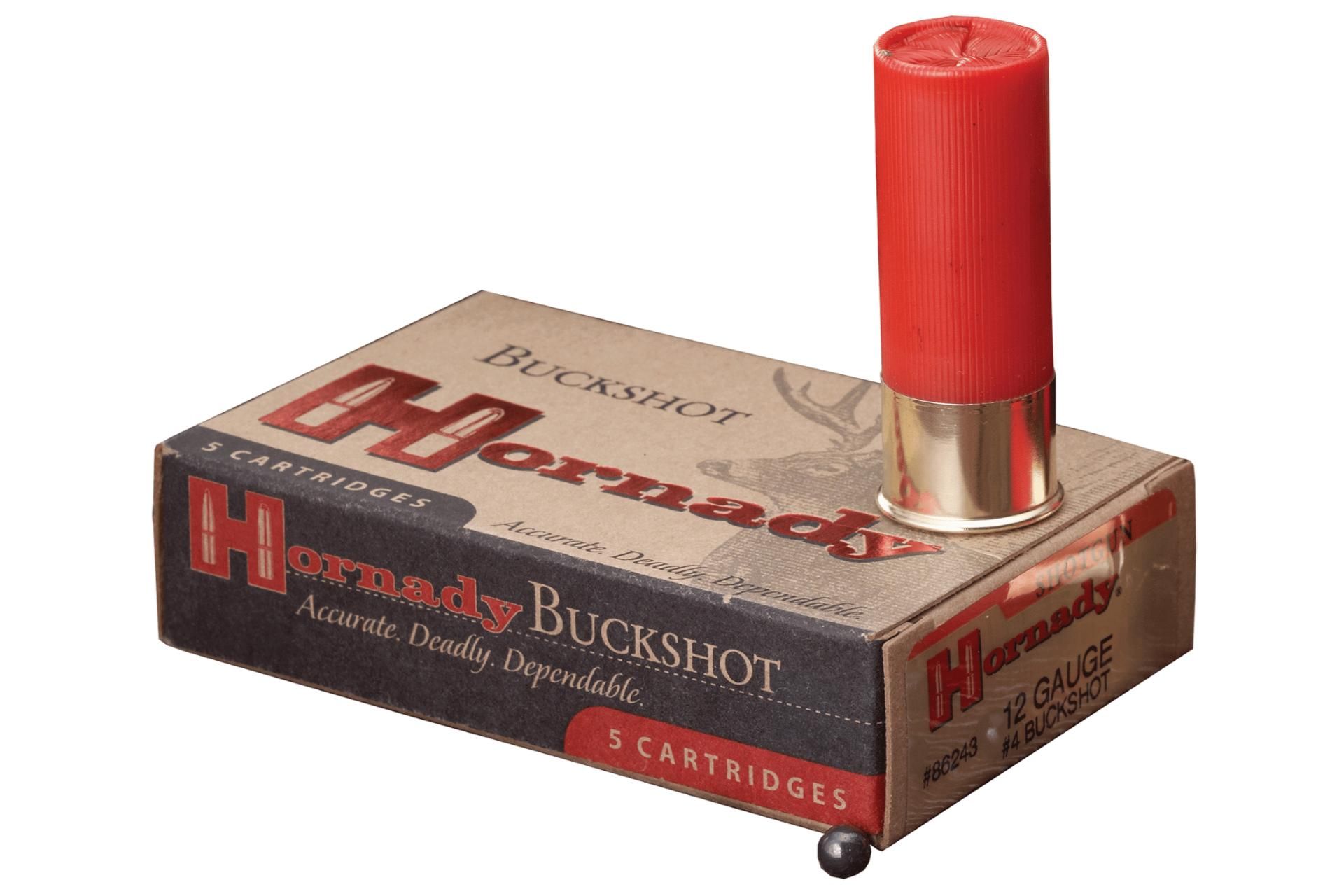
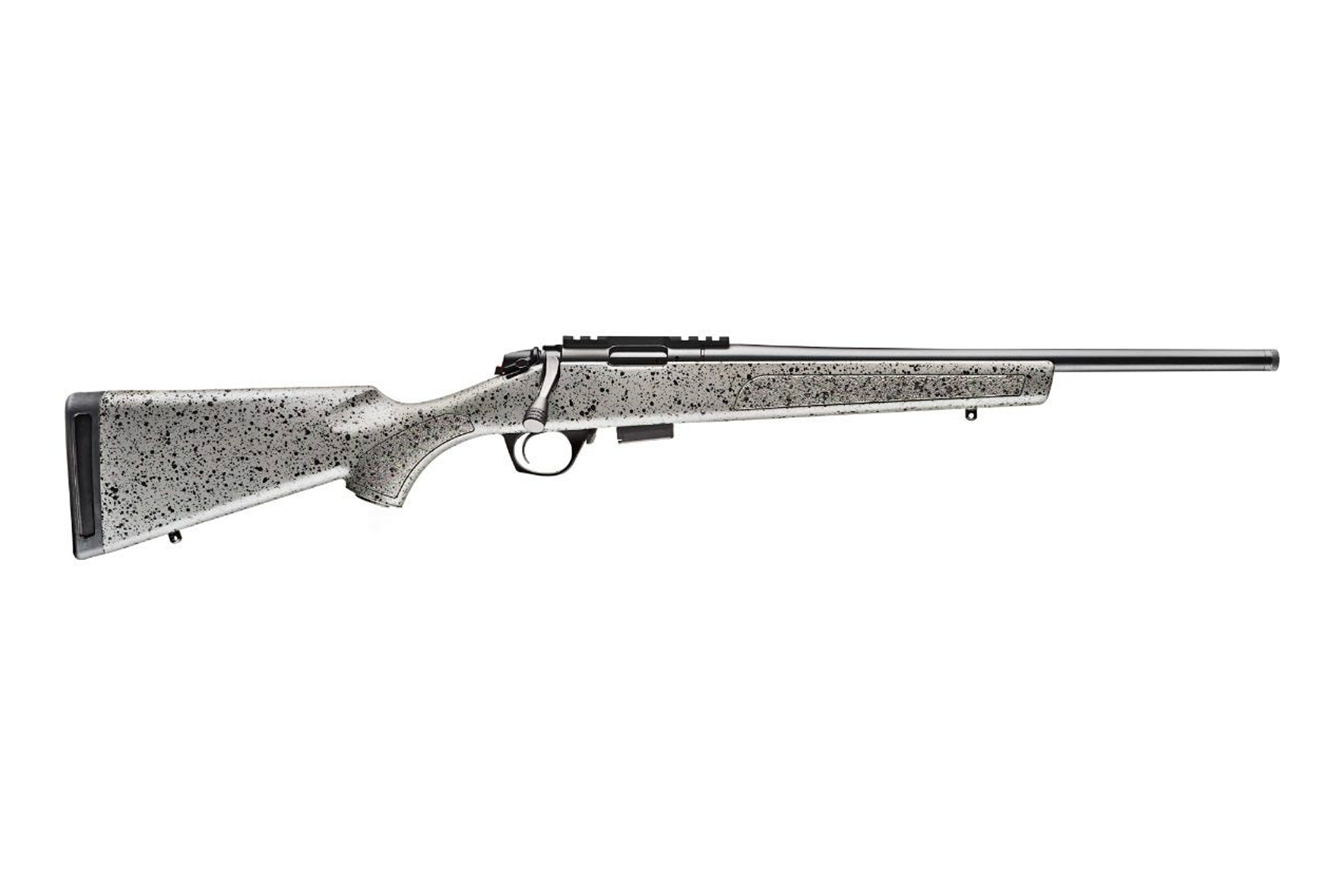
 CA Compliant
 CA Compliant
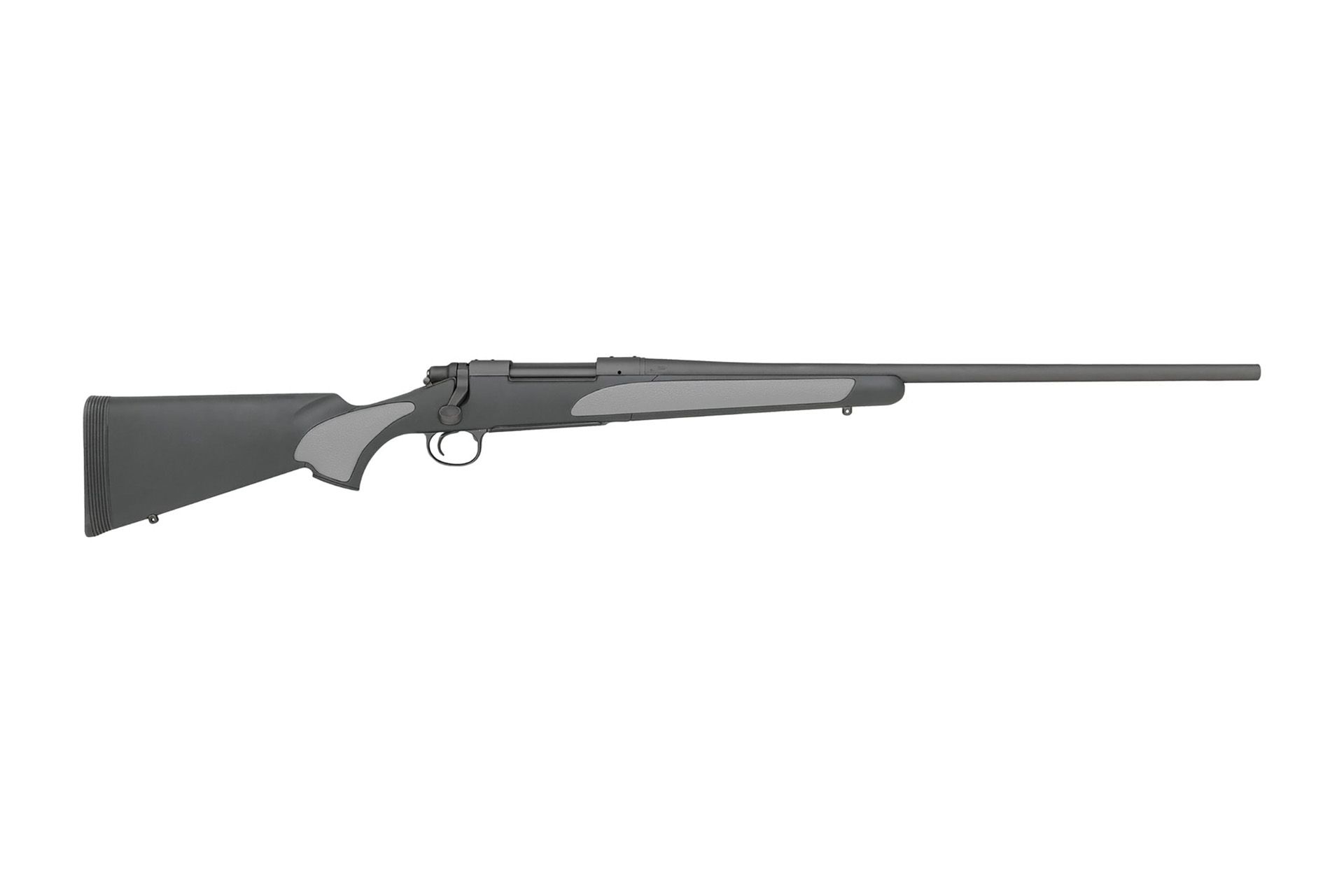
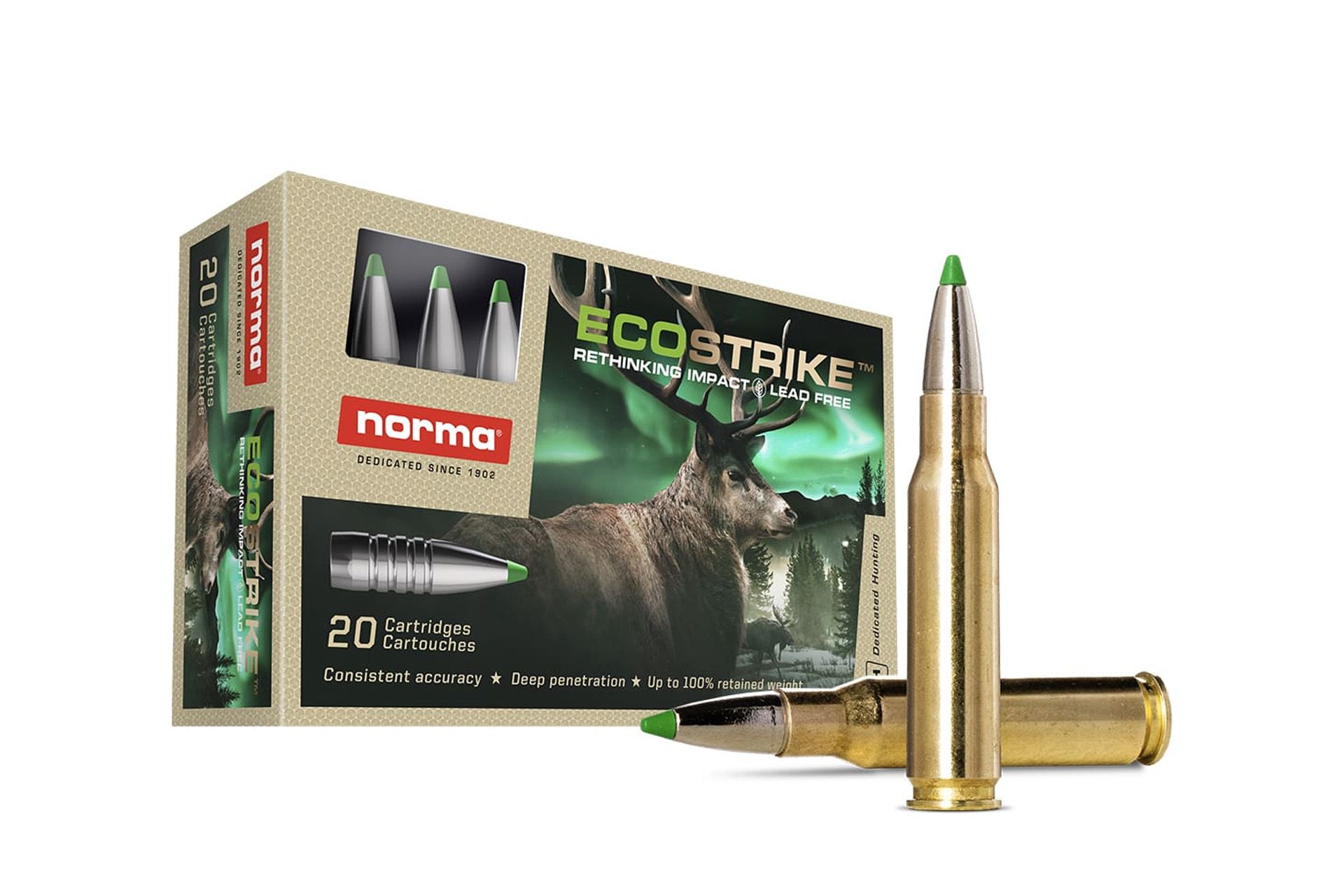

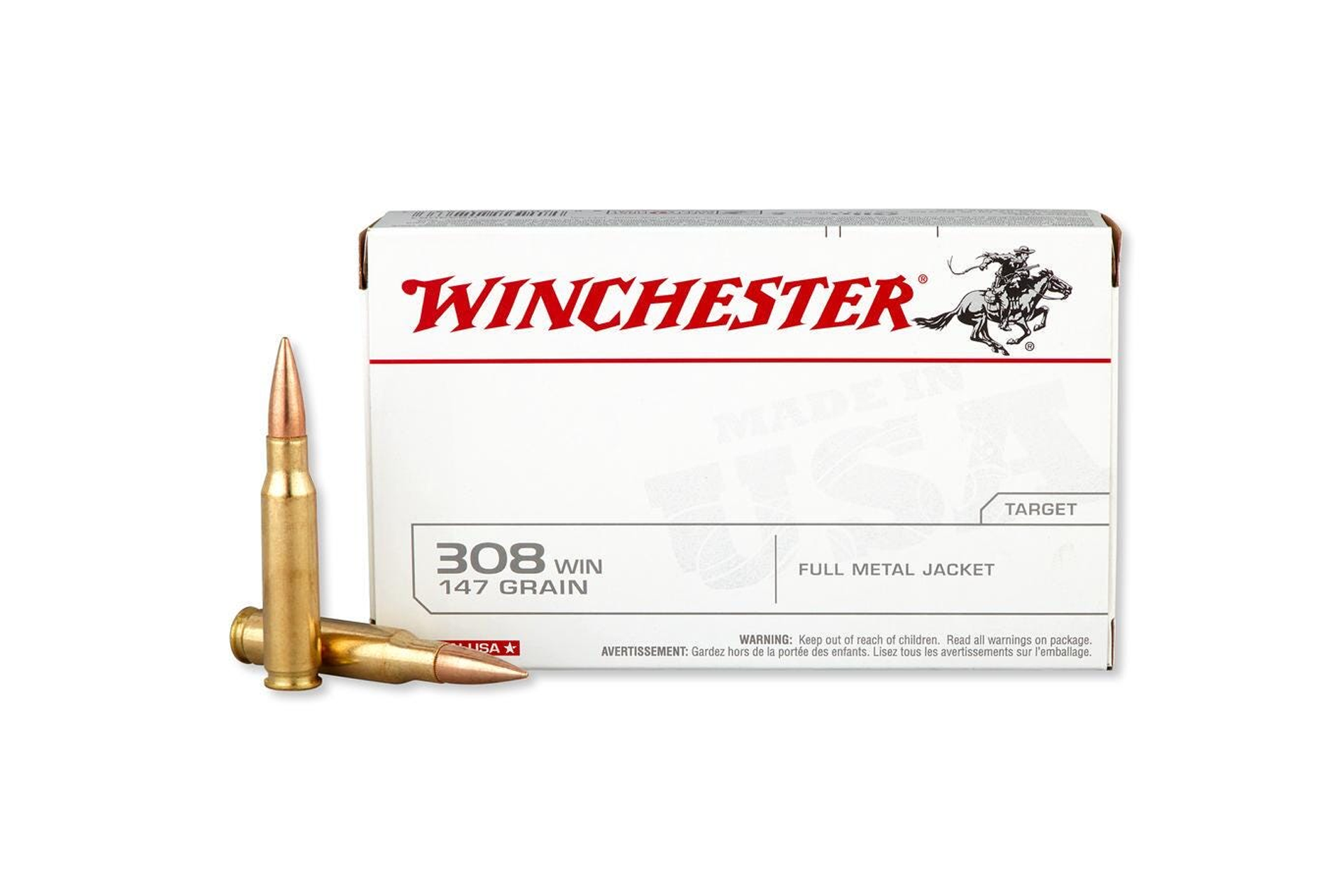
 CA Compliant
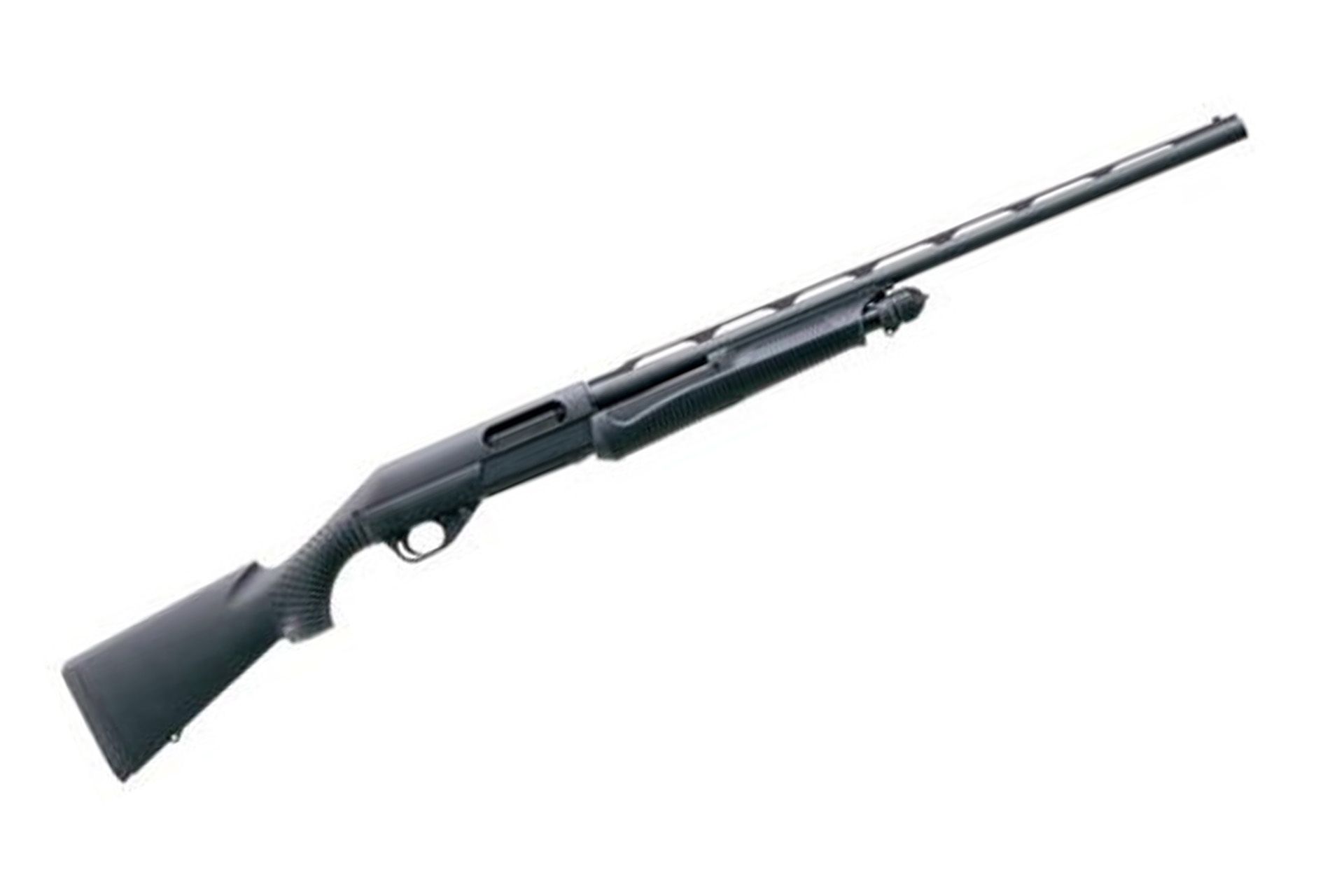

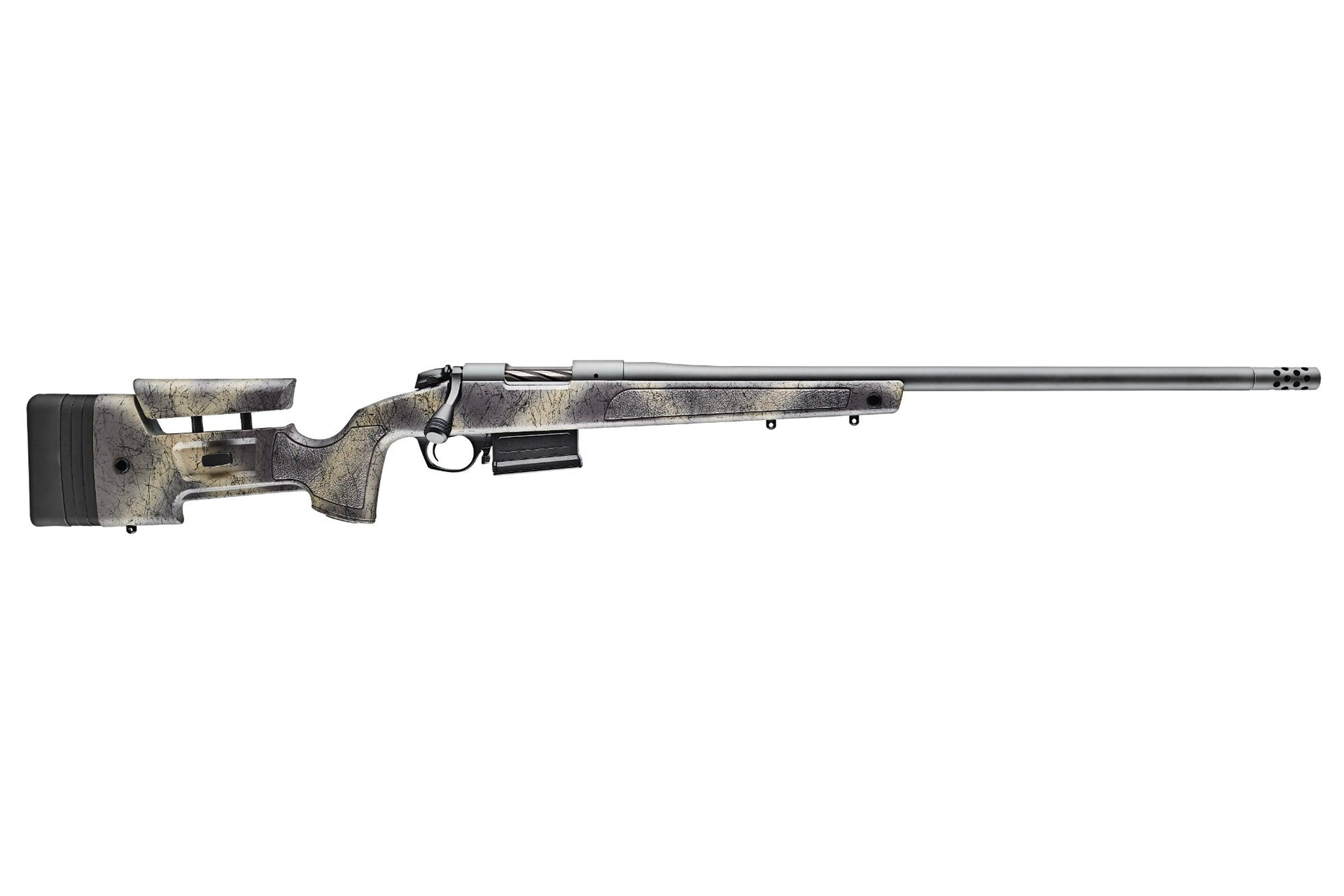
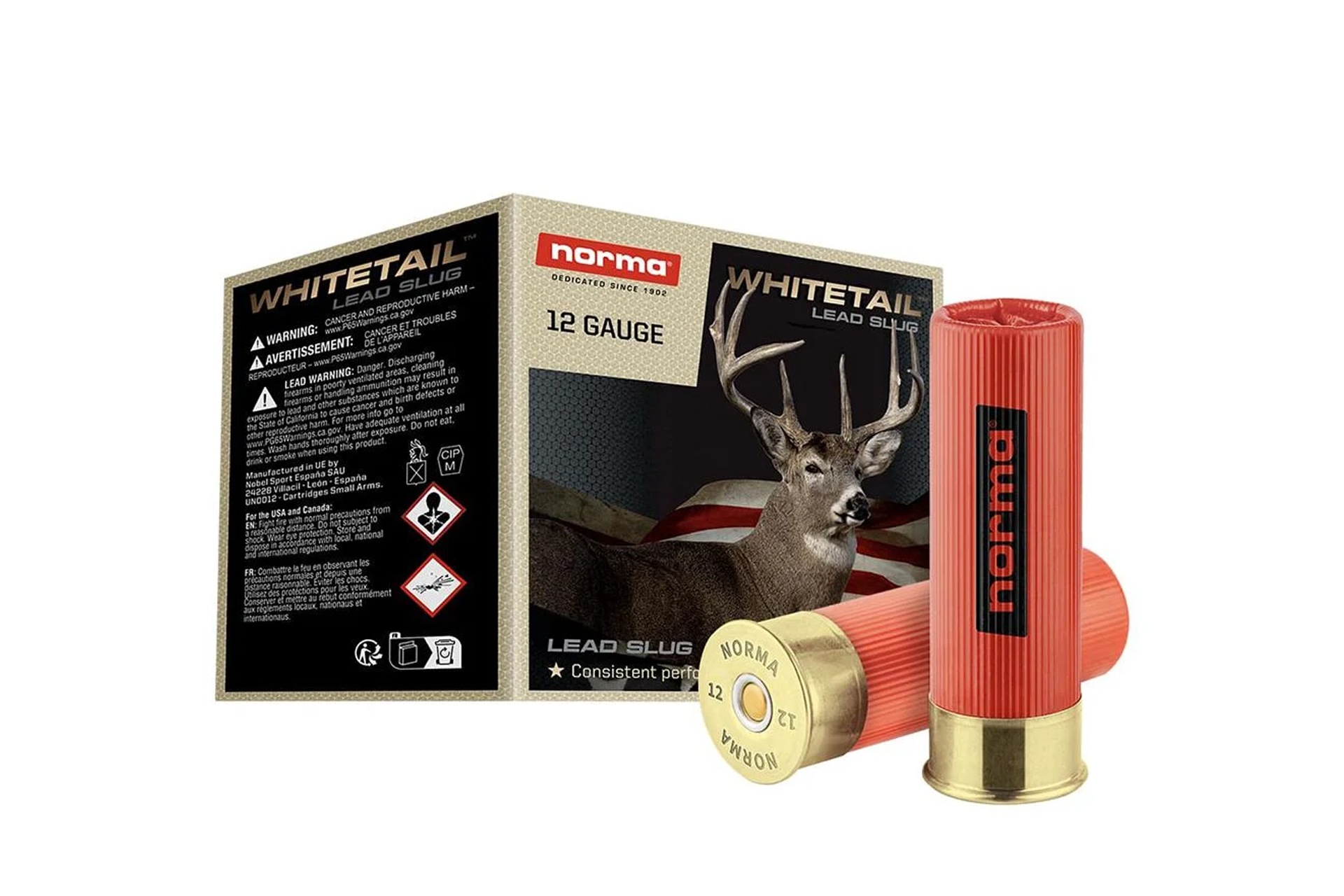
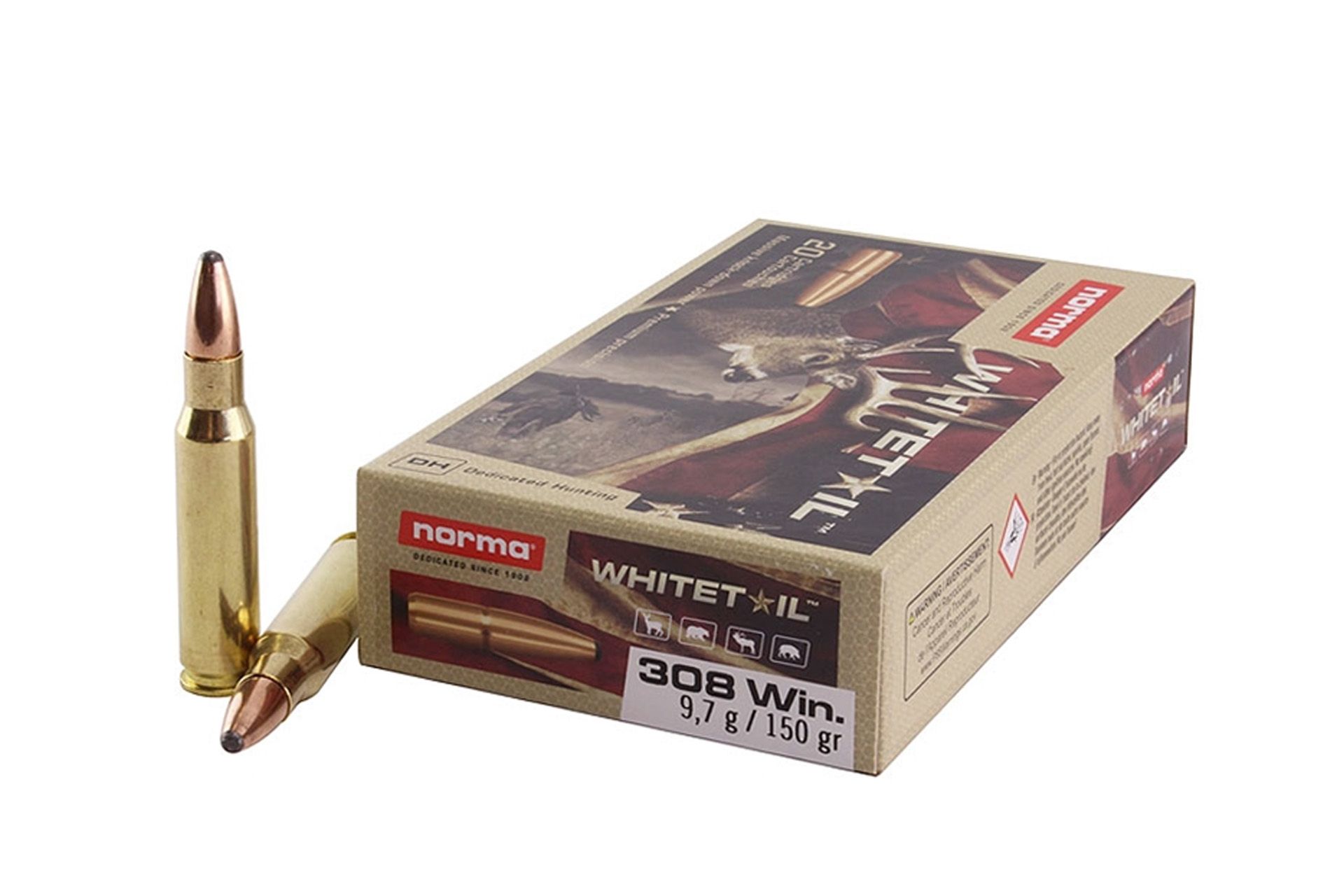
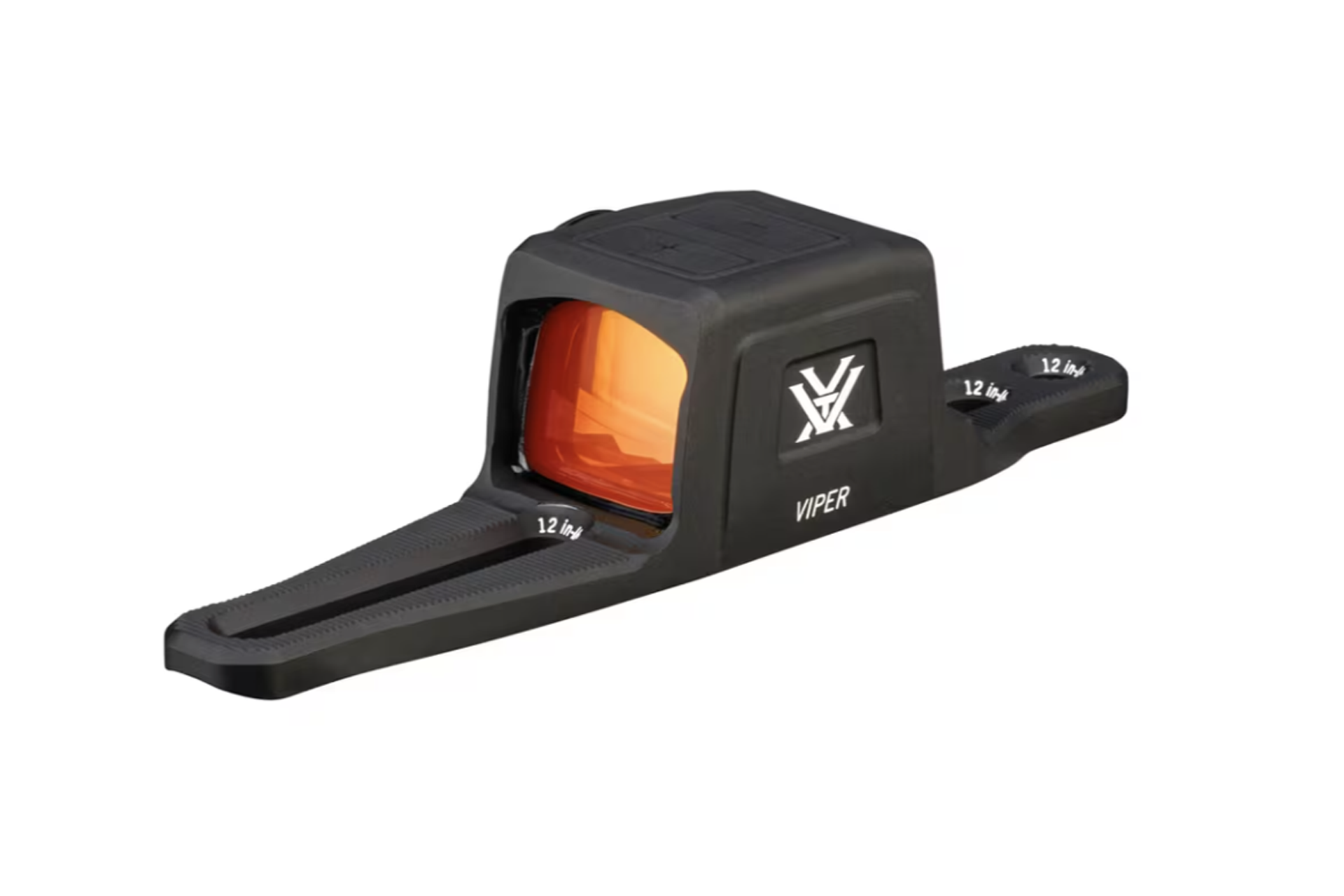
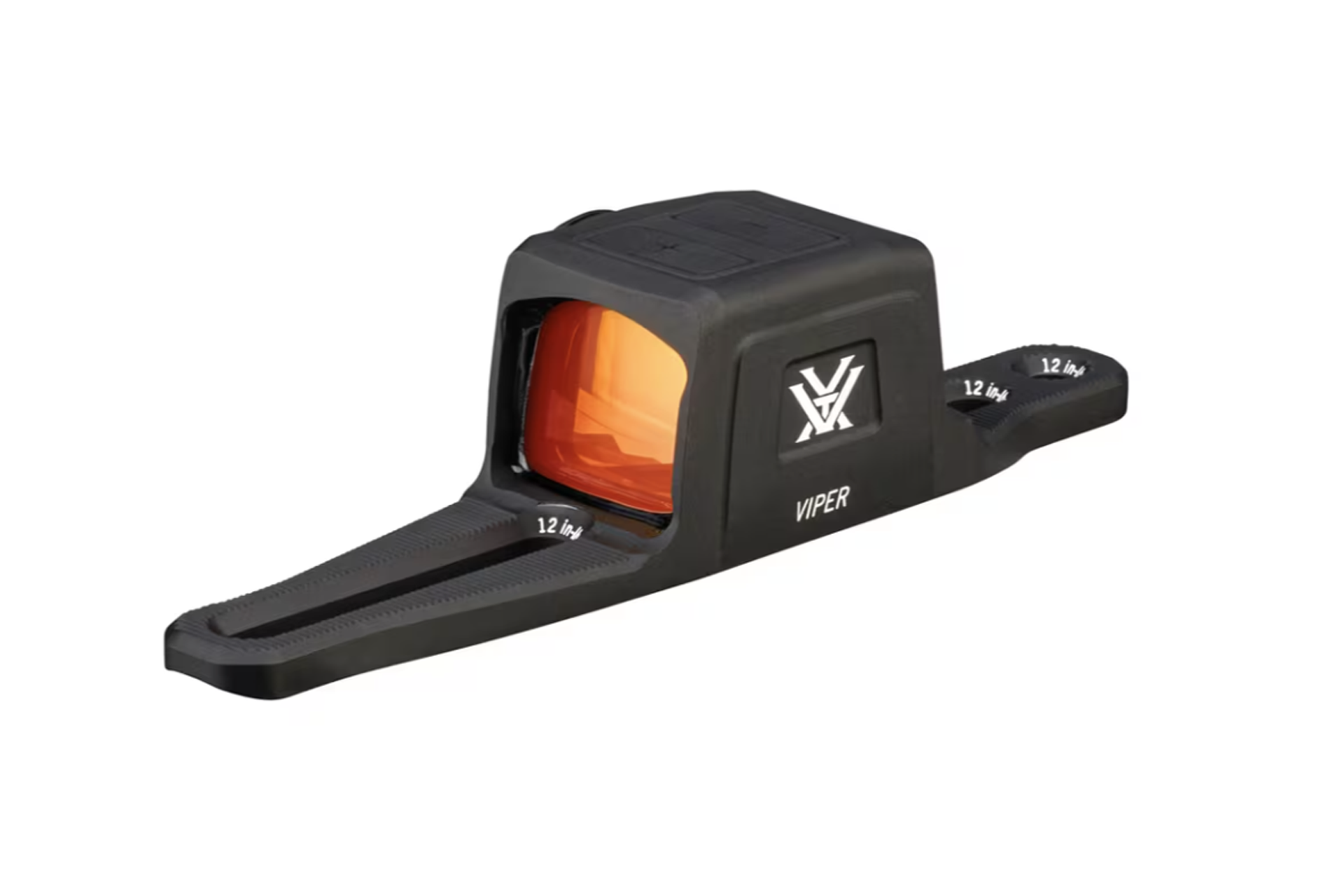 CA Compliant
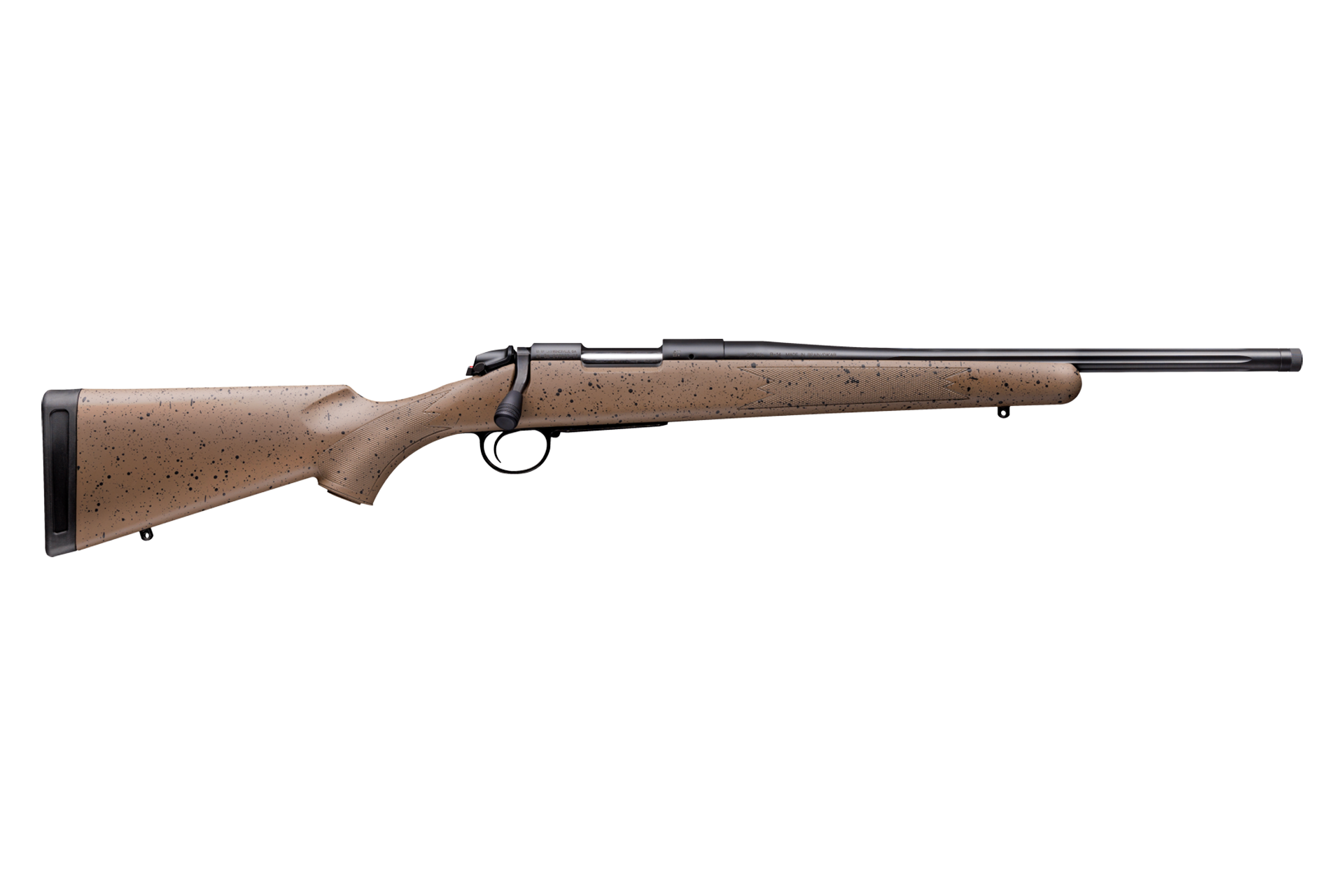 CA Compliant
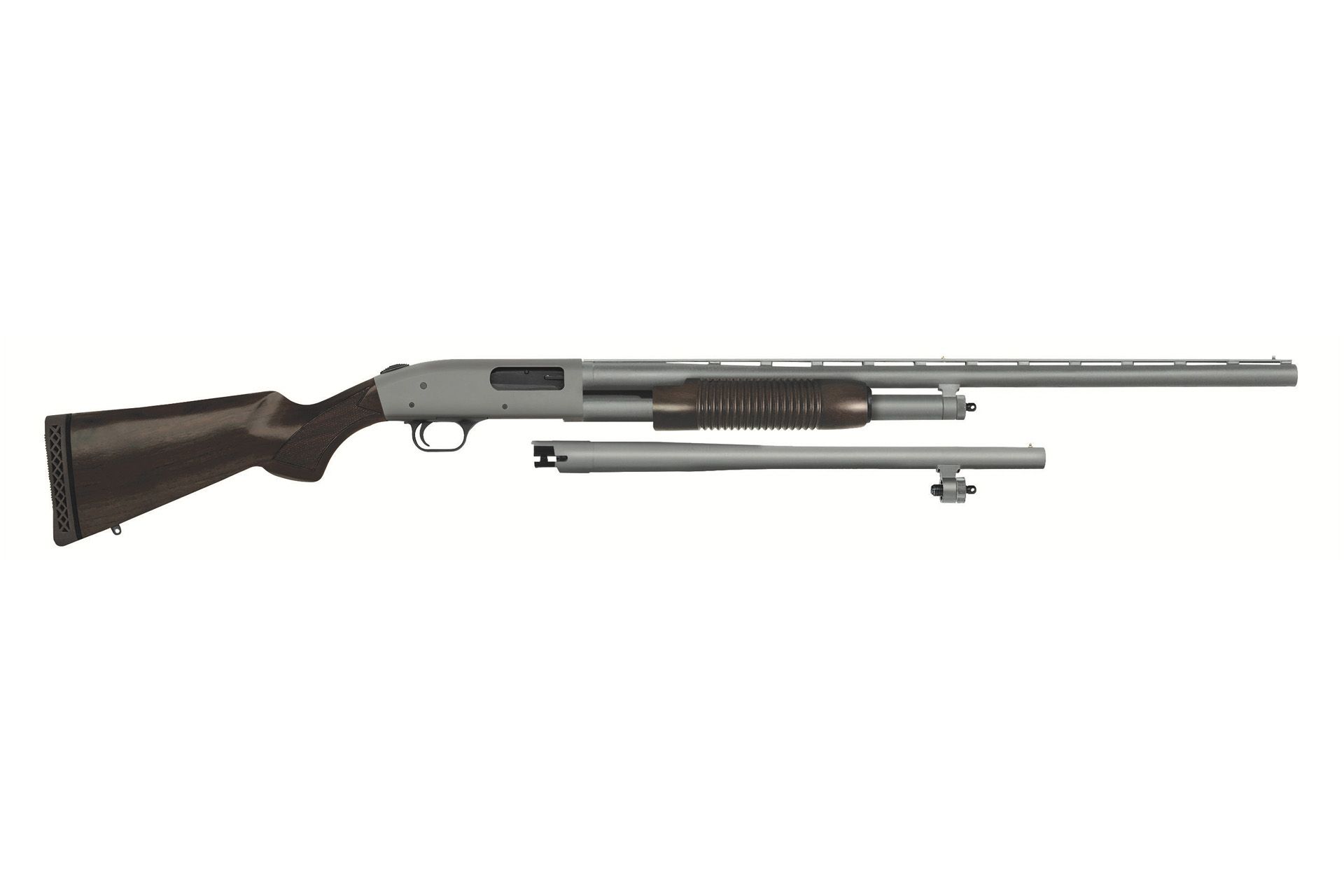
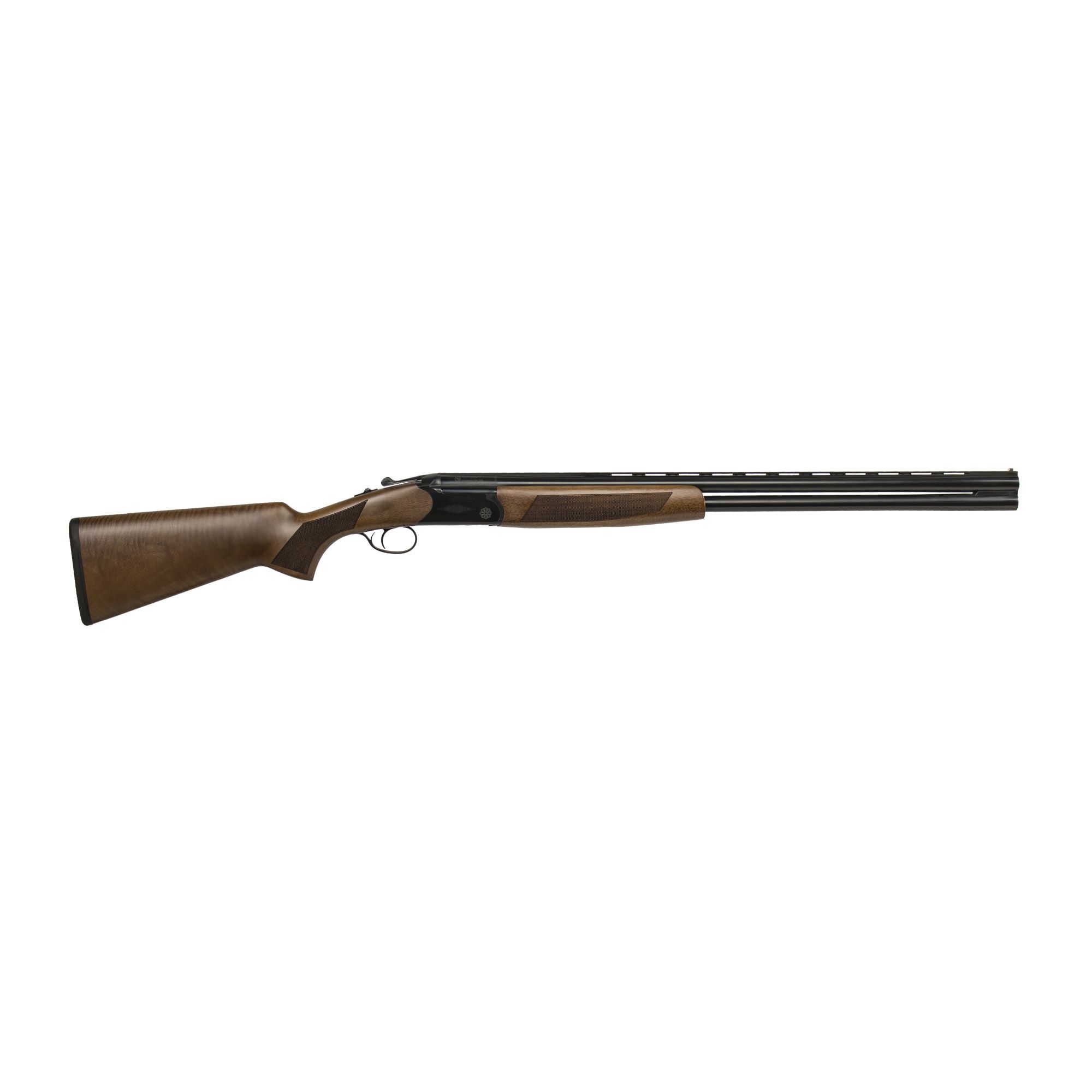
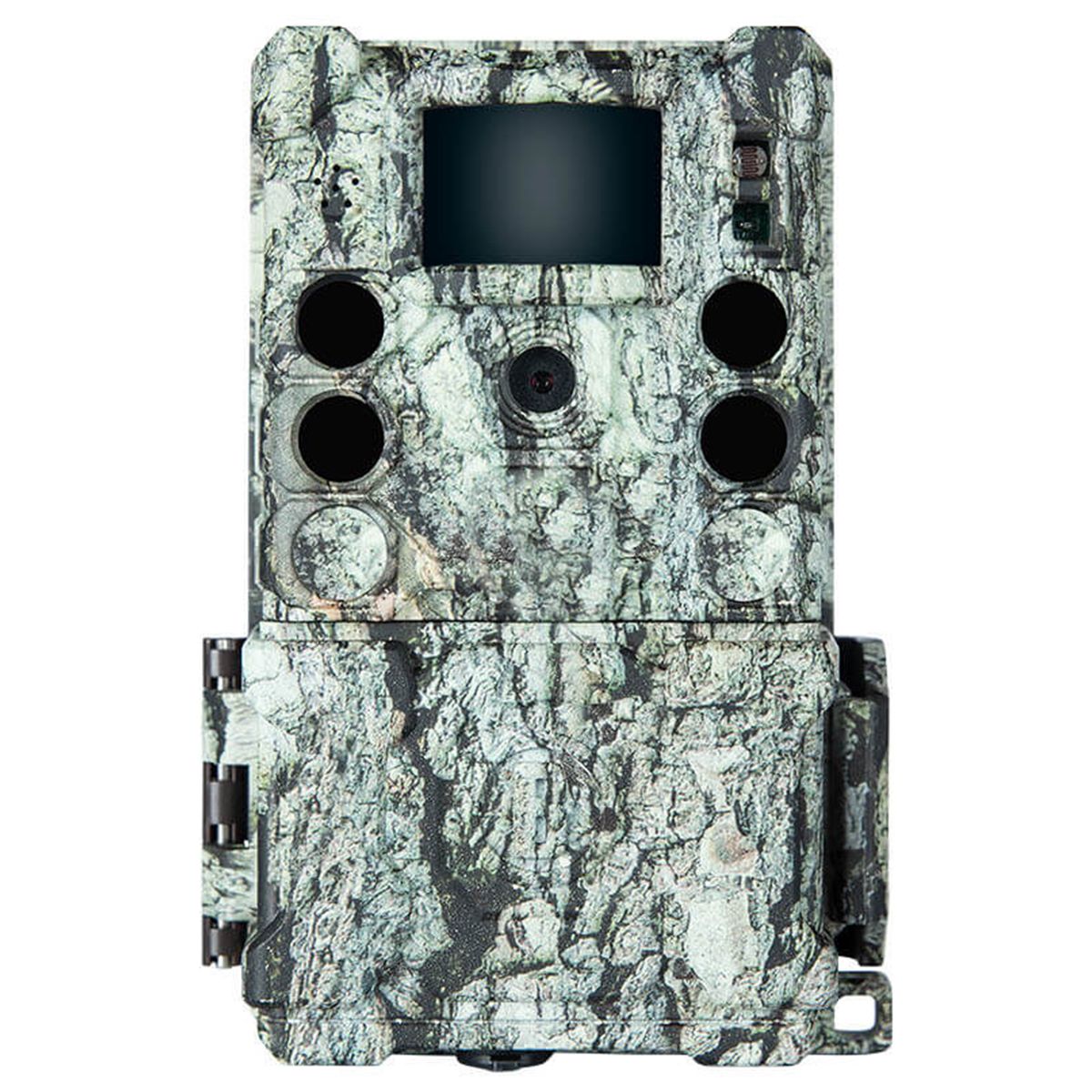
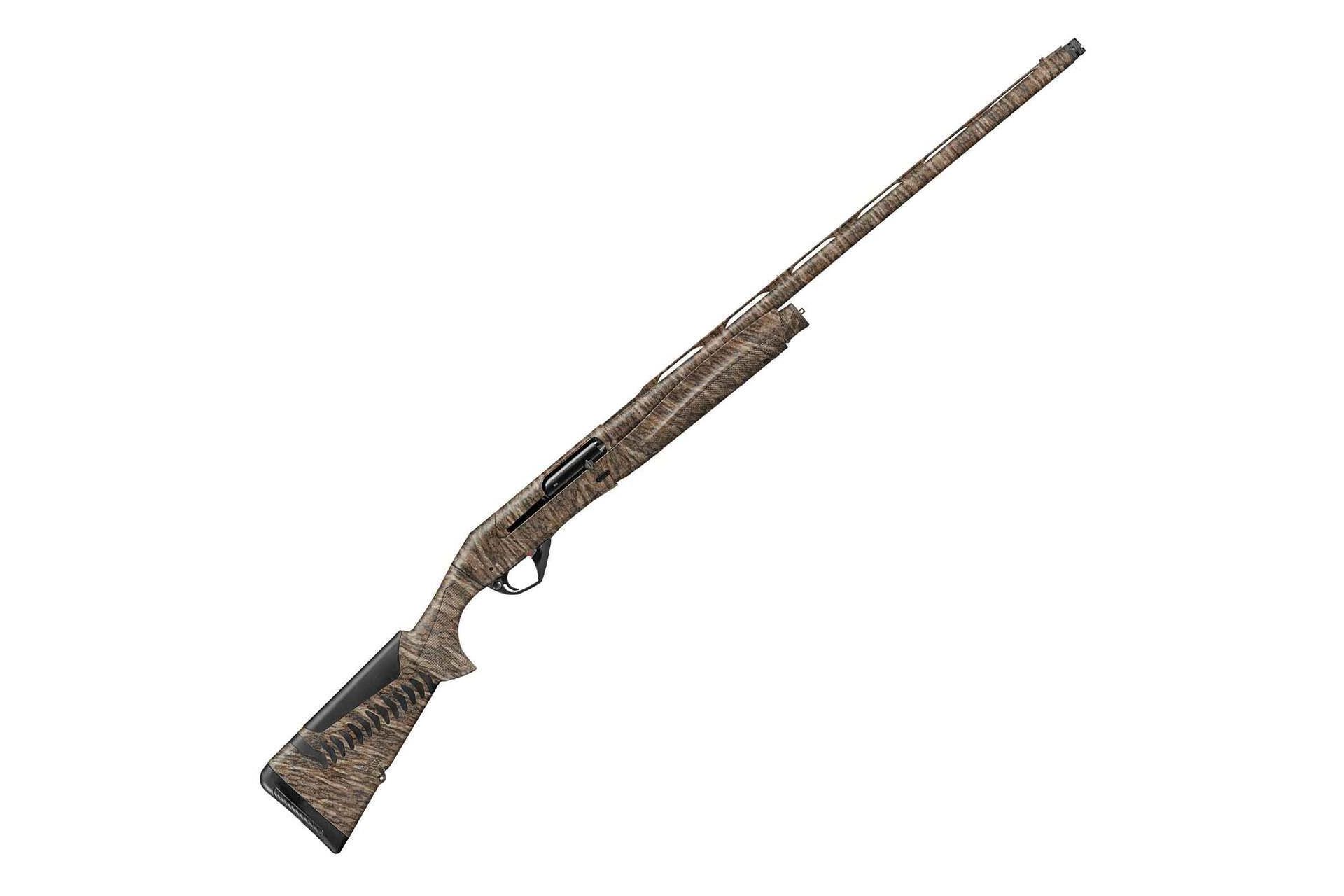

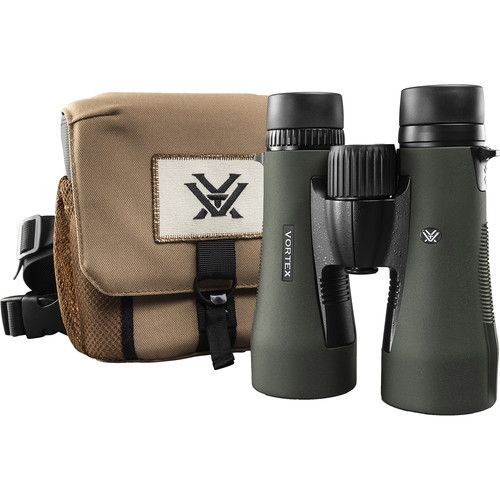
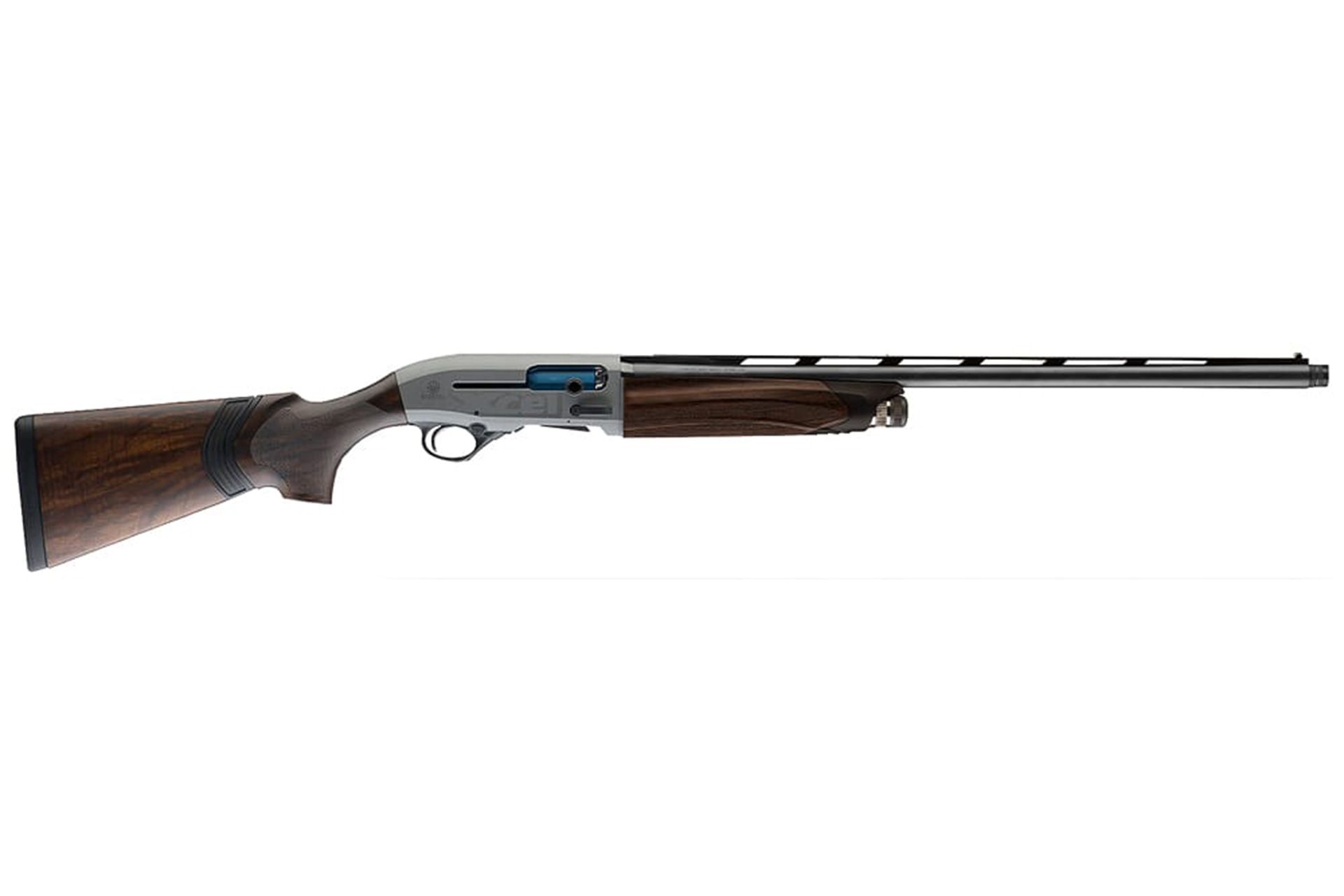
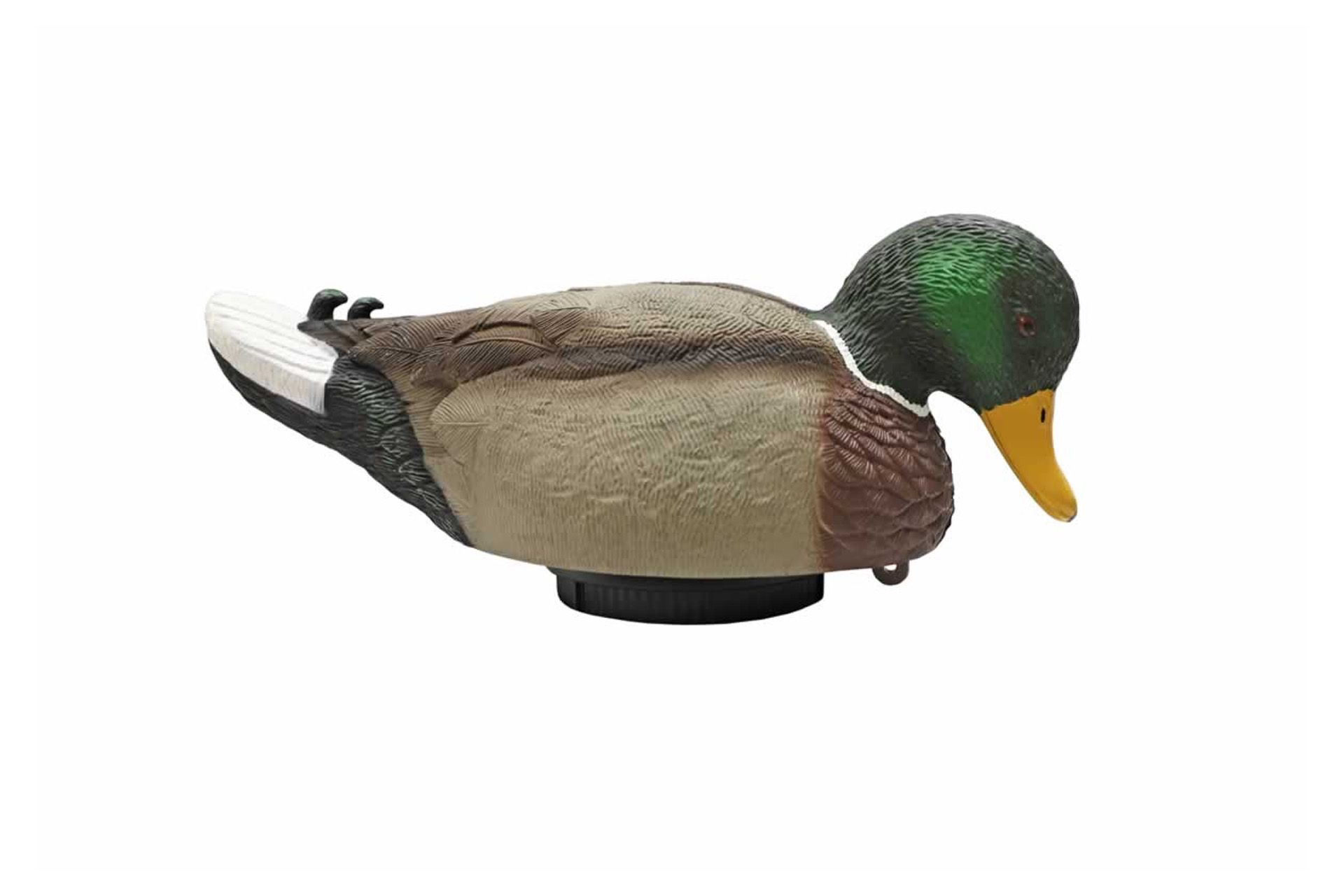
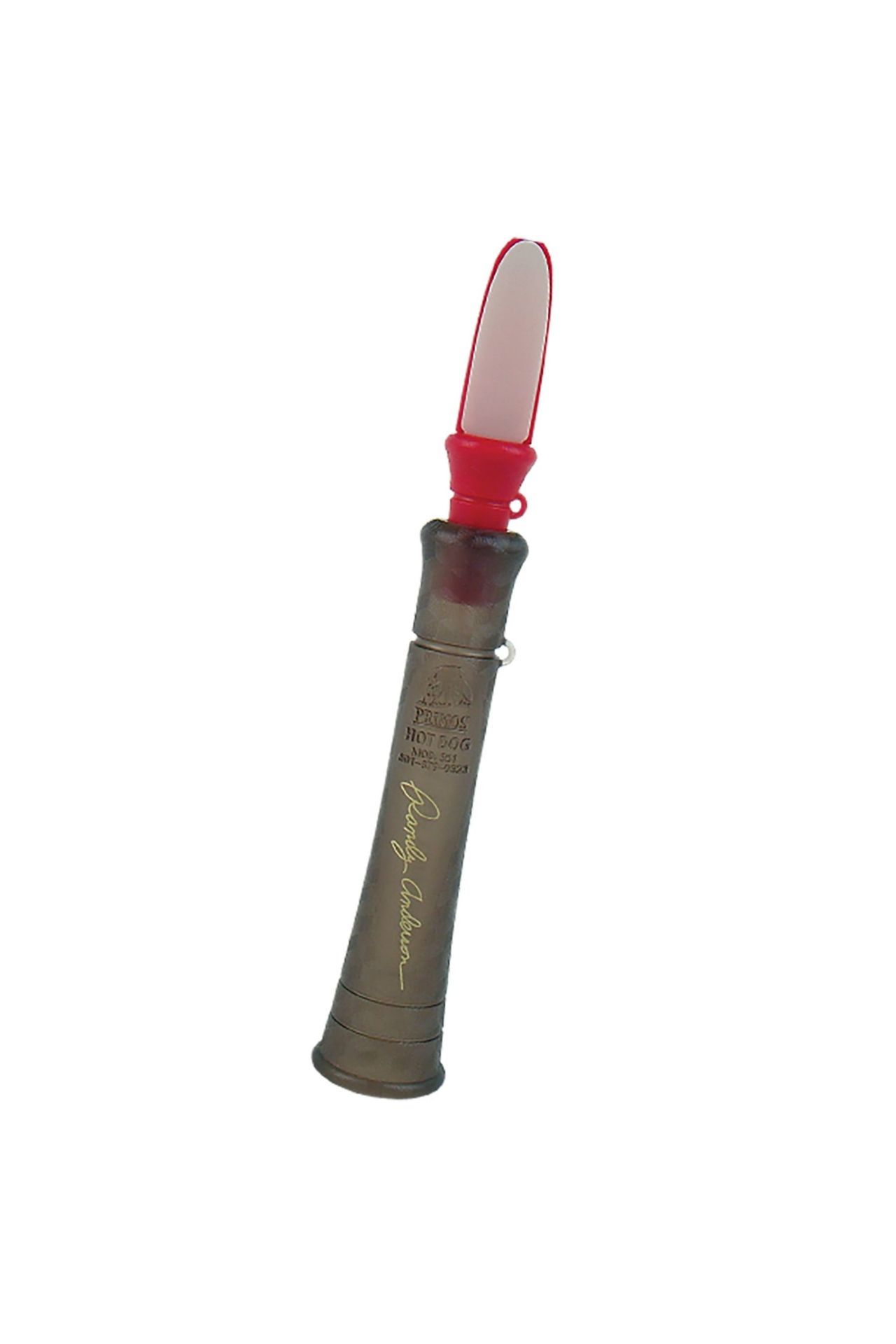
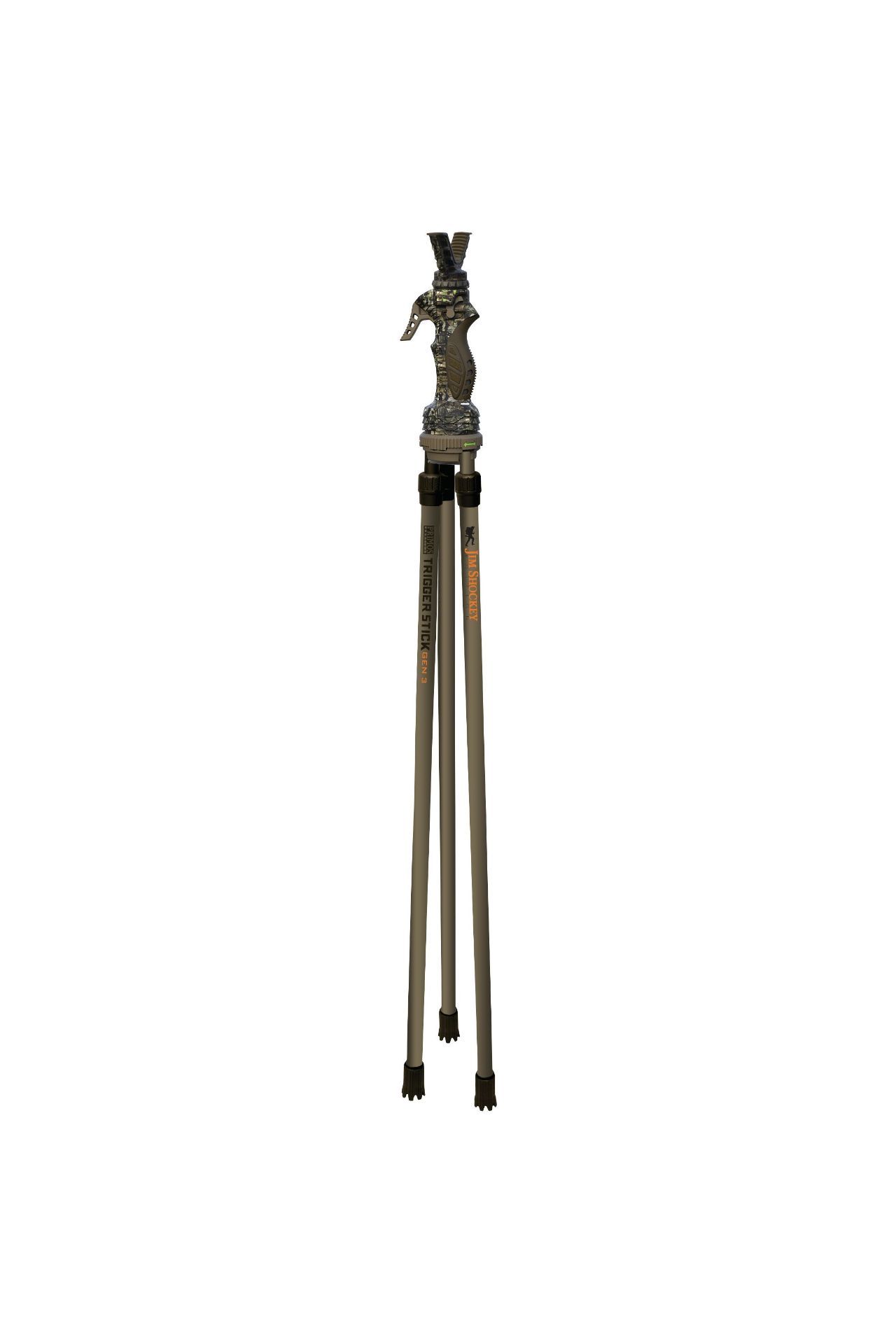

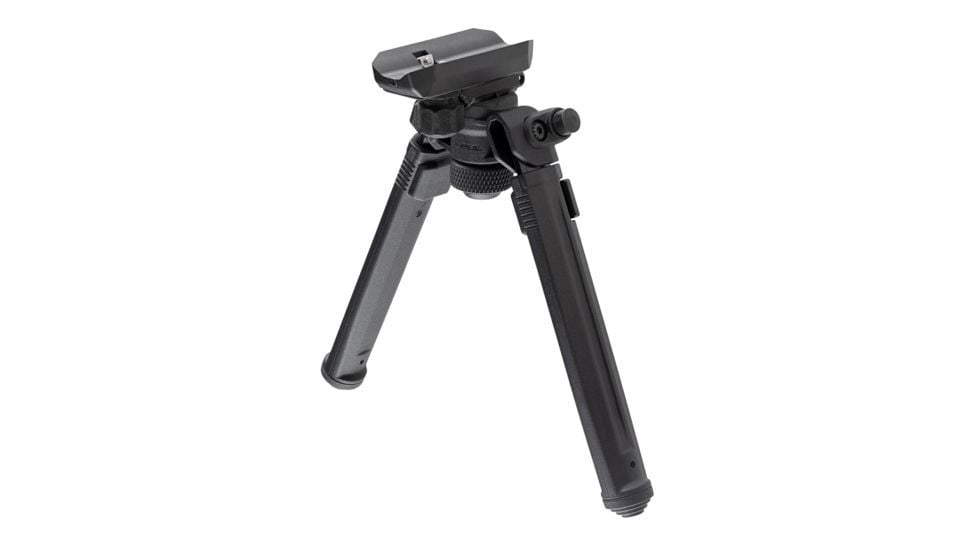

Finally, a bit of strategy wisdom: be adaptable and persistent. California is a state where you might go five days without seeing a buck or have ducks flare 10 times in a row. Don’t get discouraged. Change up your approach – move to a new location, try a different call, hike further from the road. Some of the forum members we cited earlier have years where they eat tag soup, and others where they tag out by opening weekend – often the difference is adjusting tactics based on what they observe. If something’s not working, ask fellow hunters (most are friendly if you approach respectfully) or swing by our store – we love to hear how your hunts are going and troubleshoot with you.
Above all, safety and ethics are paramount: always identify your target and what’s beyond, respect private property boundaries, and follow the regs even if no one’s watching. California’s hunting community may not be as large (per capita) as some states, but it’s tight-knit. Each hunter’s actions reflect on us all, so let’s all do our part to keep hunting in California safe, legal, and enjoyable for future generations.
Frequently Asked Questions
Whether you’re a seasoned hunter or just starting, understanding California’s hunting regulations, seasons, and requirements is essential for a safe and successful trip. Below are answers to some of the most common questions about hunting in the Golden State.
What are the main hunting seasons in California for different game species?
Deer seasons vary by zone from summer to late fall. Waterfowl run from October to January. Turkey has spring and fall seasons. Wild pigs are year-round. Other big game seasons fall mainly between August and December.
Do I need a hunting license to hunt in California, and how do I get one?
Yes. Purchase through the California Department of Fish and Wildlife or licensed agents. First-time hunters must complete hunter education unless exempt with a recent license history.
What are California’s hunting zones, and how do I know where I can hunt?
Zones divide the state for species management. Regulations and season dates vary by zone. Check the current California hunting zone maps before planning your hunt.
Are there special regulations for hunting deer, elk, or other big game in California?
Yes. All require species-specific tags. Some species, such as elk or pronghorn, require drawing or preference points. Tagging and harvest reporting are mandatory, even if no animals are taken.
Can non-residents hunt in California, and what licenses do they need?
Yes. Non-residents can purchase annual or short-term licenses. Two-day licenses exclude big game, which require full annual non-resident licenses and specific tags.
What types of weapons are legal for hunting in California (rifles, shotguns, bows, crossbows)?
Rifles, shotguns, handguns, bows, and crossbows are legal depending on species, season, and zone. Some hunts are archery-only or have caliber restrictions.
Are there restrictions on using lead ammunition while hunting in California?
Yes. Non-lead ammunition is required statewide for all hunting to protect wildlife from lead exposure.
What are the bag limits for popular game species in California?
Bag limits vary. For example, deer and bear are limited to one per tag, turkey has seasonal limits, waterfowl daily limits vary by species, and wild pigs have no limit.
Are there public lands or wildlife areas available for hunting in California?
Yes. Public options include National Forests, BLM lands, state wildlife areas, ecological reserves, and certain private lands through special programs.
Do I need hunter education certification before hunting in California?
Yes, if you have never held a hunting license. Certification can be completed online or in a classroom setting, accompanied by a field day.
Are there special permits or tags required for particular species, like wild turkey or bear?
Yes. Bear requires a bear tag. Turkey needs an upland game bird validation in addition to your license.
What are the rules for transporting and storing harvested game in California?
Big game must be tagged immediately. Harvest reports are required. Imported wildlife may need declaration forms. Proper storage is necessary to preserve meat and prevent waste.