

 Dirty Bird Bakersfield
Oct
Table of Contents
At Dirty Bird Guns & Ammo, we help you make informed choices for your next build or buy, especially when it comes to the AR-15 platform. One question we hear a lot is: what is the real difference between a rifle and a carbine? With AR-15s dominating ranges, competitions, and home defense setups, understanding the practical differences between these two configurations will point you to the right build for your mission.
Defining the Terms: Rifle and Carbine in the AR-15 World
At its core the difference between a rifle and a carbine is about size and intent. A rifle generally refers to a long gun with a barrel length of 16 inches or more and is aimed at longer range accuracy and energy. In the AR-15 world a rifle often uses 16, 18, or 20 inch barrels. A carbine is a more compact version designed for maneuverability, typically featuring barrels in the 14.5 to 16 inch range. The AR-15 platform blurs these lines because the same modular upper and lower components can be mixed and matched, but barrel length and overall design philosophy are what set them apart.
Barrel Length: The Heart of the Debate
Barrel length is the most obvious distinction and it influences ballistics and handling.
Longer barrels add muzzle velocity which generally improves downrange performance and energy. For example, a 20 inch AR-15 barrel firing common 55–62 grain 5.56/ .223 loads will typically produce the highest velocities for that cartridge, helping with accuracy and terminal performance at extended ranges. Shorter carbine barrels lose some velocity. Typical published comparisons show a 14.5 to 16 inch barrel can run a few hundred feet per second slower than a 20 inch barrel depending on bullet weight and load, so expect approximate losses in the range of tens to a few hundred feet per second as you move from 20 inch down to 14.5 inch. Velocity figures are ammo dependent and will vary with bullet weight, powder, barrel profile, and chamber specifications, so treat the numbers as approximate.
Handling and Maneuverability
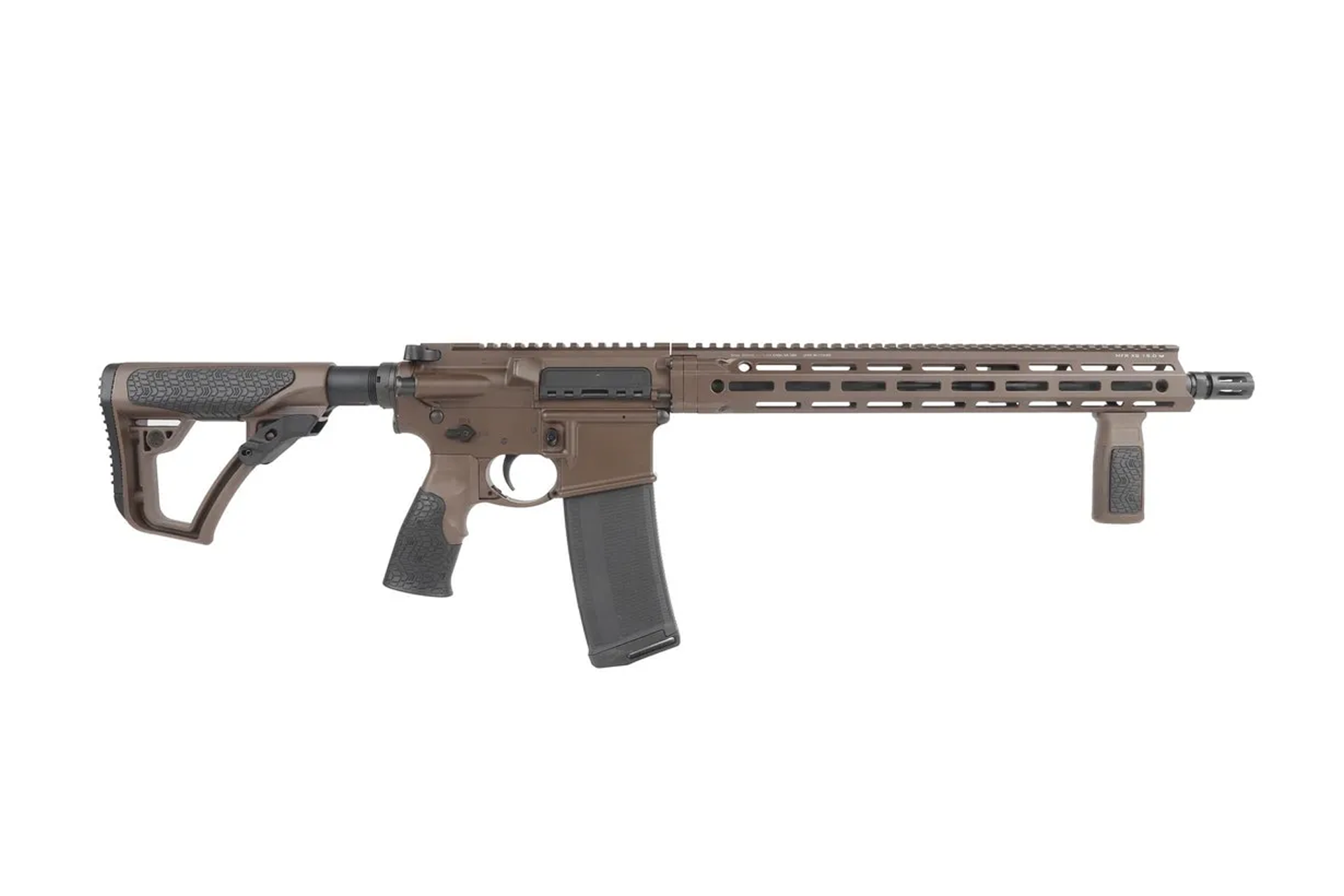
When you carry or shouldering an AR-15 the overall length matters. A carbine with a 14.5 inch barrel and collapsible stock often measures around 30 to 33 inches overall, which makes it much easier to move in tight spaces such as hallways, vehicles, or dynamic competition stages. That shorter, lighter package helps with speed and reduces fatigue during extended carry.
Rifles stretch longer and heavier. A 20 inch rifle with a fixed or extended stock can approach 40 inches overall. That extra length and mass typically gives a steadier platform for precision work, especially when shooting from supported positions or a bench.
Gas Systems: A Hidden Factor
The length of the gas system interacts with barrel length and affects how the action cycles and how the rifle feels.
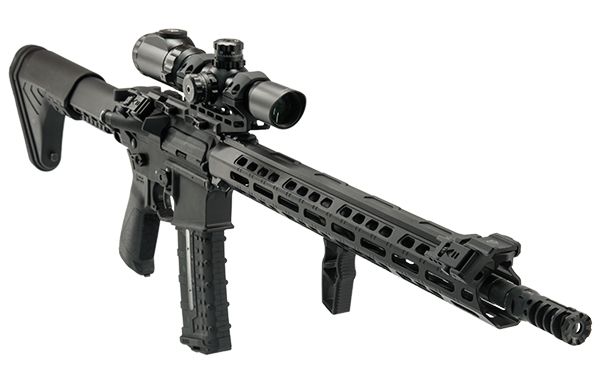
Carbine-length gas systems are the most common on shorter ARs. They have the gas port positioned closer to the chamber and tend to give a faster, sharper impulse. That can make the gun feel snappier and in some setups may require tuning or a different buffer to smooth functioning or to avoid overgassing with a suppressor. Mid-length and rifle-length gas systems position the gas port farther down the barrel which generally softens and stretches the recoil impulse, improving follow-up shot feel and reducing stress on internal parts. Typical practical guidance about which gas length pairs best with a given barrel length is well documented by builders and manufacturers.
Practical Applications: Which AR-15 Fits Your Mission?
Your intended use determines the right choice.
Home defense: Carbines are often preferred for home defense. The compact size and faster target acquisition with non-magnified optics make them a strong choice for close-range work.
Hunting: Longer-barreled rifles are typically better for hunting scenarios where you may engage targets at extended ranges and want the extra velocity and energy.
Competition: It depends on the match. Dynamic events like 3-gun favor carbines and LPVO or red-dot setups for speed and versatility. Precision rifle matches favor longer barrels and more stable platforms.
Tactical or law enforcement use: Agencies and operators often favor carbine-length platforms for portability and versatility in urban and vehicle operations. The M4 carbine is an example of that service-oriented compact design.
Customization: The AR-15 Advantage
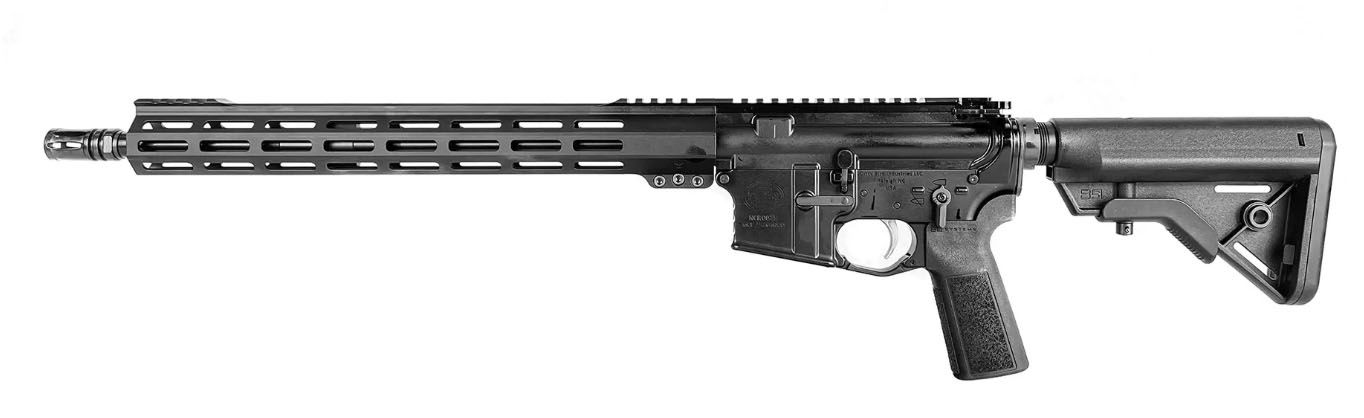
One of the platform’s biggest benefits is modularity. You can blend elements to suit goals. Builders commonly mix barrel and gas system lengths to tune handling and recoil impulse. You can also swap stocks, handguards, and muzzle devices to fine tune balance and control. That flexibility means many shooters find a hybrid solution that fits their exact needs.
Legal Considerations
A crucial point before you buy or build: in the United States a rifle with a barrel under 16 inches or an overall length under 26 inches is regulated as a short-barreled rifle (SBR) under the National Firearms Act and requires registration with the ATF, an approved Form 4, and the applicable tax stamp. Many commercially offered carbines avoid NFA rules by using a 16 inch barrel or by being manufactured/configured as pistols with braces. Laws and ATF guidance can change, and local or state restrictions also apply, so always confirm the current federal guidance and your state and local laws before modifying or configuring a firearm.
The Dirty Bird Takeaway
Choosing between an AR-15 rifle and carbine comes down to priorities. If you want maximum range, a steadier shooting platform, and higher muzzle velocity for longer shots, a rifle in the 16 to 20 inch barrel range is the natural choice. If maneuverability, speed, and a lighter, more compact package matter most, a carbine in the 14.5 to 16 inch range will serve you well. The AR-15’s modular nature means you can build something in between if you want to tune handling, gas system behavior, and ballistic performance.
Final note on numbers: published velocities and fps differences are ballpark figures because they depend on ammunition, twist rate, barrel profile, and chamber dimensions. I checked ATF definitions for the NFA, common gas-system guidance from manufacturers and respected builder resources, and recent practical ballistics summaries.