

 Dirty Bird Bakersfield
Rifle
Rifle Barrel Types & Materials
Oct
Table of Contents
Why the barrel matters on every rifle
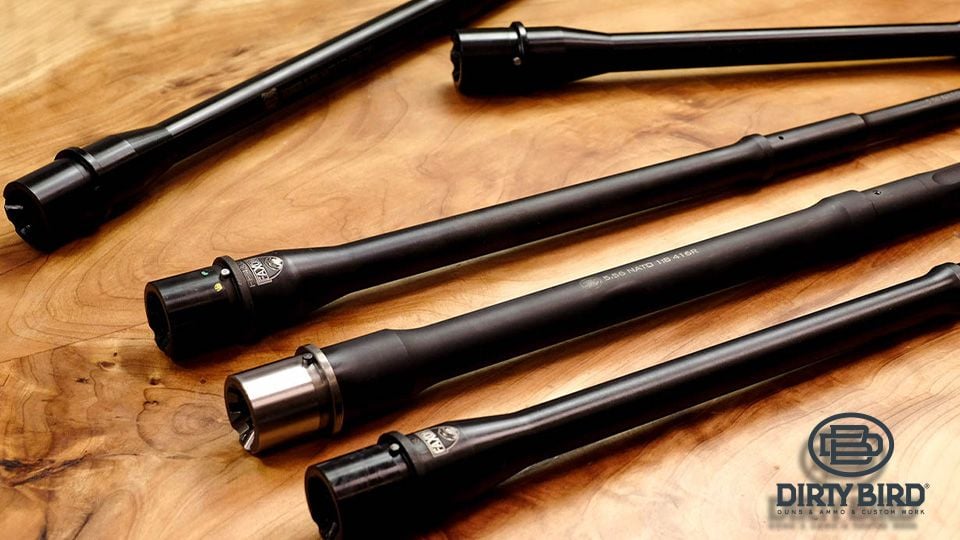
A rifle barrel does more than point a bullet; it defines how that bullet leaves the gun and how the rifle behaves in the field. Barrel length, contour, material, rifling style, and finish interact to influence accuracy, recoil, weight distribution, heat management, and service life. For hunters, a lightweight profile may be essential for long hunts; for competition shooters, a heavy, rigid contour that resists vibration and heat is preferable. For tactical shooters or police units, durability and corrosion resistance are often top priorities.
Understanding barrels helps you match the rifle to the mission rather than relying on ads or brand cachet. For example, traditional lever-action rifles—such as those from Henry, Marlin, or Winchester—often strike a balance between historical profiles and modern metallurgy, delivering reliability with a classic handling feel. Meanwhile, modern bolt and semi-automatic platforms utilize a wide array of barrel blanks and treatments, including chrome lining, nitride finishes, stainless options, and carbon-fiber-wrapped barrels, to fine-tune performance.
This post focuses on broadly applicable, non-procedural information to help you evaluate barrels for purchase, maintenance, and expected performance. We’ll avoid step-by-step manufacturing or conversion instructions (and advise checking local laws if you’re considering pistol-to-rifle kits or rifle conversions). Read on for profiles and materials, rifling choices, specific notes about lever actions and pistol-based rifles (Glock, 1911, .22 variants), and practical tips for selecting the right barrel for your rifle.
Barrel profiles & contours: balancing weight, stiffness, and handling
Barrel profile describes the barrel’s external shape—how thick or tapered it is from chamber to muzzle. Profiles have a direct effect on the rifle’s weight, balance, heat capacity, and stiffness. The tradeoffs are straightforward: a heavier contour usually increases rigidity and thermal mass, reducing the effects of throat erosion at the point of impact and offering steadier shot-to-shot consistency under sustained strings. A thinner or tapered profile reduces weight and can improve target acquisition and carry comfort, but also allows for faster heat buildup and greater point-of-impact shifts as the barrel heats.
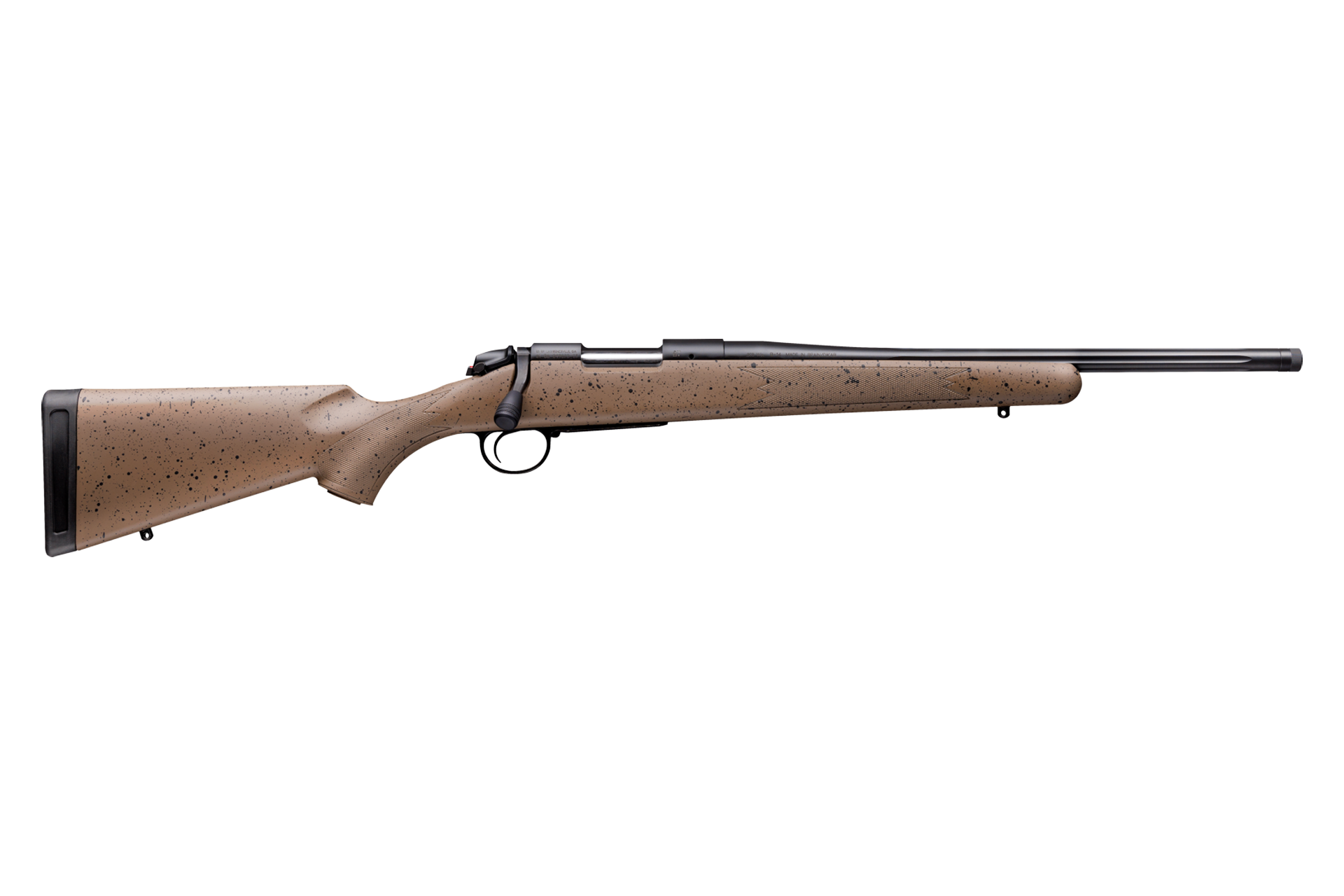
Standard profile families include sporter/lightweight, heavy/target, fluted, bull, and varmint. Sporter profiles are often chosen for hunting, where lightweight carry and quick handling are crucial; they taper to a thinner muzzle to minimize weight. Precision competitors favor heavy or bull profiles because their added mass dampens barrel vibration and slows down heating, thereby preserving accuracy over multiple shots. Fluted barrels shave weight off a heavy contour while preserving much of that barrel’s bending stiffness—fluting also increases surface area, which improves cooling per ounce of mass.
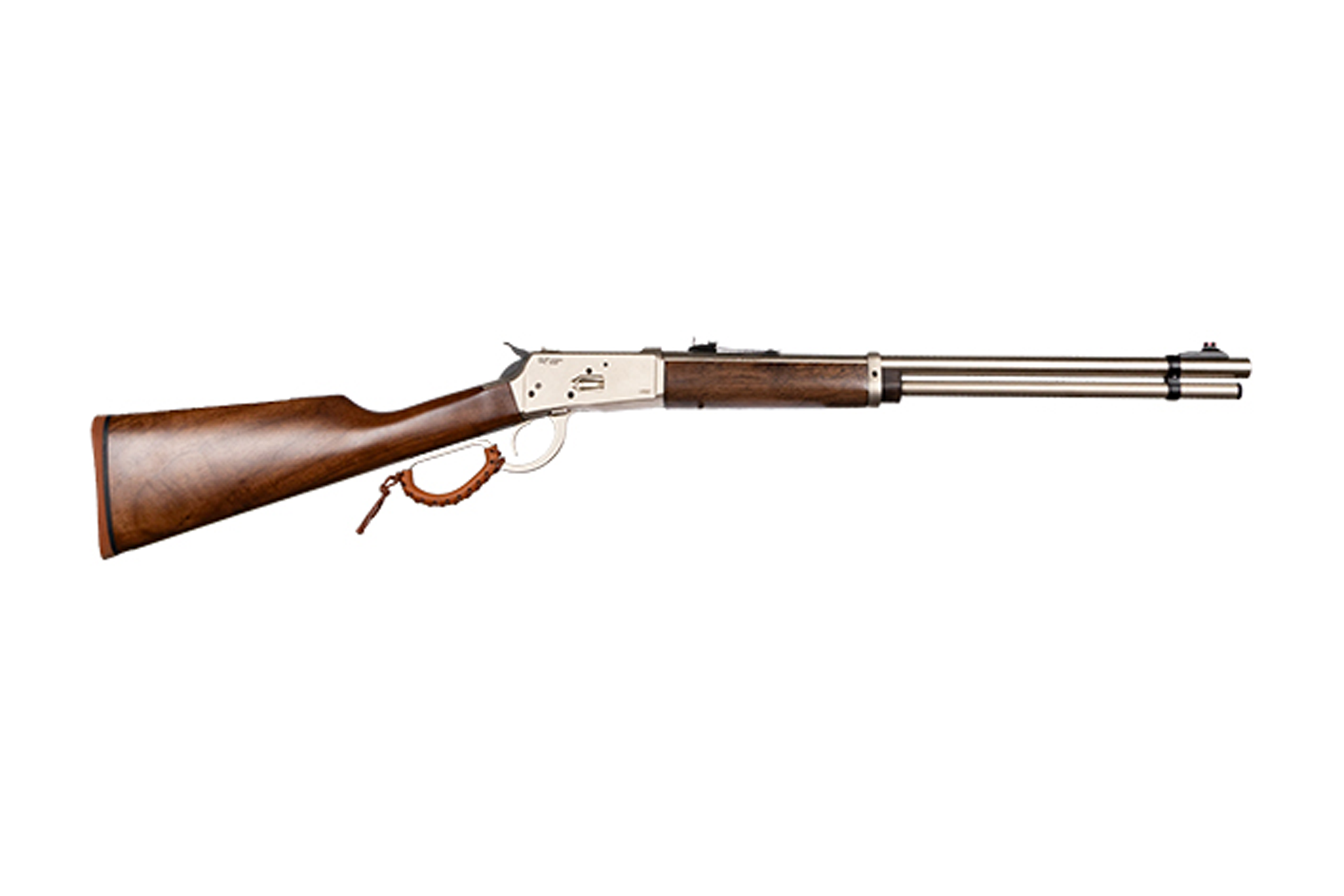
Contouring choices also affect muzzle device compatibility and harmonics. Longer, thicker barrels can better tolerate suppressors and brake attachments; a thin barrel may show greater harmonic sensitivity to muzzle devices. For lever-action rifles and modern lever-action rifle variants, many manufacturers retain a medium-contour design that strikes a balance between classic handling and modern accuracy expectations. Popular lever-action chamberings, such as .22, .357, and .44, often come in profiles optimized for the cartridge’s pressure curve and the rifle’s intended role.
When choosing a profile, consider the entire rifle system: a heavy barrel paired with a heavy stock can become unwieldy for a stalking hunter. At the same time, a lightweight contour might frustrate a shooter seeking sub-MOA performance in a precision event. Your application dictates the best compromise between portability and thermal/rigid stability.
 CA Compliant
 CA Compliant
Barrel materials & treatments: what metals mean for life and performance
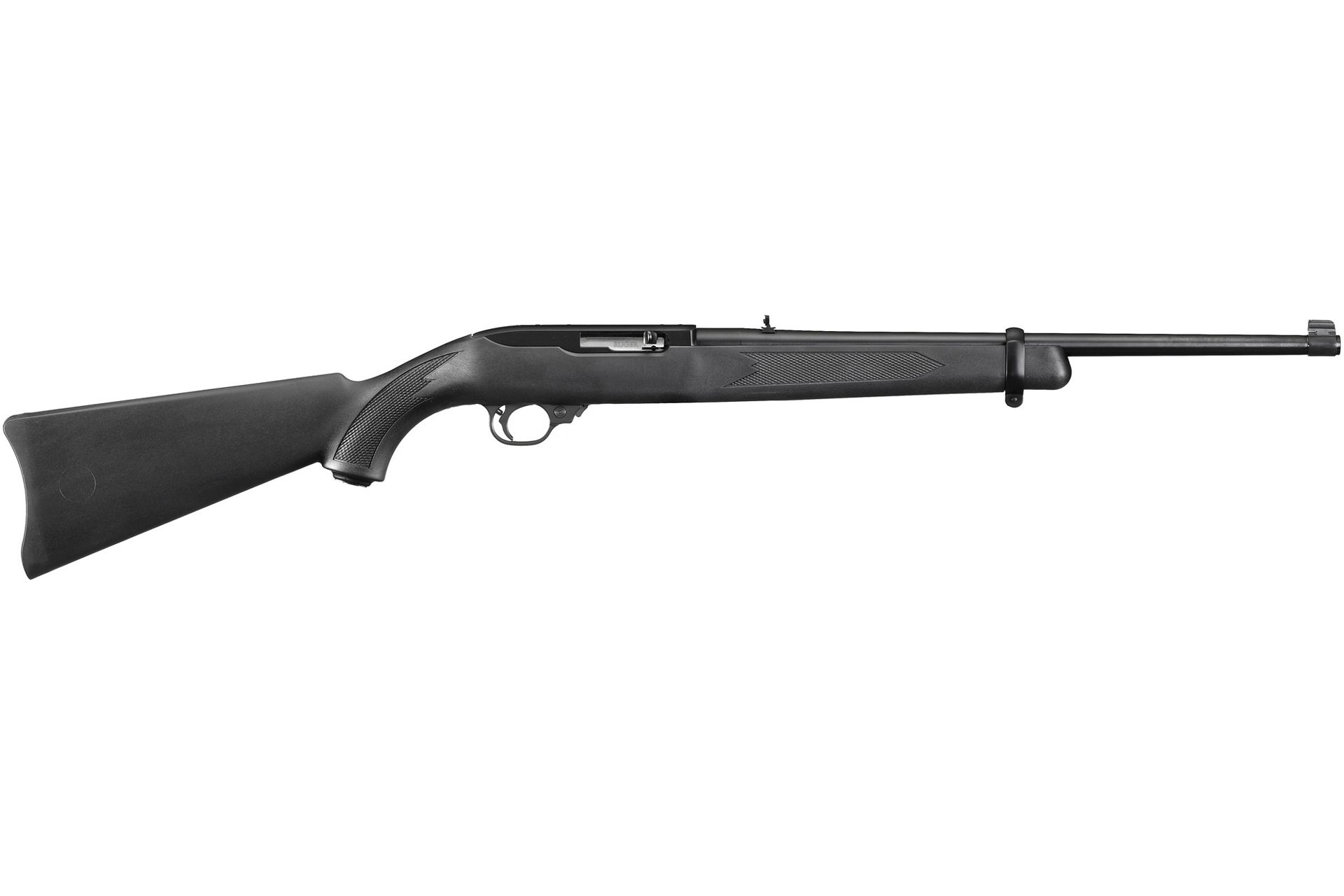
The metal the barrel is made from—and how it’s treated—shapes durability, corrosion resistance, and how the barrel responds to wear. Traditional carbon steel barrels (often listed simply as “chrome-moly” or proprietary alloy names) are widely used for their toughness and ease of manufacturing. Carbon-steel barrels can be finished with coatings—such as bluing, parkerizing, phosphate, and nitriding—to increase corrosion resistance and surface hardness. Stainless steel barrels offer superior resistance to corrosion and have the potential to produce excellent accuracy. Many precision barrels and match-grade offerings utilize stainless alloys because they machine and finish well, and they resist environmental pitting.
Surface treatments and internal finishes matter as much as base material. Chrome lining—historically used in military rifles—coats the bore with a hard, corrosion-resistant layer that can extend service life in high-round-count roles and facilitate easier cleaning. It tends to slightly decrease the absolute accuracy potential compared to a finely lapped stainless bore, but provides long-term consistency under sustained fire. Modern alternatives to chrome include ferritic nitrocarburizing (nitriding/QPQ), which hardens the surface and improves wear/corrosion resistance without the same impact on accuracy that some barrelmakers attribute to heavy chrome-lining. Cryogenic treatments are another aftermarket/process option some manufacturers use to relieve residual stresses and potentially improve stability, though measurable benefits vary.
Newer designs mix metals and composites. Carbon-fiber-wrapped barrels combine a steel bore and rifled liner with a composite outer sleeve to reduce weight while increasing stiffness and improving heat dissipation. These are popular where a lightweight yet rigid barrel is desired—such as in sporting, tactical, and competition rifles. Material choice should reflect use: long-range precision shooters may prefer stainless match barrels for best potential accuracy and corrosion resistance, while hard-use, high-round-count applications might favor chrome-lined or nitrided barrels for longevity.
Rifling types & twist rates: how the bore shapes bullet flight
Rifling—the spiral grooves inside the bore—imparts spin to stabilize a projectile. Two significant variables matter: the rifling profile (traditional lands-and-grooves, polygonal, or hybrid) and the twist rate (the rate at which spin is imparted, expressed as one rotation per X inches). The rifling profile affects throat wear, bullet fit, and sometimes fouling characteristics; traditional lands-and-grooves are common across many rifle types and calibers, while polygonal rifling—found on some handgun and rifle barrels—offers a smoother bore profile and is often marketed for slightly improved velocity and easier cleaning for certain bullet types.
Twist rate is about bullet stabilization. Faster twist rates (shorter inch numbers, e.g., one turn in 7 inches) impart more spin and better stabilize longer, heavier bullets; slower twist rates stabilize lighter, shorter bullets efficiently. Overstabilization is rarely a problem for typical rifle velocities; the risk is usually choosing a twist too slow to stabilize the projectile you plan to use. This becomes important when considering cartridge-specific choices: a barrel optimized for heavier, high-BC bullets used in long-range shooting will typically have a faster twist than a barrel configured for light varmint or .22 target work.
Manufacturers publish recommended twist rates for each barrel model and caliber. When comparing barrels, match the twist rate to your preferred ammunition. In lever-action rifles and conversions—where you might see cartridges like .22 LR, .357, or .308—verify the twist and rifling style because rimmed cartridges and specific bullet shapes can influence optimal rifling geometry. Finally, consider throat length, freebore, and chamber design as part of the rifling conversation. These features influence pressure, seating, and the way bullets engage the rifling, which in turn affects precision and barrel life.
Lever-action and pistol-derived rifles: barrel considerations and market realities
Lever-action rifles occupy a unique place: they often prioritize balance, classic ergonomics, and reliable feeding. Modern lever-action rifle variants incorporate updated metallurgy and barrel treatments to meet contemporary expectations. Lever guns chambered in .22, .357, .44, and other calibers will have barrels optimized for the pressure and intended use of those rounds. For example, lightweight .22 lever rifles are designed with a thinner, quick-handling profile for small-game work. In contrast, modern .44 lever actions can be offered with heavier contours and match-grade barrels to support hunting or precision needs.
Manufacturers such as Henry, Marlin, Winchester, and Remington each bring historical design cues and varying barrel standards. When selecting a lever-action rifle, check whether the barrel is button-rifled, cut-rifled, or hammer-forged—each method influences cost, longevity, and potential accuracy. Many modern lever actions utilize cold-hammer-forged tubes for enhanced longevity, while premium offerings may employ cut-rifled or button-rifled stainless barrels for optimal match performance.
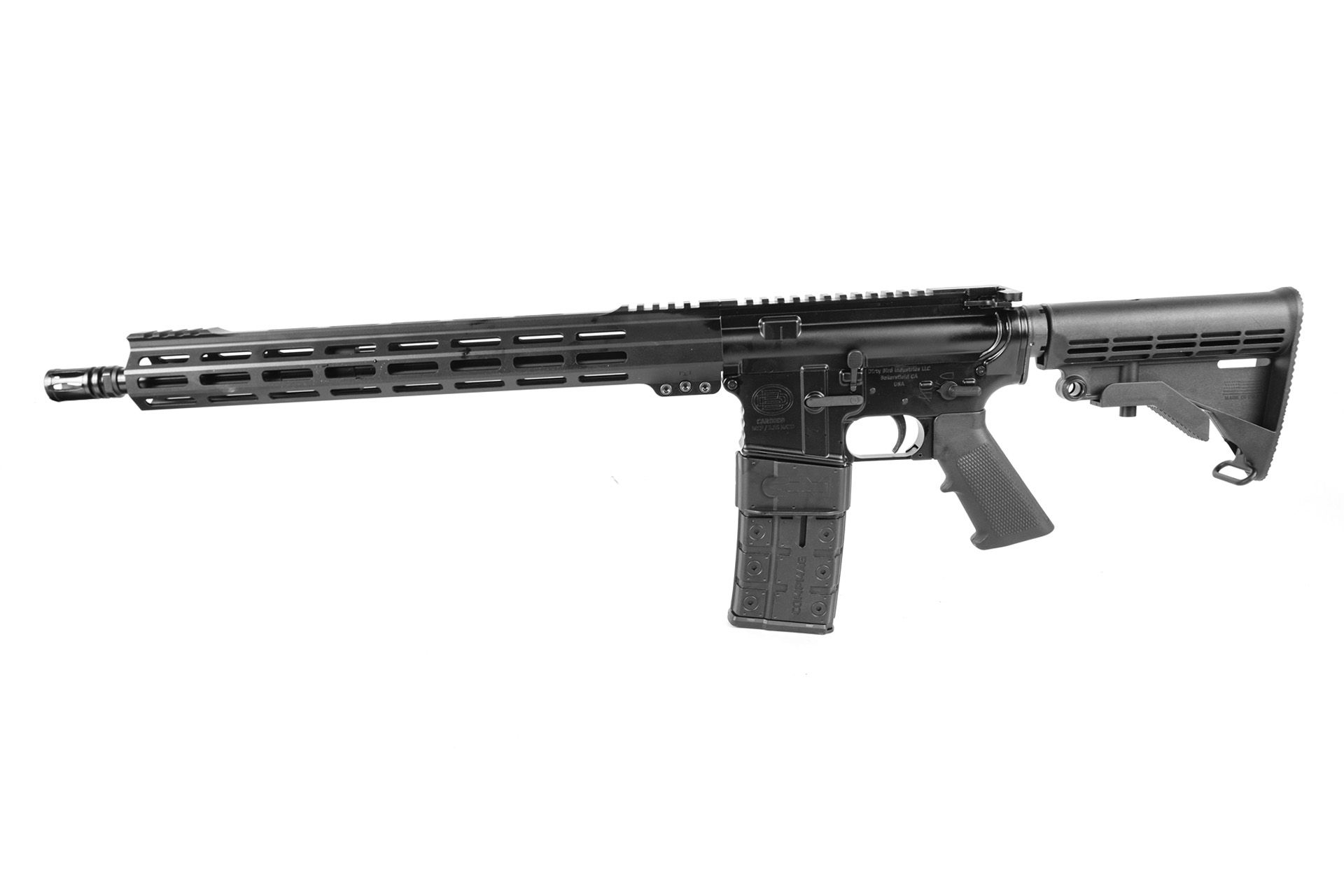
Pistol-derived rifles and conversion kits—often referred to in market terms like “Glock rifle conversion,” “Glock 17 into rifle,” or “1911 .22 long rifle” variants—create a separate set of considerations. These products range from dedicated pistol-caliber carbines built on handgun parts to conversion chassis that allow a pistol slide or frame to be used in a carbine package. They’re popular for ergonomics, parts commonality, and compact handling. Important caveats: conversions and rifle configurations intersect with complex regulatory frameworks in many jurisdictions. We won’t provide conversion instructions here; instead, if you’re evaluating a Glock-based rifle kit or a 1911 .22 LR conversion, prioritize reputable manufacturers, confirm the kit’s serialized components where required by law, and verify compliance with local, state, and federal regulations before purchase.
CA Compliant
 CA Compliant
Choosing, caring for, and maintaining your rifle barrel
Selecting a barrel is an exercise in aligning trade-offs: accuracy potential versus weight, longevity versus raw precision, and corrosion resistance versus machining cost. Begin by defining priorities—such as hunting mobility, range precision, and high-round training—and filter materials and profiles accordingly. If you need rust resistance in marine or humid conditions, stainless or treated finishes, such as nitriding, offer advantages. If you expect heavy use and aren’t chasing sub-MOA groups, a nitrided or chrome-lined steel barrel provides rugged longevity. For competition-focused precision, match-grade stainless or cold-hammer-forged steel in a heavy contour with an appropriate twist rate will give the best baseline.
Care routines are straightforward but essential: follow manufacturer cleaning recommendations, use bore solvents and brushes appropriate for your barrel material, and avoid abrasive overcleaning that can accelerate throat wear. For chrome-lined interiors, the cleaning frequency may be higher due to the formation of carbon buildup patterns. For stainless steel bores, use cleaners that won’t stain or pit the surface. Storage matters—store in a dry environment and use long-term protectants sparingly on external surfaces to avoid attracting grit to bedding surfaces.
Heat management is often overlooked. Sustained strings of fire can shift the point of impact as barrels heat and cool. If you anticipate heavy strings, consider a heavier contour, fluting to improve cooling rate per unit weight, or allowing cooling between strings. Finally, establish a service plan: barrels wear at the throat from hot, erosive gases; higher-pressure, high-velocity cartridges shorten barrel life compared with moderate-pressure rounds. When purchasing, inquire with the manufacturer about the expected service life of your intended cartridge and their support for barrel replacement, if applicable.
FAQs About Rifle Barrels
Choosing a rifle barrel often raises detailed questions—about materials, rifling, maintenance, and even conversions. Below are clear answers to some of the most common concerns we hear from shooters, builders, and collectors.
What barrel material gives the best accuracy?
Match-grade stainless barrels often offer the best raw potential for accuracy due to their consistent machining and corrosion resistance. However, accuracy depends on the whole rifle system—action, bedding, ammunition, and shooter—so stainless alone isn’t a guarantee.
Are chrome-lined barrels less accurate?
Chrome lining can slightly alter bore dimensions vs. a finely lapped stainless bore. For most shooters, the accuracy difference is negligible; for extreme precision applications, unlined stainless barrels are commonly preferred.
Can I convert a Glock or 1911 into a rifle?
Conversion kits and pistol-caliber carbines are commercially available. Conversions intersect with local and federal laws; always verify legal requirements and buy products from reputable makers. This post does not provide how-to instructions.
How often should I clean a rifle barrel?
Regular maintenance varies by use: after each range session for high-velocity or prone to fouling loads, or every few hundred rounds for routine practice. Follow the barrel manufacturer’s recommendations.
What’s the difference between button, cut, and hammer-forged rifling?
These are manufacturing processes. Cut rifling can be more precise and is commonly used in some custom barrels. Button rifling is efficient and accurate for many factory barrels. Hammer forging is durable and consistent for high-volume production. Accuracy differences are influenced by overall quality rather than process alone.
Build with Confidence: Find Every Rifle Part at Dirty Bird USA
Choosing the right barrel and components comes down to matching material, profile, and rifling to the job. Whether you’re hunting, competing, restoring a lever gun, or outfitting a pistol-based carbine, the right barrel ties the whole rifle together—accuracy, handling, and longevity all follow from that choice.
When you’re ready to shop, Dirty Bird USA is your one-stop source for quality rifle barrels, parts, and accessories. We stock match-grade stainless and treated-steel barrels, modern lever-action components, and dependable kits from reputable manufacturers—so you can build, upgrade, or maintain with confidence. Need help selecting the correct twist rate, contour, or finish? Our gear guides and customer service are here to simplify the decision.
Shop the complete rifle collection at Dirty Bird USA today and outfit your next build with components chosen for performance and durability. If you’d like personalized recommendations, reach out—we’ll help you match parts to purpose and get you shooting sooner.
Additional resources, www.ar15discounts.com