

 Dirty Bird Bakersfield
Hunting
New Deer Hunting Regulations
Sep
Table of Contents
A Changing Landscape for Deer Hunting
Every year, state wildlife agencies review deer populations, harvest data, and habitat conditions before updating regulations. For 2025, many states have rolled out new rules that impact how hunters plan their deer hunts. Whether you’re chasing whitetail in the Midwest, mule deer in the West, or looking for deer hunting near me opportunities, these updates matter for every hunter.
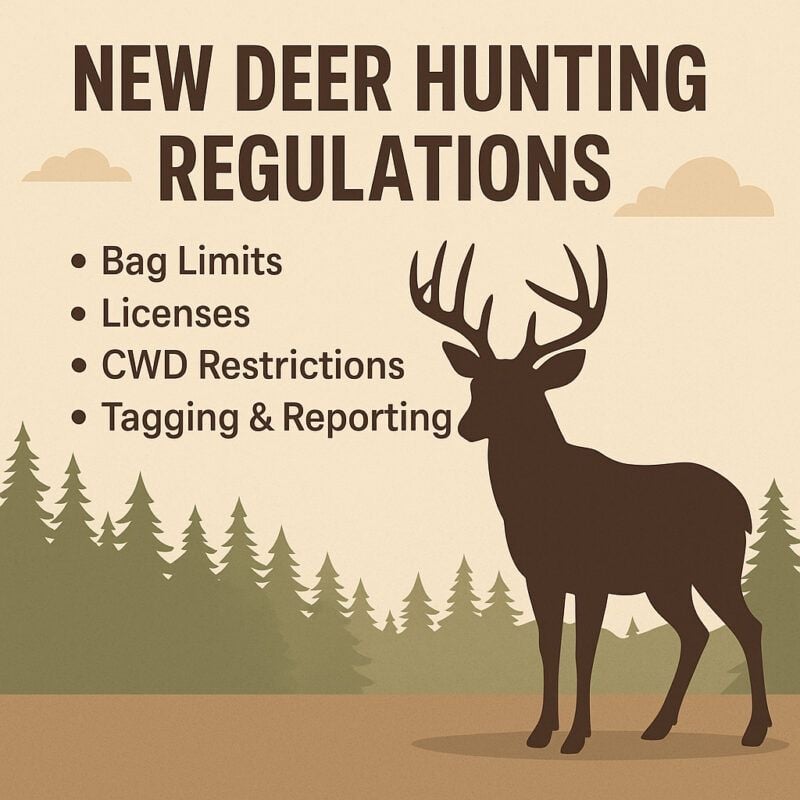
The most significant changes this year include adjustments to bag limits, special permits for antlerless harvest, tagging and reporting requirements, and disease-control measures for Chronic Wasting Disease (CWD). In addition, some states have streamlined license categories to make it easier for new hunters to get involved.
For seasoned sportsmen and women, keeping up with changes ensures a successful and legal season. For new hunters, understanding these rules is a first step toward building lifelong skills and traditions. Either way, before you grab your deer hunting gear and head into the woods, it pays to know what’s changed for 2025.
Updated Bag Limits
Bag limits are one of the most significant regulation updates each year, dictating how many deer hunters can legally harvest in a season. In 2025, several states are adjusting antlered and antlerless quotas to balance conservation with hunting opportunity.
- Antlered deer: Most states continue to allow only one buck per season, though some have adjusted antler-point restrictions.
- Antlerless deer: Harvest quotas vary by region and herd health. In high-density areas, bonus permits may be available to encourage management.
- Special hunts: Early and late-season antlerless-only hunts are expanding in several states.
These limits reflect ongoing herd management goals. States with growing deer populations use antlerless harvest to control numbers, while regions facing lower populations are scaling back opportunities.
Before you hunt deer in 2025, review your state’s current bag limits. They not only affect how you plan your hunt, but also what licenses or permits you’ll need to purchase.
License Types and Names
Another update for 2025 is the restructuring of license categories. Many states are modernizing names, simplifying bundles, and adjusting costs. Some highlights:
- Consolidated Licenses: Several states have merged “archery,” “muzzleloader,” and “firearm” deer permits into one all-season license.
- Youth Licenses: Simplified structures make it easier for new hunters to start.
- Discounted Bundles: Multi-season licenses with antlerless tags included are increasingly popular.
If you’re a returning hunter, don’t assume your old license carries over by the same name. Double-check current regulations before purchasing.
 CA Compliant
 CA Compliant
 CA Compliant

Disease Control: CWD and Beyond
Chronic Wasting Disease continues to influence regulations in 2025. States with confirmed outbreaks have added restrictions on carcass movement, baiting, and feeding. In many regions, hunters must quarter and debone harvested deer before leaving the management zone.
CWD regulations typically include:
- Prohibiting whole carcass transport across county or state lines
- Mandatory check stations for deer harvested in certain zones
- Restrictions on mineral licks and supplemental feeding
Understanding these rules is critical—not just for compliance, but also for protecting the long-term health of deer herds nationwide.
Antlerless Harvest and Special Permits
One of the most asked questions this season is: How many antlerless deer can I take? The answer depends heavily on where you hunt.
- Standard Season: One to two antlerless deer with a base license is common.
- Bonus Permits: Available in overpopulated regions, often purchased in addition to your main tag.
- Special Programs: Some states offer landowner permits or urban deer hunts to manage localized herds.
Hunters looking to manage freezer space or practice meat processing often seek these bonus opportunities. Always confirm the exact number of tags you can use in your hunting unit.
Rules for Youth Hunters
Youth hunting remains a cornerstone of conservation and tradition. In 2025, many states will continue to expand opportunities for young hunters.
- Special Youth Weekends: Early-season hunts allow youth hunters first access to deer populations.
- Reduced Fees: Youth license costs remain lower than standard permits.
- Mentor Programs: Some states require a licensed adult mentor in the field, helping to build safe, ethical habits.
These programs ensure the next generation has access to quality deer hunts while learning the fundamentals of safe, responsible harvest.
Bonus Permits and Additional Tags
For hunters in areas with abundant herds, bonus permits remain an option. These additional tags often apply only to antlerless harvests and vary in cost and availability.
Hunters planning multiple deer hunts in a season should review whether bonus permits are available in their county or wildlife unit. Some states allow various purchases, while others cap them at one per hunter. These permits are an effective way to help control herd numbers while filling the freezer with healthy venison.
Public vs. Private Land Rules
Deer hunting regulations often differ between public and private land. In 2025, some updates emphasize access and safety:
- Public Land: Many states enforce stricter bag limits, weapon restrictions, or access zones on state and federal lands.
- Private Land: Landowners may qualify for special permits, bonus tags, or crop damage programs.
Hunters searching for deer hunting near me should be mindful of property-specific rules and obtain written permission where required.
Tagging and Reporting Requirements
One of the most consistent updates in 2025 involves electronic reporting. Many states now require hunters to check in harvested deer through mobile apps or online portals within 24 hours.
Changes include:
- E-tags: Digital tagging on smartphones replaces paper tags in some regions.
- Mandatory Reporting: Hunters must provide location, sex, and method of harvest.
- Check Stations: Still required in CWD zones, even with digital options.
Failure to comply with tagging and reporting rules can result in fines or loss of hunting privileges, so double-check your state’s process before heading out.
Choosing the Right Gear for the Season
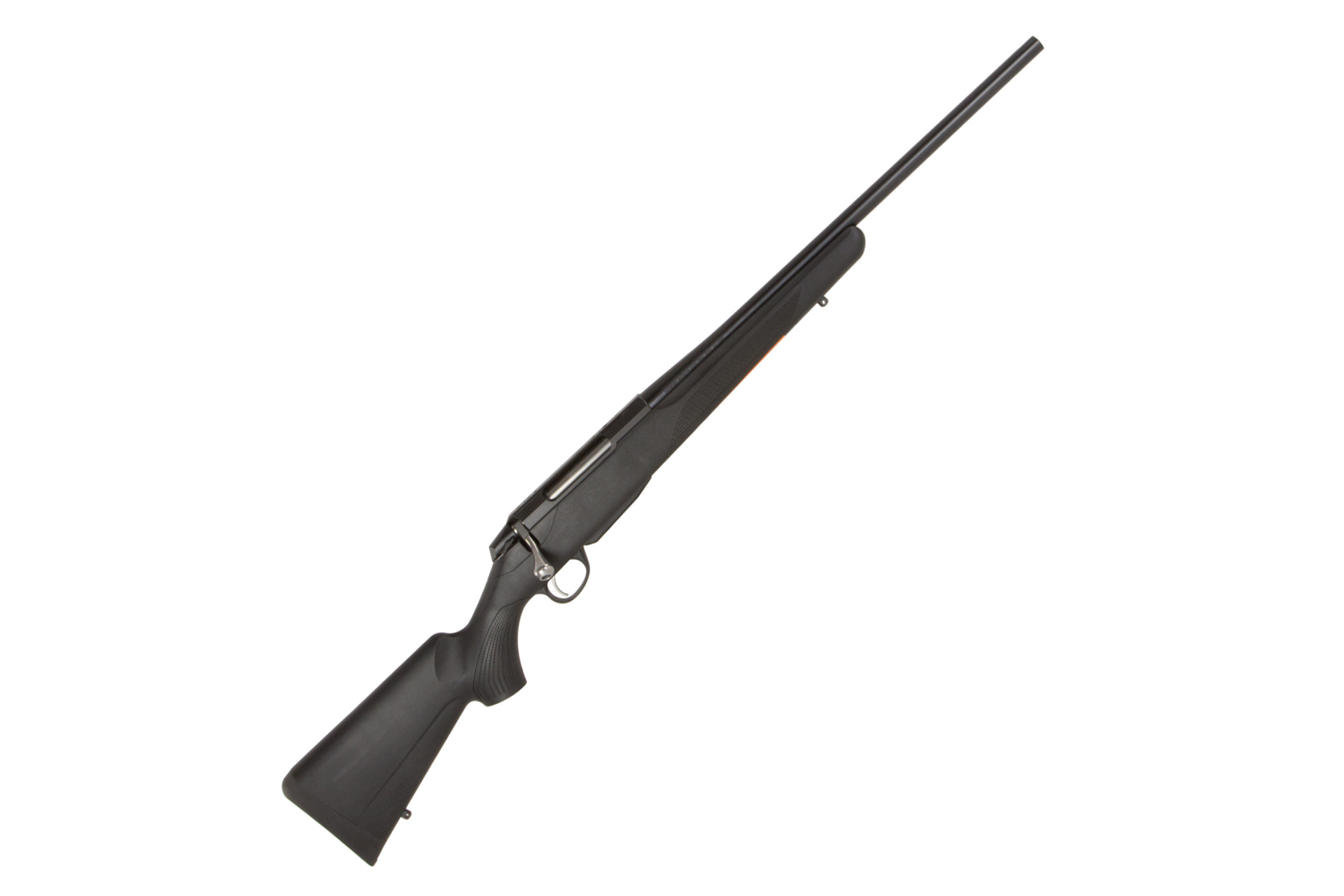
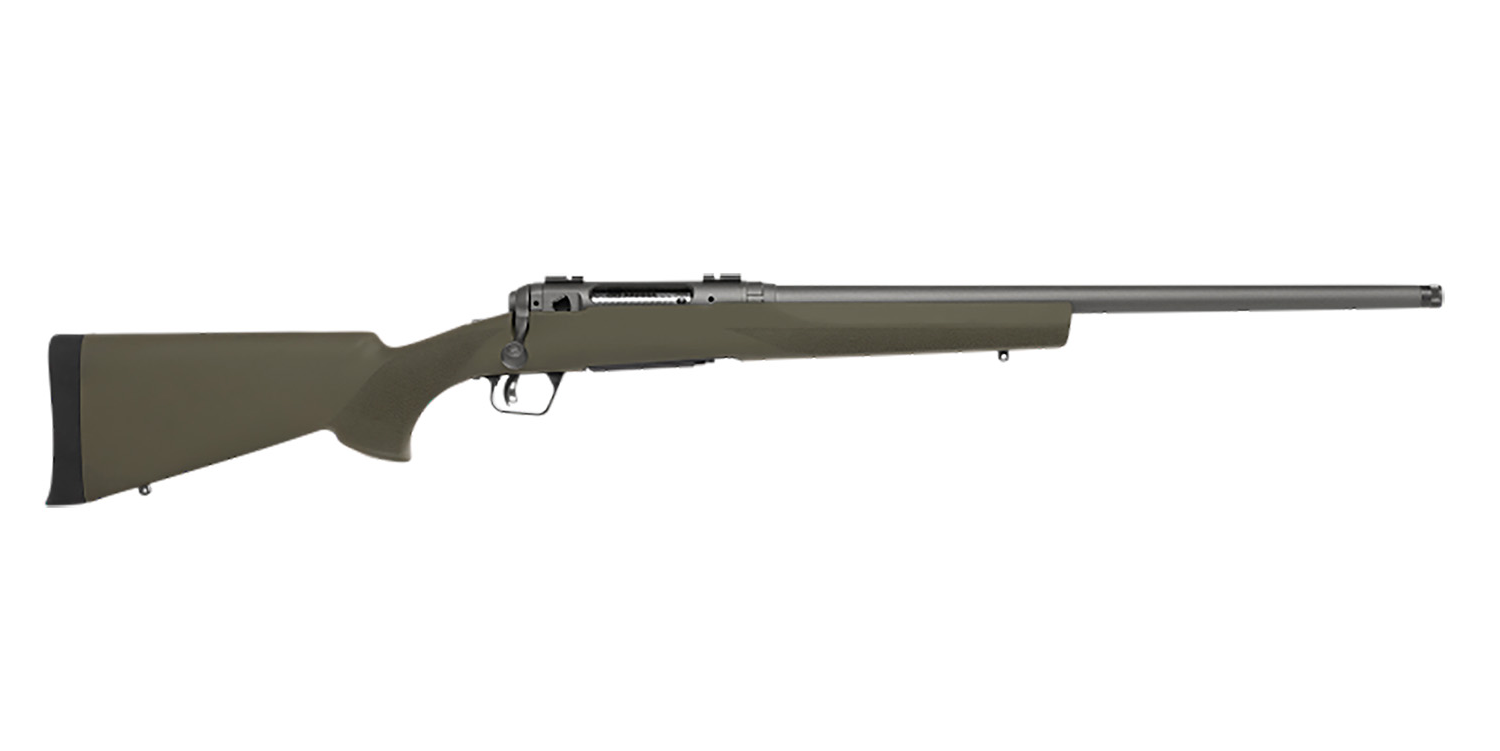
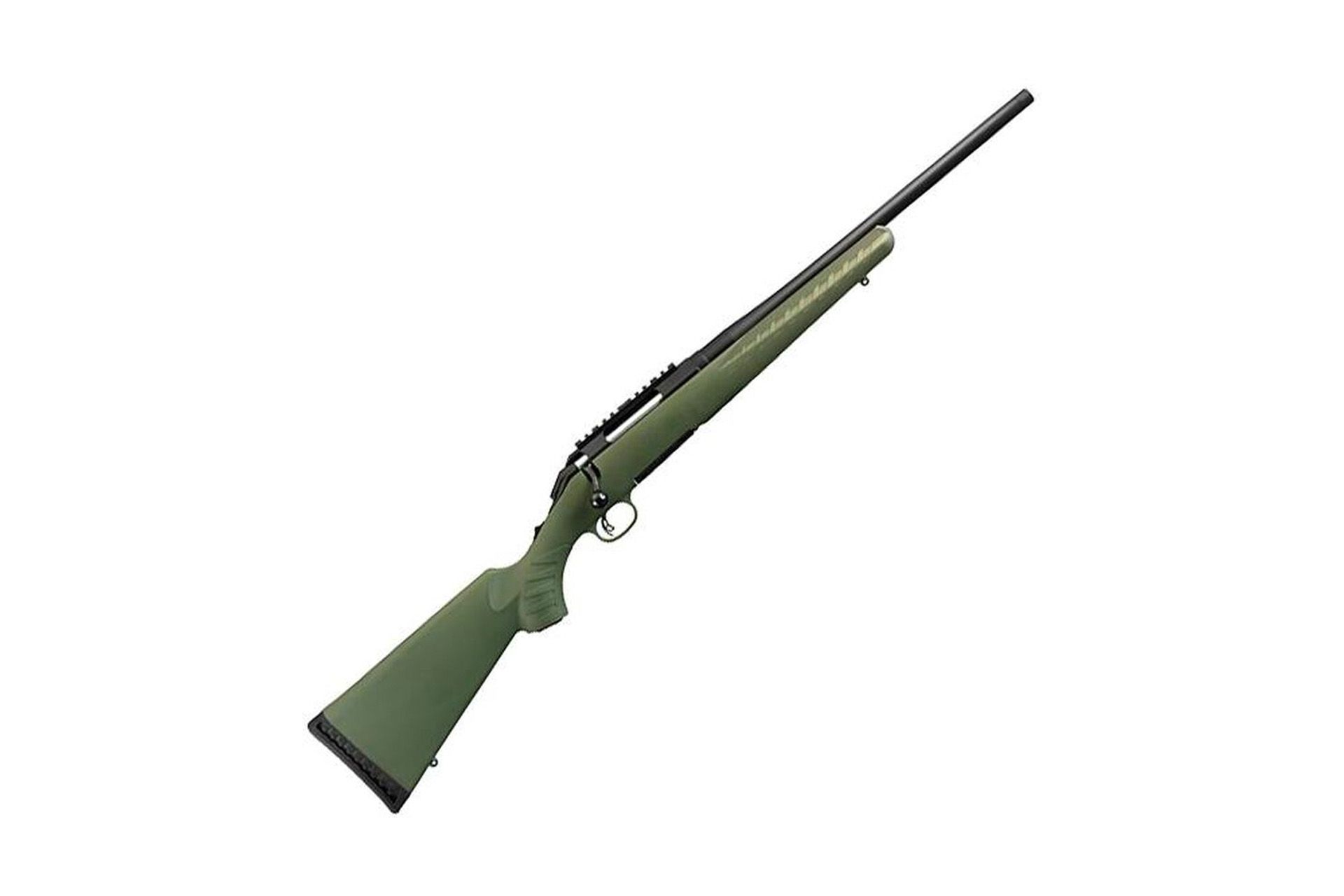
New regulations aside, success in the field still comes down to preparation. Carrying the right deer hunting gear and choosing the best deer hunting rifle for your needs can make all the difference.
Hunters continue to debate the best caliber for deer hunting, but tried-and-true options like .308 Winchester, 6.5 Creedmoor, and .30-06 Springfield remain top picks. If you’re looking for recommendations, consider rifles from trusted brands like Ruger, Savage Arms, and Remington, which are popular for deer hunting due to their accuracy and dependability.
Pairing the right firearm with durable clothing, scent control, and quality optics ensures you’re ready to adapt to any conditions this season.
FAQs
With new deer hunting regulations rolling out in 2025, hunters have many questions about how the changes affect bag limits, permits, and reporting. To help you prepare for the season, we’ve gathered answers to some of the most common questions hunters are asking this year.
What are the new bag limits, and how do they work?
Most states allow one antlered buck per season, with antlerless limits varying by region. Bonus permits are available in some high-density areas.
Have license types or names changed recently?
Yes. Many states now offer consolidated all-season licenses and simplified youth options.
What restrictions are in place for disease control (like CWD)?
CWD zones often prohibit carcass transport, require mandatory testing, and ban baiting or feeding.
How many antlerless deer can I take, and are special permits needed?
Standard licenses often allow one antlerless deer, with additional harvests requiring bonus permits.
What special rules apply to youth hunters?
Youth-only weekends, reduced license fees, and mentor requirements are common in 2025.
How are bonus or additional permits handled?
Bonus permits are usually purchased separately, apply to antlerless harvest, and vary by county or unit.
Do regulations differ on private versus public lands?
Yes. Public lands may have stricter bag limits, while private landowners may access special programs.
What updated tagging and reporting requirements exist?
Many states now require mobile app or online check-in within 24 hours, with check stations still in use in CWD areas.
Conclusion
Deer hunting regulations in 2025 bring important updates that every hunter should review before heading into the field. From new bag limits and license changes to stricter CWD measures and electronic reporting, these rules are designed to balance opportunity with conservation while ensuring healthy deer populations for future generations.
Success this season isn’t just about knowing the regulations—it’s also about preparation. Choosing the best deer hunting rifle, stocking up on dependable deer hunting gear, and planning your hunts around updated rules will give you the confidence to make every trip count.
Whether you’re new to the sport or a seasoned hunter, staying informed and properly equipped makes all the difference. When you’re ready to gear up for your next deer hunt, explore rifles, calibers, and accessories at Dirty Bird USA to find everything you need for a successful season.
Additional resources, www.ar15discounts.com