

 Dirty Bird Bakersfield
Deer Hunting, Hunting, Rifle
Hunting Season 2025 and Firearm Safety: What You Need to Know

Aug
Table of Contents
As the hunting season 2025 approaches, hunters across the United States are preparing for deer season, a time of excitement and tradition. However, recent findings highlight a critical concern: a 12 percent increase in firearm incidents, both hunting-related and non-hunting-related, during deer season, according to a quasi-experimental analysis of data from 2016 to 2019 across 10 states with high hunting activity. This spike, linked to increased firearm and ammunition availability, underscores the urgent need for responsible storage, safe handling, proactive education, and proper firearm maintenance to ensure a safe and enjoyable hunting experience. This article explores essential safety practices, preparation steps, the importance of education, and maintenance tips to help hunters navigate the 2025 season responsibly.
The Surge in Firearm Incidents During Deer Season
Deer season brings a surge in firearm use as hunters flock to fields and forests. The 12 percent increase in firearm incidents during this period, as reported in a 2025 study, includes both hunting-related accidents and non-hunting incidents, such as mishandling at home or in transit. States like New York, Texas, and Pennsylvania, which see heavy hunting activity, are particularly affected. In 2024, New York documented 11 hunting-related shooting incidents, including one fatality, and 11 elevated hunting incidents from tree stand falls, many of which were preventable with proper safety measures. These statistics highlight how the influx of firearms during hunting season amplifies risks, making adherence to safety protocols and maintenance practices critical.
The increase in incidents isn’t limited to inexperienced hunters. Even seasoned hunters can become complacent, leading to accidents. The data suggests that heightened firearm availability, such as guns left loaded in vehicles or homes, contributes to both hunting and non-hunting incidents. Responsible storage, handling, education, and regular firearm maintenance are key to reversing this trend and ensuring safety throughout the season.
Fundamental Firearm Safety Rules for Hunters
Safe firearm handling is the foundation of a successful hunting season. Every hunter, from novice to expert, must internalize the fundamental firearm safety rules to prevent accidents. These rules form the bedrock of responsible gun ownership:
- Always point the muzzle in a safe direction. Control the firearm’s direction at all times, even if you stumble or fall. Never point it at anything you don’t intend to shoot.
- Treat every firearm as if it’s loaded. Check the chamber and magazine every time you pick up a gun to confirm it’s unloaded, especially before handing it to someone else.
- Keep your finger off the trigger until ready to shoot. Rest your finger outside the trigger guard to avoid accidental discharge.
- Be sure of your target and what’s beyond it. Identify your target clearly in good light, using binoculars if needed, and ensure a safe backstop to prevent stray bullets from causing harm.
These rules are non-negotiable and apply whether you’re in the field, at the range, or handling a firearm at home. They protect you, your hunting party, and bystanders from preventable accidents.
Top Ten Rules for Hunting-Related Firearm Safety
Building on the fundamental rules, hunting-specific safety practices address the unique challenges of the field. The following ten rules are critical for hunters:
- Keep firearms unloaded when not in use.
- Store firearms and ammunition separately.
- Never climb or cross obstacles with a loaded firearm.
- Avoid horseplay with firearms.
- Know your firearm’s operation.
- Use the correct ammunition.
- Wear eye and ear protection.
- Never shoot at hard surfaces or water.
- Control your emotions.
- Use a safety harness in tree stands.
These rules address the dynamic nature of hunting, where environmental factors, physical exertion, and adrenaline can heighten risks. By committing to these practices, hunters can significantly reduce the likelihood of accidents.
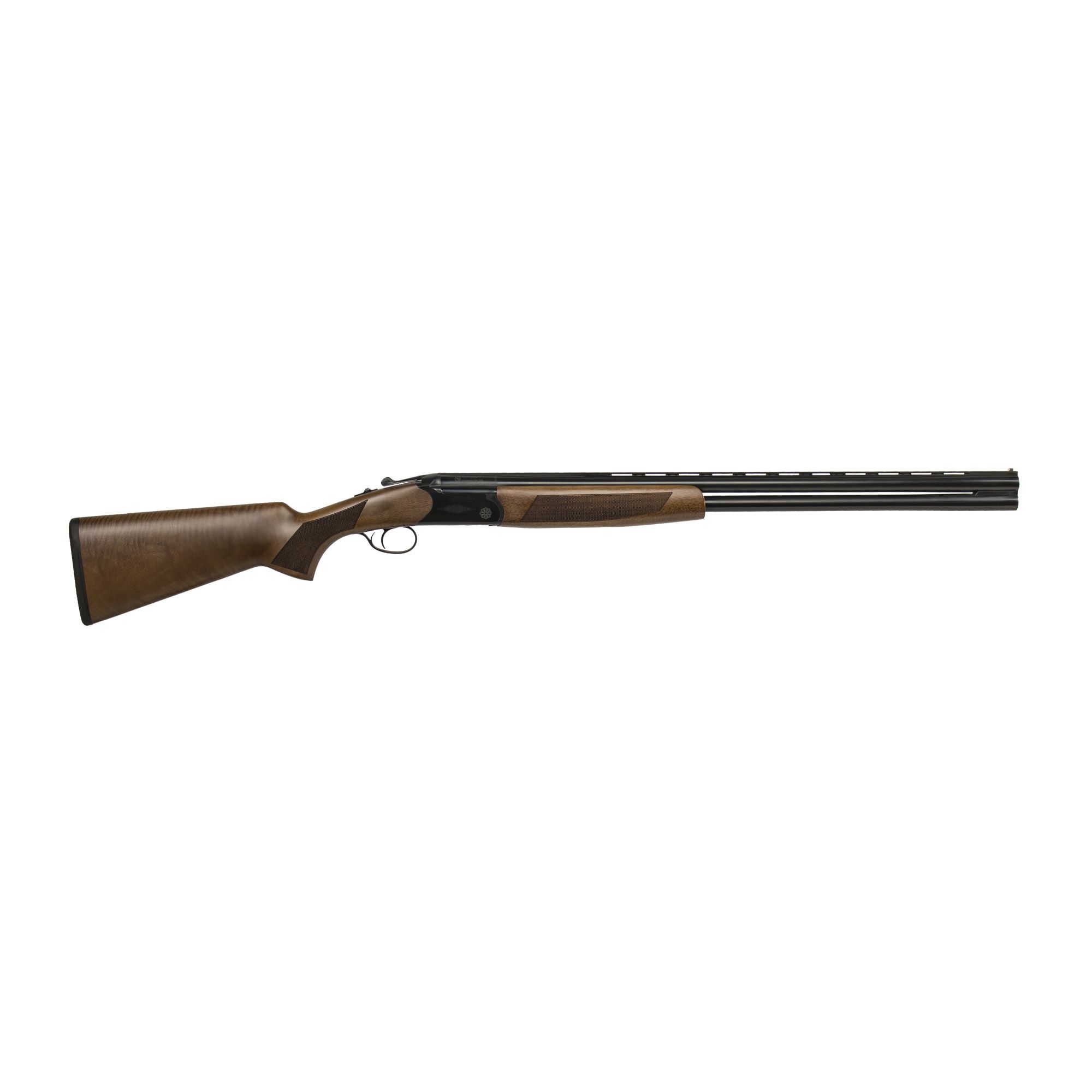


 CA Compliant
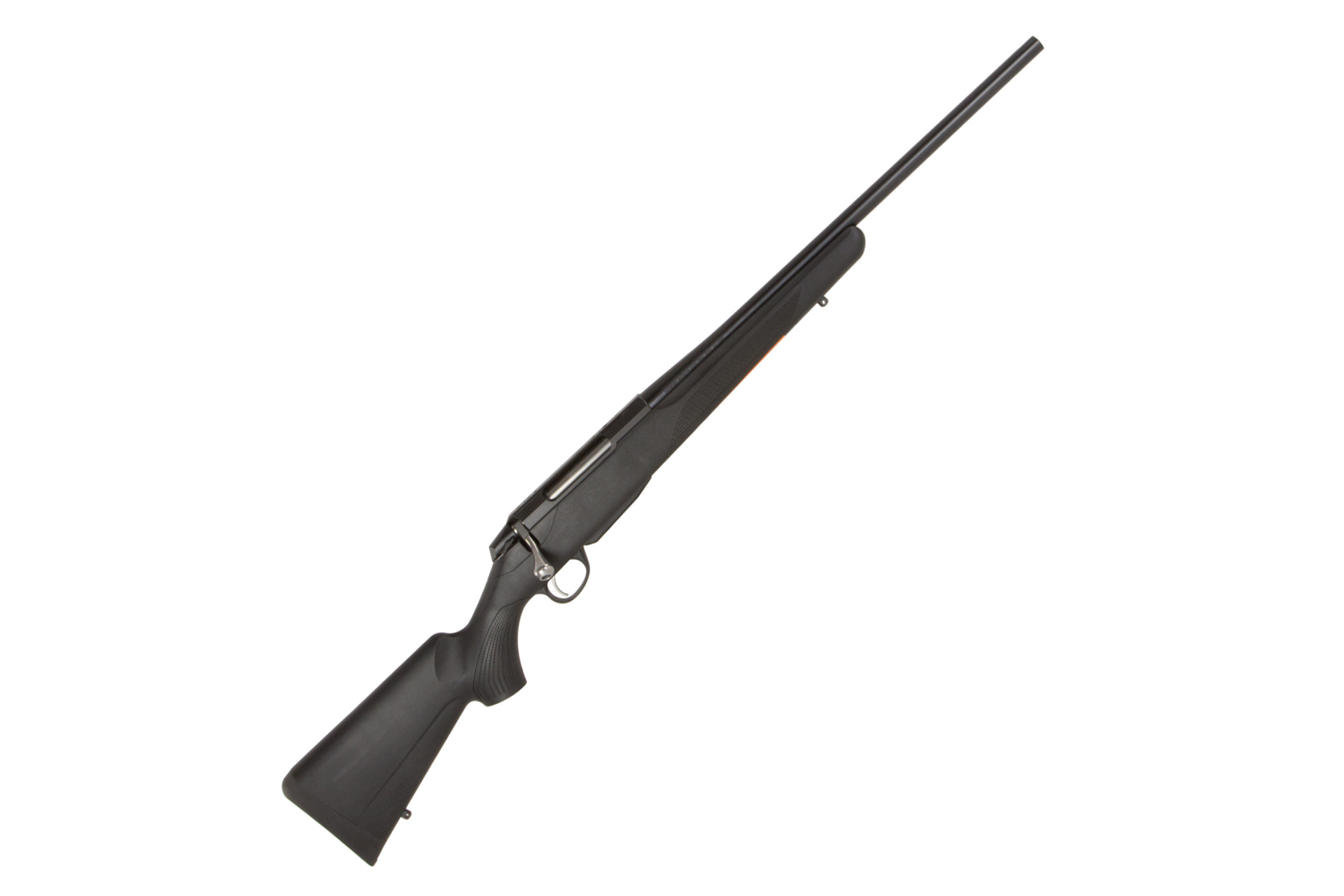
The Importance of Hunter Education Courses
Taking a hunter education course is one of the most effective ways to prepare for a safe hunting season. These courses, mandatory for first-time hunters, bowhunters, and trappers in states like New York, cover firearm safety, hunting regulations, tree stand safety, and ethical practices. In 2024, New York’s Hunter Education Program contributed to the state’s second-safest hunting season on record, demonstrating the impact of structured training.
For novices, education courses build confidence and competence, while experienced hunters benefit from refreshers on evolving regulations and best practices. Programs often include hands-on components, like firearm handling demonstrations, and cover topics like wildlife identification to prevent mistaken shots. Many states require youths, such as 12- and 13-year-olds, to complete these courses before hunting with firearms or crossbows under adult supervision. Online and in-person options make it accessible, and organizations emphasize that education is an ongoing process. Enrolling in a course before the 2025 season ensures you’re equipped to handle firearms responsibly and navigate the field safely.
Specific Safety Precautions for Hunting Season 2025
During hunting season, specific precautions can mitigate the heightened risks associated with increased firearm use. Always store firearms unloaded in a locked safe or case when not in use, with ammunition secured separately. This prevents unauthorized access, especially by children, and reduces the risk of non-hunting incidents, which contribute to the 12 percent spike during deer season.
When transporting firearms to hunting grounds, keep them cased and unloaded, with the action open, to comply with safety standards and local laws. In the field, maintain awareness of your surroundings. Use binoculars to identify targets clearly, avoiding shots at movement or in low-light conditions. For tree stand hunters, a fall-arrest harness is essential. Carry emergency gear, like a knife, flashlight, cell phone, and whistle, in your pocket for quick access. Avoid alcohol or substances that impair judgment, as they can lead to careless handling or poor decision-making.
Firearm Maintenance for Hunting Season 2025
Proper firearm maintenance is critical to ensuring safety and reliability during the 2025 hunting season. A well-maintained firearm reduces the risk of malfunctions, such as misfires or jams, which can lead to dangerous situations in the field.
Before hunting season 2025 begins, thoroughly inspect your firearm for wear, rust, or damage. Check the barrel for obstructions, ensure the action operates smoothly, and verify that the sights or scope are properly aligned. Clean your firearm after every use, especially if exposed to moisture, dirt, or debris, as hunting environments can be harsh. Buy a quality cleaning kit if needed.
Use a cleaning kit specific to your firearm’s caliber or gauge. Start by unloading the gun and confirming it’s safe. Disassemble according to the manufacturer’s manual, then use a bore brush and cleaning solvent to remove fouling from the barrel. Wipe down all metal surfaces to prevent corrosion, and lightly lubricate moving parts like the bolt or slide to ensure smooth operation. Pay special attention to the trigger mechanism, as dirt or debris can affect its performance. After cleaning, reassemble and perform a function check to confirm the firearm operates correctly.
Regular maintenance extends beyond cleaning. Store firearms in a cool, dry place with a dehumidifier or silica gel packs to prevent rust. Use a gun sock or silicone-treated cloth for added protection during storage. Before heading to the field, test-fire your firearm at a range to ensure reliability and accuracy.

Preparing Responsibly for Hunting Season 2025
Preparation is key to a safe and successful hunting season 2025. Start by enrolling in or refreshing your hunter education course to stay updated on safety practices and regulations. Inspect your firearms thoroughly, performing maintenance as outlined above to ensure they’re in top condition. Practice handling them at a range to confirm functionality and your proficiency. Familiarize yourself with your state’s hunting laws, including caliber restrictions, magazine limits, and season dates, to avoid legal issues.
Organize your gear thoughtfully. Store firearms in a secure, locked safe with trigger or cable locks to prevent unauthorized use. Separate ammunition and use a dedicated ammo box for transport. For tree stand hunters, invest in a quality fall-arrest system and practice setting it up before the season. Scout hunting locations in advance to understand terrain and potential hazards. Rehearse safe firearm handling mentally—visualize checking the chamber, keeping the muzzle pointed safely, and maintaining trigger discipline.
Why Education, Maintenance, and Vigilance Matter
The 12 percent increase in firearm incidents during deer season serves as a stark reminder that hunting carries inherent risks, amplified by the widespread presence of firearms. Responsible storage, such as locking guns and ammo separately, prevents accidents at home or in transit. Proper maintenance ensures your firearm functions reliably, reducing the risk of malfunctions that could lead to injury. Adhering to fundamental and hunting-specific safety rules, like keeping the muzzle pointed safely and using a tree stand harness, minimizes dangers in the field. Education through hunter safety courses equips hunters with the knowledge and skills to navigate these risks, fostering a culture of safety.
The data shows that many accidents, like tree stand falls or self-inflicted shootings, are preventable with proper precautions. By prioritizing preparation, from inspecting and maintaining gear to understanding regulations,hunters can mitigate the factors contributing to incidents. As hunting season 2025 begins, commit to ongoing education, diligent firearm maintenance, and proactive safety measures to ensure a rewarding experience while protecting yourself, your fellow hunters, and your community.
Hunting Season 2025 Safety Conclusion
Hunting season 2025 offers a chance to connect with nature and tradition, but the 12 percent rise in firearm incidents during deer season demands heightened vigilance. By following fundamental firearm safety rules, adopting hunting-specific precautions, maintaining your firearms, and investing in education, hunters can minimize risks and maximize enjoyment. Responsible storage, thorough preparation, and a commitment to safety are essential for preserving the legacy of hunting as a safe, ethical pursuit. Equip yourself with knowledge, maintain your gear, and make safety first in the field this season.
What are the fundamental firearm safety rules every hunter should follow?
The four core rules are to always point the muzzle in a safe direction, treat every firearm as if it’s loaded, keep your finger off the trigger until you’re ready to shoot, and be sure of your target and what is beyond it. These rules apply in the field, at the range, and at home.
What are the top ten rules of hunting-related firearm safety?
The ten key rules are to keep firearms unloaded when not in use, store guns and ammunition separately, never climb or cross obstacles with a loaded gun, avoid horseplay, know your firearm’s operation, use the correct ammunition, wear eye and ear protection, never shoot at hard surfaces or water, control your emotions, and always use a safety harness in tree stands.
Why is taking a hunter education course important before hunting season 2025?
Hunter education courses teach safe firearm handling, hunting regulations, and ethical practices. They build confidence in new hunters and provide valuable refreshers for experienced hunters, helping reduce accidents and ensuring hunters are prepared for the season.
What specific safety precautions should I take during hunting season 2025?
Store firearms unloaded and locked, transport them cased with the action open, and use binoculars to confirm targets clearly. Tree stand hunters should always wear a safety harness, and all hunters should carry emergency gear and avoid alcohol or substances that impair judgment.
What steps should I take to prepare responsibly before the hunting season begins?
Inspect and clean your firearms, refresh your hunter education course, practice safe handling at a range, and review local hunting laws. Organize gear in advance, use secure storage for firearms and ammunition, and rehearse safe firearm handling to build confidence before the season.