

 Dirty Bird Bakersfield
Hunting, Hunting 2025, Optics
How to Choose Your First Riflescope for Hunting Season 2025
Sep
Table of Contents
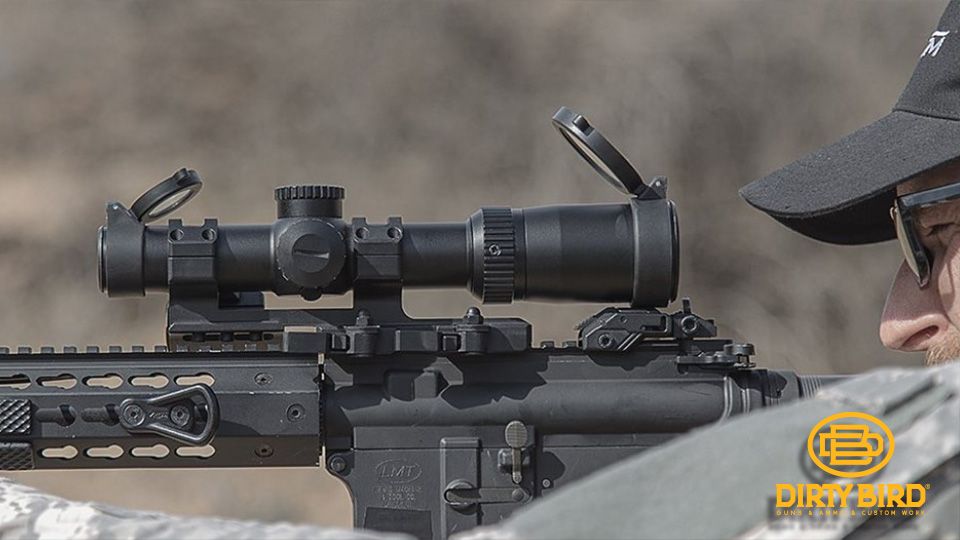
When you think of a hunting rifle for Hunting Season 2025, it’s hard also not to imagine the optic that sits on top of it. This is for good reason: you cannot shoot what you cannot see. Stepping into hunting with a rifle is an exciting journey, but unfortunately, selecting your first riflescope for Hunting Season 2025 can feel daunting. The bottom line is that you don’t have to spend a ton to get an optic that will serve you well for years to come. It really comes down to what you’re hunting, where, and what you can afford.
At Dirty Bird Guns and Ammo, we’ve guided countless new hunters to find the perfect optic for Hunting Season 2025, turning overwhelming choices into confident decisions. A riflescope is more than a tool; it’s your key to precision, clarity, and success in the field. Unlike iron sights, a riflescope offers magnified views for better target identification, enhanced accuracy over longer distances, and improved visibility in low-light conditions, making it easier to place ethical shots.
What if you don’t have a scope? Alternatively, a red dot sight can be a great option for specific scenarios, which we’ll explore. This guide will walk you through the essential factors for choosing your first hunting optic, ensuring it fits your needs, terrain, and skill level. From magnification to reticle types, we’ll cover what matters most for beginners.
Why Choose a Riflescope Over Iron Sights?
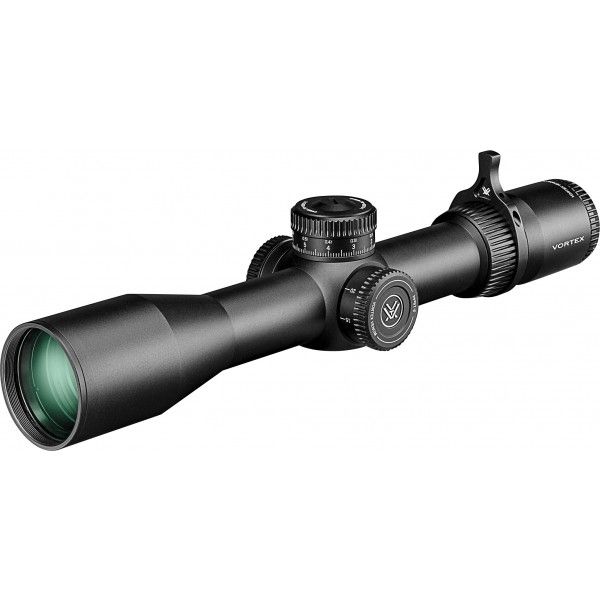
For new hunters, the choice between a riflescope and iron sights is a critical first step. Riflescopes magnify your target, making it easier to identify game and aim precisely, particularly at distances beyond 50 yards where iron sights lose effectiveness. Scopes also perform better in low light, helping you see clearly during dawn or dusk when animals are most active. Unlike iron sights, which require aligning multiple points under pressure, a scope gives you a single focal plane, reducing errors and speeding up target acquisition. This builds confidence and helps beginners make ethical shots while learning the ropes.
Red Dots as a Simpler Alternative
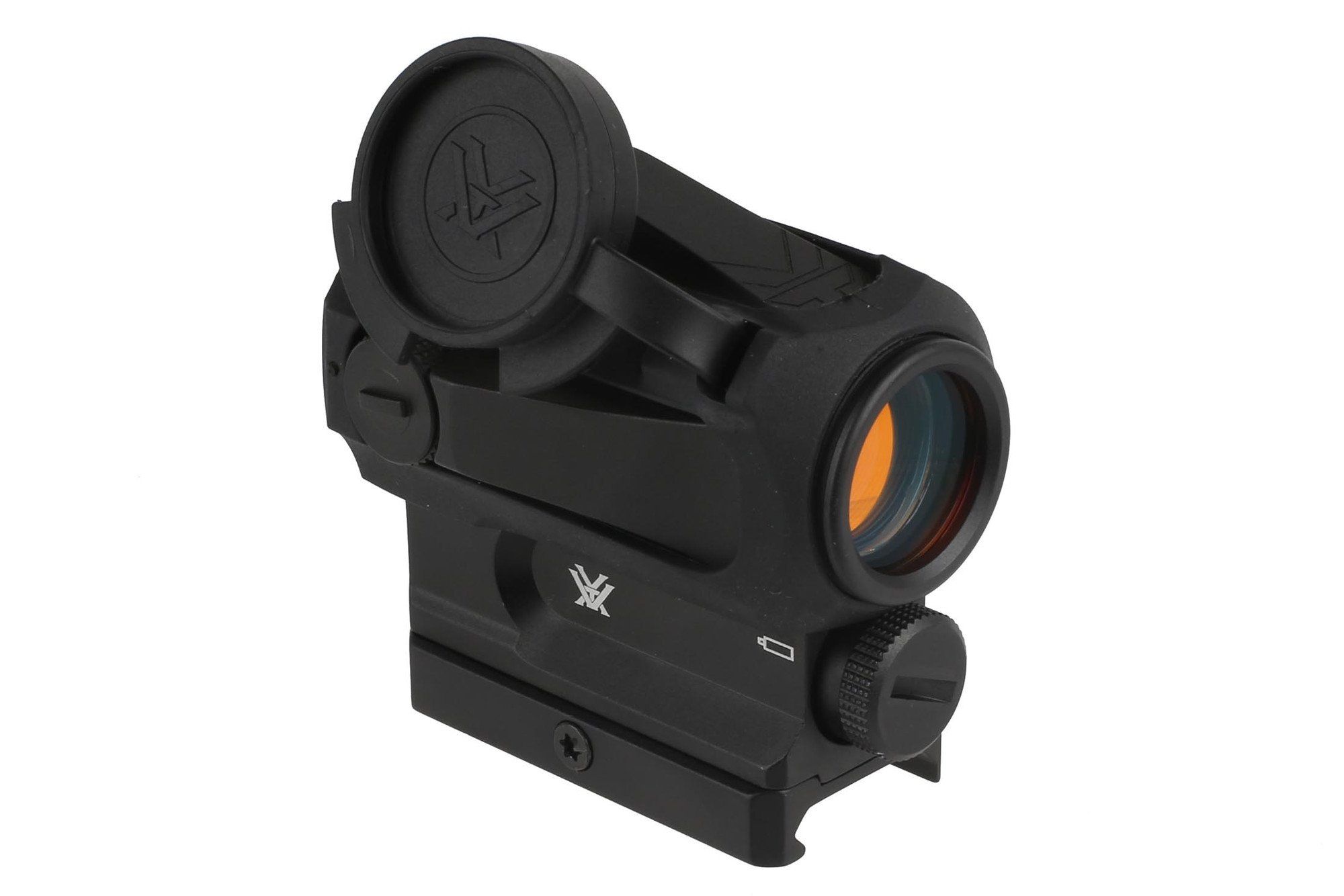
For some new hunters entering Hunting Season 2025, even a simple red dot sight is a solid choice, offering simplicity and speed that a riflescope may not match. Red dots provide a non-magnified 1x view with a single illuminated dot for fast target acquisition, making them perfect for dense environments and close-range hunting under 100 yards. They’re lightweight, intuitive, and particularly effective when tracking fast-moving game in tight cover. While red dots excel in speed and simplicity, they are less suited for precision at longer ranges.
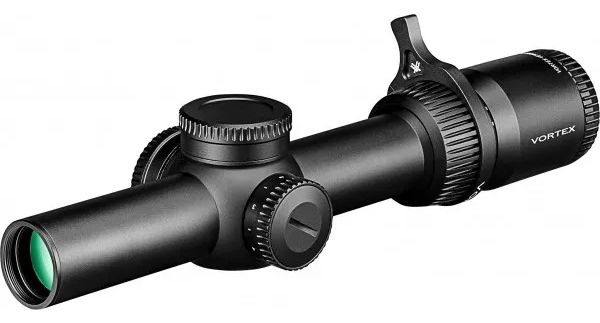
A low-power variable optic (LPVO), typically ranging from 1-6x or 1-8x, is also fantastic option for new hunters in Hunting Season 2025 seeking versatility in dynamic hunting environments. LPVOs combine the speed of a red dot at 1x for close-range, fast-moving targets, like deer in thick brush or turkeys in dense cover, with the ability to zoom in for precise mid-range shots up to 300-400 yards, ideal for open fields or Western prairies. Their wide field of view at low magnification makes target acquisition quick and intuitive, while the variable zoom allows beginners to adapt to changing distances without swapping optics. LPVOs are particularly forgiving for those still honing their skills, offering a balance of simplicity and functionality, though they may be slightly heavier or costlier than fixed-power scopes or red dots. For hunters tackling varied terrains or unpredictable scenarios in Hunting Season 2025, an LPVO provides a single, adaptable solution to build confidence in the field.
Understanding Magnification for New Hunters
Magnification is a top consideration for your first riflescope for Hunting Season 2025. For most beginners, a versatile range like 3-9x or 2-10x is ideal, covering close shots in thick timber and mid-range targets up to about 300 yards. Lower magnification in the 2x to 3x range provides a wide field of view for quick targeting in dense cover, while the higher end at 9x to 10x allows precision for open terrain and longer shots. This flexibility makes these scopes forgiving for new hunters in Hunting Season 2025 still mastering distance estimation and adapting to varied hunting environments.

Fixed vs. Variable Power Scopes
You’ll need to decide between fixed power and variable power. Fixed power scopes, such as 4x or 6x, are simpler, lighter, and often more durable due to having fewer moving parts. They work well for short-range wooded hunts. Variable power scopes, like a 3-9x, provide zoom flexibility, allowing you to adapt to both close and long shots. Most beginners benefit from the versatility of variable power scopes, which help develop skills across diverse hunting conditions.
Balancing Clarity and Light for Low-Light Hunting
Hunting often happens in dim light, especially at dawn and dusk. Your scope’s objective lens size determines how much light it gathers. A 50mm lens collects more light but adds bulk, while a 40mm or 42mm lens strikes a good balance by providing strong light transmission without excessive weight. Pairing this with quality multi-coated lenses maximizes brightness and clarity, ensuring you can spot game in difficult conditions.
Choosing the Right Reticle for Ease and Accuracy
Beginners should look for simple, intuitive reticles. A duplex reticle with thick outer lines tapering to a fine crosshair is ideal for fast aiming. An illuminated version can help during low-light hunts. More complex reticles with multiple reference points may overwhelm new shooters, so a clean duplex design is often the best confidence-building option for first-time hunters.
First Focal Plane vs. Second Focal Plane
Scopes come in two designs. First focal plane scopes adjust the reticle size with magnification, keeping holdover points accurate but often being more complex and costly. Second focal plane scopes keep the reticle size consistent, which is simpler and more affordable. For new hunters shooting within 300 yards in Hunting Season 2025, second focal plane scopes are generally the best choice due to their ease of use and reliability.
Eye Relief for Safe and Comfortable Shooting
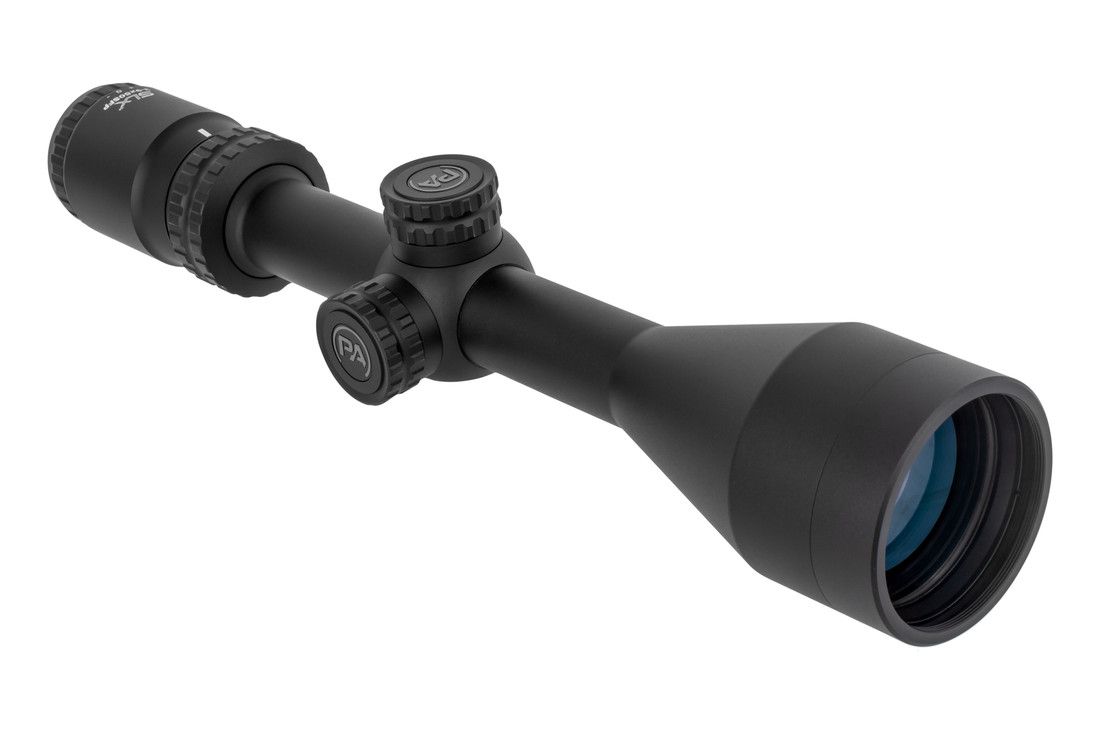
Eye relief protects your face from recoil and ensures comfort. Beginners, especially those using higher calibers like .308 or .30-06, should aim for 3.5 to 4 inches of eye relief. This is important in awkward positions like prone or off-hand shots and also helps you maintain a clear sight picture during quick shooting situations during Hunting Season 2025.

Optical Features for Clear Performance
Lens quality and coatings directly impact clarity. Fully multi-coated lenses maximize light transmission and reduce glare, while high-quality glass reduces distortion and provides sharper images. Many entry-level scopes offer good clarity without premium prices, but it’s best to avoid models with cheap glass that can result in blurry visuals.
Weight and Practicality for Field Use
The scope’s weight affects rifle balance and comfort during long hunts. Heavy optics can make your rifle feel clunky, particularly in mobile hunts like spot-and-stalk. Lighter, balanced scopes are often better for beginners because they enhance maneuverability. Always test how a scope feels mounted to your rifle to make sure it feels natural.
Durability and Warranty for Reliability
Your first scope should withstand the realities of hunting conditions. Look for waterproof, fog-proof, and shockproof construction, with nitrogen- or argon-purged optics and O-ring seals to keep moisture and debris out. A strong warranty, ideally lifetime coverage, provides peace of mind and ensures you’re protected if your optic takes a hit in the field.
Budgeting for Your First Riflescope
A realistic budget for a beginner riflescope is between $150 and $400. In this range, you can find clear glass, solid construction, and the key features you’ll need for success. Spending under $150 usually sacrifices reliability, while going above $400 adds advanced features unnecessary for a first scope. Focus on clarity, durability, and practical features instead of extras you won’t yet use.
Building Confidence for Your First Hunt
Choosing your first optic is about balancing versatility, simplicity, and durability. For most beginners, a 3-9x or 2-10x variable scope covers the majority of hunting scenarios. A duplex reticle in second focal plane is easy to use and reliable. A 40mm to 42mm objective lens provides strong low-light performance without unnecessary weight, while 3.5 to 4 inches of eye relief ensures safety and comfort. Fully multi-coated lenses and rugged construction give clarity and durability, and a $150 to $400 budget ensures value without overspending. If possible, test optics in person to ensure balance and comfort. Pair your optic with a rifle you’re confident in, and practice at the range to build familiarity. Whether you’re chasing whitetails in thick woods or antelope in open plains, the right riflescope—or a red dot in certain conditions—will boost both your accuracy and enjoyment. Visit Dirty Bird Guns and Ammo for a curated selection of entry-level scopes and red dots to kick off your 2025 hunting season with confidence.