

 Dirty Bird Bakersfield




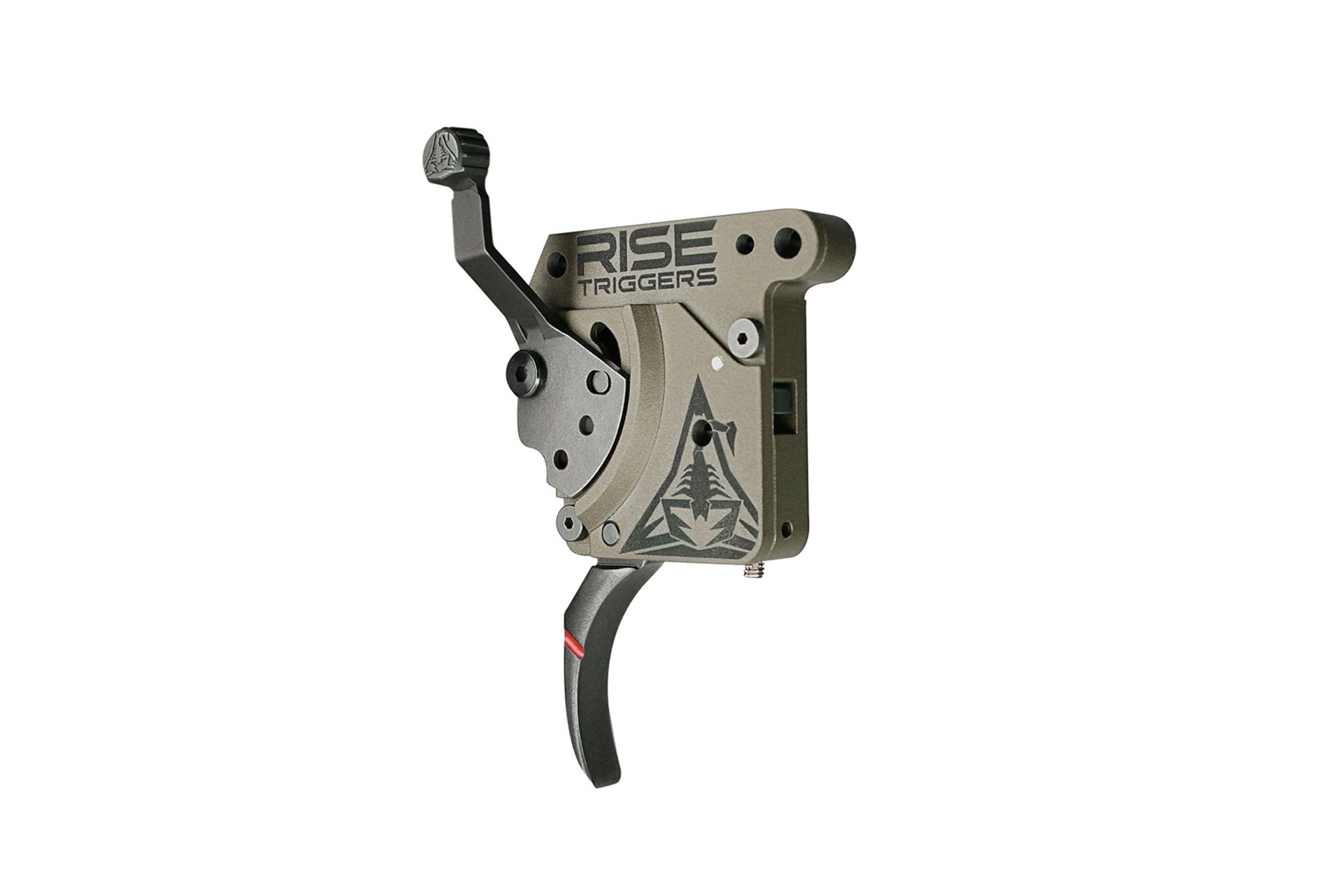

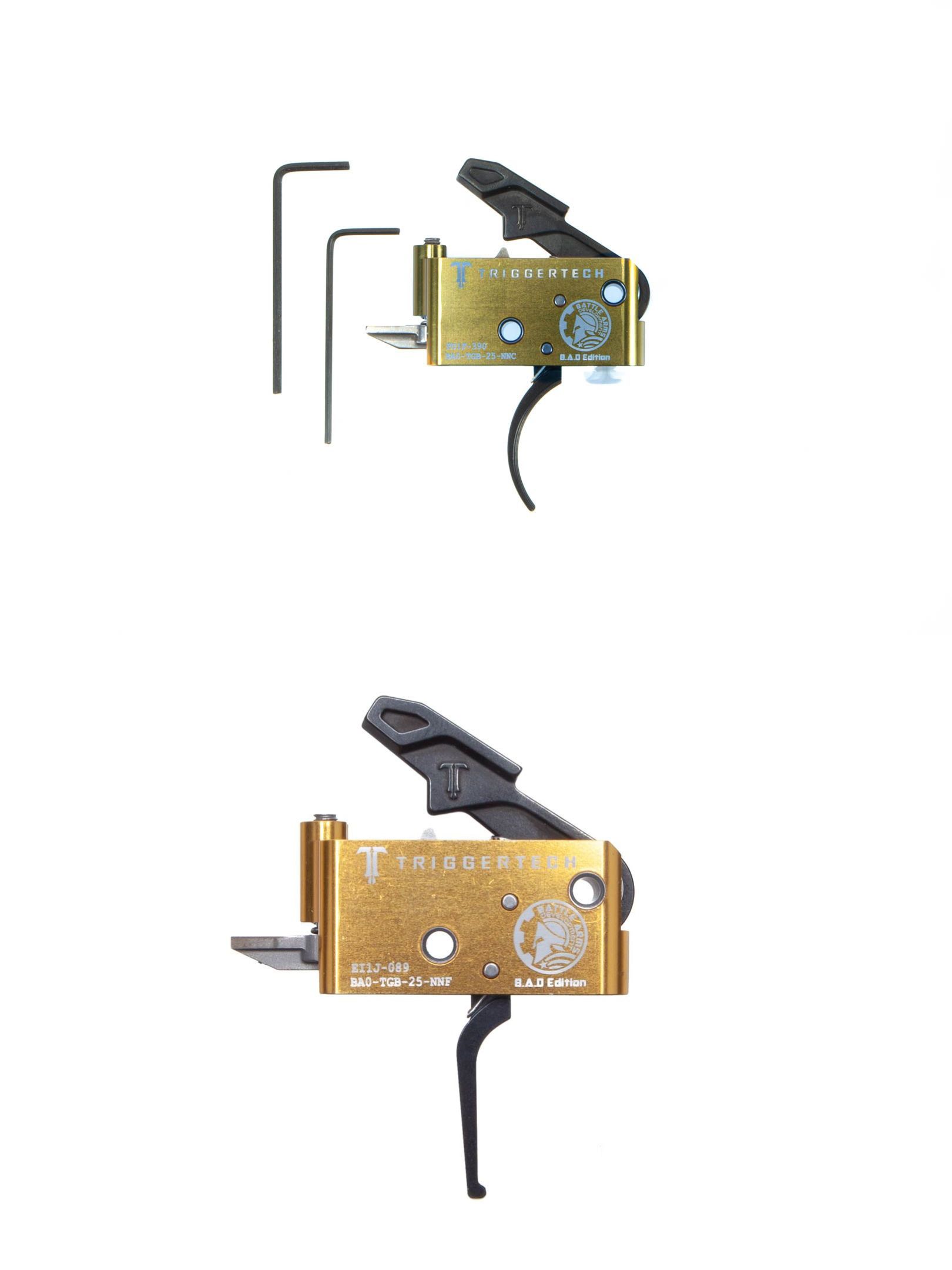


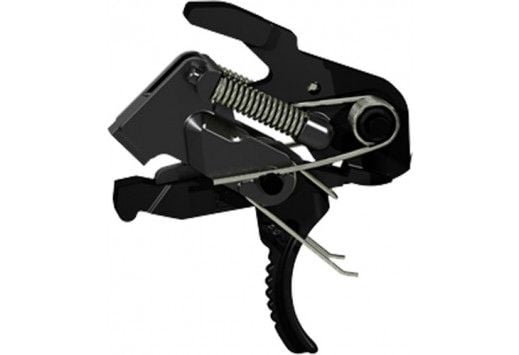


Checkout These Best Sellers
Understanding these differences is important when comparing AR triggers and reviewing manufacturer specifications.
Single-Stage vs. Two-Stage AR-15 Triggers
A single-stage trigger for AR-15 platforms typically has one continuous pull before the trigger releases the hammer. These designs are commonly found in standard fire-control assemblies.
Two-stage triggers have two distinct phases of trigger movement before the break. Both designs are available with different pull weights and construction materials.
Drop-In Triggers and Traditional Trigger Systems
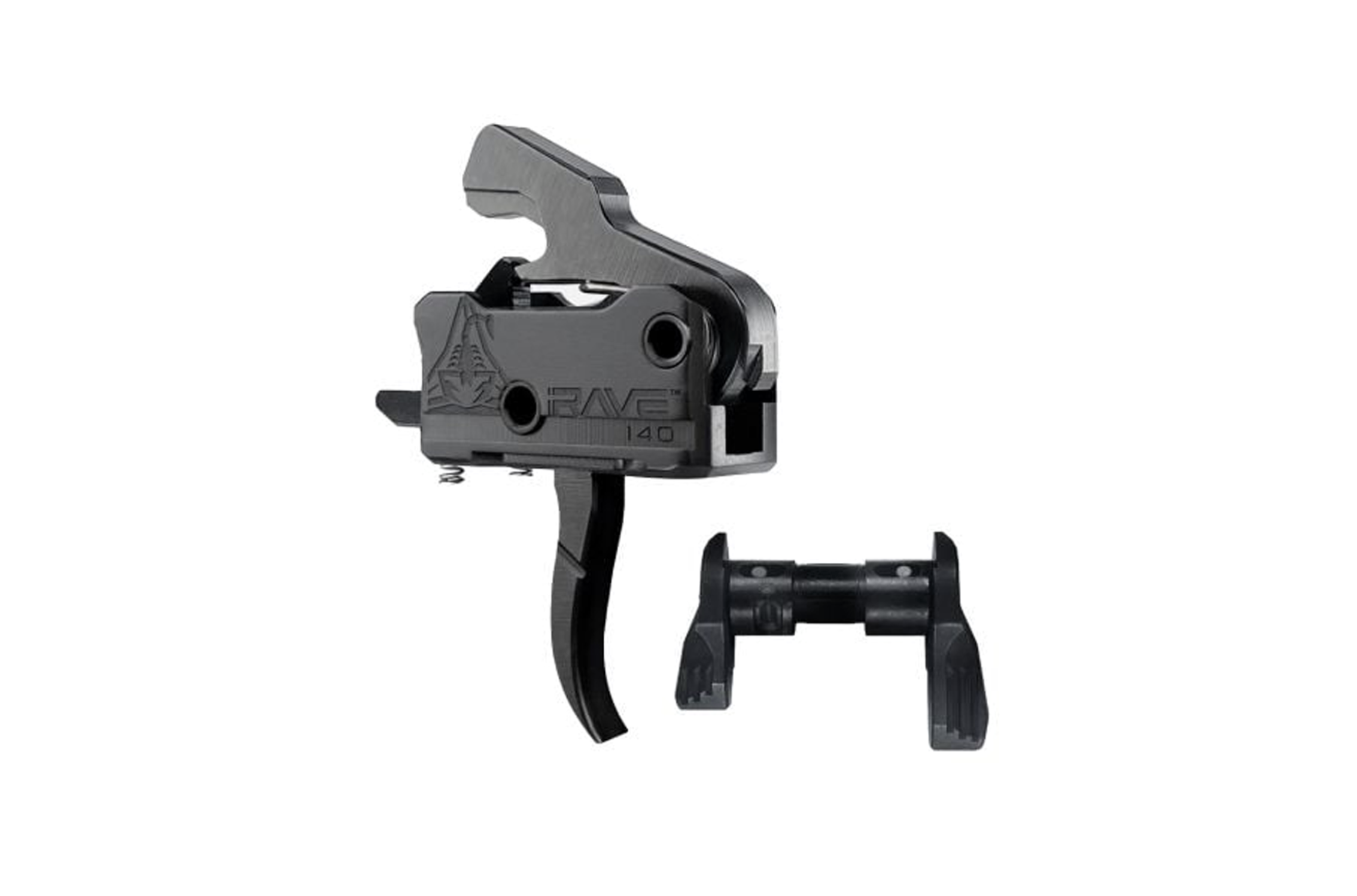
A drop-in trigger generally uses a self-contained housing containing multiple fire-control components. Traditional trigger assemblies typically use separate components installed within the receiver.
Compatibility varies by product, and not all aftermarket trigger systems fit every AR-15 receiver. Manufacturer documentation should identify applicable platforms and restrictions.
Understanding Trigger Pull Weight and Design
Trigger pull weight describes the amount of force required to actuate a trigger. A lightweight trigger has a lower specified pull weight than some conventional designs, although actual measurements can vary.
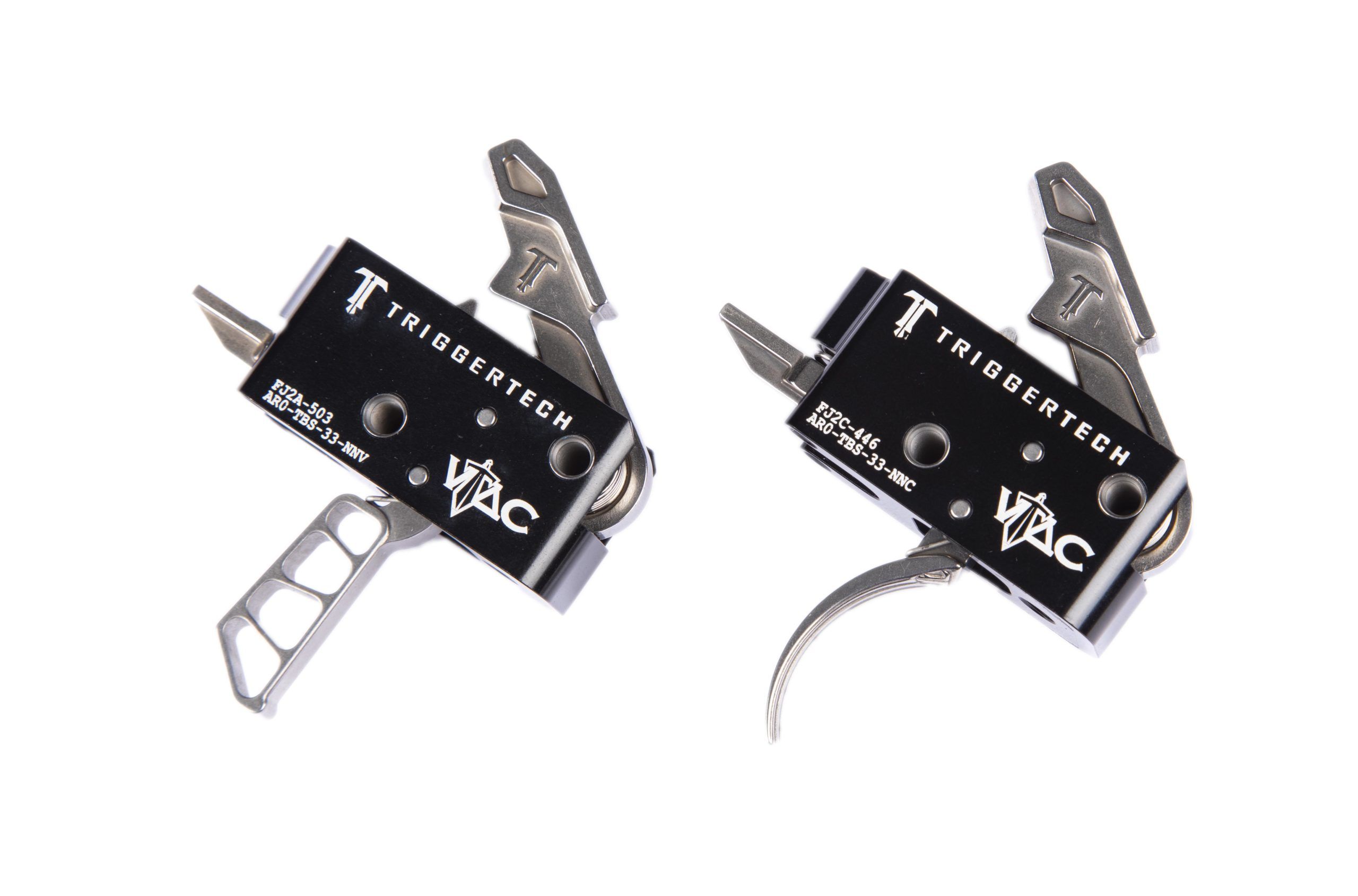
Flat and curved trigger shoes provide different contact surfaces. Other distinctions include surface finishes, materials, and manufacturer-specific construction features.
Frequently Asked Questions About AR-15 Triggers
What should you look for when buying a new AR-15 trigger?
Important considerations include verified receiver compatibility, trigger design, manufacturer specifications, material quality, intended application, and applicable laws. Product documentation should clearly identify the trigger’s operating characteristics.
What is the difference between a single-stage and a two-stage trigger?
A single-stage trigger has one continuous pull before the break. A two-stage trigger incorporates an initial stage followed by a distinct second stage.
Are drop-in triggers compatible with all AR-15 lower receivers?
No. Receiver dimensions, proprietary designs, and individual trigger specifications can affect compatibility. Consult manufacturer documentation for supported receiver configurations.
What is the difference between a flat and curved trigger?
Flat trigger shoes provide a relatively straight contact surface, while curved designs follow a more traditional contour. Both are available in different materials and configurations.
How much does a good AR-15 trigger cost?
Prices vary considerably based on manufacturer, design, construction, and included features. Standard and premium trigger assemblies can occupy different price ranges.
What does trigger pull weight mean?
Trigger pull weight is the force needed to actuate the trigger. Manufacturers typically express this measurement in pounds or ounces.
Are aftermarket AR-15 triggers worth the money?
Aftermarket triggers may offer different materials, pull characteristics, or construction features. Their value depends on the specific product, compatibility, and individual requirements.
What is the difference between a standard trigger and a match-grade trigger?
Standard triggers generally use conventional fire-control designs. Match-grade triggers are typically marketed around more tightly controlled pull characteristics, although specifications differ between manufacturers.
Can you buy an AR-15 trigger online without an FFL?
Replacement trigger components generally don’t require a federal firearms license to purchase under federal law. State restrictions and the classification of specialized trigger mechanisms may create additional requirements.
How do you know when an AR-15 trigger needs replacing?
Unusual wear, inconsistent operation, damaged components, or failure to meet manufacturer inspection criteria may indicate a problem. A qualified gunsmith can evaluate the assembly.
Understanding Dirty Bird Trigger Components
Dirty Bird trigger products should be evaluated using their individual specifications, compatibility requirements, and construction details. Understanding the differences between traditional assemblies, two-stage designs, and drop-in systems provides useful context when reviewing AR-15 trigger components.