

 Dirty Bird Bakersfield
Pistols
What the 3 for 1 California Gun Roster Rule Means for Shooters
Nov
Table of Contents
The California Gun Roster is complex, constantly evolving, and often confusing for both new and experienced gun owners. One of the most recent changes—the 3-for-1 handgun rule—has quickly become one of the most talked-about updates to the CA roster guns in years.
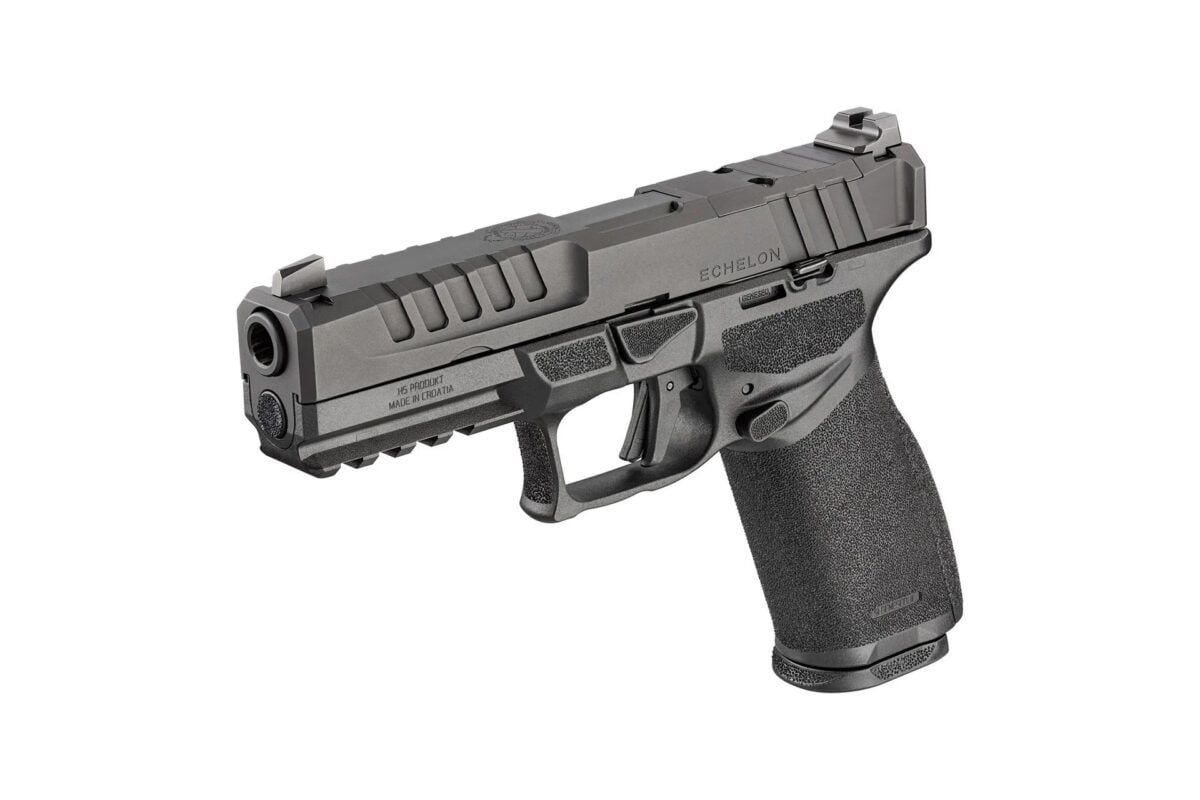
This rule directly impacts how many semiautomatic pistols remain available for sale in the state, limiting consumer options and influencing what manufacturers can offer. For shooters who want to stay compliant while still having access to reliable, high-quality firearms, understanding how this regulation works is essential.
Let’s break down what the California Roster Guns system is, how this new policy works, and what it means for everyone involved—from major manufacturers to local FFL dealers like Dirty Bird Guns & Ammo.
What Is the California Gun Roster?
The CA roster, officially known as the California Department of Justice (CA DOJ) Roster of Certified Handguns, is a list of pistols, revolvers, and semiautomatic handguns that the state deems legal for sale by licensed dealers.
To appear on the California Gun Roster, a handgun must pass a series of state-mandated safety tests and meet specific design requirements. Manufacturers must also pay ongoing certification fees to keep their models listed.
The roster intends to ensure that only handguns that meet California’s specific safety criteria—such as drop safety, chamber indicators, and magazine disconnect mechanisms—can be sold in stores.
But there’s a catch: only a limited number of handguns make it onto the California Gun Roster, and once removed, a model cannot return without complete recertification under current standards.
What Is the 3-for-1 Handgun Rule?
The 3-for-1 handgun rule was introduced as part of California’s 2023 effort to “modernize” its handgun approval process. In simple terms, for every new semiautomatic pistol added to the California Gun Roster, three existing models must be removed.
This means that even when a manufacturer finally manages to get a new pistol approved—something that already requires expensive testing and compliance—the roster actually shrinks.
Here’s what the rule does:
- Each new semiautomatic pistol that meets all current California standards is approved for sale.
- At the same time, three older models are automatically delisted.
- Once removed, a handgun can no longer be sold by dealers, although private-party transfers may still occur under certain conditions.
The rule applies only to semiautomatic pistols, not revolvers or other exempt categories.
Why Did California Put This Rule in Place?
Supporters of the rule argue that it helps phase out older handgun designs that don’t meet California’s newest safety requirements—especially those lacking microstamping technology.
Microstamping is a controversial process in which a firearm’s firing pin imprints a unique code onto each cartridge case, theoretically allowing law enforcement to trace spent casings back to a specific firearm. While the technology remains disputed for its practicality, California law requires new semiautomatic pistols on the California Gun Roster to include it.
By implementing the 3-for-1 rule, lawmakers aimed to accelerate the transition to “safer” handguns and reduce the number of older, non-microstamped models available.
However, in practice, this has led to fewer choices for consumers and increased challenges for manufacturers.
Real-World Effect: How It Impacts Manufacturers & Consumers
The 3-for-1 rule has had far-reaching consequences for both firearm makers and California gun buyers.
For manufacturers:
- The cost of compliance and certification for the CA DOJ-approved roster is already high.
- Now, with the 3-for-1 ratio, companies are hesitant to submit new pistols, knowing that doing so could force the removal of existing models still popular with consumers.
- This discourages innovation and delays the release of new designs into the California market.
For consumers:
- The number of available California Roster Guns continues to shrink.
- Many popular handguns are disappearing from shelves once they’re delisted.
- Buyers face inflated prices on private sales of off-roster handguns.
- Limited selection makes it harder to find new, optics-ready, or upgraded models that shooters in other states take for granted.
The rule effectively creates a bottleneck in the state’s handgun market, leaving both manufacturers and buyers frustrated.
Criticisms and Lawsuits
The 3-for-1 policy hasn’t gone unchallenged. Several industry groups, civil rights organizations, and firearm manufacturers have criticized the rule as an overreach that limits access without improving public safety.
Opponents argue that the roster itself is outdated, given that some of the CA roster’s recently added pistols still lack modern features such as modular grips or optics cuts.
Multiple lawsuits are currently challenging the constitutionality of the CA DOJ roster, claiming that it unfairly restricts Second Amendment rights by excluding an overwhelming majority of commercially available handguns.
One significant development occurred when courts began reviewing whether the CA handgun roster could continue in its current form, given technological advancements and federal legal precedent. These cases may ultimately reshape how the roster operates—or eliminate it.
What This Means for Buyers & Dealers Now
For buyers, the impact is immediate. If you live in California, you’re limited to the models still listed on the CA gun roster. Once a pistol is removed, you can’t purchase it new through a dealer—even if it’s legal in every other state.
That’s why checking the CA DOJ roster before buying is essential. Knowing which models are about to be removed can help you make timely purchase decisions.
For dealers like Dirty Bird Guns & Ammo, the 3-for-1 rule adds new layers of complexity. Inventory management must align with the latest changes, and staff must stay informed about updates to ensure customer compliance.
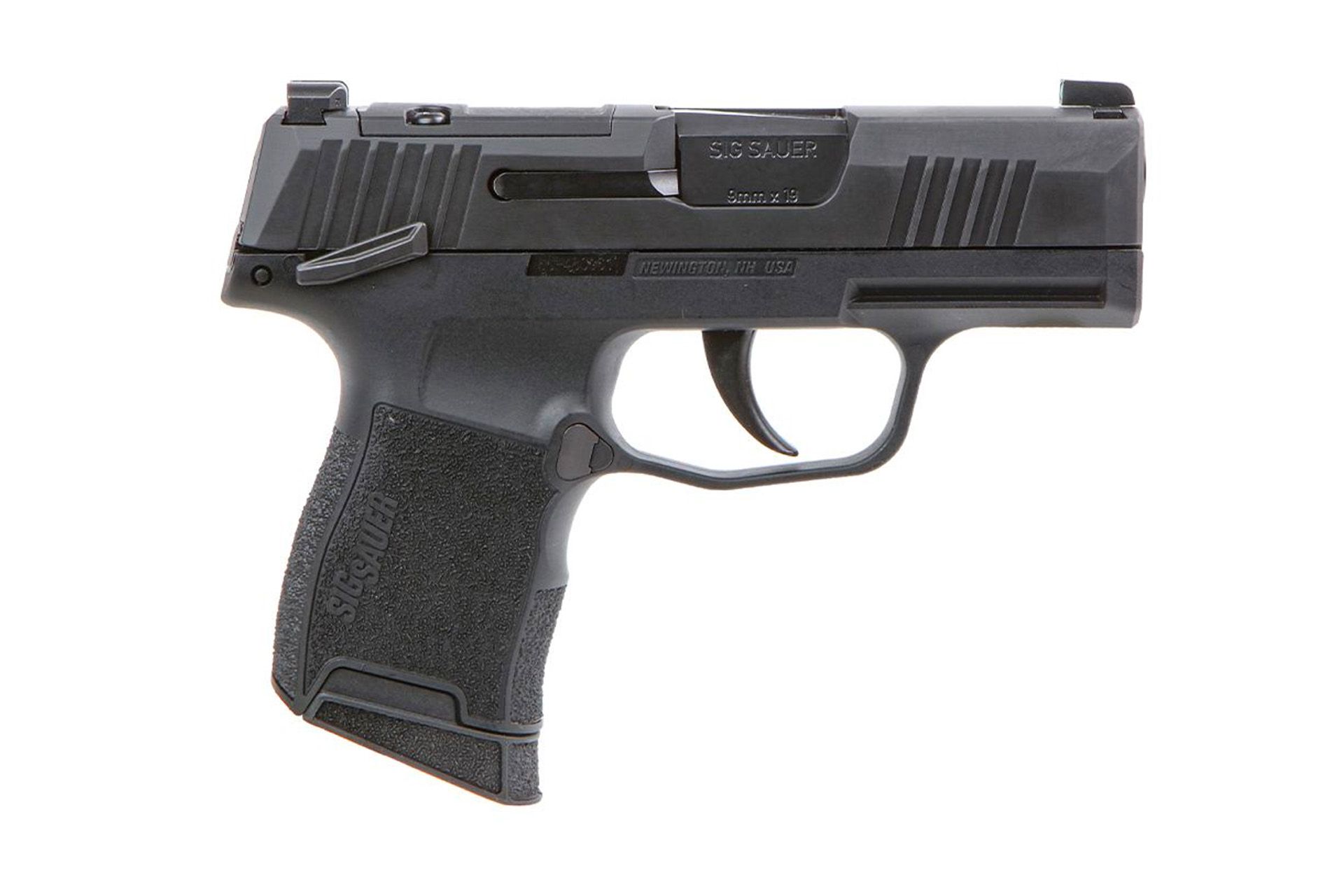
Dirty Bird’s expertise in California Roster Guns and compliance ensures that shooters can still find quality options that meet the state’s strict standards. Brands such as Aero Precision, Magpul, and Geissele remain popular choices for California shooters, offering top-tier components that align with local regulations.
Looking Ahead
The future of the CA handgun roster remains uncertain. If pending lawsuits succeed, the roster system could see major revisions—or even be struck down altogether.
For now, California shooters can expect continued restrictions and the slow reduction of available handguns under the current CA DOJ-approved roster model.
Manufacturers may still pursue compliance for select models, especially those designed specifically for California’s market, but the pace will likely remain slow.
As always, local FFLs like Dirty Bird Guns & Ammo will play a crucial role in helping shooters navigate these evolving regulations—offering compliant firearms, expert gunsmithing, and clear guidance for every purchase or transfer.
 CA Compliant
 CA Compliant
 CA Compliant

FAQs About The California Handgun Roster
Before your next firearm purchase, here are a few common questions California shooters ask about the handgun roster and 3-for-1 rule.
What is the California handgun roster?
It’s a list maintained by the California Department of Justice (CA DOJ) identifying handguns approved for sale by licensed dealers in the state.
How does the 3-for-1 handgun rule work?
For every new semiautomatic pistol added to the roster, three existing models are removed. This limits the number of handguns approved for sale at any given time.
Can I still buy a handgun that was removed from the roster?
No, not from a dealer. However, private-party transfers of off-roster guns may still be legal if they meet state requirements.
Does this rule affect revolvers or other firearms?
No. The 3-for-1 rule applies only to semiautomatic handguns. Revolvers and exempt firearms are not impacted.
How can I find out what’s on the current CA roster?
Always check the latest CA DOJ roster or ask your local FFL dealer for the most recent list of approved handguns.
How does this rule impact Dirty Bird Guns & Ammo customers?
Dirty Bird Guns & Ammo helps buyers stay compliant by offering a range of California-approved firearms, accessories, and gunsmithing services—all designed around the current roster requirements.
What are some popular California roster guns?
Models from major manufacturers like Glock, Smith & Wesson, and Springfield Armory remain available on the roster, though newer versions may be restricted or pending approval.
Fewer Choices, Greater Challenges
The 3-for-1 handgun rule represents another layer of California’s uniquely complex firearm environment. While its stated goal is safety modernization, its real-world effect has been to shrink the CA gun roster, limit consumer choice, and place additional burdens on both manufacturers and dealers.
For shooters, this means staying informed, acting fast when desired models are available, and working with trusted local partners like Dirty Bird Guns & Ammo, who understand California compliance from the inside out.
By keeping an eye on the CA roster, new guns, and following updates to the CA DOJ roster, buyers can continue building collections responsibly and legally—without losing sight of quality or performance.
Additional resources check, www.ar15discounts.com