

 Dirty Bird Bakersfield
Uncategorized
California Gun Roster 2026: Everything That Changed Last Year

Jan
Table of Contents
As 2025 came to a close and California entered 2026, the California gun roster remained one of the most restrictive firearm regulatory systems in the country. Officially known as the Roster of Handguns Certified for Sale, the roster governs which semiautomatic pistols licensed dealers may sell to California residents.
The past year brought modest California gun roster movement, a major development on microstamping, continued court challenges, and several new laws signed in late 2025 that will significantly affect firearm purchases, parts, and compliance beginning in 2026.
At Dirty Bird Guns & Ammo, these California gun roster changes are closely monitored to help customers stay informed and compliant. Below is a verified overview of what changed in 2025 and what California gun owners should expect moving forward.
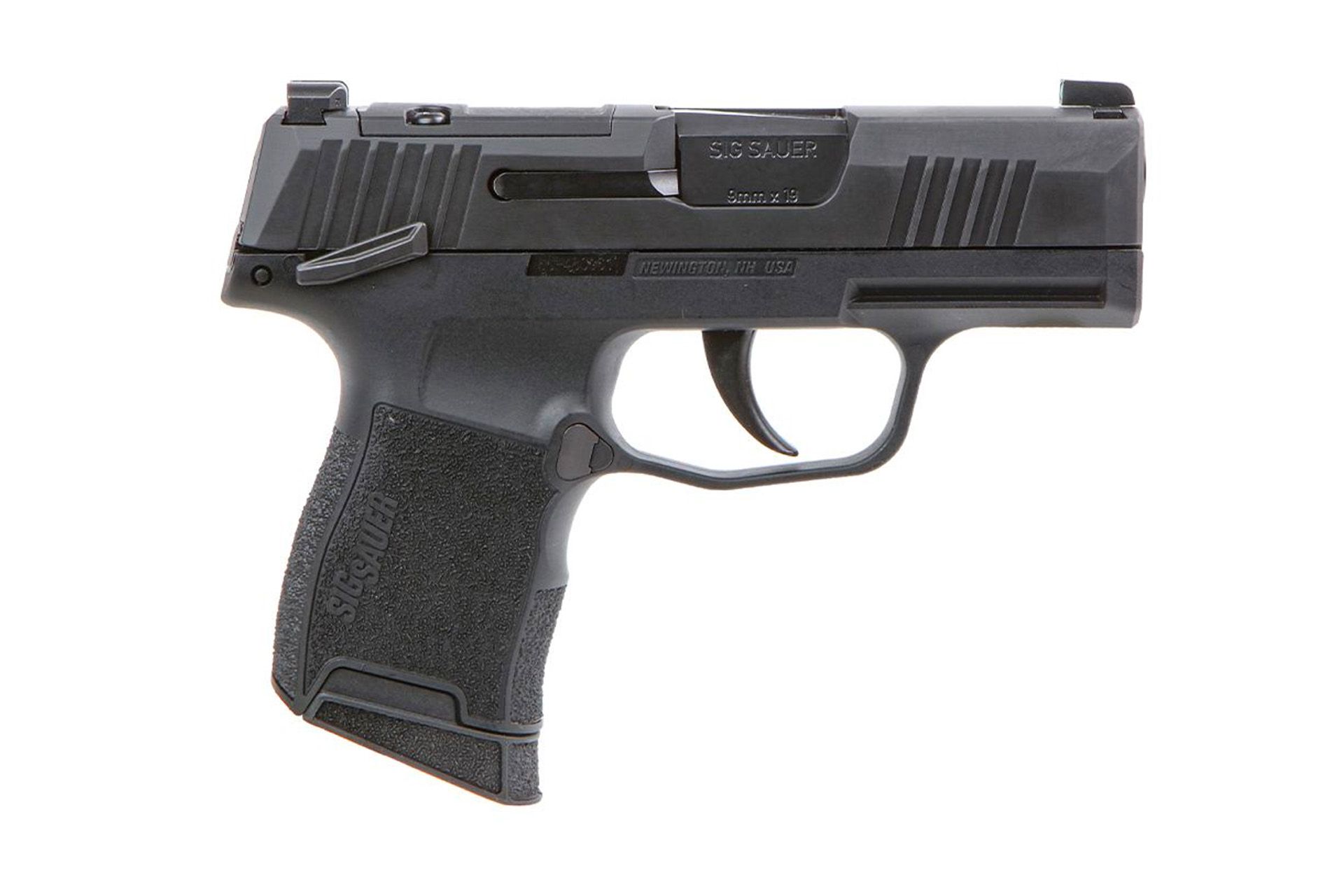
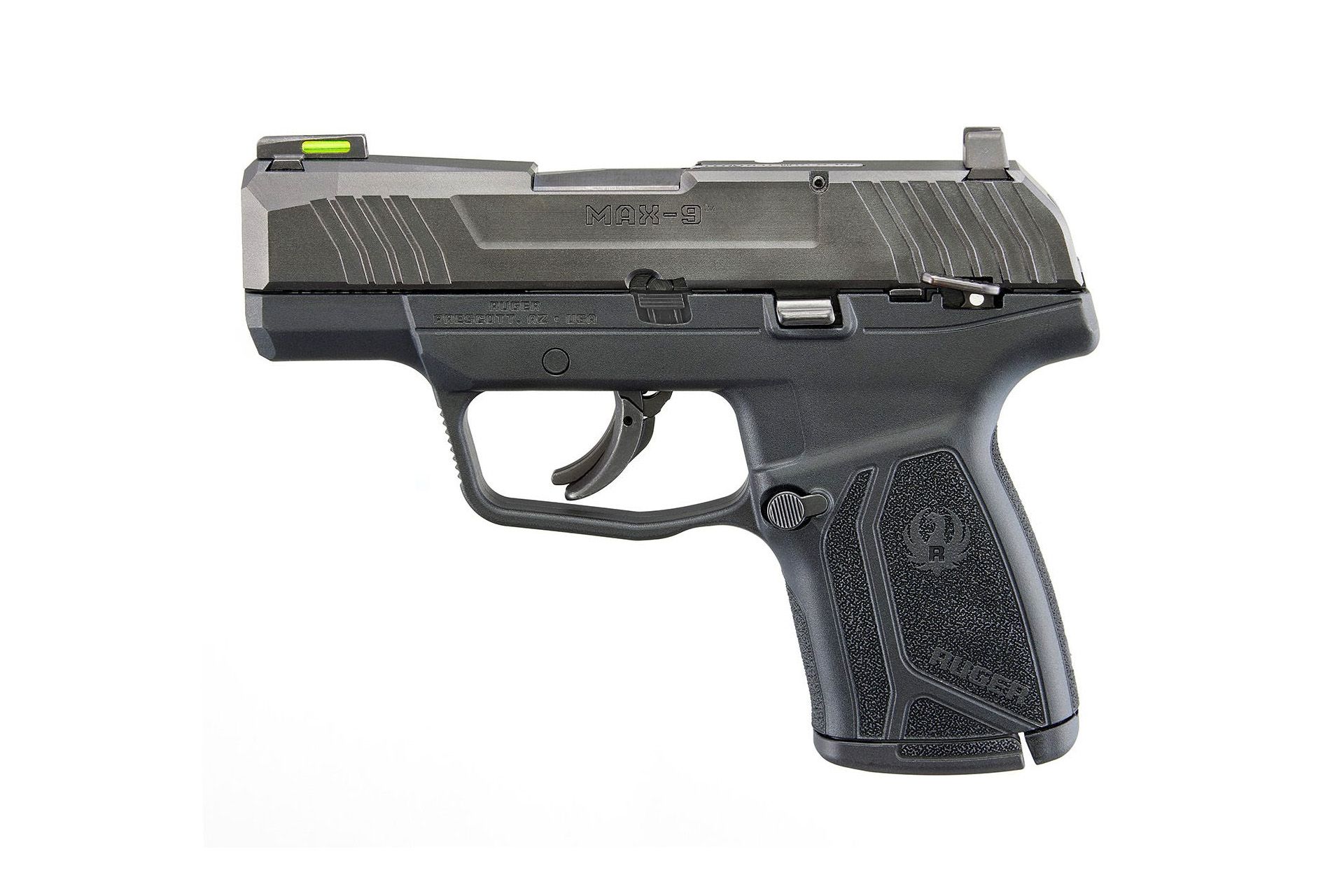
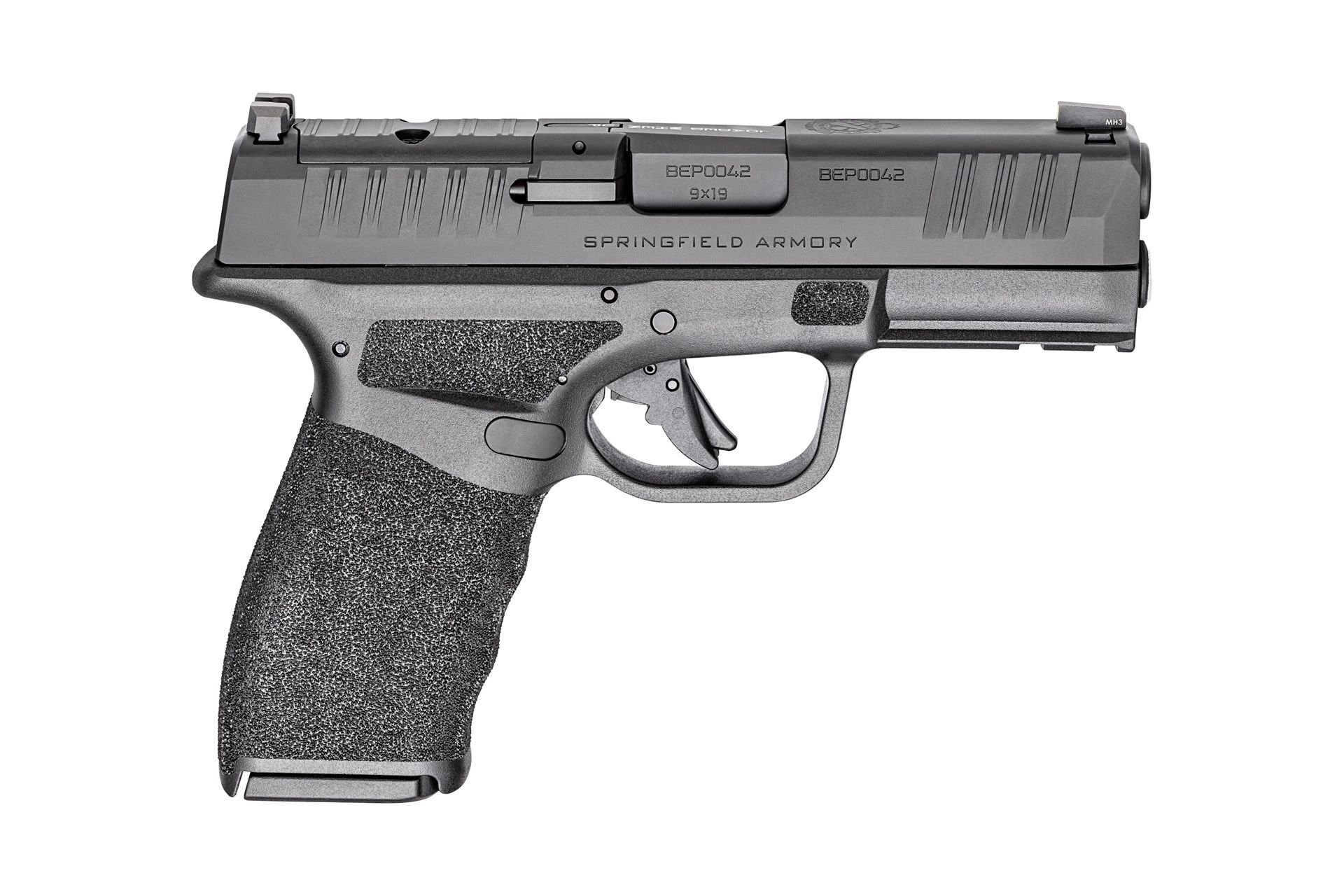
 CA Compliant
 CA Compliant
 CA Compliant

The California Gun Roster in 2025: Incremental Change, Not Expansion
The California gun roster did not meaningfully expand in 2025. While a small number of new models appeared on the roster during the year, additions were limited and often offset by removals caused by expiring certifications.
Because the DOJ does not maintain a permanent, date-stamped archive of roster additions, precise claims about the timing of specific model approvals are difficult to verify retroactively without contemporaneous screenshots. What can be stated confidently is that roster growth remained slow and uneven throughout the year.
The three-for-one rule continued to drive net California gun roster shrinkage. For every new semiautomatic pistol added, three existing models may be removed once their certifications expire. This dynamic has kept overall selection tight and discouraged many manufacturers from pursuing new roster submissions.
Core California gun roster requirements remained unchanged, including loaded chamber indicators, magazine disconnect mechanisms, and drop-safety testing. Revolvers continued to be exempt from the roster entirely, remaining one of the few categories unaffected by semiautomatic roster constraints.
Microstamping: DOJ Declares the Technology Viable
One of the most significant California gun roster-related developments of 2025 occurred on July 18, when the California Department of Justice released a report concluding that microstamping technology is technologically viable.
Microstamping has existed in California law since 2007 but had remained dormant for years due to repeated findings that the technology was not viable. The new DOJ report concluded that engraved firing pins can reliably imprint microscopic identifying characters onto spent cartridge casings under testing conditions.
Attorney General Rob Bonta characterized the finding as a public safety advancement. Under the updated statutory framework, the DOJ must next evaluate commercial availability and implementation standards before any mandatory requirement takes effect.
It is important to be precise here. The viability finding alone does not immediately change the roster or impose a new requirement. Instead, it sets the stage for future determinations. Whether microstamping ultimately becomes mandatory for new roster submissions will depend on DOJ findings regarding availability, cost, and feasibility in the coming years.
For now, the finding does not affect currently roster-listed handguns, but it introduces long-term uncertainty for manufacturers considering future submissions.
Court Battles: Mixed Results and Ongoing Litigation
Judicial challenges to California firearm laws produced mixed outcomes in 2025.
In March, the Ninth Circuit issued an en banc decision in Duncan v. Bonta, upholding California’s large-capacity magazine ban. The ruling reinforced the state’s 10-round limit, which continues to shape roster-compliant handgun design. A petition for Supreme Court review was docketed later in the year and remains pending.
Other Second Amendment cases saw less favorable results for gun owners. The U.S. Supreme Court declined to hear Snope v. Brown, leaving existing restrictions intact without issuing a merits opinion.
Litigation directly challenging the handgun roster, including Boland v. Bonta, remained unresolved by the end of 2025. While aspects of the case have previously been vacated and remanded, no final ruling altering the roster framework was issued during the year.
One notable holdover from earlier litigation remained intact: California did not reinstate its former one-gun-per-30-days purchasing limit during 2025.
Major New Laws Signed in Late 2025
While California gun roster changes were modest, Governor Newsom signed several firearm-related bills in October 2025 that will reshape compliance beginning in 2026.
AB 1263, effective January 1, 2026, expands regulatory requirements tied to unlawful firearm manufacturing and distribution. It introduces new notice and verification requirements for certain sales and deliveries, expands liability provisions, and strengthens enforcement mechanisms related to prohibited manufacturing methods.
SB 704, also effective January 1, 2026, introduces new controls on standalone firearm components. Additional implementation milestones are scheduled for mid-2027, further tightening how certain parts may be sold and transferred.
AB 1127, operative July 1, 2026, targets pistols classified as readily convertible to machine guns. It imposes new restrictions and prohibits licensed dealers from selling affected models after the operative date, subject to limited statutory exceptions.
AB 1078, operative April 1, 2026, replaces California’s former one-gun-per-30-days rule with a three-firearm-per-30-days purchase limit. The law also establishes a defined pathway for non-California residents to apply for concealed carry permits under specific conditions.
Together, these laws shift much of California’s regulatory focus toward parts, purchasing frequency, and build-related compliance rather than the roster alone.
What This Means for California Gun Owners Heading Into 2026
For the handgun roster itself, 2025 largely preserved the status quo. Additions were limited, removals continued, and manufacturer participation remained cautious. The DOJ’s microstamping viability finding introduces uncertainty for future roster submissions, but no immediate mandate is in effect.
Roster-compliant staples remain available, though choices continue to lag far behind those in unrestricted states. Off-roster handguns are still legally obtainable through private party transfers where allowed and through lawful new-resident imports.
At Dirty Bird Guns & Ammo, inventory remains focused on current roster-compliant firearms and California-legal parts. With multiple laws taking effect in 2026, advance planning is increasingly important, particularly for accessories and components affected by the new statutes.
Firearm laws in California evolve quickly and often hinge on implementation guidance and court decisions. Gun owners should regularly consult the California DOJ roster search tools and official Attorney General publications and consider supporting advocacy organizations engaged in ongoing legal challenges.
This article is not legal advice. Always consult the California Department of Justice or a qualified firearms attorney regarding your specific circumstances. Information is current as of January 7, 2026.
What is the California handgun roster?
It’s a list maintained by the California Department of Justice (CA DOJ) identifying handguns approved for sale by licensed dealers in the state.
How does the 3-for-1 handgun rule work?
For every new semiautomatic pistol added to the roster, three existing models are removed. This limits the number of handguns approved for sale at any given time.
Can I still buy a handgun that was removed from the roster?
No, not from a dealer. However, private-party transfers of off-roster guns may still be legal if they meet state requirements.
Does this rule affect revolvers or other firearms?
No. The 3-for-1 rule applies only to semiautomatic handguns. Revolvers and exempt firearms are not impacted.
How can I find out what’s on the current CA roster?
Always check the latest CA DOJ roster or ask your local FFL dealer for the most recent list of approved handguns.
How does this rule impact Dirty Bird Guns & Ammo customers?
Dirty Bird Guns & Ammo helps buyers stay compliant by offering a range of California-approved firearms, accessories, and gunsmithing services—all designed around the current roster requirements.
What are some popular California roster guns?
Models from major manufacturers like Glock, Smith & Wesson, and Springfield Armory remain available on the roster, though newer versions may be restricted or pending approval.