

 Dirty Bird Bakersfield
Jun
Choosing the Right Firearm is a significant decision that goes beyond personal preference—it involves safety, legal compliance, intended use, and overall comfort. Whether you’re considering a gun for home defense, concealed carry, hunting, or recreational shooting, this guide provides the essentials to help you make an informed and confident choice. From picking the right caliber to understanding state laws and required training, we’re here to ensure your first firearm purchase is both thoughtful and responsible.
Why Do You Want a Firearm?
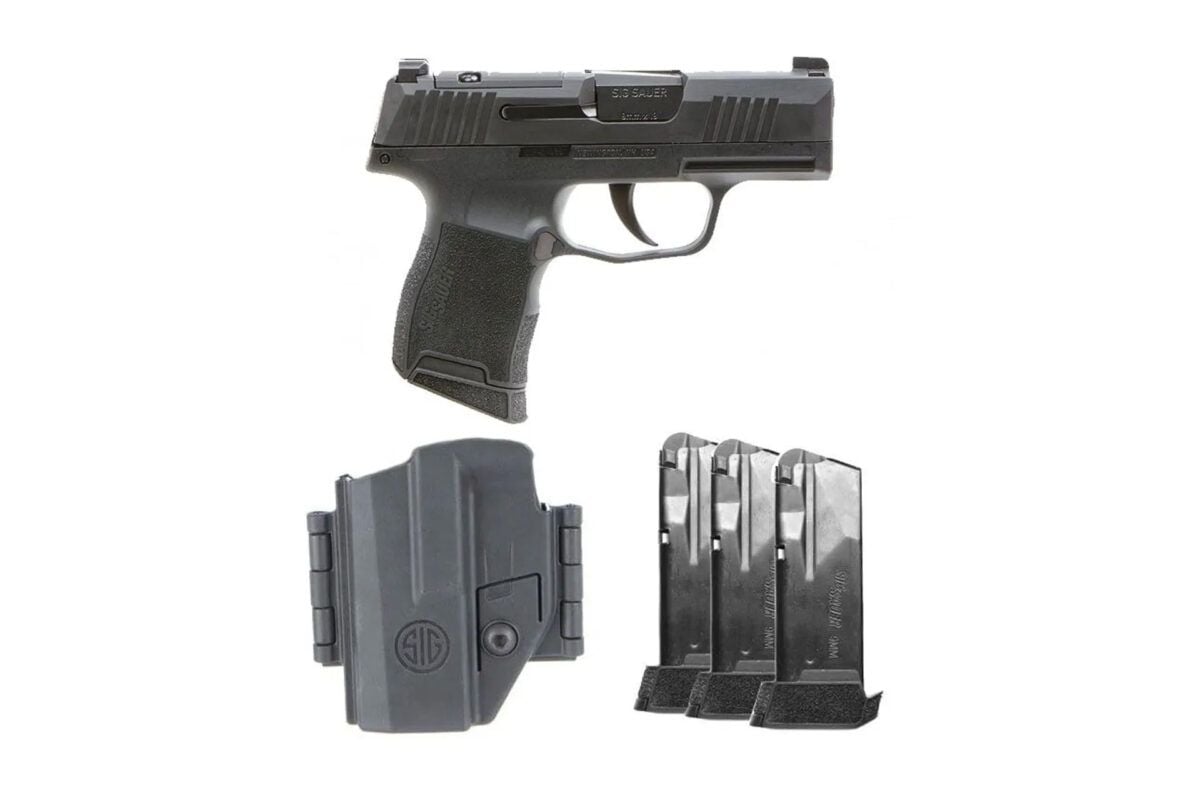
Before you even start shopping, define the primary purpose of your firearm. This shapes everything that follows, from caliber and size to training needs and legal considerations.
Common reasons include:
- Home Defense: You need a firearm that is easy to use, reliable, and has stopping power.
- Concealed Carry: Prioritize size, weight, ease of concealment, and reliability.
- Target Shooting/Sport: Look for accuracy, recoil management, and ergonomics.
- Hunting: The caliber and type of firearm will depend on the game being hunted.
Understanding Firearm Types
There are three primary categories of firearms: handguns, rifles, and shotguns. Each has strengths and use cases.
1. Handguns
Compact, portable, and commonly used for self-defense and concealed carry.
- Semi-Automatic Pistols: Most popular for everyday carry.
- Pros: Higher capacity, faster reload
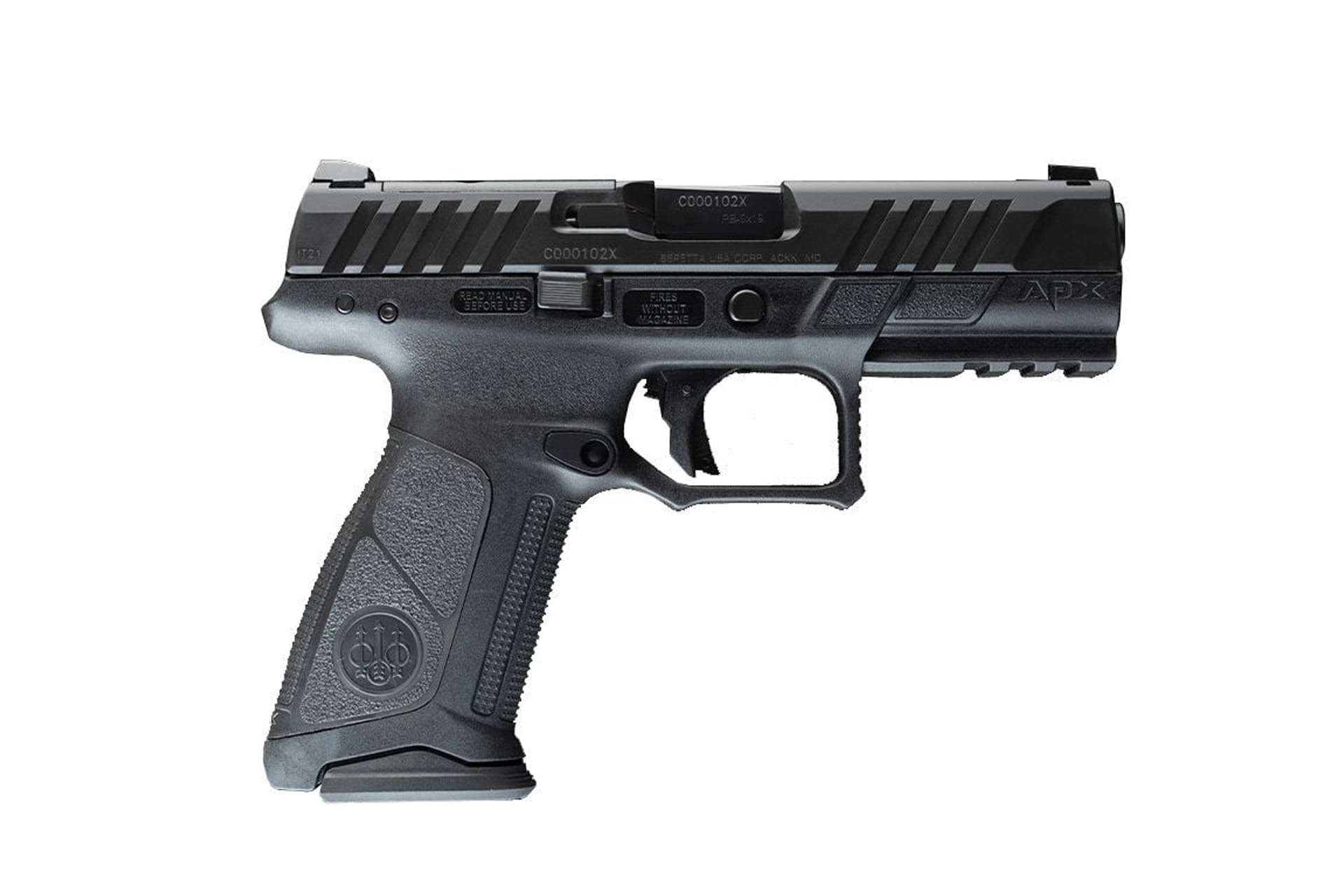
- Examples: Glock 19, Sig Sauer P365, Smith & Wesson M&P Shield
- Revolvers: Fewer parts, easier to maintain.
- Pros: Very reliable, simple operation
- Examples: Ruger LCR, Smith & Wesson 686
2. Rifles
Designed for accuracy at longer ranges. Common for hunting, target shooting, and tactical use.
- Bolt-Action Rifles: Excellent for precision shooting.
- Semi-Automatic Rifles: Faster rate of fire; common in AR-15 platforms.
- Lever-Action Rifles: Classic design, often used in hunting.
3. Shotguns
Firing a spread of pellets, they’re ideal for close-range defense or bird/game hunting.
- Pump-Action: Reliable and budget-friendly.
- Semi-Automatic: Less recoil, faster follow-up shots.
- Break-Action: Great for beginners due to simplicity.

 CA Compliant
Key Factors to Consider
Before choosing your first firearm, it’s essential to evaluate several key factors that can significantly impact your shooting experience. From how the gun feels in your hands to how much recoil you can comfortably manage, these considerations will help guide you toward a safe, effective, and personalized choice. Let’s take a closer look at the key factors every beginner should keep in mind.
Fit and Comfort
Your firearm should feel like an extension of your body. Poor fit can lead to inaccuracy or even injury. A well-fitting firearm enhances control, reduces fatigue, and boosts overall shooting confidence.
- Try multiple models before choosing.
- Ensure your finger can reach the trigger comfortably.
- Grip size matters—especially for smaller or larger hands.
Caliber Choice
Caliber affects recoil, stopping power, ammunition cost, and firearm size. Choosing the right caliber ensures manageable shooting, adequate performance for your intended use, and compatibility with widely available ammunition types.
Popular beginner calibers:
- .22 LR – Minimal recoil, great for training.
- 9mm – Ideal for self-defense and range use.
- .380 ACP – Easy to conceal, low recoil.
- .223/5.56mm – Common for AR-15s; light recoil, versatile.
- .308 Win – A go-to for hunting medium to large game.
Recoil Management
Too much recoil can hinder accuracy and cause discomfort. Smaller calibers generally have less recoil, making them easier for beginners to handle.
Tips:
- Try before you buy at a local range.
- Use a proper stance and grip to manage recoil more effectively.
- Consider adding a muzzle brake or using low-recoil ammo.
Safety First: What Every New Firearm Owner Must Know
Owning a firearm entails significant responsibilities. You must prioritize safety at all times. This includes secure storage, regular maintenance, proper handling, and staying informed about evolving laws and best practices.
The Four Universal Firearm Safety Rules:
- Treat every firearm as if it’s loaded.
- Never point your firearm at anything you don’t intend to destroy.
- Keep your finger off the trigger until you’re ready to shoot.
- Know your target and what’s beyond it.
Safe Storage
- Invest in a gun safe or lockbox—especially if you have kids.
- Use trigger or cable locks when appropriate.
- Store ammo separately from firearms if possible.
Choosing Between New and Used Firearms
New Firearms
- Full manufacturer warranty
- Latest features and designs
- No unknown wear or damage
Used Firearms
- Often more affordable
- May require inspection or refurbishment
- Always buy from a reputable dealer or with guidance from an expert
Best Beginner-Friendly Firearms by Category
Handguns
- Glock 19 (9mm): Extremely reliable, easy to maintain.
- Sig Sauer P365: Compact and ideal for concealed carry.
- Smith & Wesson M&P Shield EZ: Designed for those with weaker hand strength.
Rifles
- Ruger 10/22 (.22 LR): Perfect for training and plinking.
- Smith & Wesson M&P15 Sport II (5.56): Affordable and versatile AR-15.
- Savage Axis II (.308): Excellent entry-level bolt-action rifle.
Shotguns
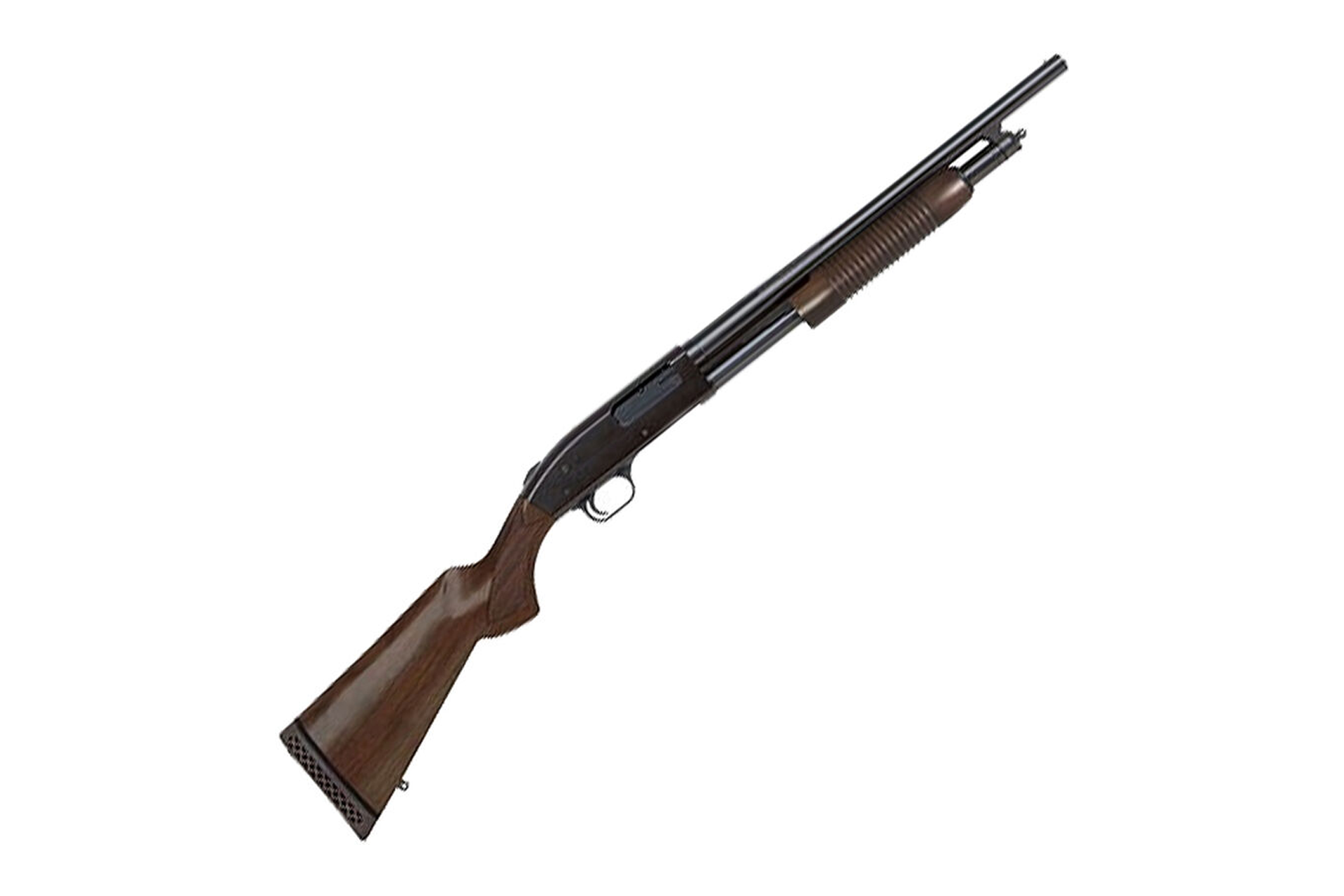
- Mossberg 500/590 (12ga): Highly customizable and widely trusted.
- Remington 870: Classic and reliable pump-action.
- Beretta A300: Smooth semi-auto option for hunting or defense.

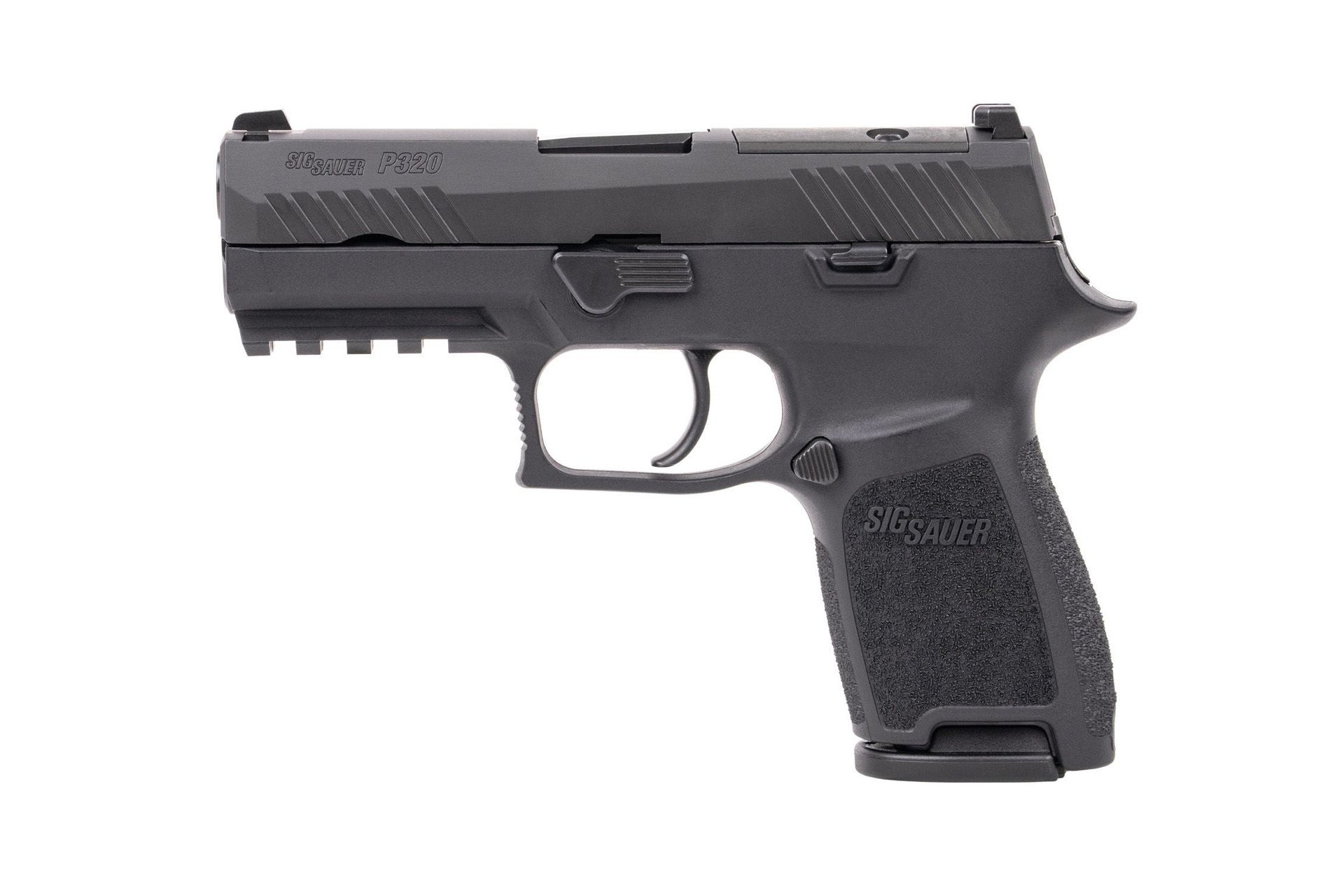 CA Compliant
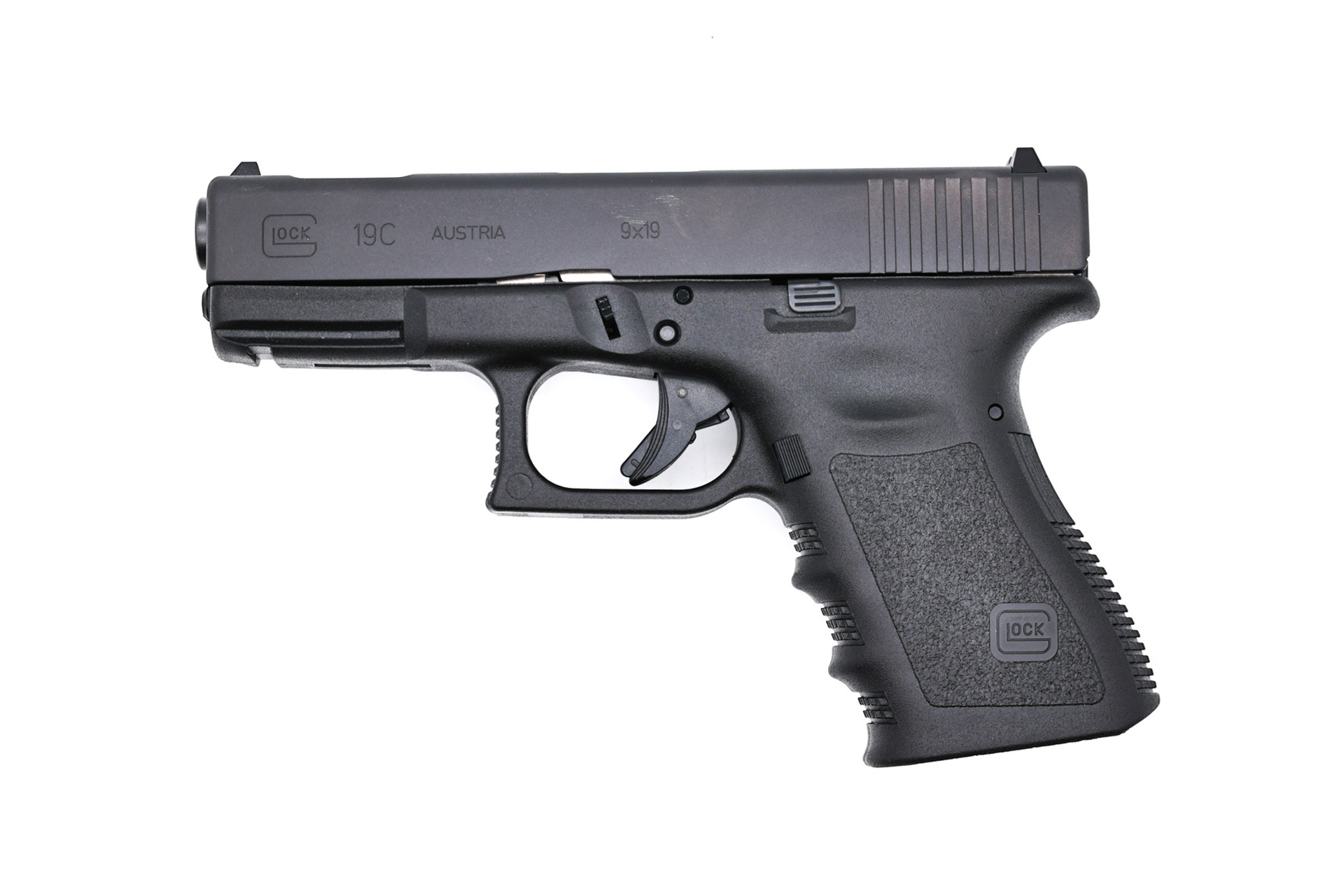 CA Compliant
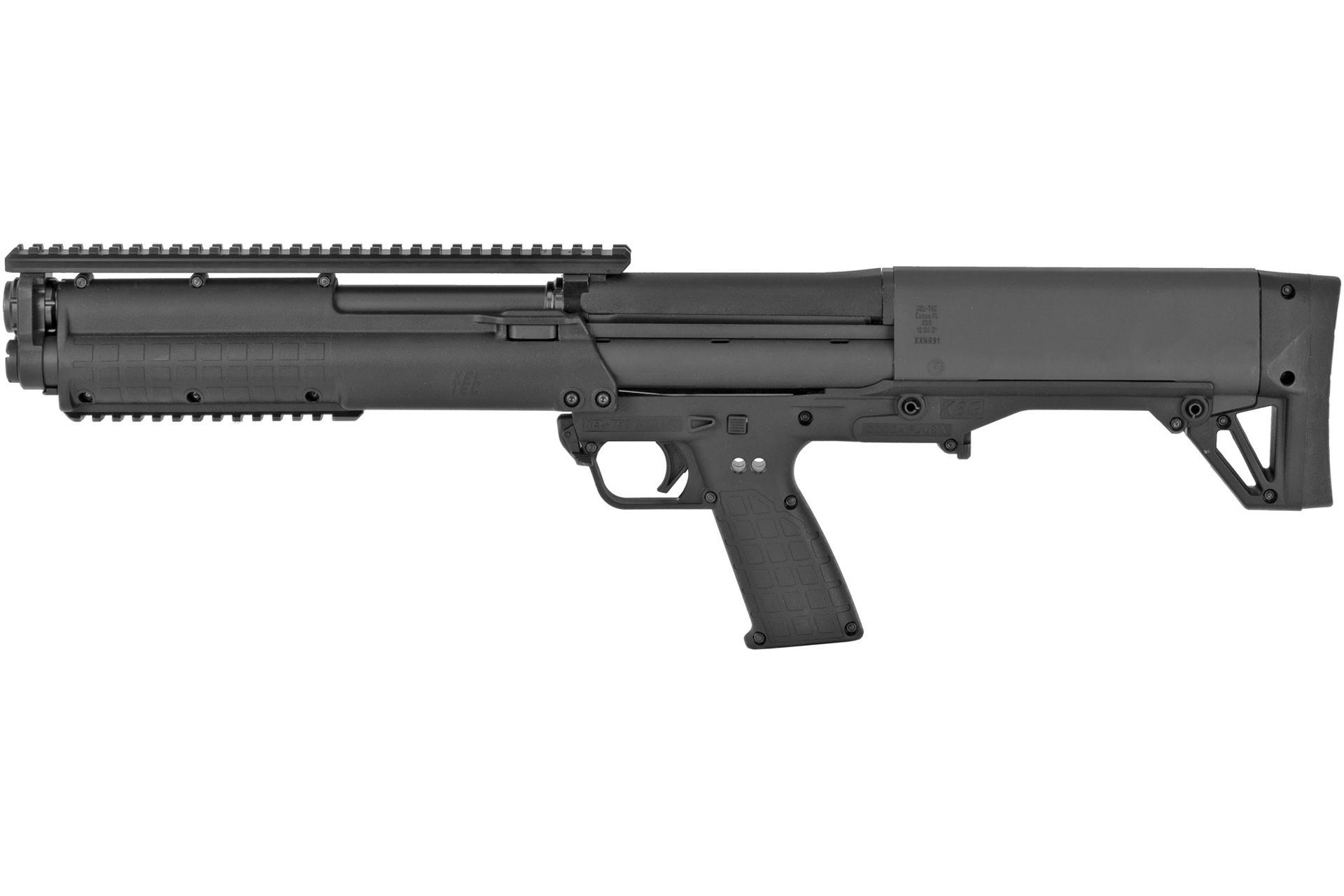
Legal Considerations
Laws vary widely by state and locality; therefore, it is always advisable to check before making a purchase. Understanding these regulations helps you stay compliant, avoid legal trouble, and ensure a smooth buying process.
You may need to:
- Pass a federal and state background check.
- Take a safety or hunter’s education course.
- Register the firearm (California and other states).
- Know your legal carry rights (open carry vs. concealed carry).
California Example:
- Firearms must be on the California Department of Justice (CA DOJ) Roster of Certified Handguns.
- 10-day waiting period applies.
- Magazine capacity is limited to 10 rounds unless exempt.
- Certain features may classify firearms as “assault weapons.”
Where to Buy Your First Firearm
Local Gun Shops
- Pros: Personalized advice, try-before-you-buy, transfer services.
- Cons: Limited selection or higher prices in some areas.
Online Retailers
- Pros: Wide inventory, better pricing.
- Cons: Must transfer through a licensed Federal Firearms License (FFL) dealer, with delayed handling.
Gun Shows
- Pros: Great for browsing, deals, and education.
- Cons: Always verify that vendors are legitimate and comply with the law.
Training: Don’t Skip This Step
Buying a firearm is only the beginning. Proper training is essential for becoming a safe and responsible shooter. It builds confidence, reinforces safety habits, and helps you react effectively under pressure.
Consider the Following Courses:
- Basic Firearms Safety Course
- Concealed Carry Permit Classes
- Home Defense Fundamentals
- Range Practice Sessions with Certified Instructors
Accessories Worth Investing In
You don’t need every upgrade from day one, but a few essentials go a long way. Prioritizing foundational gear ensures safe handling, improves performance, and supports consistent skill development over time.
Recommended Accessories for Beginners:
- Gun Cleaning Kit – Maintain reliability and safety.
- Hearing and Eye Protection – Required for range use.
- Secure Holster – For concealed carry or range use.
- Gun Safe or Lock Box – Essential for responsible ownership.
- Ammo – Choose the right type for training vs. defense.
How to Maintain Your Firearm
Routine cleaning and maintenance ensure the system’s longevity and safe operation. Regular care prevents malfunctions, preserves accuracy, and builds familiarity with your firearm’s internal components and mechanics.
Basic Cleaning Steps:
- Unload and clear the firearm.
- Disassemble per the manufacturer’s instructions.
- Use cleaning rods, patches, and solvent to clean the barrel.
- Lightly oil moving parts.
- Reassemble and test the function (perform a dry fire or safety check).
Aim to clean your firearm after every shooting session or monthly if unused.
Common Mistakes Beginners Should Avoid
- Skipping professional training – YouTube is great, but hands-on instruction is better.
- Buying too many guns – Choose comfort over power.
- Ignoring legal restrictions – Know your local and state firearm laws.
- Not practicing regularly – Accuracy and confidence come with reps.
- Improper storage – Never leave a firearm unsecured.
FAQ: Choosing the Right Firearm
If you’re new to firearms, it’s completely normal to have questions. This FAQ section addresses some of the most common concerns and topics that beginners encounter, ranging from selecting the right caliber to understanding legal requirements. These answers are designed to help you make informed, confident decisions as you begin your firearms journey.
What is the best firearm for beginners?
The best firearm for beginners is one that strikes a balance between ease of use, manageable recoil, and purpose-driven features. For handguns, the Glock 19 (9mm) and Smith & Wesson M&P Shield EZ are excellent choices. For rifles, a Ruger 10/22 (.22 LR) or AR-15 in 5.56/.223 is ideal due to low recoil and simple controls. Always try different models in a range before making a decision.
Is it better to start with a handgun, rifle, or shotgun?
It depends on your intended use. Handguns are best for concealed carry and home defense. Rifles, especially those chambered in .22 LR or 5.56, are excellent for target shooting and offer general versatility. Shotguns are well-suited for both home defense and hunting. Many beginners start with a rifle like the Ruger 10/22 to learn fundamentals with minimal recoil.
What caliber should a beginner start with?
Beginners often start with a .22 LR for its minimal recoil and affordability, making it perfect for learning the fundamentals. For self-defense handguns, 9mm is a balanced option—affordable, low recoil, and widely available. Avoid high-recoil calibers like .45 ACP or .44 Magnum until you’re more experienced.
Do I need a license to buy a firearm?
Requirements vary by state. In many states, you only need to pass a background check at the point of sale. However, some states—such as California, New York, and Illinois—require additional steps, including firearm safety certifications, permits, or mandatory waiting periods. Always research your local and state regulations before making a purchase.
What should I look for when buying my first firearm?
Key things to look for include:
Fit and comfort in your hands
The recoil level you can control
Purpose-driven design (carry, defense, hunting)
Reliability and manufacturer reputation
Availability of ammunition and accessories
Try multiple models at a range before making a purchase, and seek professional advice if you’re unsure.
Is it safe to buy a used firearm as a beginner?
Yes, but with caution. Buying from a reputable dealer or a Federal Firearms License (FFL) ensures that the firearm is legal, functional, and safe. Avoid private sales unless you’re experienced or have help from someone knowledgeable. Always inspect used firearms for excessive wear, rust, or signs of poor maintenance.
How often should I clean my firearm?
You should clean your firearm:
After every range session
Monthly, even if unused
Immediately, if it gets wet, dirty, or exposed to moisture
Routine cleaning maintains performance, prevents malfunctions, and extends the life of your firearm. A basic cleaning kit, along with following your manufacturer’s instructions, will get the job done.
What type of training should a new gun owner take?
At a minimum, beginners should take an introductory firearms safety course. For more practical experience, consider:
Concealed carry classes (if applicable)
Defensive handgun or home defense training
Live-fire range instruction with a certified trainer
Training not only builds skills but also instills confidence and reinforces responsible firearm ownership.
Final Thoughts: Choosing the Right Firearm Is a Journey
Every new shooter is different, and choosing the Right Firearm comes down to your size, needs, and experience level. Start with the basics, focus on safety, and continually build your knowledge over time and through training.
If possible, visit a local range and rent a few different models before making a purchase commitment. Don’t rush the process—ask questions, do your research, and find a firearm that feels natural in your hand and gives you confidence, not hesitation.
Ready to begin your journey? Explore beginner-friendly firearms, parts, and accessories at Dirty Bird USA—your trusted source for quality gear and expert support.
For additional resources, www.ar15discounts.com