

 Dirty Bird Bakersfield
AR Parts and Accesories
Are Mil-Spec AR-15 Trigger Sets Really Mil-Spec?
Mar
Table of Contents
When you see the label “Mil Spec” on an AR-15 trigger group, it sounds official. It suggests the part meets the same rigorous standards as the triggers in military M16 and M4 rifles. For many buyers building a defensive, duty, or clone rifle, that label promises proven reliability and battlefield toughness. But does it actually deliver? In most cases, civilian “Mil Spec” trigger sets come close in design and durability. Yet they fall short of being true MIL-SPEC in the strict military meaning of the term. Understanding the difference helps you choose the right trigger for your build without falling for marketing hype.
What MIL-SPEC Actually Means for AR Triggers
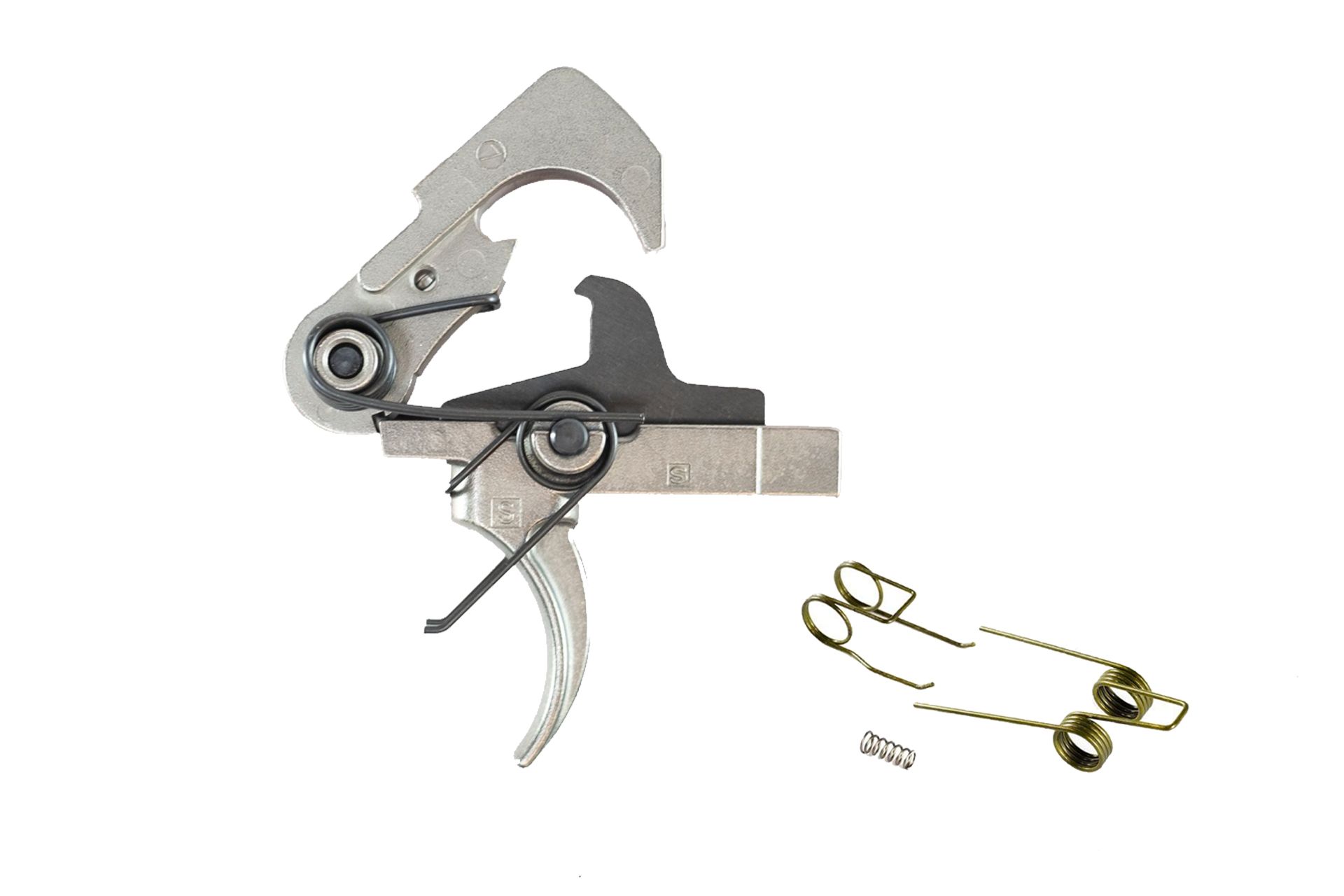
MIL-SPEC stands for the formal U.S. military standards outlined in the Technical Data Package. These documents specify every detail for parts on issued M16 and M4 series weapons. The goal is to guarantee interchangeability, consistent performance, and reliability in combat. The standards cover exact dimensions, materials, heat treatments, surface finishes, and testing requirements. The military fire control group includes the trigger, hammer, disconnector, springs, and pins. It supports select-fire operation, allowing semi-automatic, burst, or full-auto modes depending on the rifle variant. Materials typically involve investment-cast 8620 alloy steel for the trigger and often 4620 steel for the hammer.
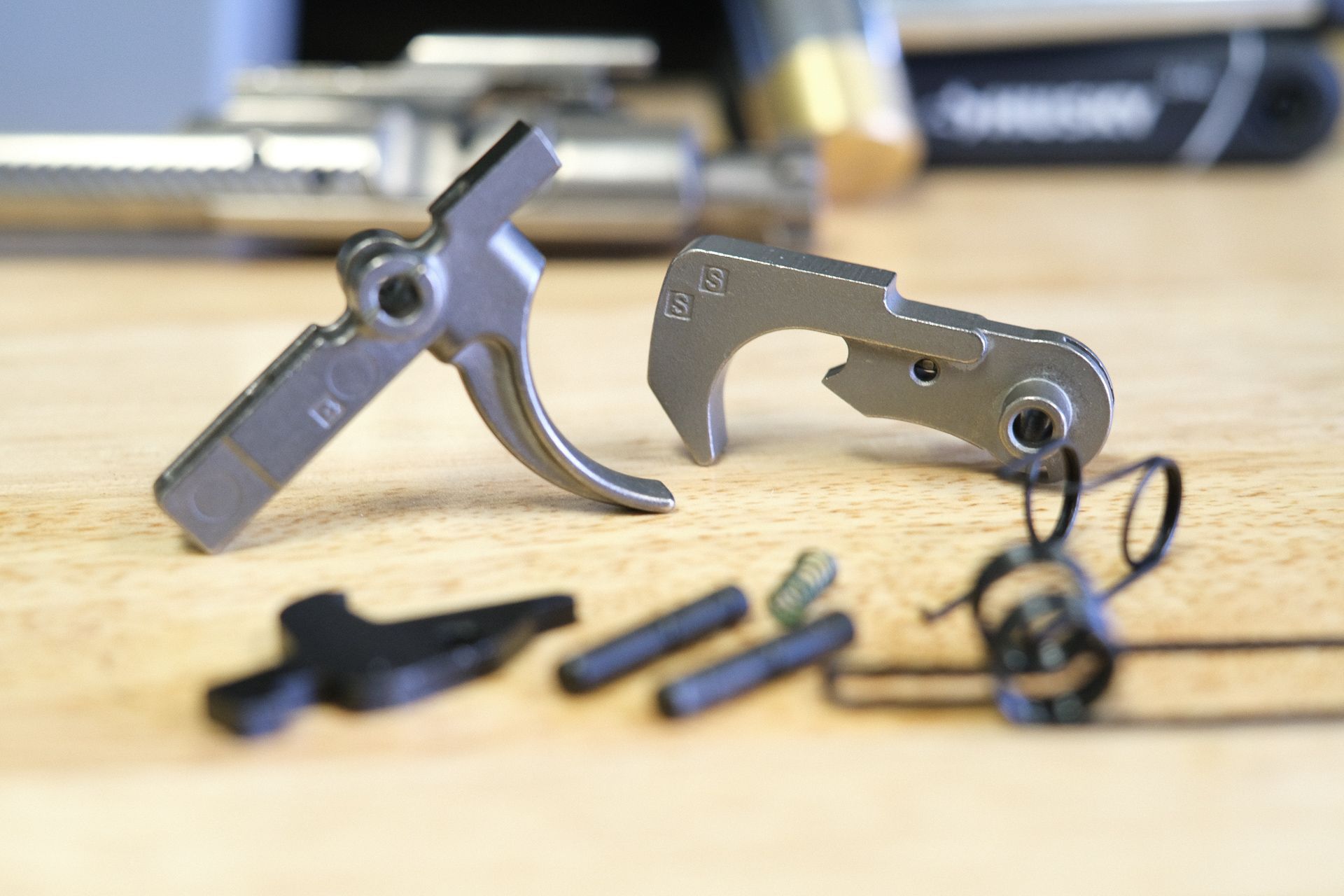
These components receive proper case hardening to create a durable wear-resistant surface while keeping a tougher core. Sear surfaces are precision machined or ground for consistent engagement. Geometry follows tight tolerances so the trigger functions reliably even when dirty or under stress. The design allows simple field stripping by punching out pins with a cartridge tip. Pull weight generally falls between 5.5 and 8.5 pounds, sometimes reaching higher. This heavier, deliberate pull prioritizes safety and helps prevent negligent discharges in high-pressure situations. Some take-up and creep appear because of the long sear engagement on the hammer. Phosphate finishes provide corrosion resistance, and the system endures rigorous drop, endurance, and environmental testing. The military trigger is built to be robust and dependable rather than light or crisp. In combat, a slightly gritty or heavy feel is preferable to anything that risks an accidental shot.
Why Civilian “Mil Spec” Triggers Differ
Civilian AR-15 trigger groups labeled “Mil Spec” aim to replicate the semi-automatic portion of the military design. Many use similar components sourced from suppliers familiar with military contracts and match key dimensions for proper fit in mil-spec lower receivers. These sets commonly appear in lower parts kits or as standalone groups and earn descriptions like “Mil-Spec style” or “contractor grade.” The core issue is legality and function. The original military fire control group includes provisions for an auto sear to enable select-fire. Civilian versions modify or remove those features to comply with federal law restricting semi-automatic-only firearms. As a result, they cannot be identical to the triggers installed on issued military rifles. No official Technical Data Package exists for a semi-automatic-only military trigger group.
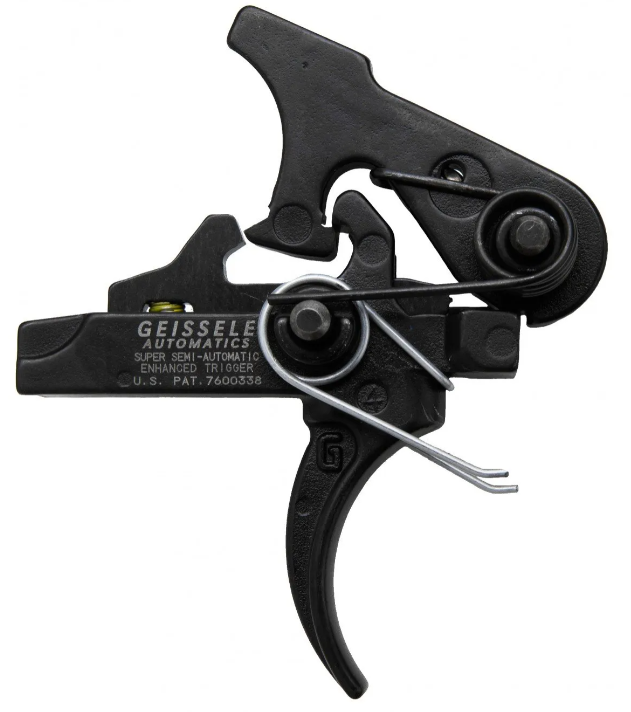
So “Mil Spec” in the civilian world serves mainly as a marketing description indicating close adherence to military-inspired standards rather than full certification. Quality varies widely. Budget kits may use softer materials, inconsistent heat treating, or looser tolerances. This produces pull weights around six to eight pounds with more creep or grittiness. Higher-quality enhanced options often add polished sear surfaces or improved finishes like nickel Teflon for smoother operation while staying close to the original geometry. The label on the package usually means the parts fit mil-spec receivers and operate similarly. It does not mean every specification from the military Technical Data Package has been met. These triggers generally perform best in true mil-spec lower receivers with tighter tolerances. Most modern commercial-spec lowers accept them without major problems, though small dimensional differences can appear.
Advantages of Mil-Spec Style Triggers
Mil-Spec style triggers earn strong respect for durability and reliability in hard-use situations. They remain fully field-serviceable because the pins punch out easily for cleaning or replacement. The simple design keeps them affordable and widely available. Many experienced builders select a quality Mil-Spec or enhanced version for serious rifles precisely because it emphasizes proven toughness over a refined shooting feel. These triggers have demonstrated decades of dependable service in military applications under extreme conditions. For range use, home defense, or general plinking, a well-made Mil-Spec style group often provides more than enough performance without unnecessary complexity.
Limitations and Common Drawbacks
The typical heavier pull weight of 5.5 to 8-plus pounds, combined with take-up and creep, can reduce precision during deliberate marksmanship. Basic versions frequently feel grittier out of the box compared with polished or two-stage aftermarket triggers. They target minimum performance standards rather than delivering a match-grade experience. Owners sometimes refine a standard group by carefully polishing sear surfaces or installing reduced-power springs. Excessive polishing risks removing the hardened layer and exposing softer metal. Enhanced Mil-Spec options from reputable makers smooth the feel without sacrificing core reliability.
When to Choose Mil-Spec and When to Upgrade
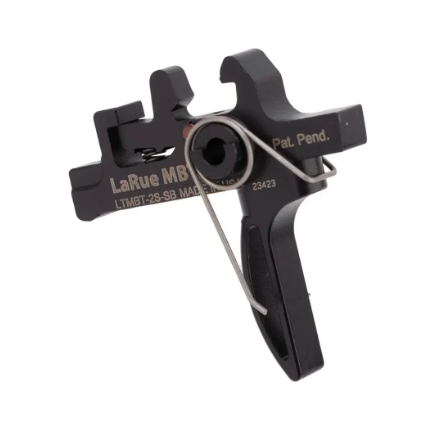
For most civilian owners, a quality “Mil Spec” or enhanced Mil-Spec trigger group delivers solid, no-nonsense performance. It excels at consistent reliability under abuse rather than winning precision competitions. If you are assembling a historical clone rifle and want close adherence to original specifications, choose established manufacturers that emphasize proper materials and heat treatment. For competition, long-range shooting, or applications where a lighter, crisper break matters more, most shooters upgrade to dedicated single-stage or two-stage triggers that trade some military-style durability for improved speed and accuracy.
The Bottom Line
“Mil Spec” AR-15 trigger sets sold to civilians represent close approximations built around military-inspired standards instead of exact certified copies of the select-fire components issued to troops. When sourced from respected companies, they provide the rugged dependability the term suggests. Not every low-priced kit labeled “Mil Spec” fully lives up to the expectations of the complete military Technical Data Package. Evaluate the manufacturer’s reputation, material details, and real-world performance when deciding. A properly made Mil-Spec style trigger stands out for being consistently dependable when it counts. For the majority of practical AR-15 applications, that reliability often proves more valuable than an ultra-smooth, sub-four-pound break.