

 Dirty Bird Bakersfield
Glock, Handguns, Sig Sauer
Single Action vs Double Action vs Striker-Fired Handguns: Which Action Type Fits Your Needs?
Feb
Table of Contents
TL;DR- Too Long Didn’t Read
This blog post explores the differences between handgun action types, focusing on single action, double action, and striker-fired mechanisms, and examines their use cases and modern trends.
- Single Action: Known for precision with a crisp trigger pull, suitable for competition and target shooting, but less common for daily carry.
- Double Action: Offers readiness with a heavier initial pull for safety, but requires practice for accuracy across variable trigger pulls.
- Striker-Fired: Dominates the market due to consistent trigger pull, simplicity, and reliability, favored for self-defense and law enforcement.
- Safety Features: Vary between types; single action relies on manual safeties, double action uses heavy pulls and decockers, and striker-fired has internal safeties.
- Modern Trends: Striker-fired systems are becoming standard, with hybrid designs offering enhanced trigger experiences.
The handgun remains one of the most versatile and popular firearms available today. Whether you are using one for self-defense, heading to the range for target practice, competing in matches, or enjoying recreational shooting, it helps to understand how these guns actually work.
Three main action types dominate shooter conversations: single action, double action, and striker-fired. These terms describe how the trigger interacts with the firing mechanism, whether that mechanism uses a hammer or an internal striker, to fire a round.
Single action and double action are traditional hammer-fired systems, while striker-fired designs dominate the modern handgun market. Each offers a different trigger feel, safety approach, shooting cadence, and handling experience. Understanding the differences makes choosing the right handgun far easier.
At Dirty Bird Guns & Ammo, we carry handguns in all three action types, from classic hammer-fired designs to today’s most popular striker-fired pistols.
What Is a Single Action Handgun?
With a single action handgun, the hammer must be cocked before the trigger is pulled. The trigger performs only one function: releasing the cocked hammer to strike the firing pin and ignite the cartridge. This results in a very short, light trigger pull that shooters often describe as crisp and precise.
On revolvers, the hammer is cocked manually for every shot. Classic examples include the Colt Single Action Army and Ruger Blackhawk series. These revolvers are strongly associated with deliberate, precision shooting and traditional craftsmanship.
Single action semi-automatic pistols work differently. After the first shot, the cycling slide automatically cocks the hammer for subsequent rounds. The 1911 platform is the most well-known example. Once a round is chambered, the hammer remains cocked, and many users carry these pistols “cocked and locked,” with the thumb safety engaged and often supported by a grip safety.
The main advantage of single action is accuracy. The minimal trigger travel and light pull make it easier to maintain sight alignment and shoot tight groups. This is why single action handguns are common in target shooting and competitive disciplines where precision matters most.
There are trade-offs. Manually cocking a revolver slows rapid follow-up shots. With semi-autos, carrying a cocked hammer requires disciplined safety use and careful holstering. For newer shooters or high-stress situations, these added considerations can feel cumbersome.
Today, pure single action handguns are less common for everyday carry. While the 1911 remains extremely popular among enthusiasts and competitors, many shooters prefer systems that require fewer manual steps under pressure.
What Is a Double Action Handgun?
Double action allows the trigger to perform two functions when the hammer is down. A single trigger pull cocks the hammer and then releases it to fire. This eliminates the need to manually cock the hammer for the first shot, allowing faster engagement.
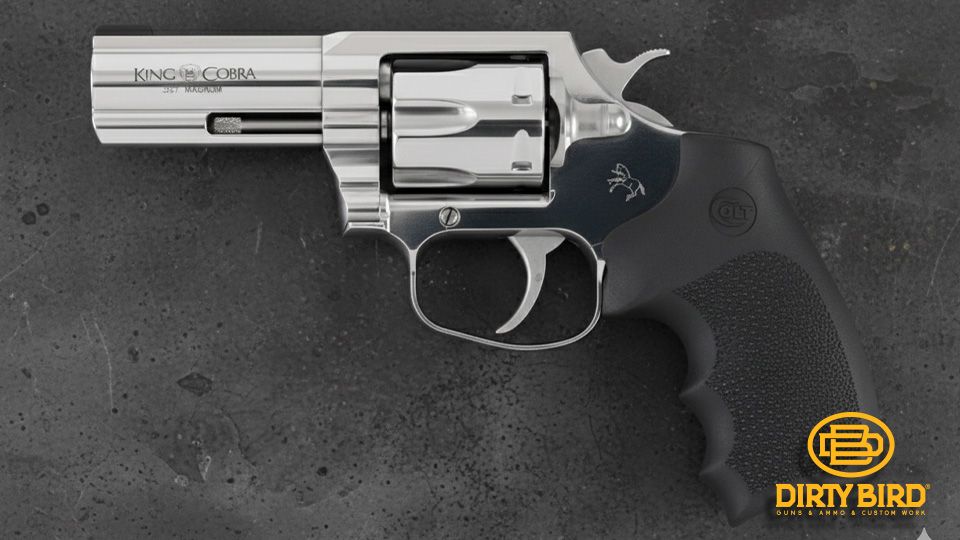
Double action revolvers rotate the cylinder during the trigger pull, enabling continuous firing by simply pulling the trigger repeatedly. Many also allow manual cocking for single action shots when a lighter trigger pull is desired.
In semi-automatic pistols, this system is commonly referred to as double action single action, or DA/SA. The first trigger pull is long and heavy. After the slide cycles, the hammer remains cocked, and subsequent shots have a shorter, lighter pull. This system defined many classic service pistols.
There is also double action only, or DAO. These pistols use a consistent long, heavy trigger pull for every shot and typically feature a bobbed or concealed hammer to reduce snagging during carry.
The biggest advantage of double action systems is readiness. A heavier initial trigger pull reduces the chance of an unintentional discharge, making these handguns appealing for duty and defensive use. Many DA/SA pistols include decockers that safely lower the hammer without touching the trigger.
The downside is trigger management. The heavy first pull can make accurate placement more difficult without practice, and transitioning from a heavy pull to a lighter one in DA/SA pistols requires training and consistency.
Although once dominant in law enforcement and military service, double action pistols have lost popularity to striker-fired designs. They remain valued for durability and safety-minded operation but demand more dedicated practice to master.
The Rise of Striker-Fired Handguns
Striker-fired handguns now dominate the market. These designs eliminate the external hammer entirely. Instead, an internal striker is partially or fully tensioned when a round is chambered. Pulling the trigger completes the process and releases the striker.
One defining feature of striker-fired pistols is trigger consistency. Each trigger pull feels the same, usually with a moderate weight and travel. There is no heavy first pull followed by lighter ones, as in DA/SA systems. This consistency simplifies training and muscle memory.
Well-known examples include pistols from Glock, Smith & Wesson, SIG Sauer, and Springfield Armory. These handguns dominate concealed carry, duty use, and commercial sales.
Striker-fired pistols are popular because they are simple and efficient. There is no hammer to manage, no decocker to operate, and fewer external controls that could snag during a draw. Manufacturing efficiency often makes them more affordable as well.
Some shooters feel striker-fired pistols are less safe due to the absence of a heavy trigger or external hammer. In reality, internal safeties such as striker blocks and trigger blade safeties provide robust protection. Negligent discharges are almost always the result of poor handling rather than mechanical design.
Striker-fired pistols have become the default choice because they balance reliability, ease of use, and performance. Beginners appreciate the simplicity, while experienced shooters value the consistency.
Comparing Trigger Pull and Shooting Experience
Trigger feel plays a major role in shooting performance. Single action offers the lightest and cleanest break, favoring precision. Double action begins with a long, heavy pull and transitions to lighter pulls afterward. Striker-fired systems remain consistent from the first shot to the last.
That consistency is a key reason striker-fired handguns are so widely adopted. Shooters do not need to adjust to changing trigger characteristics during a string of fire.
Safety Features and Carry Considerations
Single action semi-autos rely heavily on manual safeties. Double action systems use heavy trigger pulls and decockers to reduce risk. Striker-fired pistols depend on internal safeties with minimal external controls, reducing snag hazards during the draw.
For everyday carry, striker-fired and DAO systems are often favored for their simplicity under stress. Single action pistols excel in controlled environments like competition or the range, where precision outweighs speed.
Use Cases: Self-Defense, Competition, and Recreation
For self-defense, fast and reliable access matters most. Striker-fired and double action handguns allow immediate firing without manual cocking or disengaging safeties. Their trigger systems provide an added margin of safety during high-stress encounters.
Competition shooters often prefer single action for its exceptional trigger quality, though well-tuned striker-fired pistols perform extremely well in many match disciplines.
Recreational shooting is well served by any of the three systems. Single action delivers classic feel and precision, double action offers engaging trigger dynamics, and striker-fired pistols provide modern versatility.
Modern Trends and Final Thoughts
Single action handguns remain respected for accuracy and tradition but are less common for daily use. Double action systems still appeal to shooters who value deliberate control and mechanical redundancy. Striker-fired pistols have become the standard thanks to consistency, simplicity, and widespread adoption.
Modern striker-fired triggers increasingly emulate the clean break of single action designs while maintaining uniform pull weight. Hybrid systems continue to blur the lines.
The best choice depends on your experience level, intended use, and personal preference. Handling and shooting different action types is the best way to determine what feels right.
At Dirty Bird Guns & Ammo, we offer single action classics, double action workhorses, and the striker-fired models shooters rely on today. Understanding these systems helps you choose confidently and get more enjoyment out of every range session.