

 Dirty Bird Bakersfield
Rifle
.308 Winchester vs. 7.62x51mm NATO Rifles
Oct
Table of Contents
Choosing between .308 Winchester and 7.62x51mm NATO rifles can get confusing fast. They share nearly identical dimensions, yet they don’t always behave the same way in your rifle, and knowing the difference can save you from costly mistakes. These rounds look almost identical, but their subtle differences can affect performance, safety, and compatibility—especially in platforms like the AR-10. In this 1300-word guide, we’ll explore their history, specifications, performance, safety considerations, and what it all means for your AR-10.
A Look Back: The Roots of Two Powerhouse Rounds
To understand these cartridges, we need to know where they came from. The 7.62x51mm NATO was developed in the early 1950s by the U.S. military, evolving from experimental designs based on the .300 Savage. Its goal was to replicate the .30-06 Springfield’s power in a shorter, more efficient case for modern battle rifles like the M14 and FN FAL. Adopted by NATO in 1954, it became a standard for allied forces, valued for its reliability in tough conditions. It remains a go-to for military applications, from machine guns to sniper rifles.
The .308 Winchester hit the scene in 1952, released by Winchester Repeating Arms for rifles in the civilian market. It was essentially a commercial version of the same design, tailored for hunting and target shooting. Its compact case and efficient powder burn made it a favorite for bolt-action rifles and, later, semi-automatic platforms. Both rounds share a 7.62mm bullet diameter and a 51mm case length, which is why they’re often mistaken for twins. But their differences, subtle as they are, matter a lot.
Breaking Down the Specs: Pressure, Brass, and Chambers
At first glance, these rounds for rifles seem interchangeable, with identical external dimensions. However, their internal characteristics tell a different story, impacting everything from safety to performance.
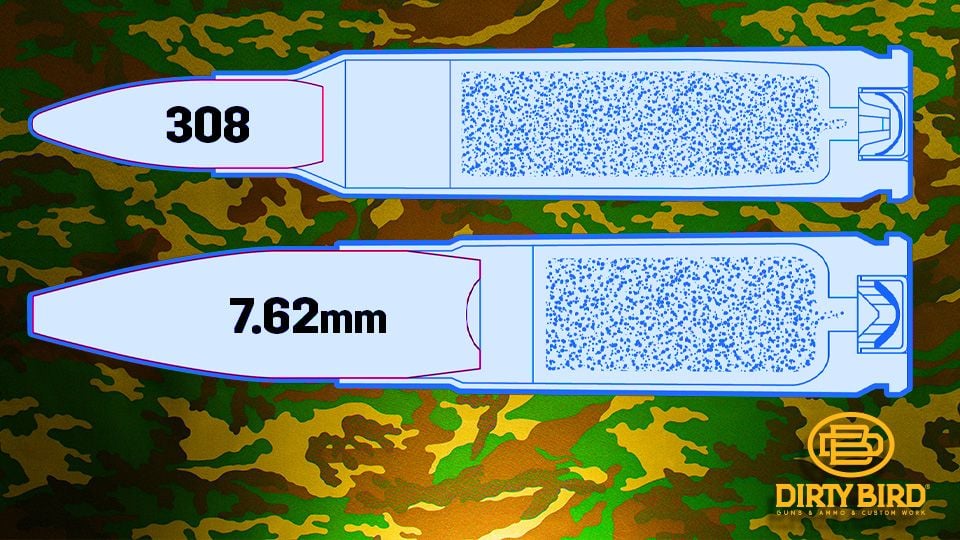
The biggest difference is chamber pressure. The 7.62x51mm NATO is rated at a maximum average pressure of about 60,000 PSI, designed for consistency in military rifles under harsh conditions. The .308 Winchester, built to civilian standards, runs hotter at up to 62,000 PSI, often exceeding that in practice. This higher pressure gives the .308 a slight boost in velocity and energy, but it requires stronger brass and tighter chamber tolerances.
Brass construction also varies. The 7.62 NATO uses thicker case walls to endure battlefield abuse, which slightly reduces powder capacity. The .308’s thinner brass allows more powder, enhancing performance in precision loads. Chamber designs reflect these differences: .308 rifles have tighter headspace (the gap from bolt face to case shoulder) for better accuracy, while 7.62 NATO chambers are looser to ensure reliable feeding in semi-automatic military rifles, like those used in combat.
Ballistically, the rounds are close at short ranges in rifles. A 7.62 NATO 147-grain full metal jacket load typically achieves 2,750 feet per second with 2,600 foot-pounds of muzzle energy, dropping to around 1,750 fps and 1,000 foot-pounds at 500 yards. A .308 Winchester 168-grain match load might start at 2,650 fps, maintaining a flatter trajectory for long-range shooting. Recoil is similar—about 15–20 foot-pounds in an 8-pound rifle—but the .308’s hotter loads can feel sharper in lighter setups.
Performance Face-Off in Rifles: Range, Hunting, and Tactical Scenarios
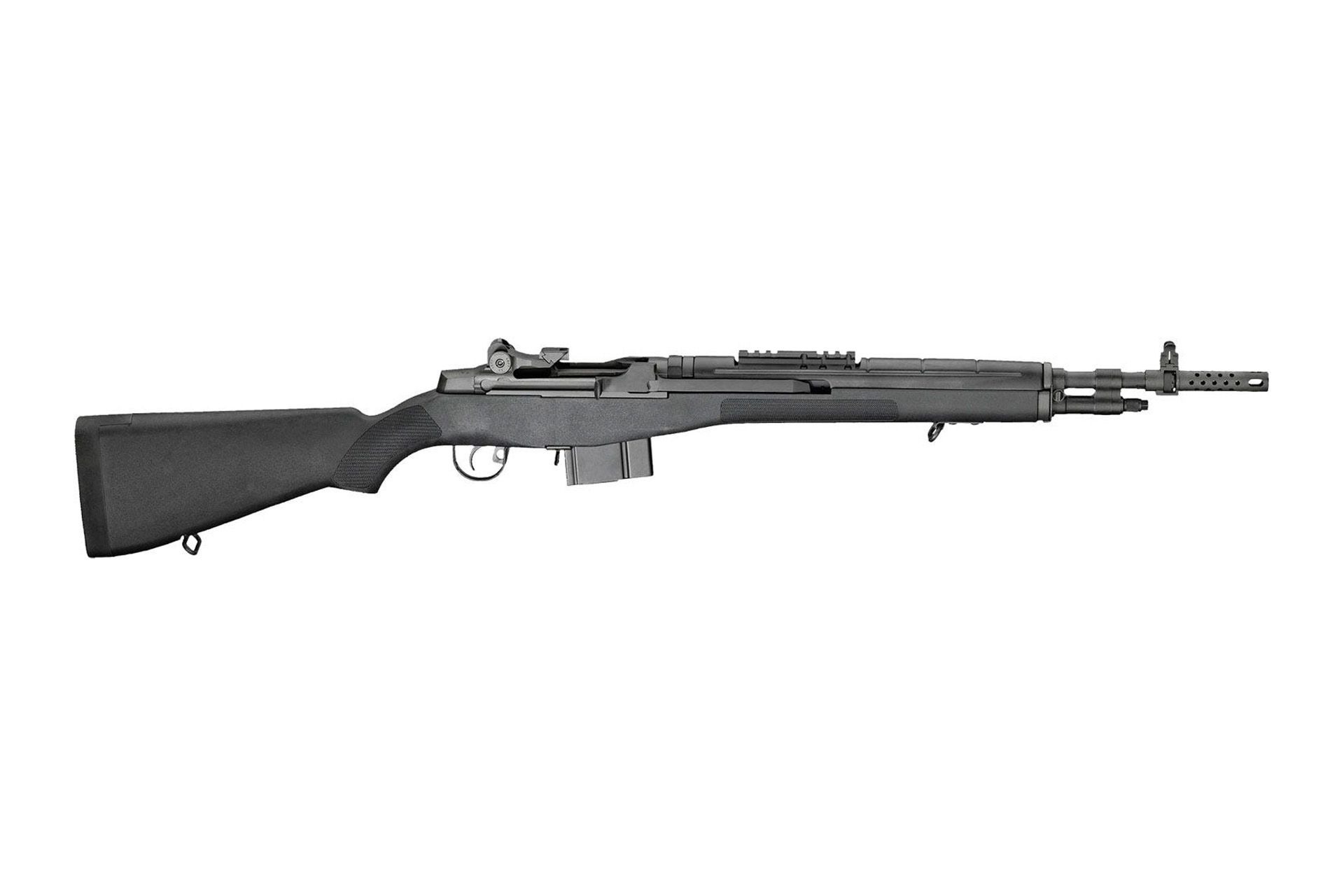
Both rounds perform well, but their strengths cater to different needs. The 7.62 NATO is built for high-volume tactical shooting. Its lower pressure ensures durability in rifles like the M1A or SCAR 17, making it ideal for sustained fire in rugged conditions. Surplus ammo is often affordable and widely available, perfect for those stocking up or training heavily. However, its military focus means fewer bullet options, which can limit precision for long-range or hunting applications.
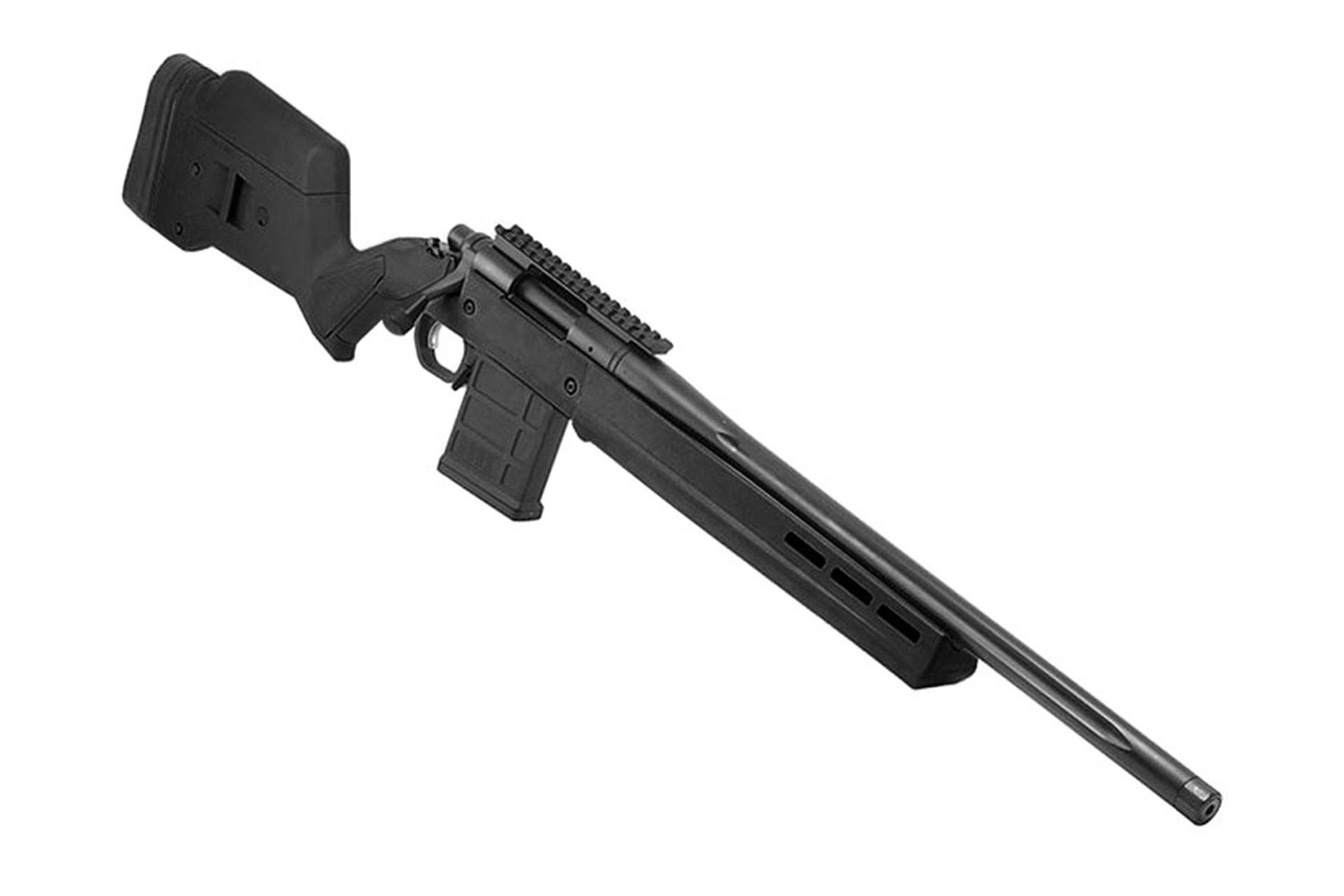
The .308 Winchester excels in precision and versatility. Its higher pressure delivers slightly higher velocities (up to 100 fps more) and better energy retention, making it a top choice for long-range shooting and hunting. With loads ranging from 150-grain soft points for deer to 180-grain bonded rounds for larger game like elk, the .308 adapts to nearly any scenario. In competitive shooting, like F-Class or Precision Rifle Series, .308 rifles often deliver sub-MOA accuracy with the right ammo and setup.
For tactical use, 7.62 NATO’s surplus availability is a major draw, especially for preppers. But surplus ammo can suffer from inconsistent powder or hard primers, potentially causing misfires or extraction issues in precision rifles. The .308’s premium loads, while pricier, offer superior consistency for critical shots, whether you’re hunting or competing.
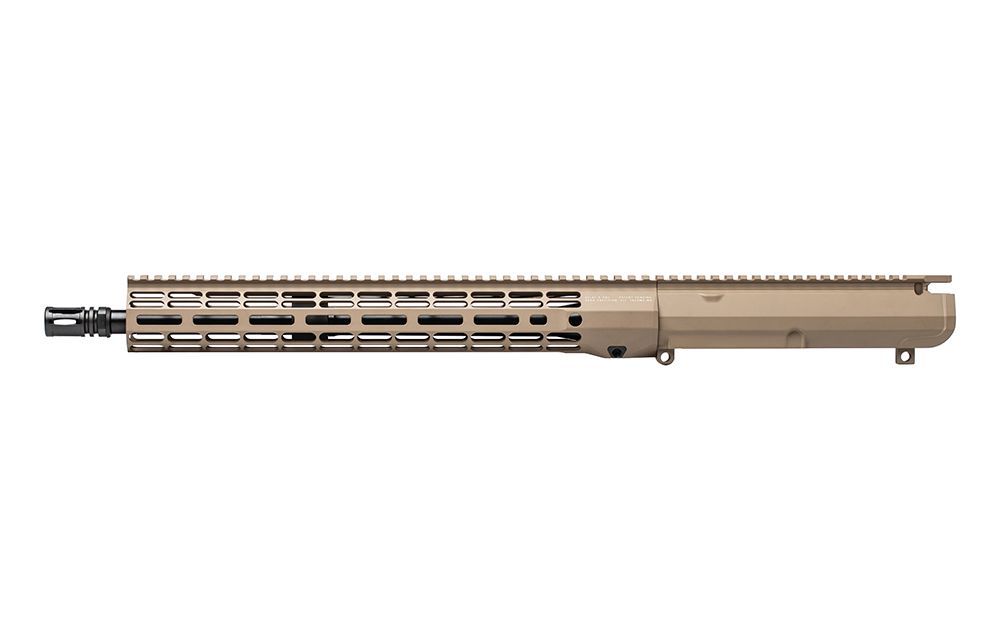
Why It Matters in AR-10 Rifles
AR-10 rifles, a semi-automatic platform chambered for these rounds, is where the .308 versus 7.62 debate gets practical. Your ammo choice can significantly affect reliability, safety, and performance in this rifle.
Start with your rifle’s chamber. Most modern AR-10s are chambered for .308 Winchester or dual-rated for both .308 and 7.62 NATO rifles. .308-chambered AR-10 rifles can safely fire 7.62 NATO ammo, as the lower pressure won’t overstress the tighter chamber. However, firing .308 Winchester in a 7.62 NATO-specific chamber is risky. The higher pressure, combined with looser headspace, can cause case ruptures or damage rifles. Always check your barrel markings or owner’s manual to confirm your chamber.
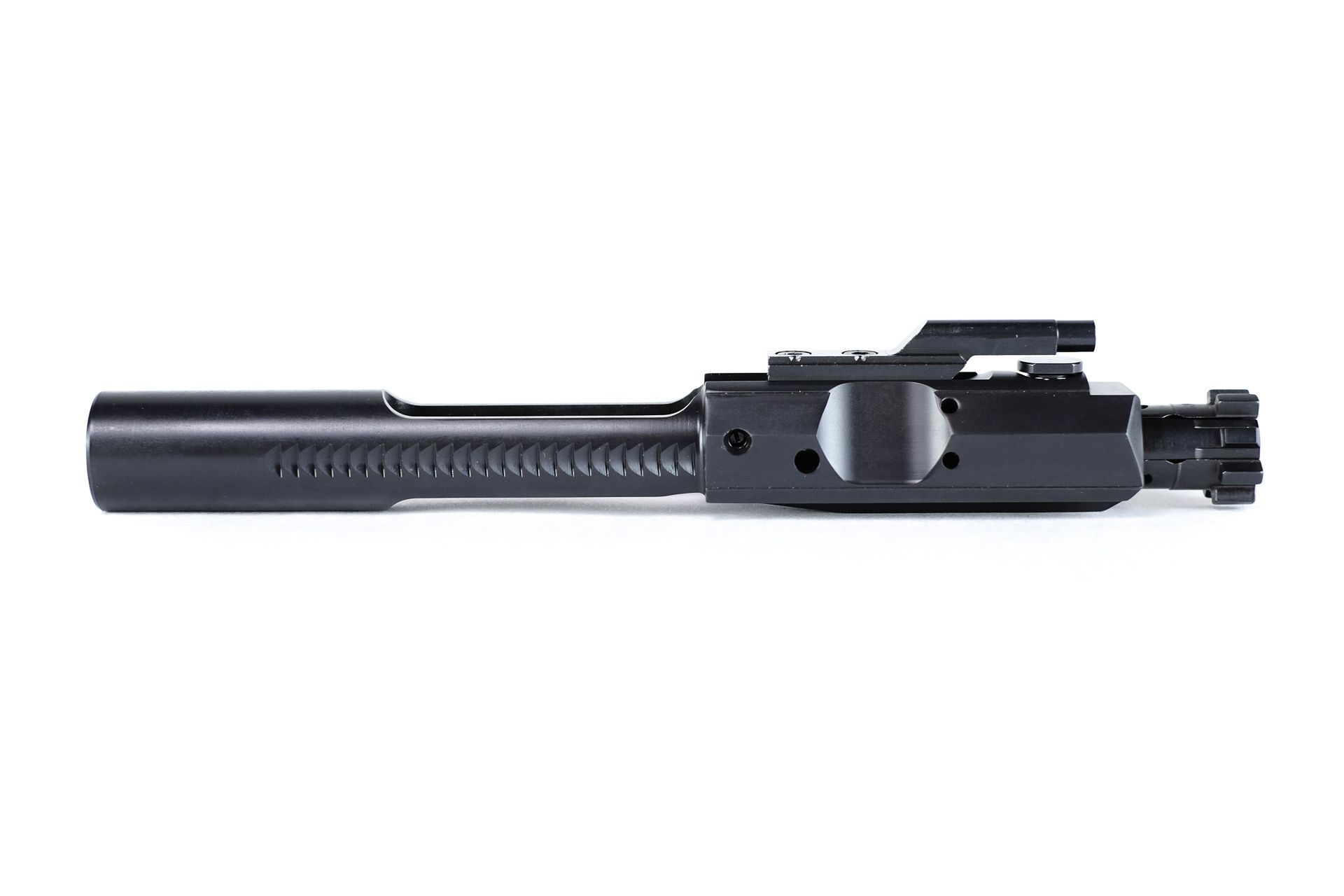
Cycling is another factor. AR-10s rely on a gas system to cycle rounds, and the .308’s higher pressure can over-gas a rifle tuned for 7.62 NATO, leading to harsh recoil or accelerated wear on parts. On the other hand, 7.62 NATO in a .308-optimized AR-10 might under-gas, causing short-stroking or failures to eject. Adjustable gas blocks, common on AR-10s from brands like Aero Precision or DPMS, let you tweak the gas flow to match either round, ensuring smooth operation.
Surplus 7.62 NATO ammo is budget-friendly for high-volume shooting, but its inconsistencies (like hard primers or variable powder) can lead to reliability issues in AR-10s with tight tolerances. For precision shooting, .308 match-grade loads are the better bet, offering consistent performance. If you’re building or buying an AR-10, a .308 chamber with an adjustable gas block is the most versatile setup, allowing you to run both rounds safely with minor adjustments. Always test-fire small batches of new ammo to fine-tune your gas settings and confirm reliability.
Safety Considerations in Rifles: Interchangeability Done Right
Can you mix and match these rounds? Not without caution. Firing .308 Winchester in a 7.62 NATO chamber is a bad idea. The higher pressure and thinner brass, combined with looser headspace, can lead to case stretching or catastrophic failures. Conversely, 7.62 NATO in a .308 chamber is generally safe, as the lower pressure won’t overtax the rifle. However, surplus 7.62 ammo might stick in tight .308 chambers, requiring manual clearing in rare cases.
Modern rifles, like the Sig 716 or Ruger SR-762, are often dual-rated for both calibers, meaning they’re built to handle either safely. Older or military-specific rifles may not be as forgiving. Always verify your rifle’s chambering via the manual or barrel markings. For reloaders, stick to published load data for each round to avoid pressure issues. When testing new ammo, start with a small batch to ensure compatibility.
Wrapping It Up: Your Ideal Choice
So, .308 Winchester or 7.62x51mm NATO? It depends on your goals. For an AR-10 or bolt-action rifle that covers all bases, a .308 chamber offers the most flexibility, safely firing both rounds with proper adjustments. Hunters and competitive shooters will appreciate the .308’s wide range of loads and long-range performance. Tactical shooters or budget-conscious folks may prefer 7.62 NATO for its surplus availability and rugged reliability.
At Dirty Bird Guns & Ammo, we stock both .308 and 7.62 NATO, from premium match-grade options to affordable surplus. Visit our shop or website to explore our selection, and our team can help pair your rifle with the perfect round. Whether you’re chasing trophies, punching paper, or gearing up for tough scenarios, we’ve got what you need. What’s your preferred round for your setup? Share your thoughts in the comments.