

 Dirty Bird Bakersfield
AR Parts and Accesories, AR-15
Magpul MOE vs. Magpul CTR: Which Stock Is Right for Your Build?
Jul
Table of Contents
Walk into any gun store or browse an online retailer, and you’re almost guaranteed to spot an AR-15 equipped with a Magpul stock. The reasons are straightforward: Magpul delivers rugged, reliable, and innovative firearm accessories that balance performance, affordability, and versatility. From the Magpul MOE grip to their iconic magazines, they have earned a reputation as a go-to brand for AR enthusiasts.
Among their standout products, the Magpul MOE and CTR carbine stocks are two of the most popular choices for AR-15 and M16 builds, each catering to different needs and budgets. Whether you’re piecing together a budget-friendly range rifle or a duty-ready tactical setup, choosing the right stock is critical for comfort, control, and performance. This comparison explores the key differences between the Magpul MOE and CTR stocks, addressing common questions about wobble, ergonomics, value, and more to help you decide which is the best fit for your build.
Why Magpul Stocks Dominate the AR Market
Magpul’s dominance in the AR-15 accessory market stems from their focus on creating practical, durable, and user-focused products. Since their founding, they have prioritized innovation, producing stocks that enhance the AR platform’s modularity with lightweight construction, easy installation, and compatibility with both mil-spec and commercial-spec buffer tubes. Their use of high-strength polymer materials ensures durability under harsh conditions while keeping costs accessible. Magpul stocks are favored for their ergonomic design and versatility, making them a staple on rifles for casual shooters, competitive marksmen, and tactical professionals alike.
Overview of Magpul MOE and CTR Stocks
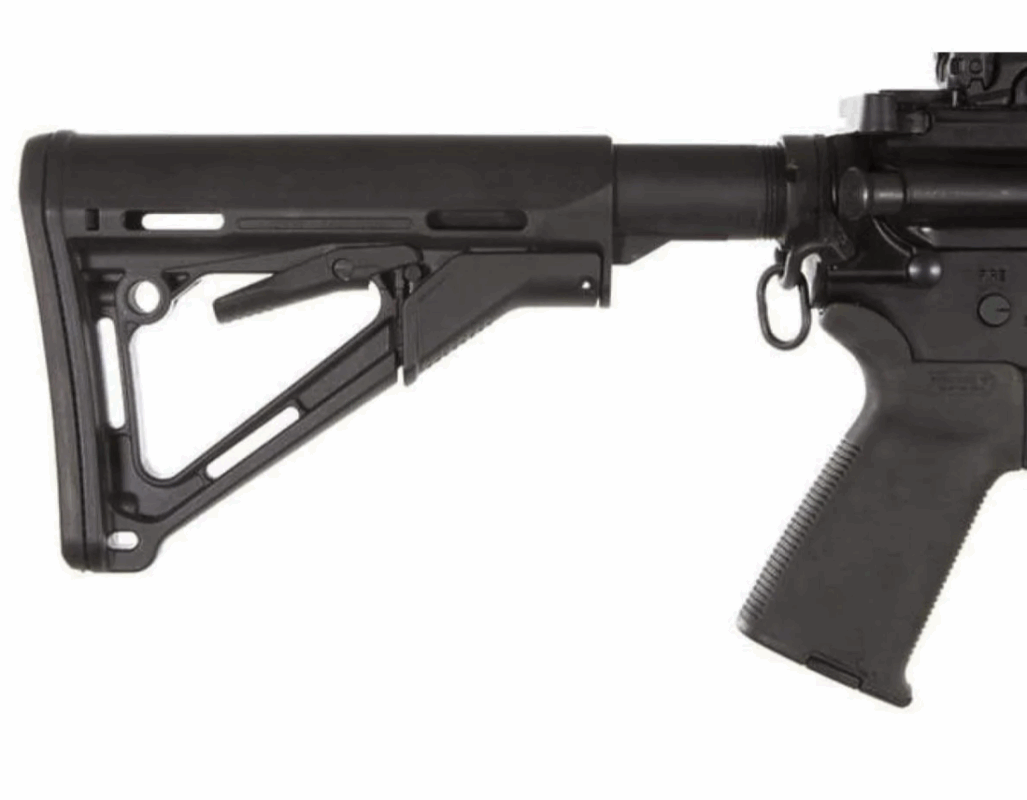
The MOE (Magpul Original Equipment) and CTR (Compact/Type Restricted) carbine stocks are designed for AR-15 and M16 platforms, offering adjustable length of pull (LOP) and compatibility with mil-spec (1.14”) and commercial-spec (1.17”) buffer tubes. Both feature a similar A-frame design with a sloped cheek weld and rubberized butt-pad for comfort and traction. The MOE is a cost-effective, no-frills option, while the CTR includes premium features like a friction lock and QD sling mount for enhanced stability and versatility.
Key Differences Between MOE and CTR Stocks
Friction Lock
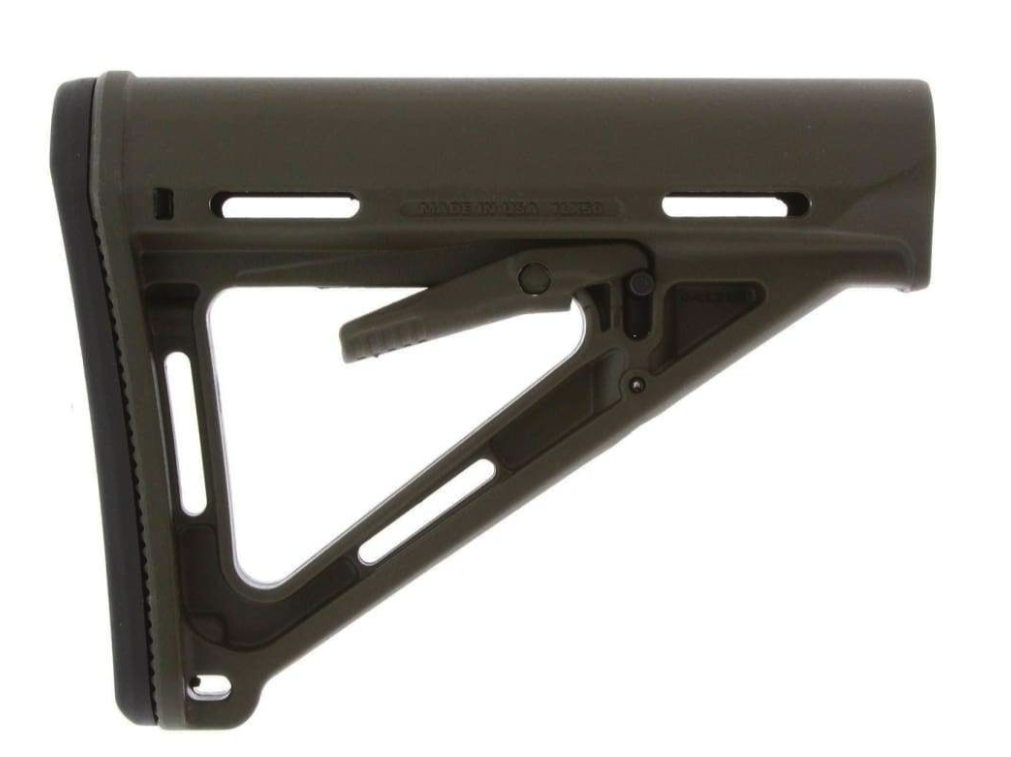
- CTR: Includes a supplemental friction lock with a chrome-silicon spring that presses against the buffer tube, reducing wobble and enhancing stability.
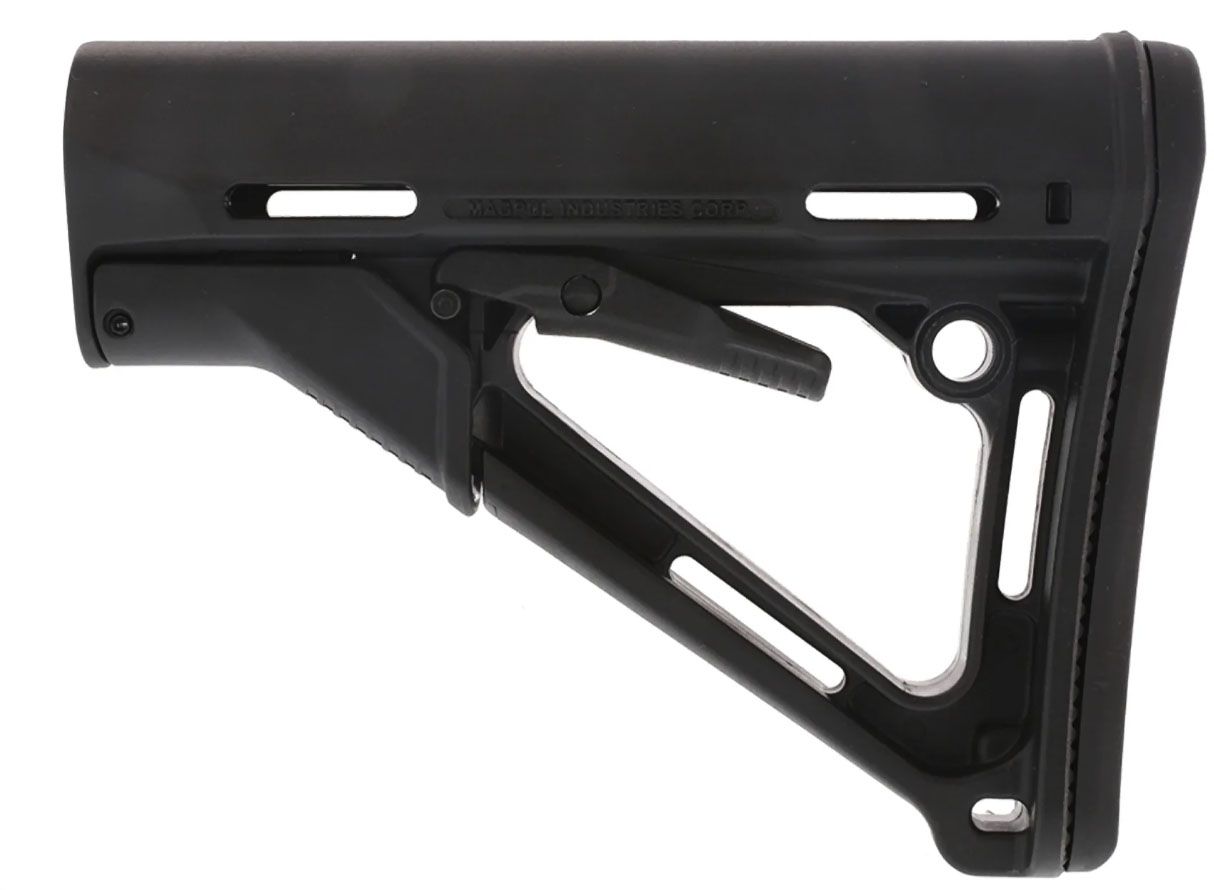
- MOE: Lacks the friction lock, relying on standard tolerances for fitment, which can result in slight play.
QD Sling Mount
- CTR: Features an ambidextrous QD sling mount for push-button swivels, ideal for quick sling transitions.
- MOE: Has 1.25” sling loops but requires a separate Magpul Sling Mount Kit for QD functionality.
Weight
- MOE: 8.0 oz (stock only), 12.0 oz (with mil-spec receiver extension)
- CTR: 8.8 oz (stock only), 12.8 oz (with mil-spec receiver extension)
The MOE’s lighter weight is a slight advantage for ultralight builds.
Size
- Both have a 6.9” length and a 3.3” LOP adjustment range (collapsed: ~10.5”, extended: ~13.8”).
Cheek Weld
- Both offer a sloped cheek weld, but the CTR’s friction lock ensures a more consistent head position.
Does the Magpul MOE Stock Have Wobble or Play?
The Magpul MOE’s lack of a friction lock can lead to slight wobble on the buffer tube, particularly with mil-spec tubes. The degree of play depends on the buffer tube’s tolerances, with commercial-spec tubes often providing a tighter fit. For casual range shooting, this wobble is typically minimal and doesn’t significantly affect accuracy or handling. However, during dynamic movement or precision shooting, the slight movement may be noticeable. For those prioritizing a rock-solid fit, the CTR’s friction lock is the better option.
How Effective Is the CTR’s Friction Lock?
The Magpul CTR’s friction lock significantly reduces wobble by applying pressure to the buffer tube, creating a near-fixed-stock feel. The lock’s chrome-silicon spring ensures a tight fit, minimizing lateral play and enhancing weapon stability. While the effectiveness depends on the buffer tube’s quality, the CTR generally provides a more secure fit than the MOE, making it ideal for applications where consistent head positioning and minimal movement are essential.
Is the QD Sling Mount Worth It?
The CTR’s built-in QD sling mount supports push-button swivels, offering seamless sling attachment for rapid transitions. This is a significant advantage for tactical setups where quick sling adjustments are critical for weapon retention or maneuverability. The MOE’s 1.25” sling loops are functional for traditional slings but less convenient for modern QD systems. Adding a QD mount to the MOE requires an additional accessory, which narrows the cost gap.
Which Stock Provides Better Value?
Magpul MOE
- Lightweight construction and affordability
- Ideal for range rifles or beginner builds where minor wobble is acceptable
Magpul CTR
- Premium features like the friction lock and QD mount, enhancing stability and versatility
- Better suited for tactical or duty rifles where performance is paramount
For budget builds, the MOE delivers excellent performance for the cost. For duty rifles, the CTR’s enhanced features justify the investment.
Weight and Size Differences
Weight
- MOE: 8.0 oz (stock only), 12.0 oz (with mil-spec extension)
- CTR: 8.8 oz (stock only), 12.8 oz (with mil-spec extension)
The MOE’s 0.8 oz lighter weight is a minor advantage for ultralight builds.
Size
- Both stocks measure 6.9” in length with a 3.3” LOP range (collapsed: ~10.5”, extended: ~13.8”).
The weight difference is negligible for most users, but the MOE’s slight edge may appeal to minimalist builders.
Ergonomics and Cheek Weld
Both stocks feature a sloped cheek weld and rubberized butt-pad for comfort and traction. The CTR’s friction lock provides a more consistent head position by minimizing wobble, which is particularly beneficial during dynamic movement or when wearing body armor. The MOE’s cheek weld is effective but can be disrupted by slight play on the buffer tube. The CTR’s shielded release latch also prevents accidental LOP adjustments, improving ergonomics in high-stress scenarios.
Budget Build vs. Duty Rifle
Budget Build: The MOE is the top choice for affordability and versatility. Its lightweight design and compatibility with accessories make it ideal for range rifles or beginner builds where cost is a priority.
Duty Rifle: The CTR’s friction lock and QD mount make it the better option for law enforcement, military, or home defense setups. Its stability and sling versatility ensure reliability in critical situations.
Compatibility and Accessories
Both stocks require matching mil-spec or commercial-spec buffer tubes. Always verify your tube’s diameter before purchasing.
- MOE: Compatible with QD Sling Mount Kits and storage cores for small gear
- CTR: Supports CTR Cheek Risers for non-AR platforms and pairs well with Magpul QDM swivels
Pairing either stock with Magpul grips, magazines, and handguards provides a cohesive build.
Comparison to Other Magpul Stocks
- Magpul SL: Slimmer and lighter (7.2 oz), with a low-profile design but no friction lock. Best for minimalist builds
- Magpul STR: Heavier (12.3 oz) with built-in storage tubes and dual QD mounts. Ideal for rugged duty rifles needing extra storage
- Magpul UBR: A heavier (1.46 lbs) collapsible stock with a fixed-stock feel, designed for maximum stability
The MOE and CTR strike a balance between weight, cost, and features, making them versatile compared to more specialized Magpul stocks.
Installation Guide
- Verify buffer tube spec (mil-spec or commercial-spec)
- Remove existing stock by depressing the release lever and sliding it off
- Install new stock, aligning with adjustment detents
- Engage the CTR friction lock (if applicable) and check for wobble
- Attach any accessories (QD swivels or sling mounts)
Use Cases
MOE: Range shooting, first builds, casual plinking, training
CTR: Tactical operations, competition shooting, home defense
Conclusion
The MOE and CTR are both exceptional stocks, but your choice depends on your needs.
- Magpul MOE: Perfect for budget builds or casual range rifles. Its lightweight design and compatibility with accessories make it a versatile, cost-effective choice.
- Magpul CTR: The go-to for duty rifles or tactical setups. Its friction lock and QD mount ensure stability and versatility, making it ideal for serious applications.
Both stocks uphold Magpul’s legacy of quality and innovation.
Shop Magpul Stocks at Dirty Bird Guns & Ammo
Upgrade your AR-15 with a Magpul stock from Dirty Bird Guns & Ammo. We carry the MOE and CTR in mil-spec and commercial-spec, available in colors like Black, FDE, OD Green, and Gray. Explore our full range of Magpul accessories, including MOE grips, magazines, and handguards, with fast shipping and expert support.
What are the key differences between the Magpul MOE and CTR stocks?
The MOE is a budget-friendly stock with a basic design, featuring 1.25” sling loops and no friction lock. The CTR includes a friction lock to reduce wobble and an ambidextrous QD sling mount for quick sling transitions, making it more suited for tactical use.
Does the Magpul MOE stock have wobble or play on the buffer tube?
Yes, the MOE can have slight wobble, especially on mil-spec buffer tubes, due to its lack of a friction lock. The play is typically minimal and doesn’t significantly affect casual shooting but may be noticeable during dynamic movement.
How effective is the CTR’s friction lock in eliminating stock movement?
The CTR’s friction lock significantly reduces wobble by applying pressure to the buffer tube, creating a near-fixed-stock feel. It minimizes movement effectively, though results may vary with buffer tube tolerances.
Is the QD sling mount on the CTR stock worth the extra cost?
The CTR’s QD sling mount is valuable for tactical setups requiring quick sling transitions with push-button swivels. For casual or static shooting, the MOE’s sling loops may suffice, especially if you don’t use QD slings.
Which stock provides better value for the money — MOE or CTR?
The MOE offers better value for budget builds due to its affordability and versatility. The CTR provides superior value for duty or tactical rifles, where its friction lock and QD mount enhance performance.
Are there any weight or size differences between the MOE and CTR?
The MOE weighs 8.0 oz (12.0 oz with mil-spec extension), while the CTR is 8.8 oz (12.8 oz with extension). Both have a 6.9” length and 3.3” LOP range (collapsed: ~10.5”, extended: ~13.8”), with identical footprints.
Which stock offers better ergonomics and cheek weld?
Both have a sloped cheek weld and rubberized butt-pad, but the CTR’s friction lock ensures a more consistent head position, improving ergonomics for dynamic or tactical use. The MOE’s cheek weld is effective but may be affected by slight wobble.
Which one should I choose for a budget build or a duty rifle?
Choose the MOE for a budget build due to its affordability and lightweight design. Opt for the CTR for a duty rifle, as its friction lock and QD mount provide stability and versatility for critical applications.