

 Dirty Bird Bakersfield
Handguns
.380 Handguns: When to Choose It Over 9mm and Its Limitations
Aug
Table of Contents
In the realm of handguns, the .380 ACP (Automatic Colt Pistol) and 9mm Luger are popular choices for self-defense and concealed carry, each offering distinct advantages. The 9mm is often the go-to option for its versatility, power, and affordability, making it suitable for a wide range of scenarios. However, the .380 handgun has a specific role for users who prioritize compactness and reduced recoil. When I’m heading somewhere like a wedding or a place where concealment is king, that’s when I dust off and carry mine. Obviously, your milage may vary on why and when you carry. Let’s dive in a bit deeper.
This guide defines what a .380 handgun is, clarifies whether .380 ammo can be used in a 9mm handgun, explains when to opt for a .380 over a 9mm, examines the .380’s drawbacks in stopping power and training costs, and highlights a model tailored for those with weak hands. The focus is on helping you decide which caliber best fits your needs, emphasizing why 9mm is generally preferred unless particular constraints make .380 the better choice.
What Is a .380 Handgun?
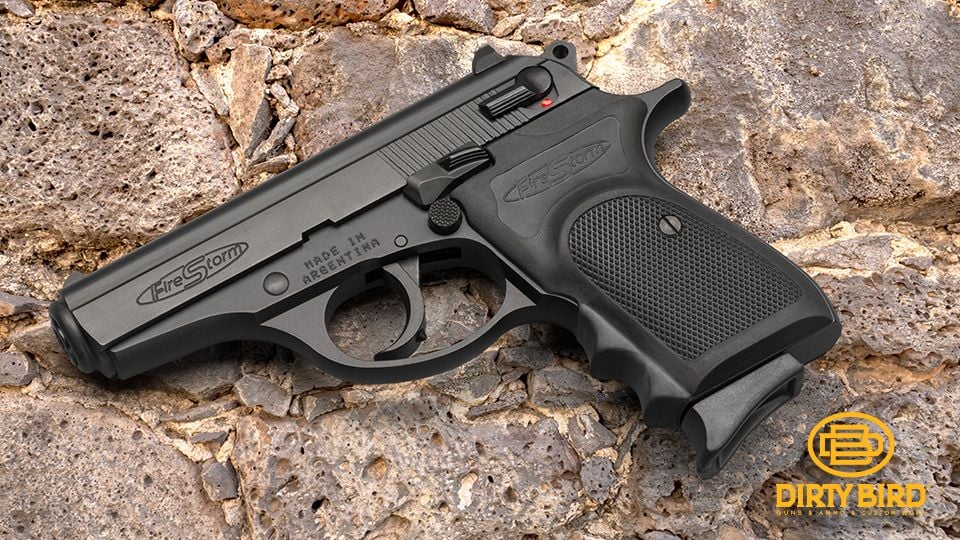
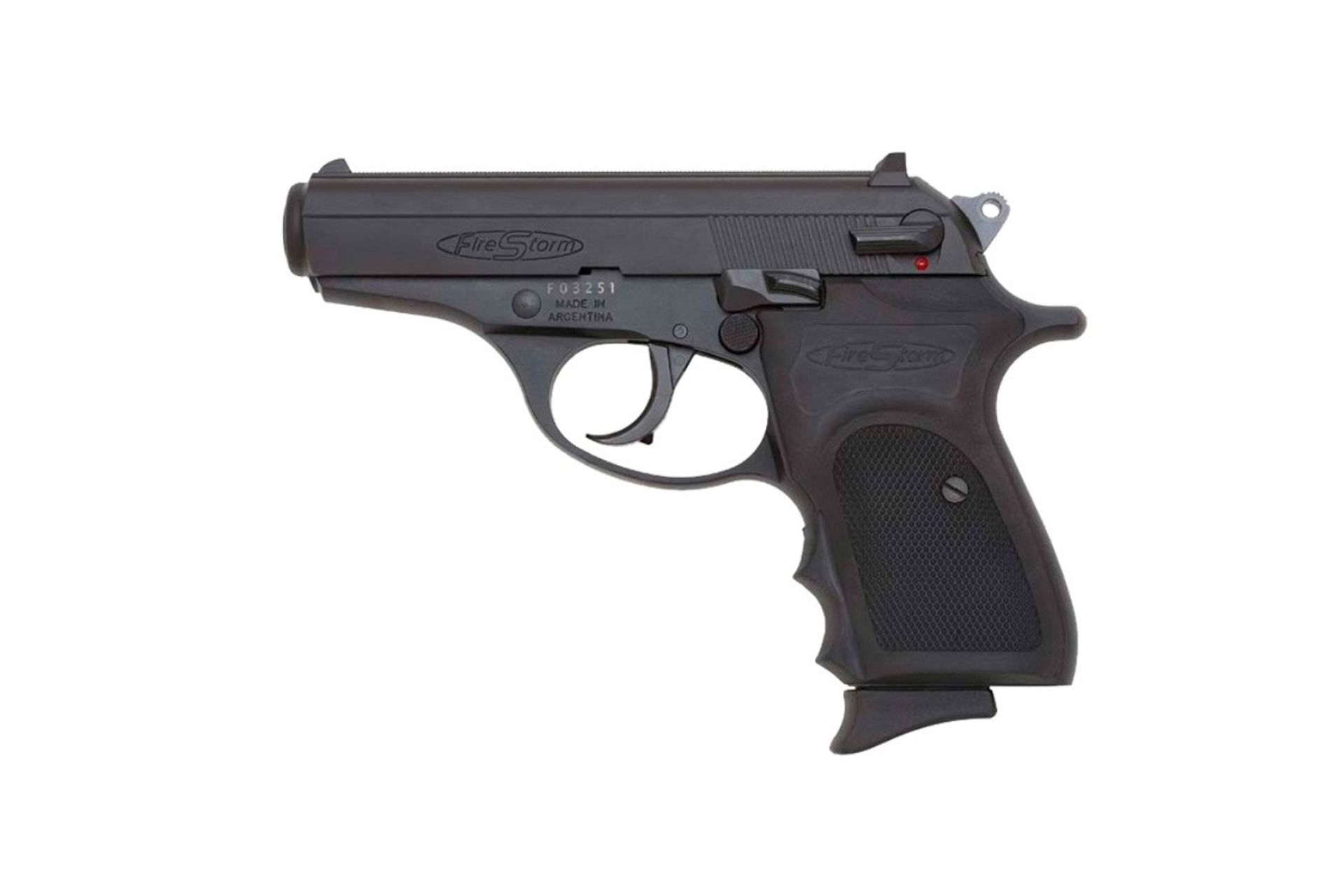
A .380 handgun is a semi-automatic pistol chambered for the .380 ACP cartridge, a compact round developed by John Browning in 1908. It fires a .355-inch bullet, typically weighing 85 to 95 grains, with muzzle velocities ranging from 900 to 1000 feet per second.
These handguns are designed for concealability, being small and lightweight, often weighing between 12 and 20 ounces unloaded. Their compact size makes them ideal for pocket or purse carry, and their manageable recoil appeals to those seeking an accessible self-defense option. With magazine capacities of 6 to 8 rounds in most single-stack designs, .380 handguns prioritize portability over raw power, but this comes with trade-offs compared to the more robust 9mm.
Can You Shoot .380 in a 9mm Handgun?
It is not safe to shoot .380 ACP ammunition in a 9mm handgun. Although both calibers use a .355-inch bullet, their cartridges differ significantly in case diameter, overall length, and pressure levels. Attempting to fire .380 ammo in a 9mm chamber can cause dangerous malfunctions, such as case ruptures, misfeeds, or out-of-battery detonations, potentially injuring the shooter or damaging the firearm.
To avoid these risks, always use ammunition that matches your handgun’s chambering, which can be confirmed by checking the barrel markings or consulting the owner’s manual. This incompatibility highlights the importance of selecting the correct caliber for your firearm.
When to Choose a .380 Handgun Over a 9mm
The 9mm handgun is the preferred choice for most self-defense scenarios due to its superior balance of power, magazine capacity, and affordability, making it versatile for home defense, open carry, or situations requiring sustained engagements.
However, the .380 handgun shines in specific circumstances where size, weight, or user comfort are critical. For instance, when deep concealment is necessary, such as carrying in a pocket or under minimal clothing, .380 handguns offer slimmer profiles and shorter barrels compared to even subcompact 9mm models.
Shooters with limited hand strength or recoil sensitivity, such as those with smaller hands or arthritis, may find .380’s lower muzzle energy easier to control. As a backup gun, .380 handguns serve well for ankle or pocket carry, providing a lightweight option effective at close range. In environments with strict size or weight restrictions, .380 handguns can fit where 9mm models might be too bulky.
In most other cases, 9mm handguns are favored for their higher capacities, better terminal performance, and wider ammunition options. Modern subcompact 9mm pistols have closed the size gap, making them the default unless specific constraints apply.
The Smith & Wesson .380 EZ: Ideal for People with Weak Hands
The Smith & Wesson .380 EZ stands out as an exceptional .380 handgun designed specifically to address the challenges faced by shooters with weak hands or limited grip strength. This model features an innovative “easy everything” system, including a slide that requires significantly less force to rack—approximately half the effort of traditional semi-automatic pistols.
The grip texture is enhanced for better control, and the controls, like the slide stop and magazine release, are oversized and intuitive. Weighing around 18.5 ounces unloaded with an 8+1 round capacity, it maintains the compact profile essential for concealed carry while prioritizing user-friendliness.
For people with weak hands, this model transforms self-defense into an accessible task, enabling confident handling without compromising reliability. While it shares the general limitations of .380 in stopping power and training costs, the EZ’s ergonomic advantages make it a top recommendation for this demographic.

Disadvantages of .380: Stopping Power and Training Costs
The .380 ACP’s primary limitation is its reduced stopping power compared to 9mm. The .380 delivers 150 to 200 foot-pounds of muzzle energy, while 9mm generates 350 to 400 foot-pounds. In FBI ballistic tests, .380 hollow points often achieve only 10 to 13 inches of penetration, compared to 9mm’s consistent 12 to 18 inches.
Additionally, .380 bullets expand less reliably, creating smaller wound cavities and reducing the likelihood of rapid incapacitation. Real-world data suggests .380 often requires more follow-up shots to stop a threat, increasing risk in high-stress situations.
Training costs are also higher. As of 2025, .380 ACP practice ammo costs about $0.40 to $0.50 per round, while 9mm averages $0.25 to $0.35. For 500 rounds of monthly training, .380 costs $200 to $250, compared to $125 to $175 for 9mm. Defensive .380 hollow points also cost more, further limiting practice frequency for budget-conscious shooters.

.380 Handgun Holsters
A well-chosen holster enhances the safety and accessibility of a .380 handgun. Compact .380s pair effectively with inside-the-waistband holsters for concealed carry, providing adjustable retention and minimal printing. Outside-the-waistband holsters, made of leather or Kydex, are suitable for range use or open carry.
Pocket holsters are particularly effective for ultra-small .380s, ensuring the trigger guard is covered. For women, holsters designed to accommodate curved body shapes or purse carry improve practicality. Selecting a holster molded specifically for your handgun ensures a secure fit and smooth draw.
.380 Handgun for Women
Many women gravitate toward .380 handguns due to their smaller grips, lighter weight, and reduced recoil, which cater to smaller hands or those new to shooting. Their compact designs facilitate carry in purses or tight clothing.
However, the .380’s limitations in stopping power necessitate thorough training to ensure effective shot placement, and many women may find that with practice, subcompact 9mm models offer similar manageability with greater defensive capability.
.380 Handguns for Concealed Carry
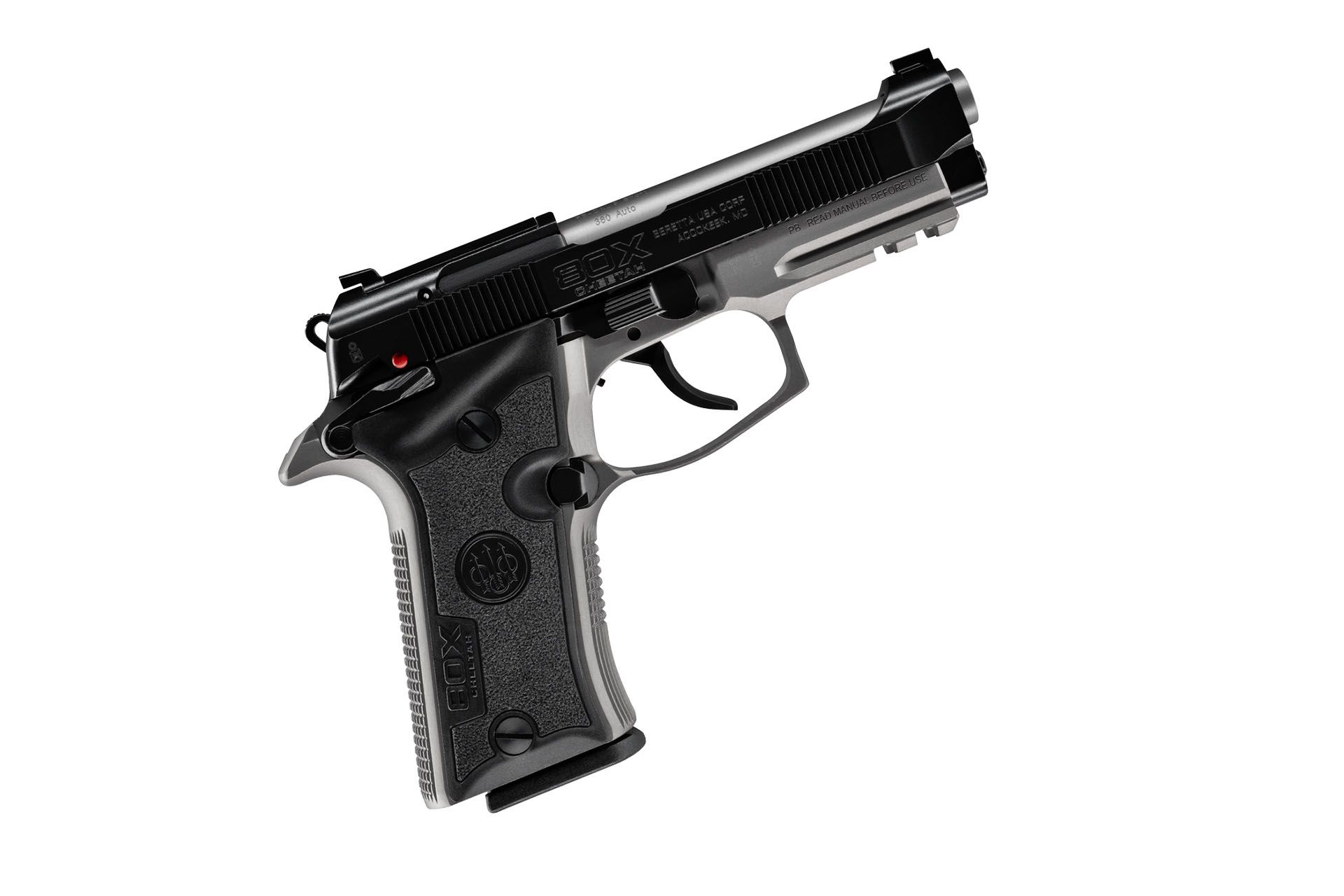
For concealed carry, .380 handguns excel in scenarios requiring minimal bulk, such as pocket or ankle carry. Their short barrels and slim frames allow discreet carry under light clothing.
However, their lower magazine capacity and reduced stopping power demand precise shot placement, limiting their effectiveness to close-range encounters. Subcompact 9mm handguns, which offer similar sizes but higher capacities and better performance, are often a superior choice unless deep concealment is paramount.
.380 Handguns Available at Dirty Bird Guns & Ammo
.380 handguns are readily available at Dirty Bird Guns & Ammo, a family-owned retailer based in Bakersfield, California, specializing in a wide selection of firearms. Their inventory includes affordable and reliable .380 pistols, often bundled with accessories, and they provide expert guidance from knowledgeable staff.
With both in-store pickup and online purchasing options, Dirty Bird makes it convenient to acquire a .380 handgun. Prices typically range from $250 for budget-friendly models to $800 for premium options, with frequent deals and a 30-day return policy (excluding ammo).
Final Thoughts
The .380 handgun serves a specialized role for concealed carry when size, weight, or recoil sensitivity are critical considerations, with models like the Smith & Wesson .380 EZ standing out for those with weak hands.
Its compact design and ease of use make it suitable for deep concealment, new shooters, or as a backup gun. However, its limitations in stopping power and higher training costs make 9mm handguns the preferred choice for most self-defense scenarios. Opt for a .380 only when its unique advantages align with your specific needs, and commit to regular training to maximize its potential.