
 Dirty Bird Bakersfield



 quality
products
 attentive
service
 family owned
 and operated
 low price
guarantee
 45 days satisfaction
 Guarantee
$100.00
Only 2 left in stock

Description
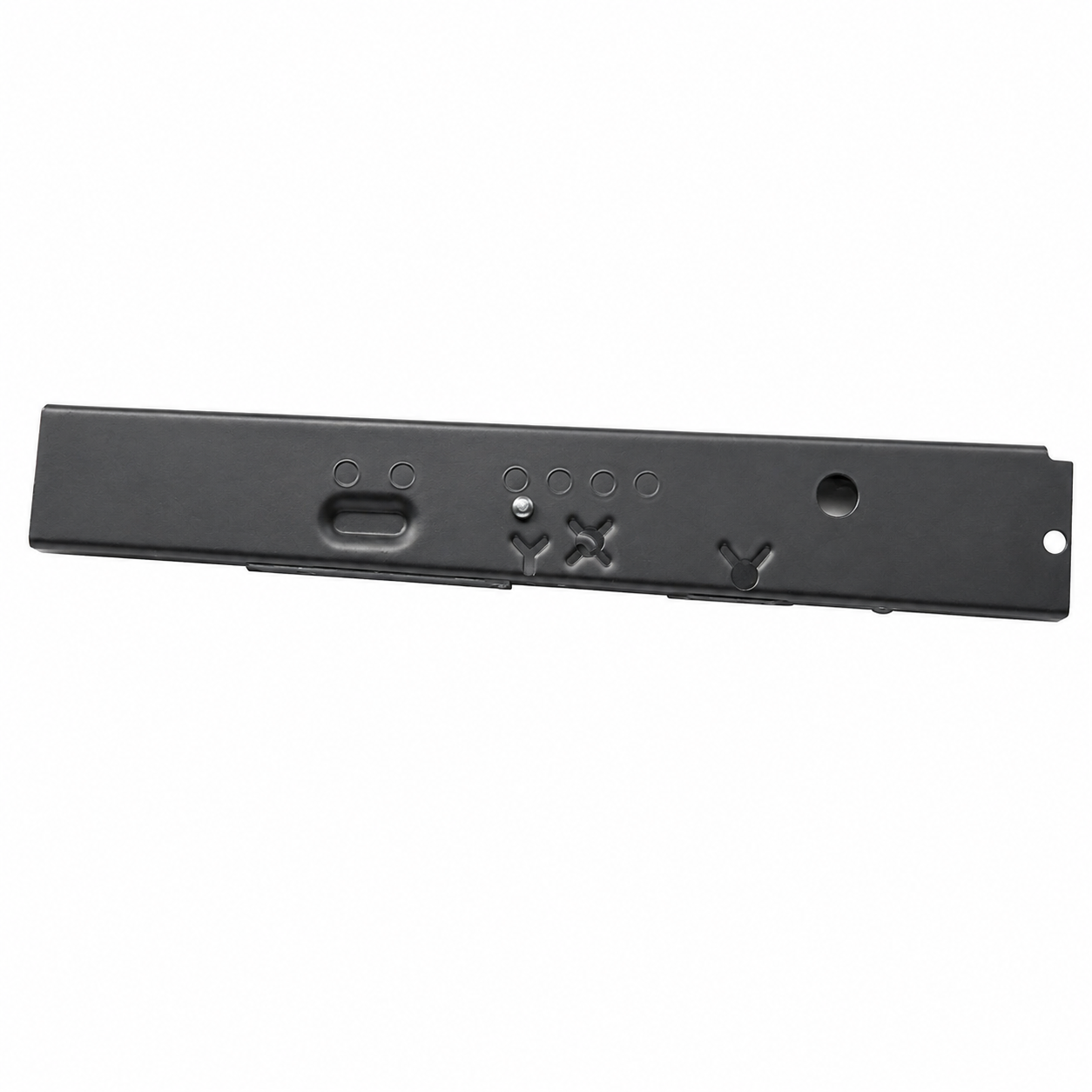
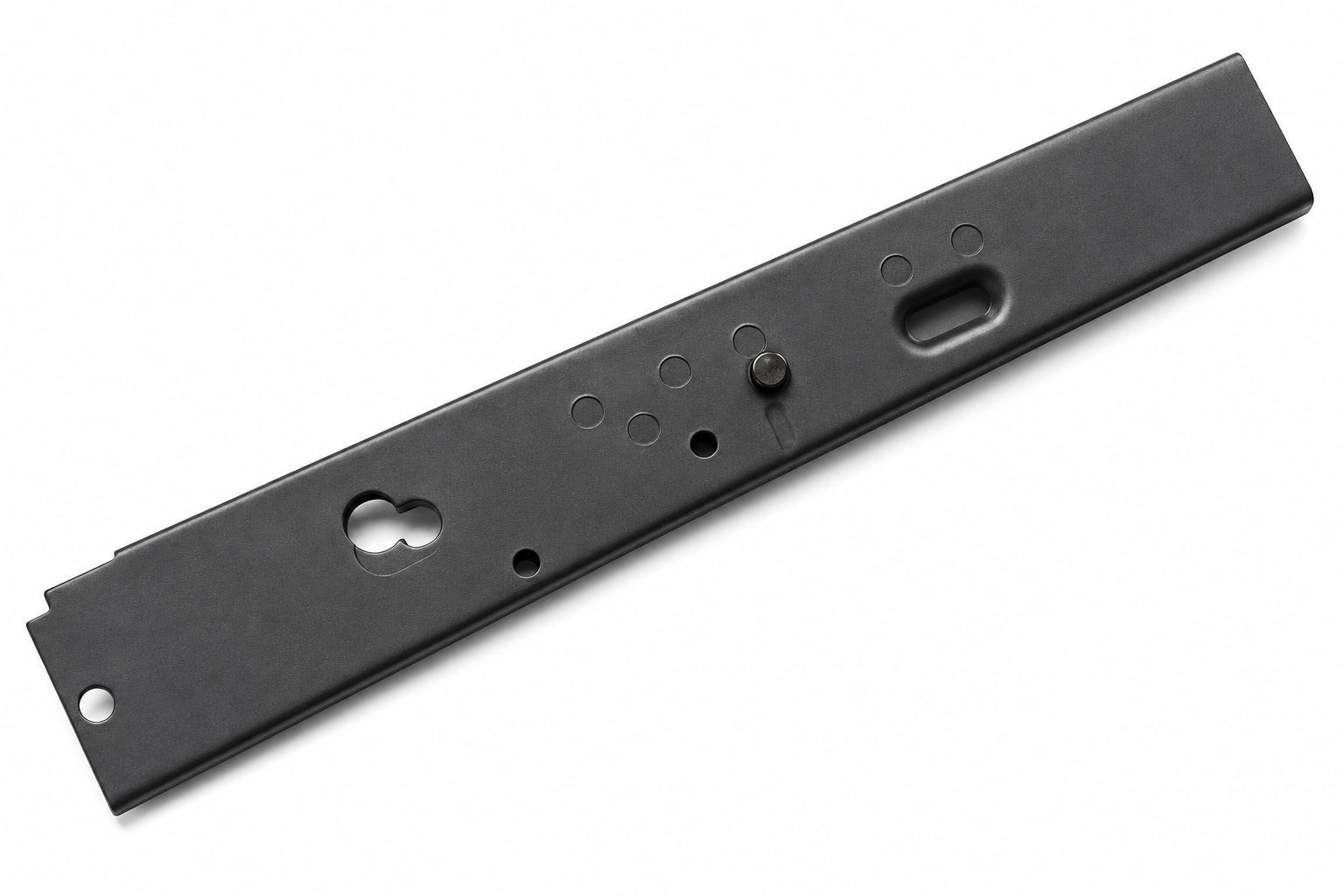
Build a high-performance Galil 74 rifle with the Childers Stamped Galil 74 Receiver, a precision-manufactured component designed specifically for 5.45×39 caliber builds. This FFL-required stamped receiver provides firearm enthusiasts and custom builders with a reliable foundation that integrates seamlessly with Galil parts kits when paired with compatible trunnions.
Key Features
- Authentic stamped construction – Delivers the lightweight durability and classic Galil profile while reducing overall build weight compared to traditional milled receivers.
- Pre-cut selector notches – Features accurate selector cuts on all three sides for smooth operation and compatibility with standard Galil fire control groups.
- Stock mounting provisions – Includes the factory-correct roll pin hole for secure rear stock attachment.
- 922r compliant design – Manufactured as a U.S.-made part to help builders meet import requirements when assembling with foreign kits.
- Optimized for Galil 74 kits – Engineered to fit Galil components when used with Iron Curtain Customs trunnions and barrels, saving hours of custom fitting work.
Specifications
- Caliber compatibility: 5.45×39
- Construction: Stamped steel
- Length: 10.25 inches
- Width: 1.25 inches
- Height: 2.12 inches
- Weight: 9.2
- FFL transfer required
Why Choose This Product
Traditional Galil rifles use milled receivers, but stamped versions offer significant advantages in weight savings and faster assembly. The Childers Stamped Galil 74 Receiver eliminates the need for extensive modifications to standard AKM receivers, allowing builders to complete projects more efficiently while maintaining authentic Galil ergonomics and functionality. Whether restoring a parts kit or creating a custom tactical firearm, this receiver delivers the precision and reliability demanded by serious shooters.
Common Applications
Ideal for custom Galil 74 builds, historical recreations, and competitive or defensive firearm projects. Builders appreciate the time savings and direct compatibility that reduce common pain points associated with adapting non-Galil receivers.
Additional information
| Weight | 9.2 oz |
|---|---|
| Dimensions | 10.25 × 1.25 × 2.12 in |
| MPN | F1 CGG74 |


Compliance
NFA (National Firearms Act) compliance is crucial for legal ownership and transfer of regulated firearms and accessories like short-barreled rifles, suppressors, and certain types of ammunition, ensuring adherence to federal regulations to avoid legal penalties and ensure responsible firearm ownership.
